


Applications for Ohio Farm Bureau Health Plans now available
Members have three ways to apply: contacting a certified agent, calling 833-468-4280 or visiting ohiofarmbureauhealthplans.org.
Read MoreThe passage of the Consolidated Appropriations Act, 2018 signed into law by President Trump March 23 was a win for farmers. Along with clarifying requirements on electronic logging devices and Comprehensive Environmental Response, Compensation, and Liability Act (CERCLA), the budget bill also addressed the cooperative tax deduction discrepancy, rural broadband needs and funding for career and technical education, among others.
“Undoubtedly there has been a lot of confusion and uncertainty surrounding many of these issues, and we applaud Congress for listening to our concerns and working to try and quickly address them,” said Jack Irvin, OFBF senior director, state and national policy.
The federal spending bill is in effect though Fiscal Year 2018, which ends in September.
The budget legislation amends the cooperative tax deduction, Section 199A. This provision restores balance to commodity markets and re-establishes fairness between cooperative and noncooperative agriculture producers, retroactive to Jan. 1, 2018. Federal tax reform signed into law in December had included a gross sales deduction of 20 percent when selling to a cooperative only. This legislation returns to tax policy more closely aligned with what was in place before major tax reform was passed late last year.
The law creates a $625 million pilot program within the Rural Utility Service of the U.S. Department of Agriculture under the Rural Electrification Act. At least 90 percent of the households must be in a rural area currently without sufficient access to broadband to be eligible to receive a loan or grant under the pilot program. Ohio lawmakers are also working on broadband access legislation at the state level.
Perkins Basic State Grants received a $75 million increase within the legislation, a sign of support in Washington for career and technical education funding.
According to the Association for Career and Technical Education, in addition to the Perkins increase other programs that saw a bump within the budget bill included Student Support and Academic Enrichment Grants (ESSA Title IV-A), Pell Grants, work study programs and apprenticeship opportunities.
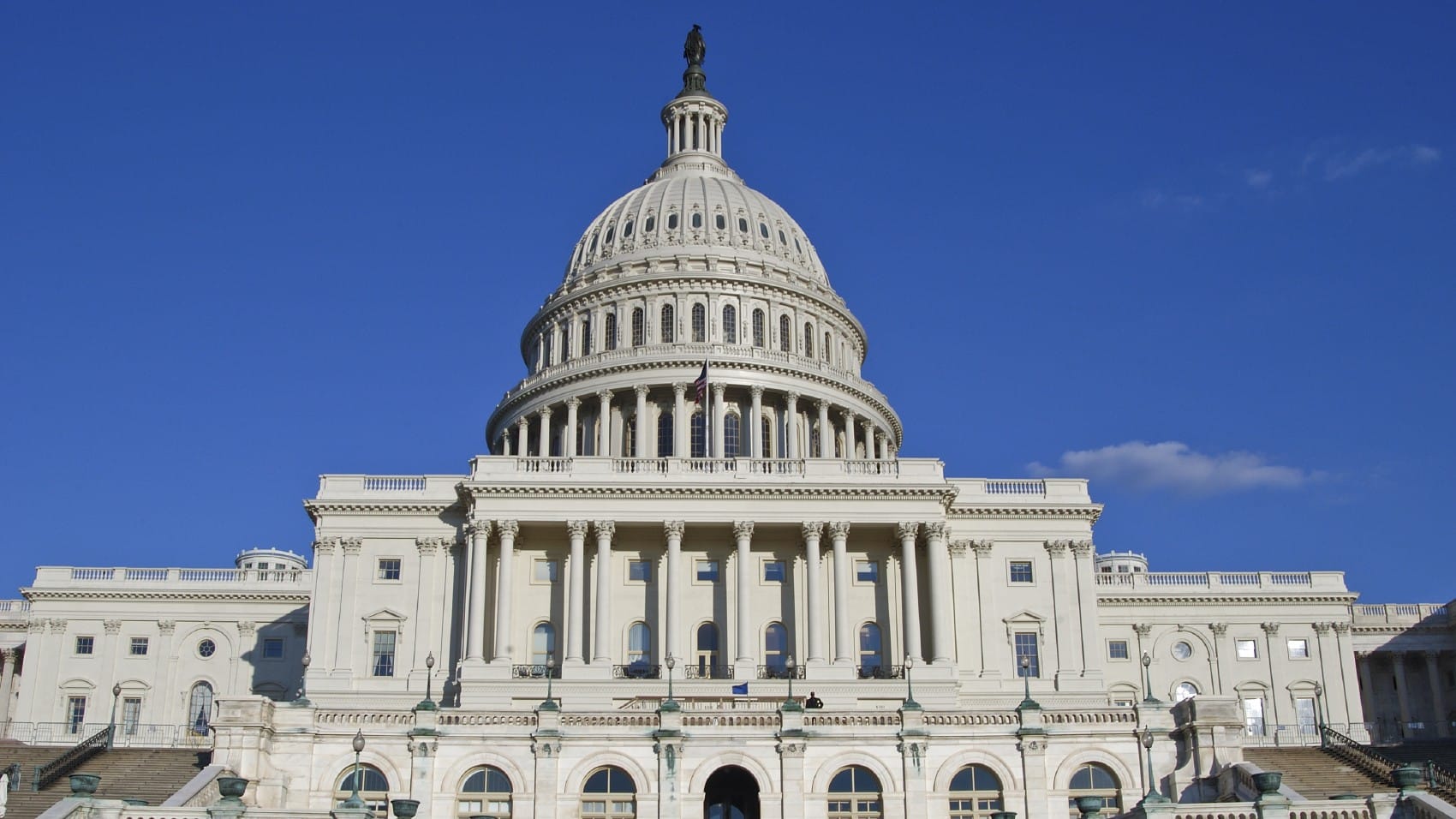
These issues were lobbied for when Farm Bureau county presidents visited Washington, D.C. in March and met with their legislators on Capitol Hill.



Members have three ways to apply: contacting a certified agent, calling 833-468-4280 or visiting ohiofarmbureauhealthplans.org.
Read More
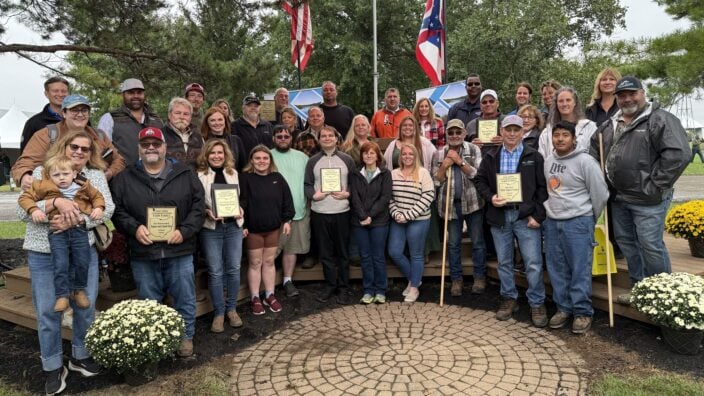
Since 1984, the Conservation Farm Family Awards program has recognized Ohio farm families for their exemplary efforts conserving soil, water, woodland, wildlife, and other natural resources.
Read More
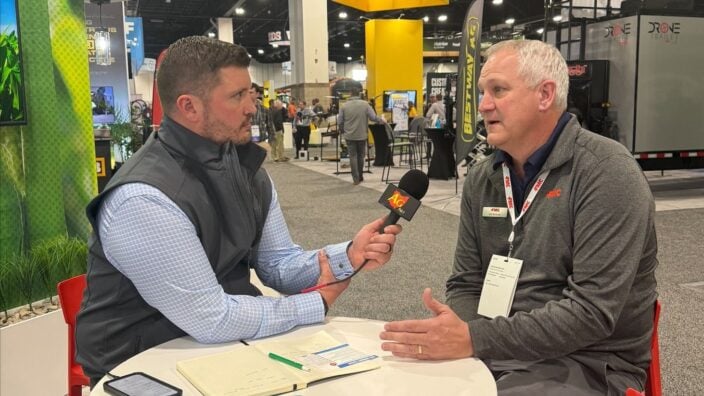
Meet Joe Everett, a Shelby County Farm Bureau Young Ag Professional who has dedicated his life to service, both in uniform and within his local community.
Read More
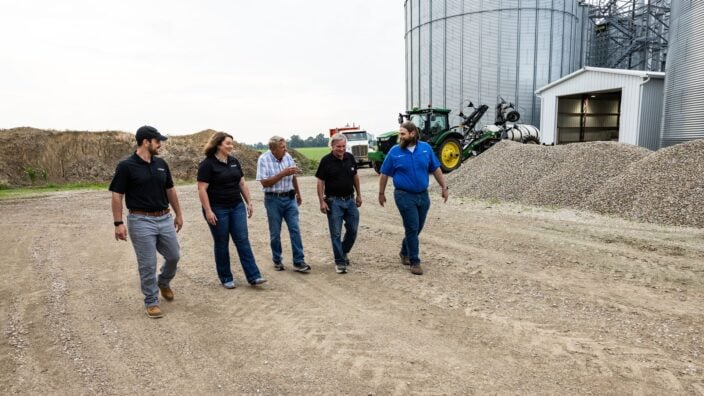
A year-end review provides an opportunity to evaluate your operation’s financial position, discuss future goals and develop strategies for the upcoming season.
Read More
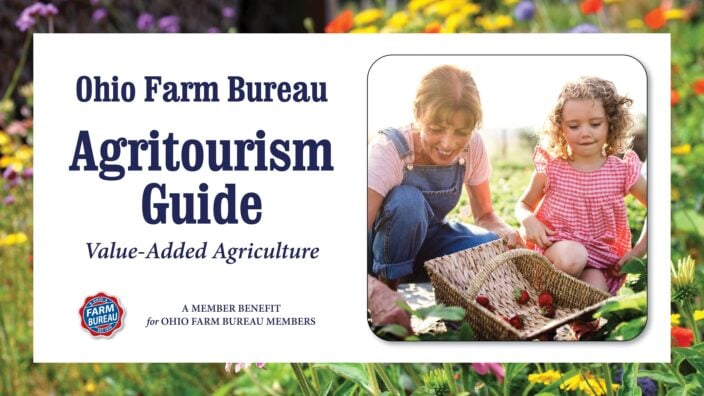
Ohio Farm Bureau has created a new guide to help members better understand the laws, regulations and risk considerations that come with opening their farms to the public.
Read More
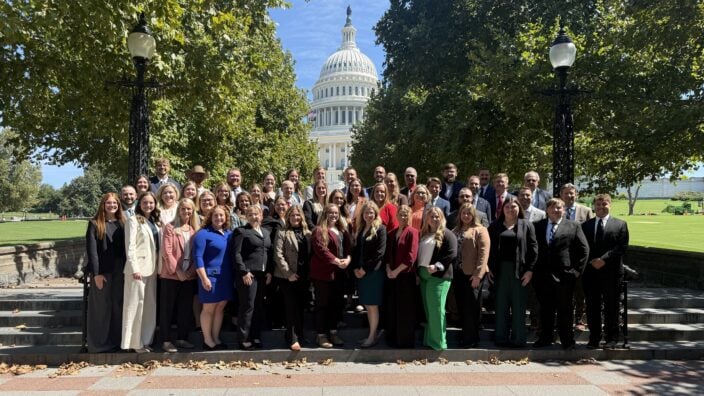
The groups received a firsthand look at agricultural policy, advocacy and leadership in the nation’s capital.
Read More
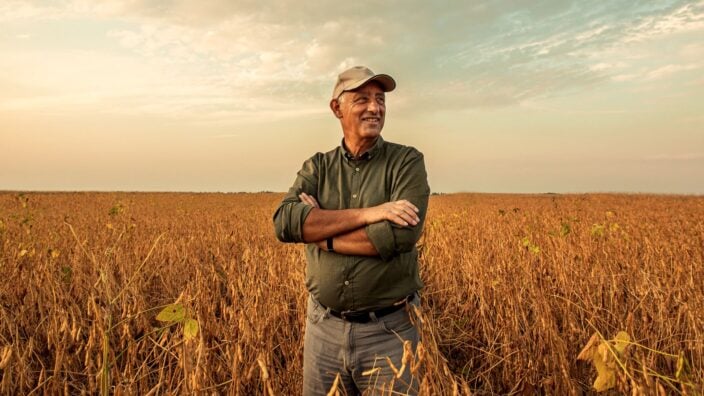
By prioritizing safety and health, you protect yourself and those around you, reduce downtime, and ensure your operation runs smoothly.
Read More
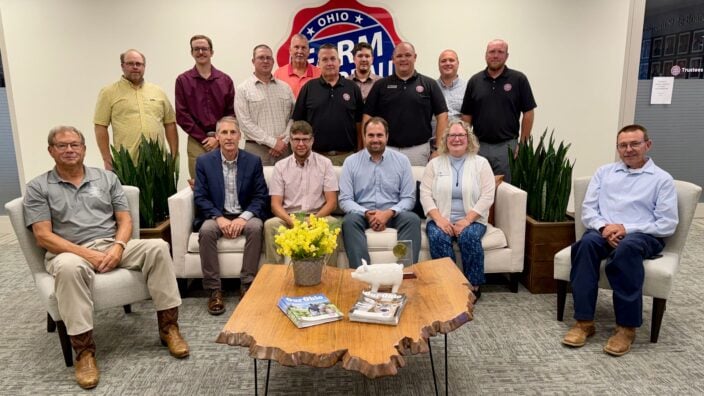
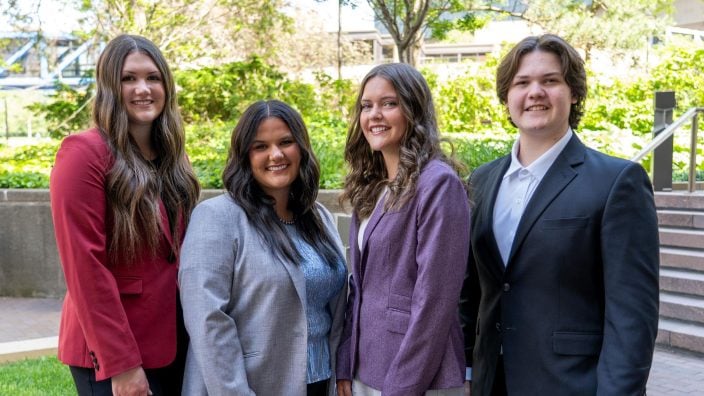
Twenty leaders have been named to the 2026 Ohio Farm Bureau Federation Policy Development Committee.
Read More
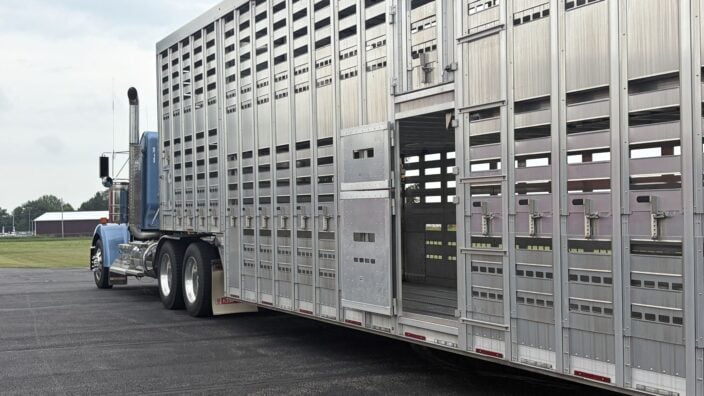
Two specialized, hands-on training sessions will address high-risk agricultural emergencies: manure pit rescues in confined spaces and roadside livestock transportation accidents.
Read More
The 75,000 square foot ImAGine Ag exhibit made its debut at the 2026 Ohio State Fair in the new Ohio Agriculture Center, giving thousands of visitors a hands-on, interactive learning experience.
Read More