



Applications for Ohio Farm Bureau Health Plans now available
Members have three ways to apply: contacting a certified agent, calling 833-468-4280 or visiting ohiofarmbureauhealthplans.org.
Read MoreWhile the future of the North American Free Trade Agreement between Canada, the United States and Mexico remains in negotiations, the 11 countries remaining in the original Trans-Pacific Partnership have moved on without the United States.
Japan, Australia, Singapore and the other nations, including Mexico and Canada, concluded negotiations on the newly named Comprehensive and Progressive Agreement for Trans-Pacific Partnership in January. The new agreement was signed in March, paving the way for equitable trade with Pacific partners, excluding the United States, which pulled out of the original TPP agreement in January 2017.
“I struggle as an economist to find a logical argument as to why this administration would want to pull back from TPP and NAFTA,” said Ian Sheldon, economist and professor and Andersons chair of agricultural marketing, trade and policy for Ohio State University, on a recent episode of Town Hall Ohio.
In the meantime, tariffs on steel and aluminum have been put into place by the Trump administration, though NAFTA partners Canada and Mexico are exempt from the tariffs, pending the outcome to NAFTA negotiations.
Ohio Farm Bureau has been working as part of an industry-wide effort to send a message to Washington, D.C. and beyond about the importance of trade to the agricultural industry, specifically as it relates to NAFTA.
Farm Bureau Executive Vice President Adam Sharp, along with colleagues from the Ohio Chamber of Commerce and Ohio Corn & Wheat Growers Association, and Sheldon have shared this message with editorial boards at major Ohio newspapers over the last few months and have asked Farm Bureau members to spread the message as well.
“Exports are the most important market for a grain farmer today in Ohio,” said Tadd Nicholson, executive director of the Ohio Corn & Wheat Growers Association. “(Trade) is the biggest driver of profitability for a farmer right here in rural Ohio. Half of our wheat and more than half of our soybeans in this country go outside the United States. Things would be bad for the United States farmer if we pull out of NAFTA.”



Members have three ways to apply: contacting a certified agent, calling 833-468-4280 or visiting ohiofarmbureauhealthplans.org.
Read More
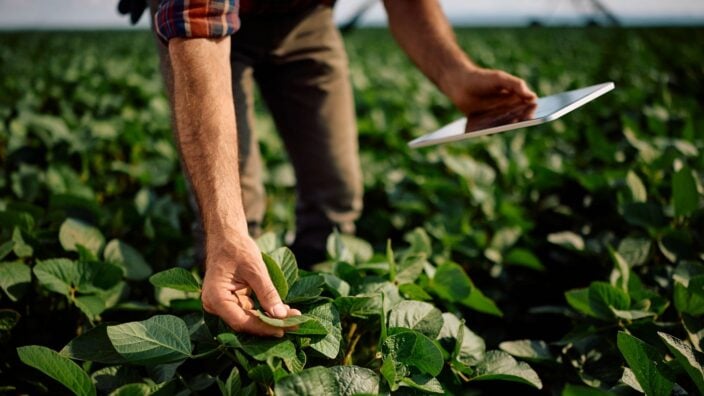
Founded by farmers in 1926, Nationwide has grown into a trusted partner for the agricultural community while staying true to its roots.
Read More
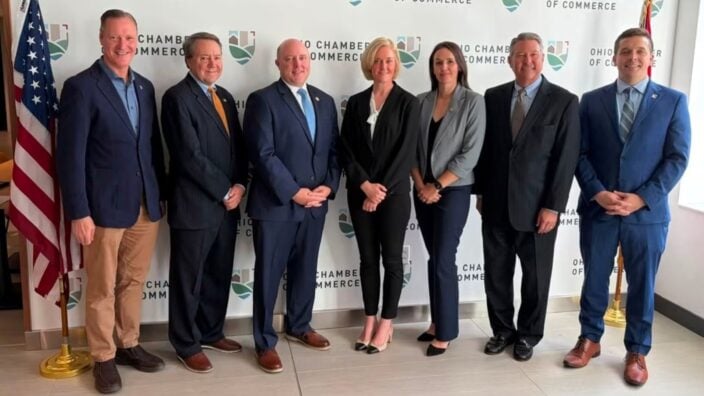
Five of Ohio’s leading business organizations, including Ohio Farm Bureau, announced support this week for Justice Dan Hawkins and Colleen O’Donnell in the 2026 elections for the Ohio Supreme Court.
Read More
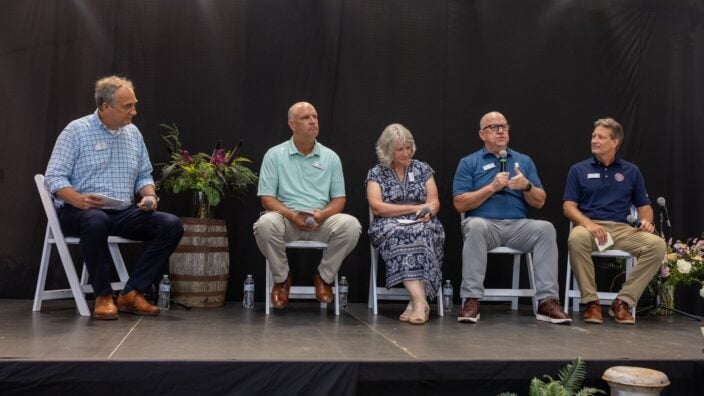
The 16th annual Cultivating a Cure welcomed more than 320 attendees and raised $151,053 to support cancer treatment and prevention research.
Read More

Ohio Farm Bureau is accepting applications for the Discussion Meet, Excellence in Agriculture, and Outstanding Young Farmer 2027 contests.
Read More

At the 2026 Sale of Champions, Ohio Farm Bureau, along with partners Bob Evans Farms and Nationwide, purchased the Grand Champion Market Barrow exhibited by Parker Elchinger of Henry County.
Read More
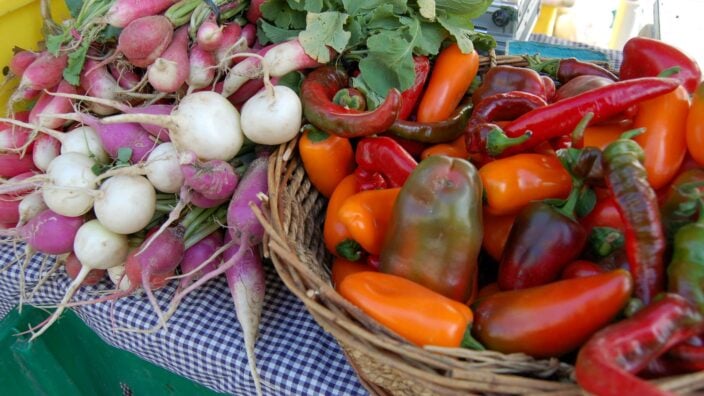
Ohio Farm Bureau and the Ohio Produce Growers and Marketers Association are encouraging Ohioans to support local fruit and vegetable growers while following recommended food safety practices.
Read More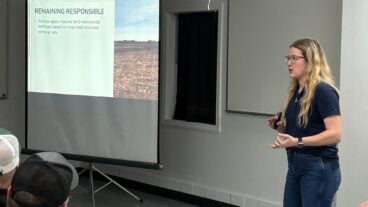
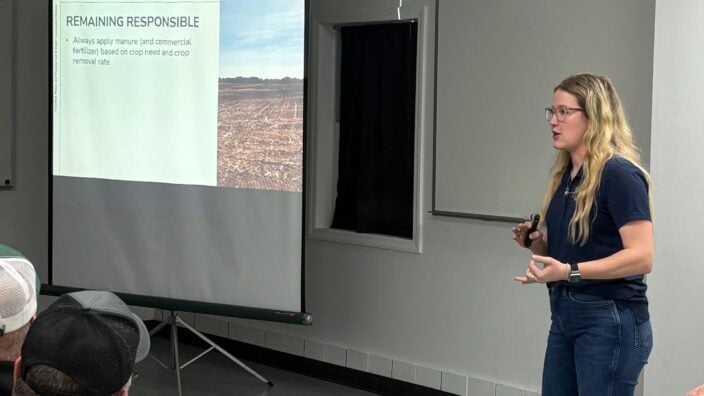
Meet Hannah Ziegler, nutrient management technician and social media content creator for Crawford and Wyandot Soil and Water Conservation Districts.
Read More
Ohio Farm Bureau supports responsible economic development and will continue to advocate for policies that protect Ohio’s water resources, farmland and rural communities.
Read More
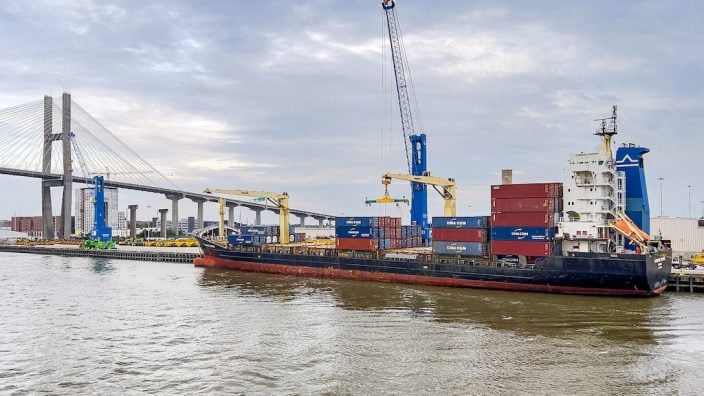
Dr. Ian Sheldon joins the podcast to explain the history of USMCA, what recent decisions mean for the agreement and why its future matters for Ohio agriculture.
Read More