








Applications for Ohio Farm Bureau Health Plans now available
Members have three ways to apply: contacting a certified agent, calling 833-468-4280 or visiting ohiofarmbureauhealthplans.org.
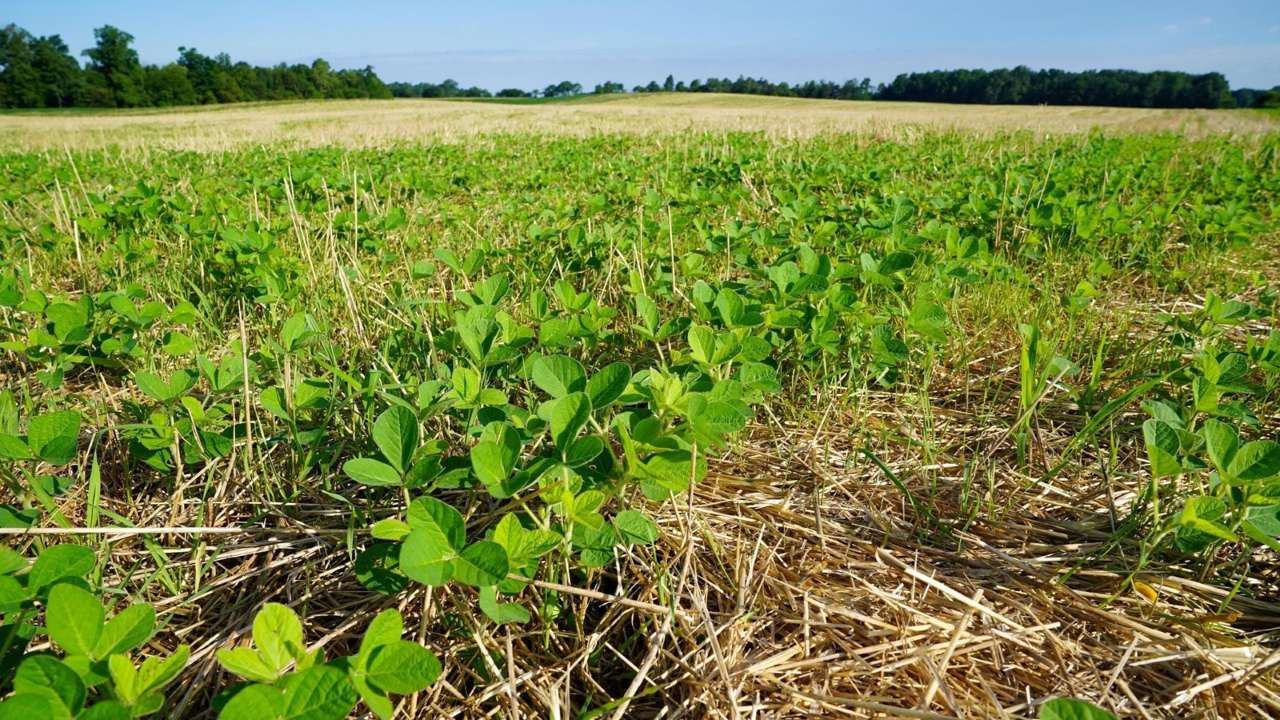
Read MoreShortly after the Phase One trade deal was struck between the U.S. and China, the final tranche of the latest Market Facilitation Program (MFP), representing up to 25% of the 2019 program allotment, was delivered to farmers. A de-escalation to the 18-month trade war is in sight and although USDA has not made mention of future MFP payments, some experts wonder if there is a need for another round of funding allocated to farmers this year.
The discovery period for crop insurance levels for corn and soybeans, based on the futures prices, happens every February. This sets the base price for individual revenue and yield insurance products and prevent plant payments, which were heavily utilized in 2019.
“The fact that farmers are not seeing the benefit of new trade deals in the form of higher exports has led to a decrease in the U.S. soybean price,” said Ben Brown, assistant professor of professional practice in agricultural risk management with Ohio State’s College of Food, Agricultural and Environmental Sciences. “Because of that, I think there is some justification to provide an income support to producers.”
Ohio farmers realized some significant MFP payments in 2019, averaging $70 per acre. Due to the wet planting season, MFP payments on prevent plant acres were at most $15 per acre and low yields across parts of the state triggered crop insurance payments as well.
“When you add that all up, the 2019 returns per acre for corn was estimated at $18 per acre,” Brown said. “Looking at 2020 with no MFP payments announced and an average Ohio corn yield of 174 bushels, we are calculating a loss of $35 per acre. So the impact of a potential MFP in 2020 could be the difference between losing money or coming out with a little income left in the pocket to support our farms across the state.”
Brown says one of the downfalls of the MFP program is that farmers aren’t certain if or when those payments are coming and how much they might be. He encourages producers to stay away from making management decisions based on expectations from the previous year.


Members have three ways to apply: contacting a certified agent, calling 833-468-4280 or visiting ohiofarmbureauhealthplans.org.
Read More
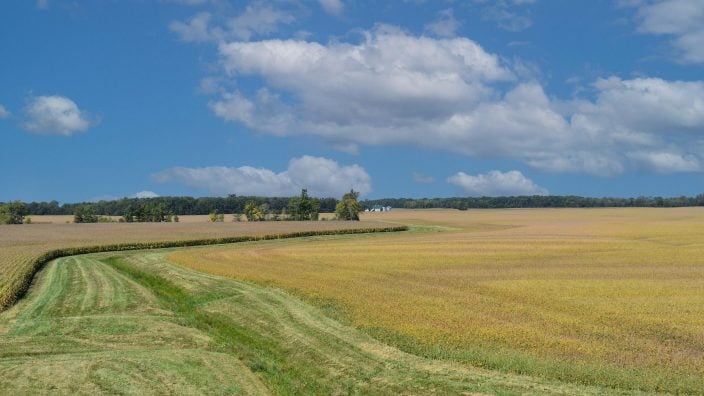
These discussions should not begin and end with a developer’s offer. Identifying family goals now gives the family something to plan around.
Read More

Ohio Farm Bureau joined leaders from across Ohio’s food and agriculture industry this week to pack 10,000 meals for central…
Read More
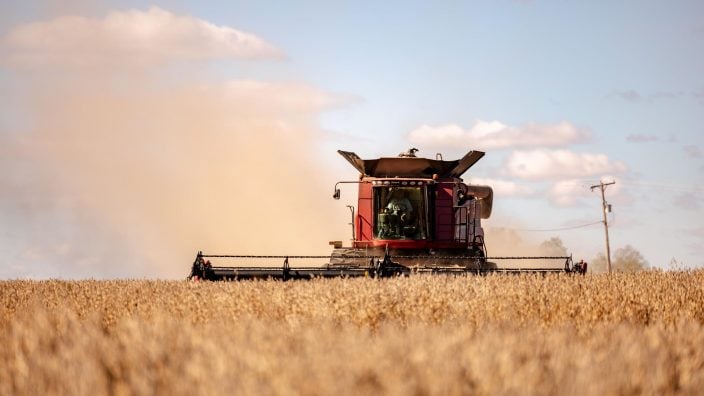
The administration recently issued an executive order easing restrictions on the use of tax-exempt dyed diesel fuel for on-road agricultural transportation.
Read More
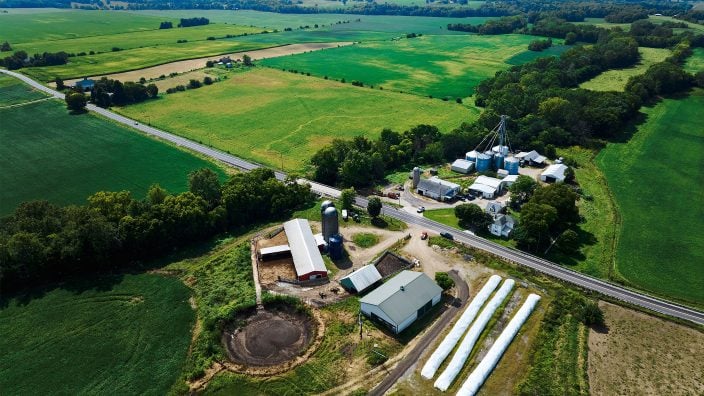
Ohio Farm Bureau Associate General Counsel Leah Curtis explains how the eminent domain process works in Ohio, what ‘quick take’ means and when it can be used.
Read More

As fuel prices skyrocket across the state, lawmakers are preparing to return to the Statehouse to vote on the temporary suspension of Ohio’s gas tax.
Read More

Since 1984, the Conservation Farm Family Awards program has recognized Ohio farm families for their exemplary efforts conserving soil, water, woodland, wildlife, and other natural resources.
Read More

Meet Joe Everett, a Shelby County Farm Bureau Young Ag Professional who has dedicated his life to service, both in uniform and within his local community.
Read More

A year-end review provides an opportunity to evaluate your operation’s financial position, discuss future goals and develop strategies for the upcoming season.
Read More

Ohio Farm Bureau has created a new guide to help members better understand the laws, regulations and risk considerations that come with opening their farms to the public.
Read More