





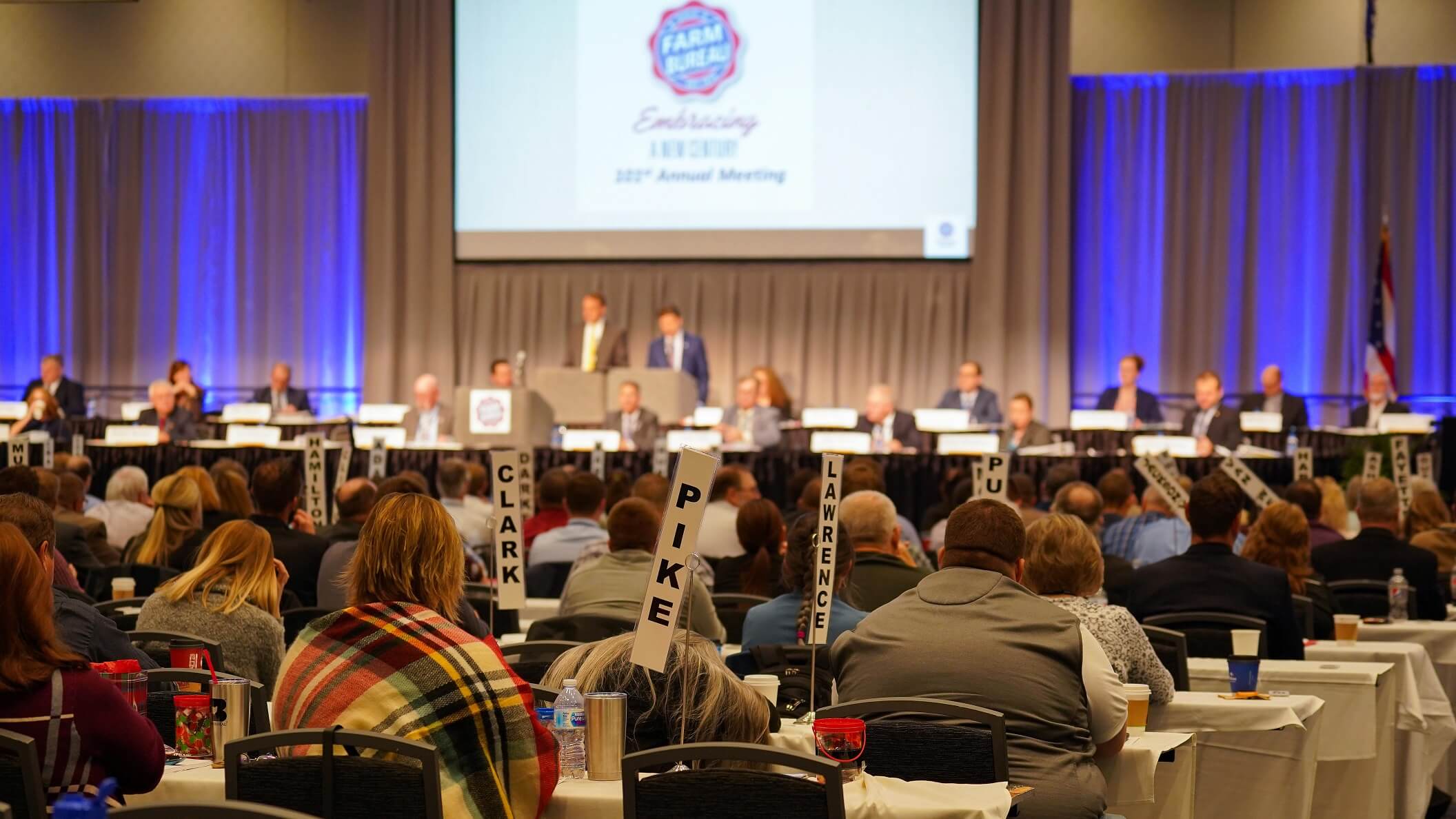

Farmer’s Guide to Trucking Regulations available to Ohio Farm Bureau members
The guide includes a farm driver checklist, overview of state and federal regulations and exemptions, CDL qualifications and more.
Read More
When times are tight in agriculture, successful farmers and ranchers don’t throw in the towel. They find a way to make things work, even if it means trying something completely new to sustain operational revenue.
That impulse to sustain an operation combined with the spike in demand for farm-direct meat, produce and other ag products spawned by the COVID-19 pandemic rightfully compelled many growers to explore selling direct and managing more of their supply chain as ways to maintain revenue on operations adversely affected by the virus and the angst it’s created. Selling direct during the pandemic not only enabled some growers to make up for the short-term financial shortfall but also open new long-term revenue streams.
New on-farm ventures like marketing meat directly to consumers or creating an agritourism attraction can create new revenue streams, but they can also open up new risk exposure. When diversifying an operation, a good starting point is acknowledging your tolerance for the types of risks you may encounter in the process. Then, work with a Nationwide farm-certified agent to determine what type of coverage is needed to protect a business from these risks based on your general risk preferences.
“People are considering how to meet the farm-direct demand, because it’s an opportunity to regain some revenue lost because of COVID-19,” according to Nationwide Associate Vice President for Agribusiness Underwriting Erin Cumings. “We have farmers of all types and sizes looking at new revenue streams for their operations. On smaller farms, it’s more about opportunities to be involved in the farm, like agritourism and buying direct, while on larger farms, it’s more about figuring out how to control more of the value chain.”
The right farm or ranch policy can protect property and provide coverage from any new liabilities that accompany the diversification of an operation. The first step in finding which policy type and coverage level is right for you is to determine what will best meet your needs based on your risk tolerance—the level of risk you’re willing to endure—as well as the liability the business diversification will create. It’s a combination of introspection about your attitude toward risk, what you are willing and able to pay for liability protection, and analysis of the new risks of the ag business diversification you’d like to introduce to your operation.
“It’s really important to consider your property and any safeguards you need to protect yourself from personal liabilities and property damage,” Cumings said. “There are major differences between having a roadside fruit and vegetable stand at the end of your driveway and a you-pick operation in which you have visitors directly on your farm.”
Beyond a basic assessment of the additional risk being taken on in diversifying a farm or ranch with a new venture, it’s important to consider revenue expectations and match them with the right insurance policy. As a rule of thumb, there’s a direct relationship between increasing risk and revenue potential, and realistic expectations for the latter will help ensure you’re enlisting adequate risk exposure protection.
“Just like revenue increases with the amount of risk, so does insurance. If you plan to sell $10,000 worth of tomatoes, that’s a lot. But from a risk standpoint, it’s much less than selling $10,000 worth of meat direct from the farm,” Cumings said. “There are more food safety rules around meat, for example, so you’re taking on more risk.”
Endorsed coverage levels range in cost from an additional $100 added to an existing whole-farm policy to a broader specific policy to over the entire new venture. Policy costs vary based on the size and type of operation, Cumings said.
Adequate insurance coverage for a new farm business venture requires direct attention to the farm or ranch. Most Nationwide farm-certified agents have years of farm experience in different diversification options and the expertise to advise on the best insurance options. While COVID-19 may have hampered farm revenue potential in the short term, long-term financial viability is possible with the right diversification tactics and risk exposure protection strategy.




The guide includes a farm driver checklist, overview of state and federal regulations and exemptions, CDL qualifications and more.
Read More


Ohio Farm Bureau provides opportunities, platforms and resources to help you develop your voice in the industry and give farmers a seat at the table with leaders and legislators.
Read More
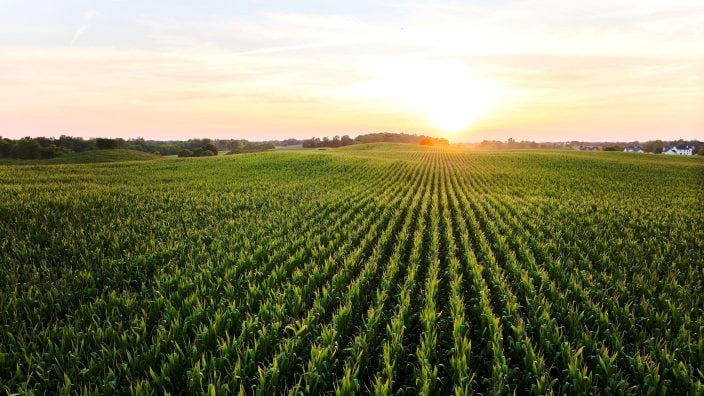
The emergency fuel waiver to allow the sale of summer gasoline blends containing 15% ethanol will lengthen the period during which Americans can continue buying E15 from June 1 to Sept. 15.
Read More
The Small-Scale Food Business Guide covers federal and state regulations for selling food products such as raw meat, dairy, eggs, baked goods, cottage foods, fruits and vegetables, honey and more.
Read More
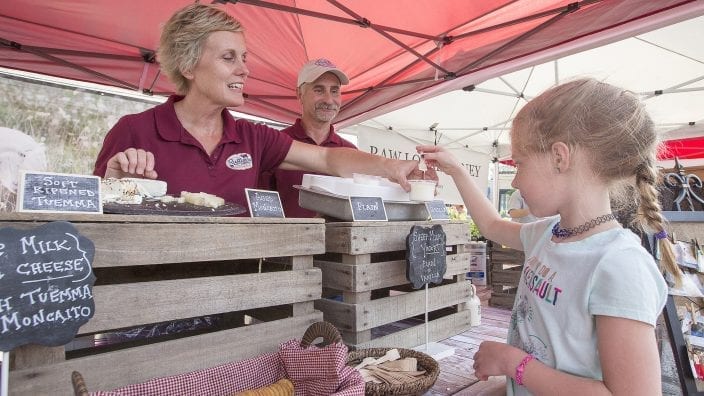
New resources and technology are broadening the different types of sales tools and strategies available to farmers.
Read More
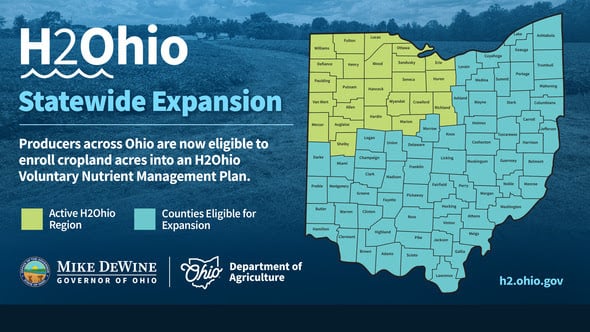
ODA will enroll 500,000 acres into the program for a two-week sign-up period, beginning April 22, 2024, through May 6, 2024. Contact local SWCD offices to apply.
Read More

Katie Share of Columbus has been named ExploreAg and Youth Development Specialist for Ohio Farm Bureau.
Read More

Mary Klopfenstein of Delphos has been named Young Ag Professional and Ag Literacy Program Specialist for Ohio Farm Bureau.
Read More
The plan has been updated to give sole proprietors access to more rate stability and a smart solution that offers potential savings on health care.
Read More

The American Farm Bureau Federation, in partnership with Farm Credit, is seeking entrepreneurs to apply online by June 15 for the 2025 Farm Bureau Ag Innovation Challenge.
Read More