


Applications for Ohio Farm Bureau Health Plans now available
Members have three ways to apply: contacting a certified agent, calling 833-468-4280 or visiting ohiofarmbureauhealthplans.org.
Read MoreEarlier this week, Ohio Farm Bureau’s state and county leaders were given an opportunity to visit exclusively with U.S. Department of Agriculture Secretary Sonny Perdue. Topics covered included trade, dairy pricing, labor and water quality.
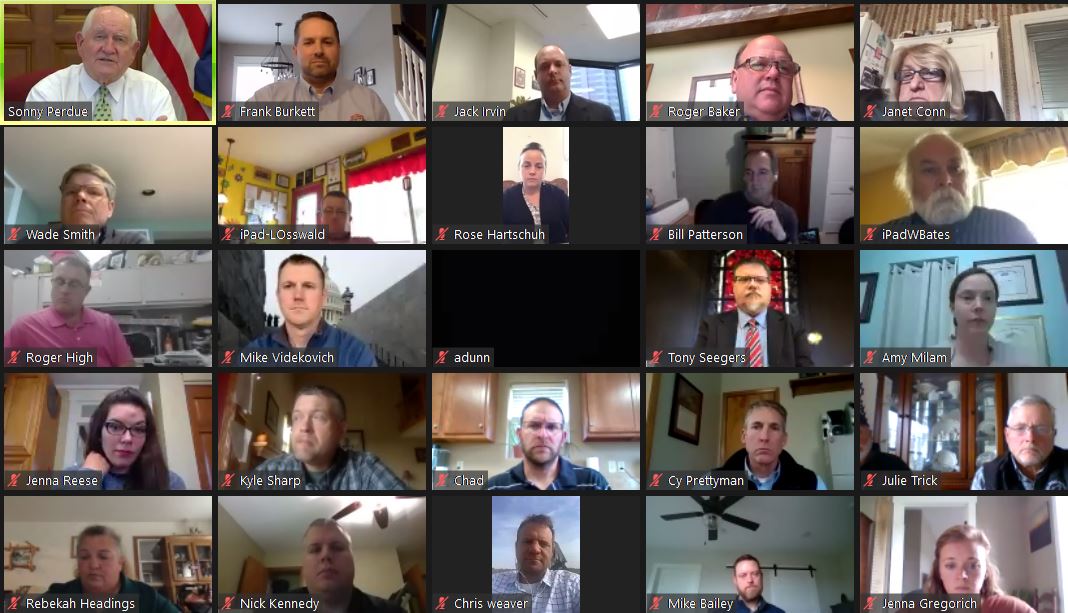
OFBF president Frank Burkett expressed his appreciation for programs like both Market Facilitation Programs and both Coronavirus Food Assistance Programs that provided to farmers assistance through trade wars and the COVID-19 crisis, but also shared his concern for how sustainable these programs are and how farmers are looking for a more steady income from selling to the markets.
“I don’t know of a good, honest farmer that wouldn’t rather have a good crop at a fair price over a government check, but when you are not having a profitable year, those checks do come in pretty handy,” Perdue said. “The reality is that those programs are not sustainable and even though farm income has gone up, as a farmer you don’t feel like it because you are not earning it across the scales, but through the mailbox.”
Perdue said that the new trade deals with Japan, China, Mexico and Canada appear to be paying off, as commodity prices are higher than they have been in some time.
Mike Videkovich, who represents District 15 on OFBF’s Board of Trustees and farms in Fairfield County, told the secretary that he was alarmed by the price differential between what the meat packers were receiving as compared to what was being seen at the farmer level. He also asked how USDA can create more competition and more domestic and regional processors across the state and the country.
Perdue said the price disparity in the beef industry isn’t just alarming, it is obscene and the investigation into that issue continues. As for adding capacity at a more local level, Perdue said that he is suggesting to those in the cattle industry to form cooperatives much like those seen in the pork and poultry sectors in order to take the benefit from integrating those inordinate retail prices when they go up.
“We are also looking at any other flexibilities from a regulatory standpoint that may facilitate the ability for local processors to participate,” Perdue said. “The consumer really likes that locally grown product so we want to help the consumer to have the availability there.”
On the regulatory front, Perdue talked about the unusual, but necessary relationship between his department and the U.S. EPA. He said both entities have worked together nicely, realizing the decisions they make, individually and collectively, have a major impact on agriculture and how the farmer does their job and applauded the new Clean Water Rule from EPA, that replaced the Waters of The U.S. rule earlier this year.


Members have three ways to apply: contacting a certified agent, calling 833-468-4280 or visiting ohiofarmbureauhealthplans.org.
Read More
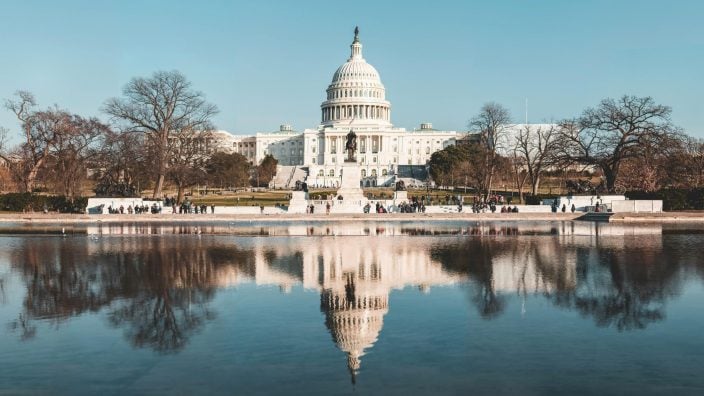
County Farm Bureau leaders from all 88 Ohio counties are in the nation’s capital March 10-12, 2026 for the County Presidents’ Trip to Washington, D.C.
Read More
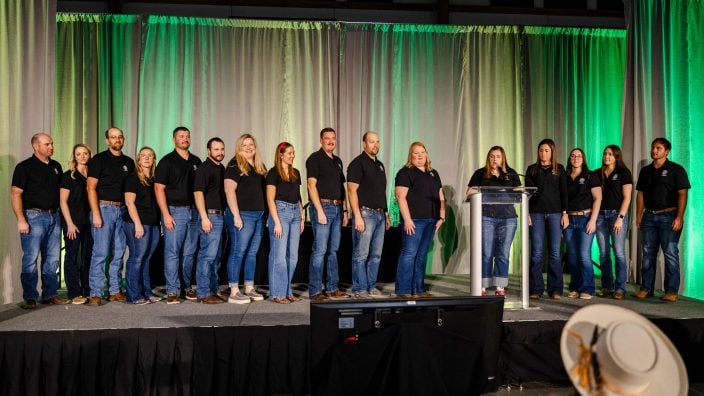
Members ages 18-34 who are interested in developing their leadership skills and enhancing programming for their peers should apply.
Read More

Senate Bill 328 is legislation designed to strengthen career-connected learning and better prepare students for Ohio’s workforce needs.
Read More

With the Family Forest Carbon Program, you can have a successful farm and get paid to grow healthy forests.
Read More
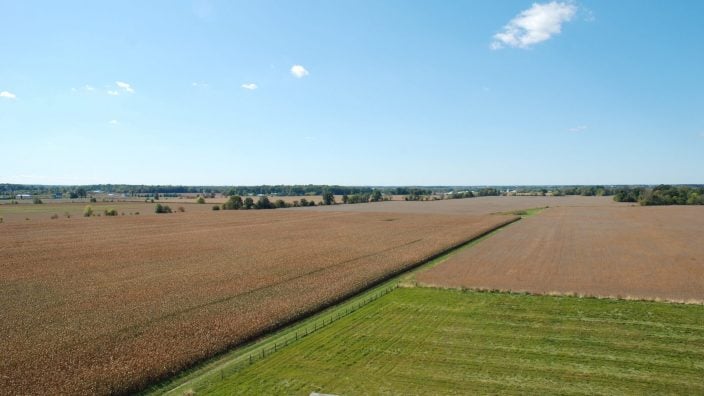
Ohio Farm Bureau recently sent a letter to Congress calling for the swift passage of the Farm, Food, and National Security Act of 2026 (HR 7567).
Read More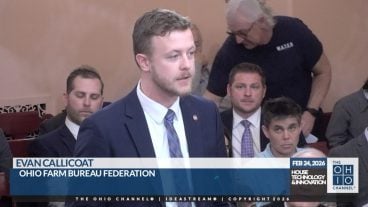
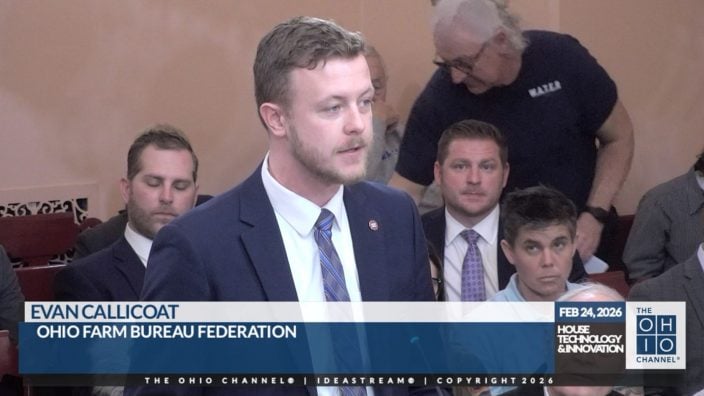
House Bill 646 would establish a Data Center Study Commission to examine the impact of rapid data center development across the state.
Read More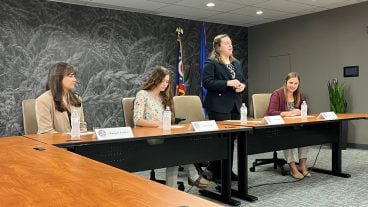
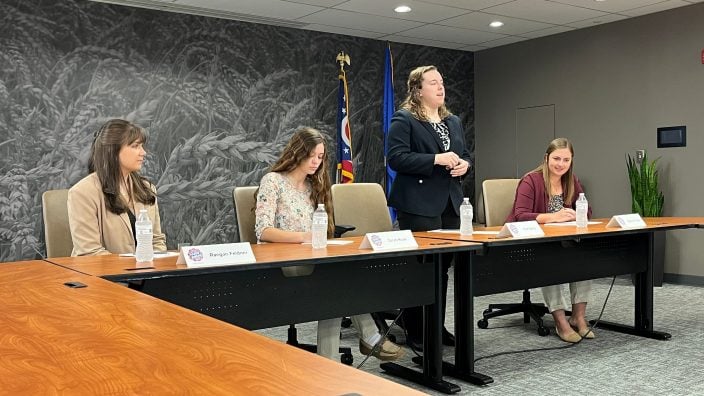
Collegiate Farm Bureau serves as a connection to current industry professionals and equips the next generation with the essential tools and resources needed to excel in their careers.
Read More

Ohio Farm Bureau members met one-on-one with state legislators and staff to discuss policy priorities impacting Ohio’s farms and rural communities.
Read More

Legacy nutrient deductions enable new farmland owners to claim deductions on the nutrients within the soil on which healthy crops depend.
Read More