




Applications for Ohio Farm Bureau Health Plans now available
Members have three ways to apply: contacting a certified agent, calling 833-468-4280 or visiting ohiofarmbureauhealthplans.org.
Read MoreHello, everyone! Summer is winding down and kids will be heading back to school soon. This is the time of year that we start to see an increase in calls from farmers and gardeners as disease issues grow in frequency.
The end of July through August are the peak season for diseases due to the combination of high humidity, shorter days and cooler nights, which help fungi grow and spread. I thought I would take this opportunity to talk about some of the frequent problems I have seen this year.
Tomatoes are a yearly challenge with Septoria leaf spot, early blight and late blight, and this year is no different. Unfortunately all of these diseases are very common in our area.
Leaf spot is the easiest of these three to control in a home garden as you can typically just pull off the diseased leaf. Early and late blight are a whole different story, however.
Early blight usually arrives in mid-July in Trumbull County and typically will start infecting the lowest (oldest) leaves on the plant first, so it looks like the plant is dying from the bottom up. Typically you will not see any mold on the sunken lesions found on the leaves.
Similar to early blight, late blight will start infecting the tomato plant from the bottom up but typically arrives in August and can be distinguished by brown spots on the leaves, each of which are surrounded by a fuzzy ring of mold.
Cucurbit crops like cucumbers, zucchini, squash and pumpkins are prone to a few major diseases. The biggest issue is downy mildew, which will create a mosaic pattern of yellow and green shapes on the plant’s leaves.
While this is typically the largest issue for these plants, our recent dry weather has helped keep it at bay. However, if we see long periods of wet weather as we saw earlier this season, it certainly still could rear its ugly head.
The second issue I have seen on cucurbits this year is bacterial wilt, which spreads by insects as they feed on one diseased plant, and physically carry the bacteria to another plant. Controlling this disease can be difficult because you have to first control the insects. If your plants are flowering, you should not use an insecticide because it will kill any pollinators that make contact with the pesticide.
Our conditions have been rather dry this year and this is causing some of our landscape and ornamental plants to show diseases that in a “normal” year would not be present. One disease that arrived earlier this summer on maple trees is maple leaf blister and anthracnose. This disease will cause large portions of the leaf to die and turn a dark black color.
If you look at just about any maple leaf in August, you are likely to see the beginnings of tar spot. This disease is aptly named as it looks like someone dripped tar all over the leaves.
These maple diseases should not pose any long-term threat to the tree.
Although not necessarily a disease, the late season frost that we had back in May did damage a lot of leaves, so some trees like Bradford Pear and crabapples started the summer looking a little thin.
This is another exceptional year for black rot on grapes. This disease starts out as small black-brown spots on the grape leaves, but it is really recognizable as the green grapes start to shrivel up and look like raisins. Trust me, these are no raisins. The black rot fungi will overwinter in the shriveled grapes and release spores to start the whole cycle again next year.
The best way to control these diseases (and all plant diseases) is to prevent them from arriving in the first place. Whether you are planting a vegetable garden, acres of soybeans or choosing a new shade tree, pick a variety that is disease resistant. Many of the diseases that I mentioned above can be avoided with the selection of resistant varieties.
The last line of defense is a fungicide spray.
Despite all of these challenges, if we get some rain, our gardens will be bursting at the seams. Growing produce or any food generally is very rewarding and I encourage you all to keep going even if your garden doesn’t perform as you expect in any given year.
Our garden had some successes (sweet corn) and some failures (cabbage worm), but I’m already planning for next year. And to be honest at this point, I wish some powdery mildew would come in and release me from our overabundance of zucchini.
If you have questions about gardening or plant diseases, you can find me under a pile of zucchini at the Ohio State University Trumbull County Extension office in Cortland.
Take care, and stay healthy.
Submitted by Lee Beers, an Agricultural and Natural Resources Educator for OSU Extension, Trumbull County. He can be reached by email.
OFBF Mission: Working together for Ohio farmers to advance agriculture and strengthen our communities.



Members have three ways to apply: contacting a certified agent, calling 833-468-4280 or visiting ohiofarmbureauhealthplans.org.
Read More
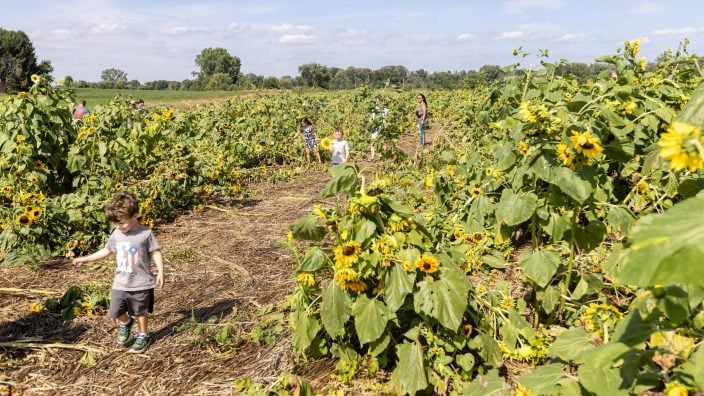
The online application period is open now, until June 30, for those who would like to apply to be featured on the America 250-Ohio Agritourism Trail.
Read More
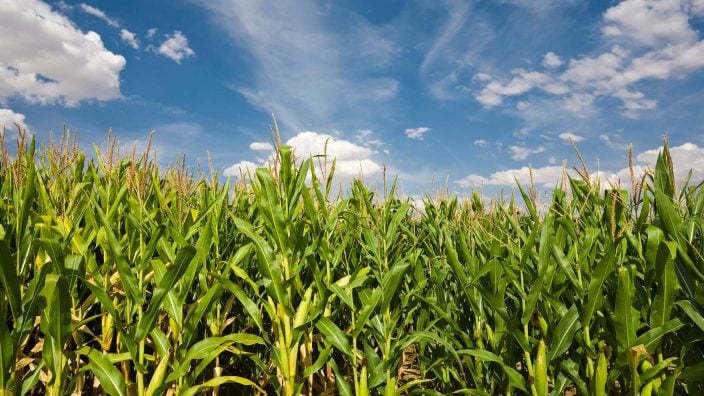
Ohio Farm Bureau testified in support of House Bill 773, legislation that would allow Ohio Turnpike travel plazas to offer E15.
Read More
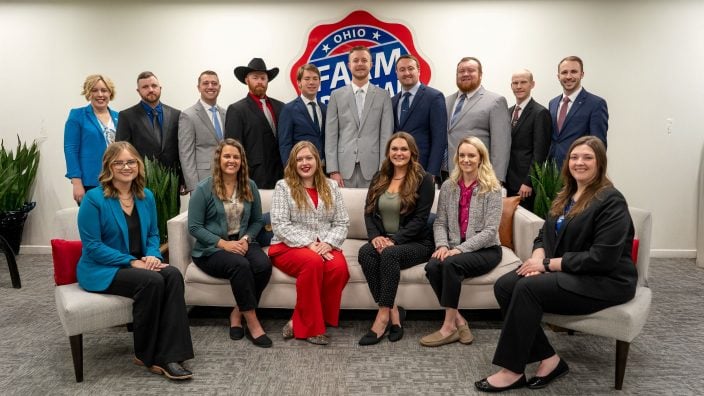
Ohio Farm Bureau is accepting applications for AgriPOWER Class XVII, its leadership and advocacy development program. Application deadline is Aug. 1, 2026.
Read More
Annually, the foundation recognizes Ohio students for their academic effort, community engagement and career interests that link agriculture to community service, education or scientific research.
Read More

Gov. Mike DeWine’s recent decision to pause consideration of any new data center tax exemption requests, through the Ohio Tax Credit Authority, comes as the Ohio General Assembly’s Joint Data Center Study Committee looks at the growth of data centers in Ohio.
Read More

Farm Bureau members are invited to participate June 1-7 in American Farm Bureau’s Summer Cookout Survey of retail food prices commonly used to prepare a cookout meal for 10 people.
Read More

Ohio’s electric distribution cooperatives will continue to support local economic growth, and that includes data centers that locate within their territories, but they’re committed to ensuring that growth does not come at the expense of current members.
Read More
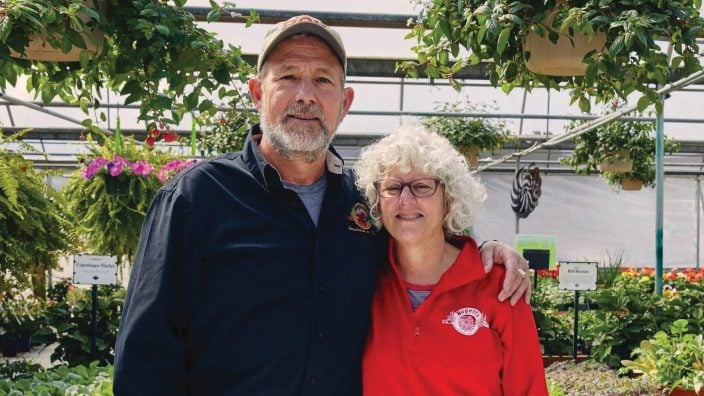
Industry professionals, community members, and golf enthusiasts are invited to take part in the 2026 Ohio Farm Bureau Foundation Golf Invitational June 22 at Pinnacle Golf Club in Grove City.
Read More
Growing our Generation e-newsletter features insights and ideas directly from Ohio’s young farmers and agricultural professionals. Sign up to get…
Read More