




Applications for Ohio Farm Bureau Health Plans now available
Members have three ways to apply: contacting a certified agent, calling 833-468-4280 or visiting ohiofarmbureauhealthplans.org.
Read MoreNew safety measures have been put in place to help those in agriculture be proactive when it comes to the health of farmers, their families, employees and everyone involved in an operation. For anti-ag activist groups, the hope is that the heightened awareness of the impacts a COVID-19 outbreak could have on the farm might find some farmers letting their guard down when it comes to other security efforts.
Farm security was one of the topics discussed at the 2020 Stakeholders Summit, hosted by the Animal Agriculture Alliance. As Brianna Schroeder, an attorney with Indiana-based Janzen Agricultural Law presented to the virtual audience at this year’s summit, she focused on important aspects to keeping the farm activist-free.
“Hiring is the first step you can take in protecting your farm,” Schroeder said. “We have had instances where activists will pose as potential employees and after biding their time will begin to take pictures or create videos and even approach other employees and offer them money in return for helping the activist’s cause.”
Schroeder said when hiring new employees, it is worth having an actual application. That will help gather some background information and some names of references for the potential employee. She adds that actually taking time to call those references is a practical way to be sure the applicant is a valid candidate. Another red flag is if the address on the application isn’t a current location in the area of the farm.
“You also need to have an employment agreement and it has to state that the employee will not take pictures or videos on the farm,” Schroeder said. “It should also include terms that the employee agrees that if they see anything that involves animal abuse or environmental hazards that they should immediately notify the manager or the owner.”
This shows that these issues are important to the farm and also gives the farm the leverage of a contract violation claim if the employee turns out to be an undercover activist and breaks the agreement in any way.
Schroeder also covered the importance of proper training when it comes to bringing new employees on the farm, but what farm security all boils down to is being vigilant.
“Vigilance could be as low tech as locking doors and gates to looking out for strange cars or delivery trucks on the farm or as high tech as motion-detect cameras,” Schroeder said. “Frequent check-ins with employees and managers and making sure all visitors to the farm are verified are other easy steps to make sure those on the farm are allowed to be there.”
Although Schroeder tells her clients to always be aware of what national anti-agriculture organizations are up to, some activists who might be in opposition of zoning or permitting measures happening in the area could be local.
“They may not always be as high tech as some of the well-funded national groups,” Schroeder said. “They will still be watching and may be using binoculars and drive bys to find things that may put the farm in a bad light, so keeping the farm neat and clean is a good first step and an easy thing we all can do.”
In addition, Ohio Farm Bureau members have access to the Livestock Farm Labor and Crisis Prevention Guide. This comprehensive handbook, which includes input from agricultural law attorneys, veterinarians, communications experts, policy experts, industry representatives and farmers, includes information on how to deal with employee disputes and public criticism as well as how to conduct background checks on applicants, what to put in an employee manual and how to create a crisis plan.



Members have three ways to apply: contacting a certified agent, calling 833-468-4280 or visiting ohiofarmbureauhealthplans.org.
Read More
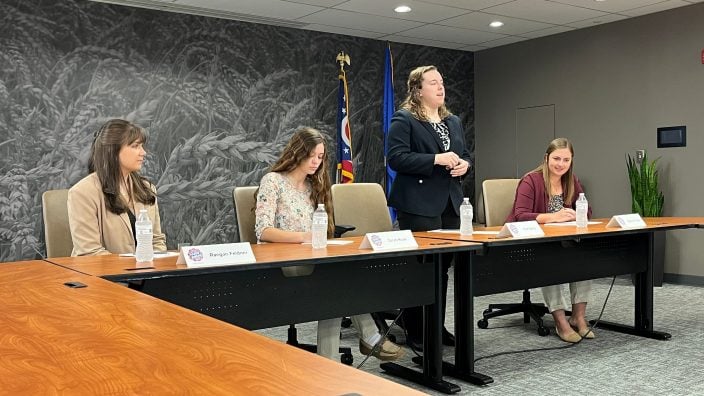
Ruth Beery of Wilmington College Collegiate Farm Bureau is the winner of Ohio Farm Bureau’s 2026 Collegiate Discussion Meet competition….
Read More

County Farm Bureau leaders from all 88 Ohio counties are in the nation’s capital March 10-12, 2026 for the County Presidents’ Trip to Washington, D.C.
Read More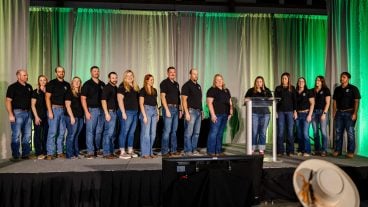
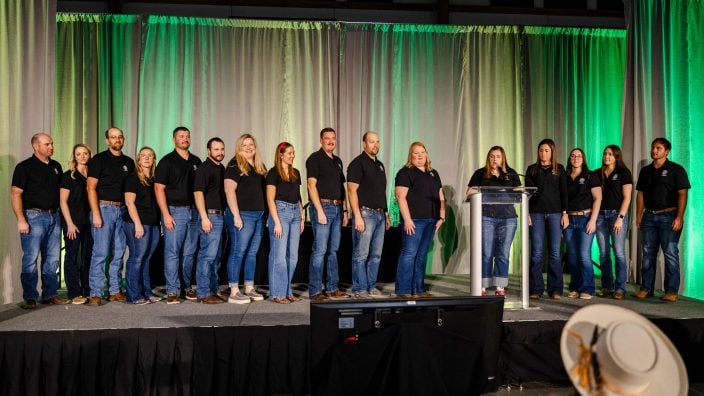
Members ages 18-34 who are interested in developing their leadership skills and enhancing programming for their peers should apply.
Read More

Senate Bill 328 is legislation designed to strengthen career-connected learning and better prepare students for Ohio’s workforce needs.
Read More

With the Family Forest Carbon Program, you can have a successful farm and get paid to grow healthy forests.
Read More
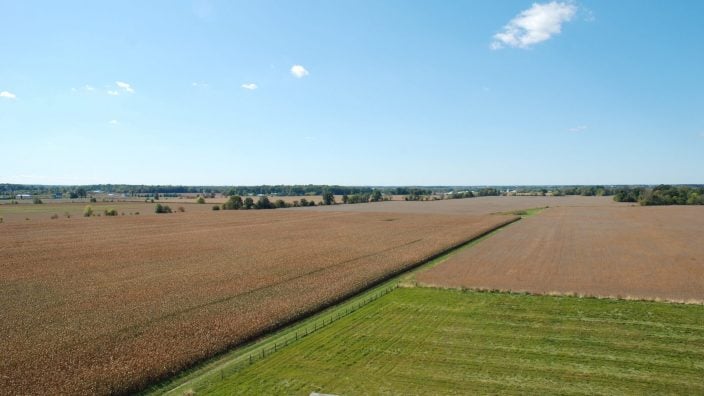
Ohio Farm Bureau recently sent a letter to Congress calling for the swift passage of the Farm, Food, and National Security Act of 2026 (HR 7567).
Read More
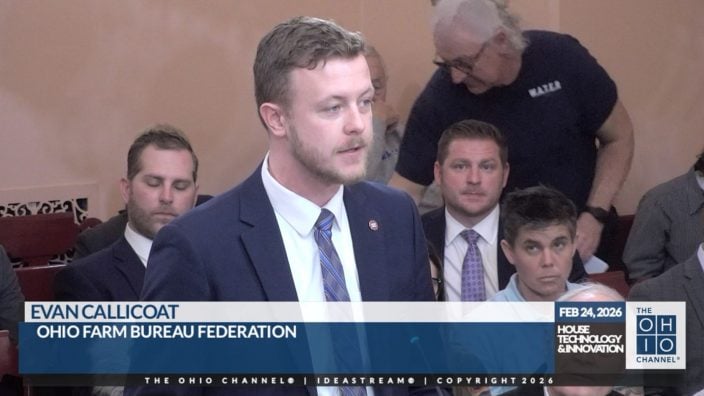
House Bill 646 would establish a Data Center Study Commission to examine the impact of rapid data center development across the state.
Read More
Collegiate Farm Bureau serves as a connection to current industry professionals and equips the next generation with the essential tools and resources needed to excel in their careers.
Read More

Ohio Farm Bureau members met one-on-one with state legislators and staff to discuss policy priorities impacting Ohio’s farms and rural communities.
Read More