

Ohio Farm Bureau supports expanded use of dyed diesel
The administration recently issued an executive order easing restrictions on the use of tax-exempt dyed diesel fuel for on-road agricultural transportation.
Read MoreIn response to the U.S. Environmental Protection Agency’s recent decision to prohibit the use of Enlist Duo and Enlist One herbicides in certain Ohio counties, Farm Bureau, along with the Ohio Corn & Wheat Growers Association and the Ohio Soybean Association, wrote a letter to EPA Administrator Michael Regan to voice their concerns about the new policy.
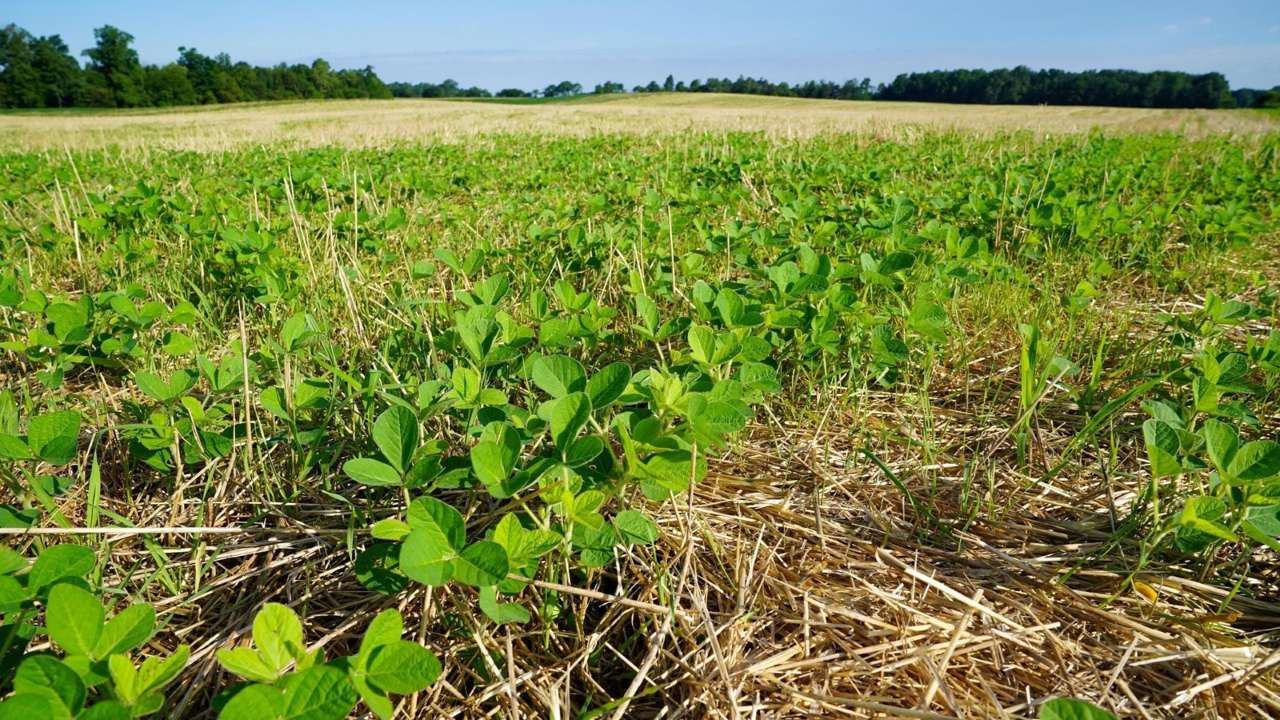
Twelve counties in Ohio are on the banned use list: Athens, Butler, Fairfield, Guernsey, Hamilton, Hocking, Morgan, Muskingum, Noble, Perry, Vinton and Washington, impacting nearly 270,000 soybean acres across the state.
“The restriction on use in certain counties came with no warning to producers and no logical implementation plan,” the groups said in the letter. “Farmers who have already purchased the product went to bed on January 10 thinking they had secured a crucial input in a time of scarce supply, only to wake up the next morning to find the EPA has prohibited its use. What are farmers who have made thousands of dollars in investment in this product supposed to do without time to account for this new regulatory restriction?”
The letter pointed out that in addition to the financial hit the EPA is handing down to these farmers, the decision leaves them without many options for soybean weed control. Very few products on the market can replace Enlist, and with current supply chain disruptions that continue to plague the country’s entire economy, the products that can are in extremely short supply.
The groups questioned why EPA’s decision came with virtually no communication and no answers to important questions like how were counties selected, how are the endangered species identified to trigger a prohibition of use selected, and why are portions of counties in some states subject to the ban while other states are facing whole county prohibitions on use?
“Farmers are angry, and rightly so,” the letter states. “The Biden administration needs to start to communicate with producers about these questions and account for the competitive disadvantage their decision has placed on farmers in these counties.”
In addition, the groups asked the administration to create a more open and transparent process as to how it intends to use the Endangered Species Act to evaluate agricultural products in the future.


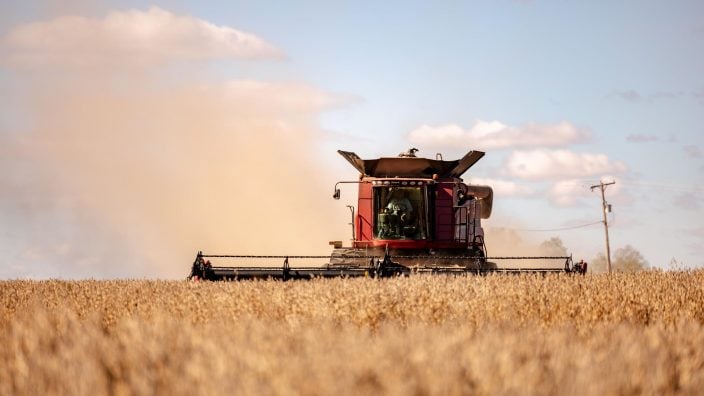
The administration recently issued an executive order easing restrictions on the use of tax-exempt dyed diesel fuel for on-road agricultural transportation.
Read More

Dr. Ian Sheldon joins the podcast to explain the history of USMCA, what recent decisions mean for the agreement and why its future matters for Ohio agriculture.
Read More
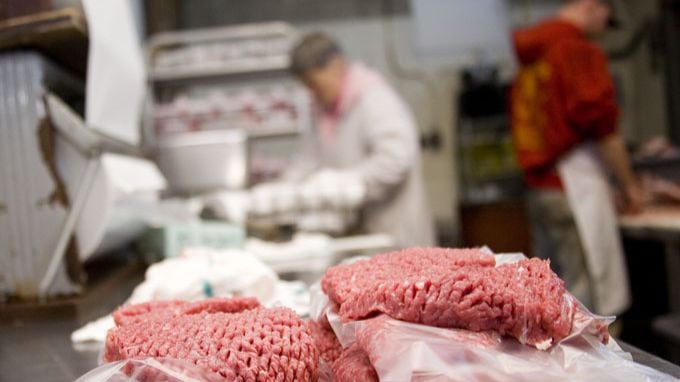
USDA is providing $60 million in support and funding opportunities for small and mid-sized meat processors across the country. Apply by Aug. 7.
Read More
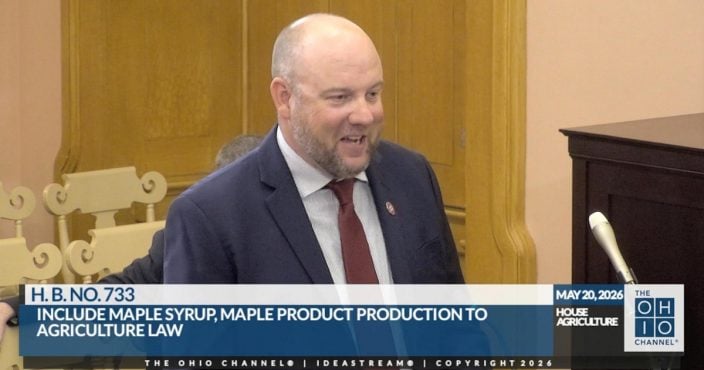
Introduced by Rep. Sarah Fowler Arthur (R-Ashtabula) and Rep. David Thomas (R-Jefferson), the bill would add trees cultivated for maple syrup production to Ohio’s statutory definition of agriculture.
Read More
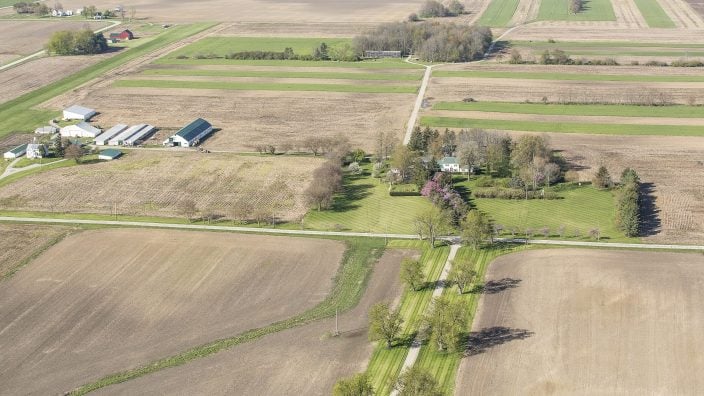
Ohio Farm Bureau shared members’ concerns about the rapid growth of data centers across the state and the long-term impacts on agriculture and rural communities.
Read More

Ohio Farm Bureau testified in support of House Bill 773, legislation that would allow Ohio Turnpike travel plazas to offer E15.
Read More
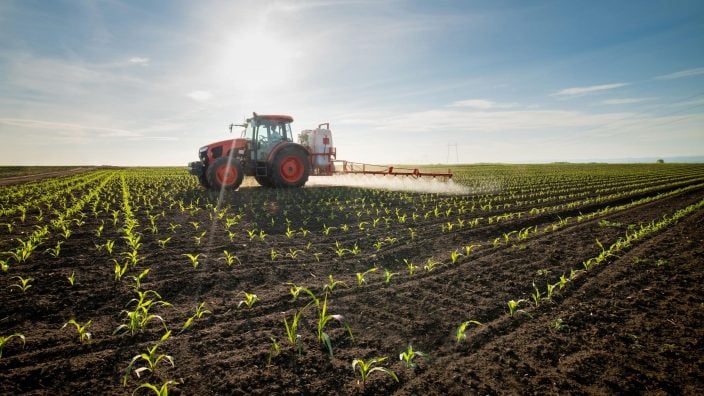
70% of America’s farmers say they can’t afford to purchase enough fertilizer to get them through the year.
Read More

EPA released new guidance allowing diesel equipment manufacturers to move away from traditional DEF quality sensors and use alternative technologies, such as nitrous oxide sensors.
Read More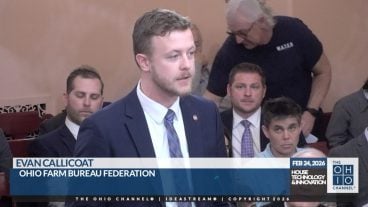
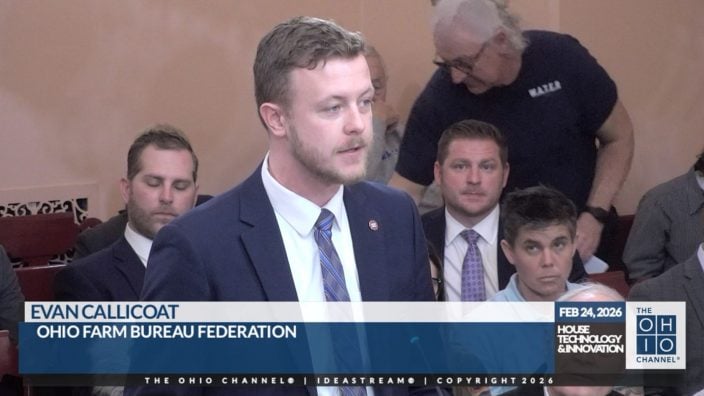
House Bill 646 would establish a Data Center Study Commission to examine the impact of rapid data center development across the state.
Read More
The plan provides a blueprint for policymakers and Ohio Farm Bureau members to bolster Ohio’s agriculture industry and our rural communities.
Read More