

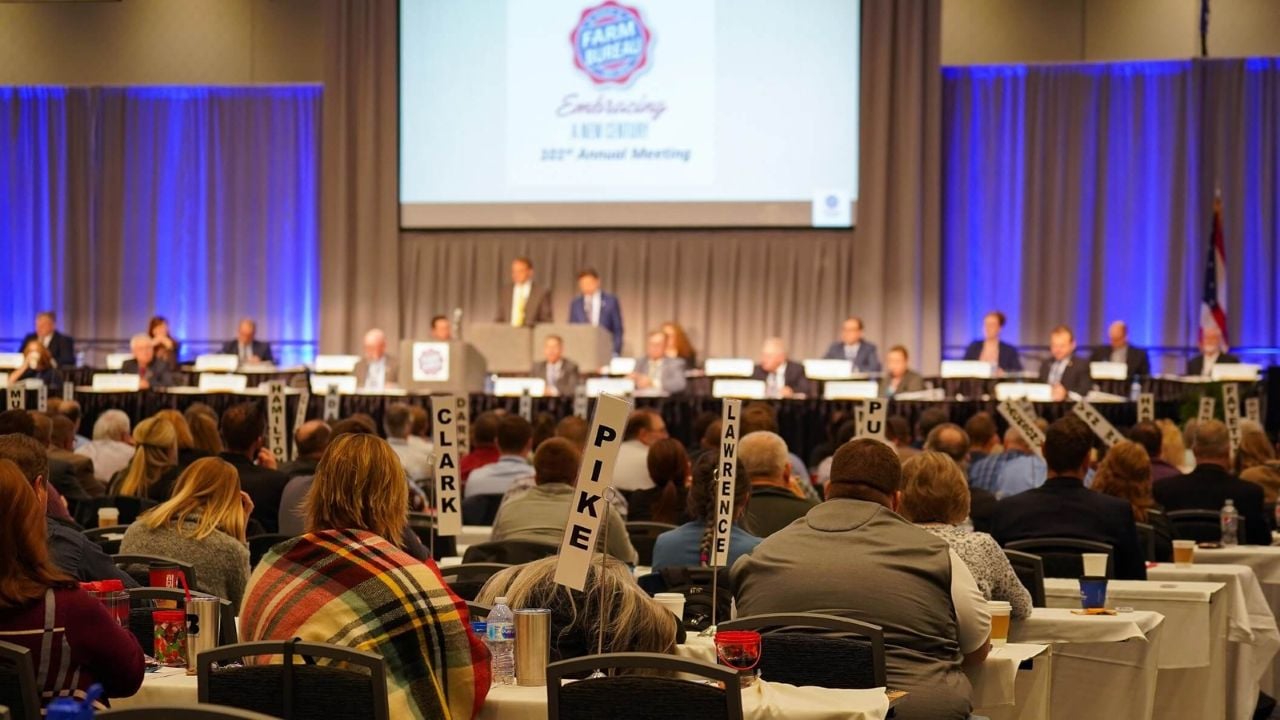
Ohio Farm Bureau supports expanded use of dyed diesel
The administration recently issued an executive order easing restrictions on the use of tax-exempt dyed diesel fuel for on-road agricultural transportation.
Read MoreApproved applicants will be allowed to remove up to 10 birds, which will be determined after consultation with USDA Wildlife Services.
Editor’s note: This article was updated Feb. 27, 2025.
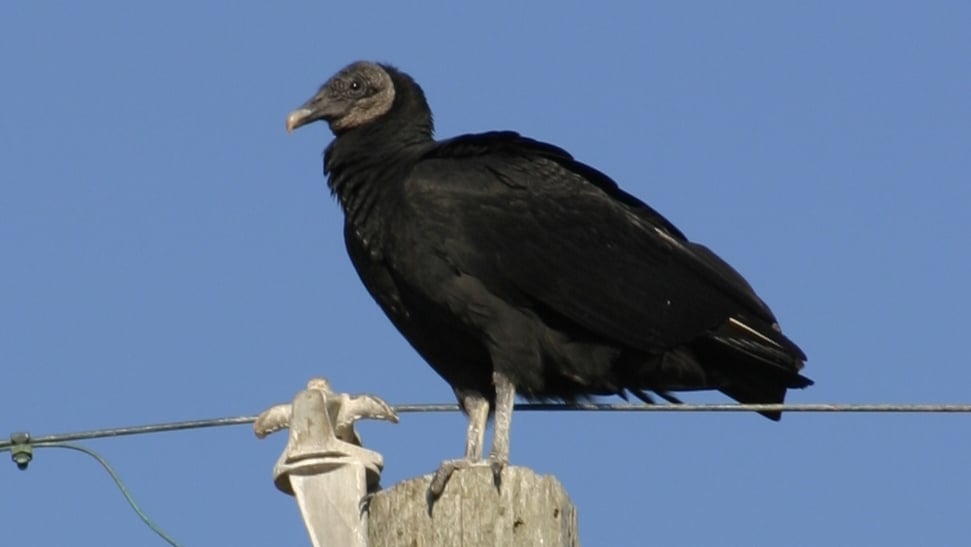
The black vulture population has increased in Ohio in recent years. These birds, which have a dark gray head and can be aggressive, should not be confused with the larger, less aggressive red-headed, turkey vulture.
“Black vultures are an extremely aggressive predator,” said Roger High, director of livestock with Ohio Farm Bureau. “They come into livestock farms of all types and attack the newborn animals and are very destructive.”
While black vultures can be extremely detrimental to livestock producers, these birds remain important to conservation and agriculture resources by cleaning up animal carcasses from the ecosystem. As migratory birds, black vultures are federally protected by the Migratory Bird Treaty Act, state laws and regulations, which means they can’t be killed or destroyed without a U.S. Fish and Wildlife Services Migratory Bird Depredation permit.
As a way to streamline the permitting process, the Ohio Department of Natural Resources has obtained a statewide depredation permit for black vultures from the U.S. Fish and Wildlife Service. ODNR will work with USDA Wildlife Services to issue sub-permits to livestock producers who are experiencing issues with black vultures. These sub-permits cover commercial livestock, including cattle, horses, sheep, goats and swine and are free to livestock producers.
“As these birds continue to migrate further into Ohio, we are hearing more and more from our members about the devastation these birds are causing,” High said. “These improvements match much of Ohio Farm Bureau’s policy on black vultures. We have been involved in many conversations with these agencies about this issue, so we appreciate the efforts being made for farmers across Ohio.”
Approved applicants will be allowed to remove up to 10 birds, which will be determined after consultation with USDA Wildlife Services. Applicants must agree to follow all rules and regulations required by USFWS in the ODNR statewide permit. The sub-permit is free of charge and requires almost no paperwork for the livestock producer.
Livestock producers should contact USDA Wildlife Services at 614-993-3444 or 1-866-4USDAWS for information on black vulture damage management.


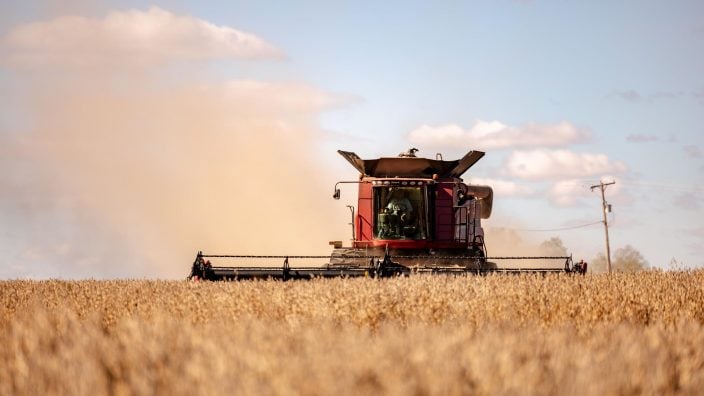
The administration recently issued an executive order easing restrictions on the use of tax-exempt dyed diesel fuel for on-road agricultural transportation.
Read More
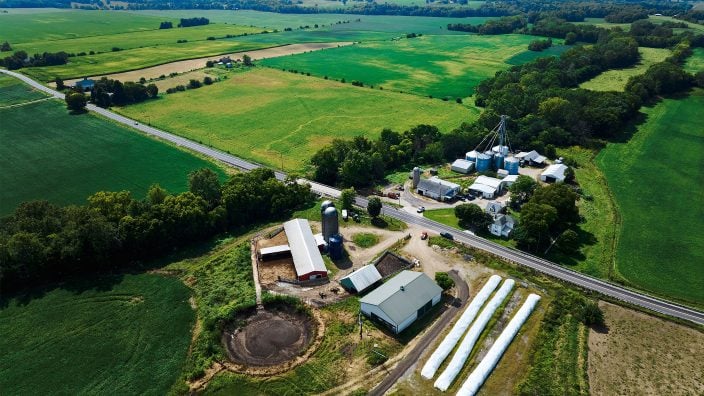
Ohio Farm Bureau Associate General Counsel Leah Curtis explains how the eminent domain process works in Ohio, what ‘quick take’ means and when it can be used.
Read More

As fuel prices skyrocket across the state, lawmakers are preparing to return to the Statehouse to vote on the temporary suspension of Ohio’s gas tax.
Read More

Ohio Farm Bureau has created a new guide to help members better understand the laws, regulations and risk considerations that come with opening their farms to the public.
Read More
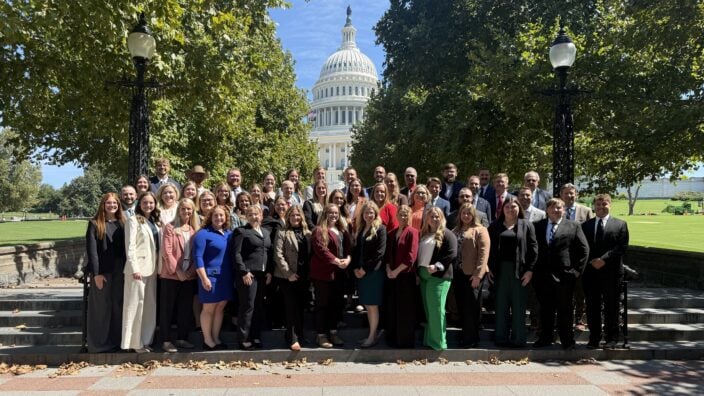
The groups received a firsthand look at agricultural policy, advocacy and leadership in the nation’s capital.
Read More

In response to an editorial published in Toledo Blade, Ohio Farm Bureau sent a letter sharing the decades-long commitment to conservation by Ohio farmers.
Read More
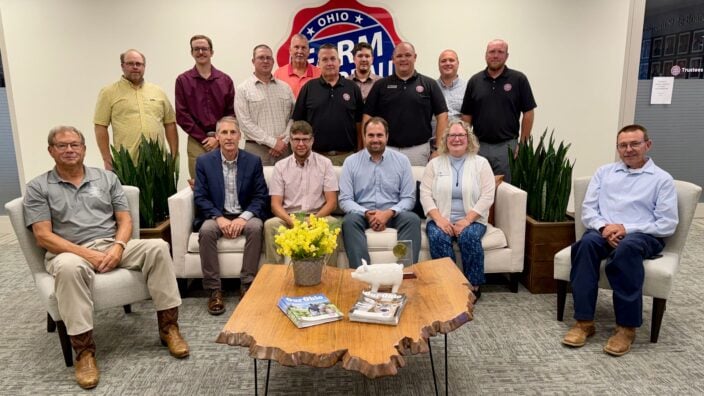
Twenty leaders have been named to the 2026 Ohio Farm Bureau Federation Policy Development Committee.
Read More
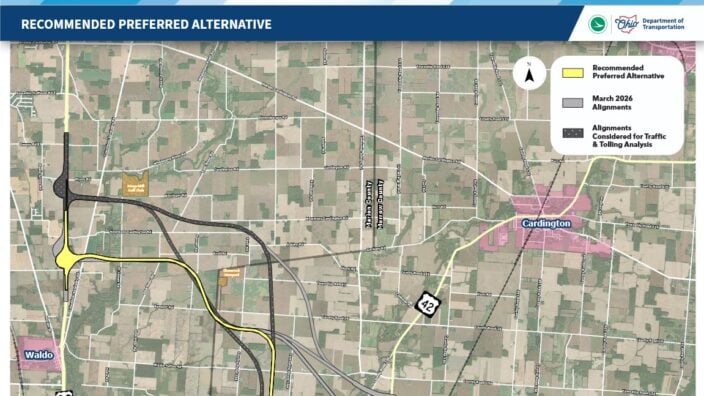
Ohio Farm Bureau will continue to ask the state to focus on the many road projects already needed to ensure the state’s transportation system is safe and efficient.
Read More
Leah Curtis, associate general counsel, joins to discuss how the process works, where things stand this year and how member ideas become priorities that guide the organization.
Read More

Acts of service aren’t a foreign concept to Joe Glassmeyer.
Read More