






Ohio Farm Bureau supports expanded use of dyed diesel
The administration recently issued an executive order easing restrictions on the use of tax-exempt dyed diesel fuel for on-road agricultural transportation.
Read MoreShortly after Russia moved forward with an attack on neighboring Ukraine, prices for corn, soybeans and wheat traded limit-higher overnight.
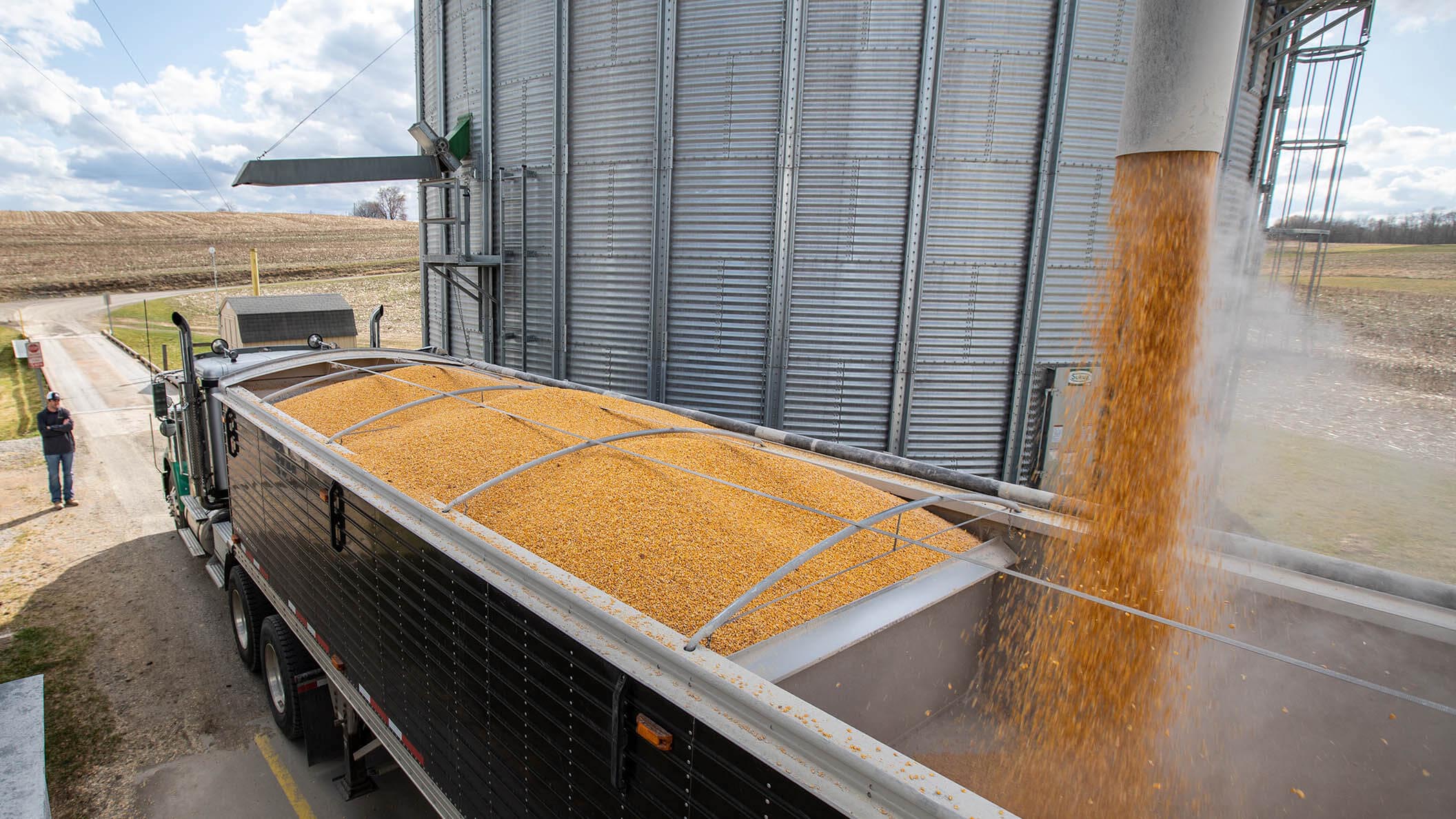
Today, the economies of the world are tied more closely than they have ever been. That often means that whatever is happening on the other side of the globe will have an impact on the U.S. economy. That couldn’t be more apparent than in the agricultural commodity markets, and that concept became even more evident when Russia moved forward with an attack on neighboring Ukraine. Shortly after the crisis began, prices for corn, soybeans and wheat traded limit-higher overnight.
“Prior to the conflict escalating, everyone assumed that if an invasion did occur that the market would be bullish, figuring that there would be less supplies available on the world marketplace because of Ukraine’s importance in the global corn and wheat trade, specifically,” said Bailey Elchinger, risk management consultant and regional director with StoneX. “The speed at which this has happened over the past few days is a little bit shocking to the markets though. When you look back through history, an invasion of this nature is not a common thing.”
Just as grain prices quickly climbed, so did the prices for other agricultural products.
“Global fertilizer prices also reacted strongly,” Elchinger said. “Urea was trading $160 higher per ton on Thursday morning and that was a direct reaction to fears of Ukraine and/or Russia limiting fertilizer or natural gas out of those countries.”
Many farmers found it hard to sit on their hands as the markets offered an opportunity to sell old crop corn above $7 a bushel, while other farmers wondered what the longer term scenarios might entail. Elchinger said there are important things to consider for new crop sales.
“First and foremost, know your cost of production and what price you have your inputs locked in at,” she said. “If you know those things, really start to study what your profit margin is today and know the amounts of crops you are willing to sell ahead of harvest and probably take some risk off of the table in doing so.”
Elchinger said a good relationship with your commodity buyer is key and to continue to stay in contact with them when it comes to your marketing plan. They can keep you accountable and will be able to shed some light on what may happen in the days ahead.
“The market is bound to be volatile,” Elchinger said. “You need to be sure that you are not open to too much risk in times like these.”


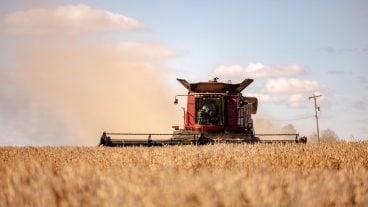
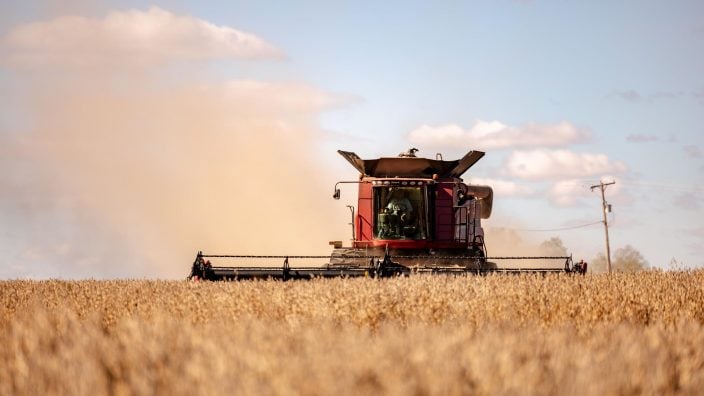
The administration recently issued an executive order easing restrictions on the use of tax-exempt dyed diesel fuel for on-road agricultural transportation.
Read More

Dr. Ian Sheldon joins the podcast to explain the history of USMCA, what recent decisions mean for the agreement and why its future matters for Ohio agriculture.
Read More
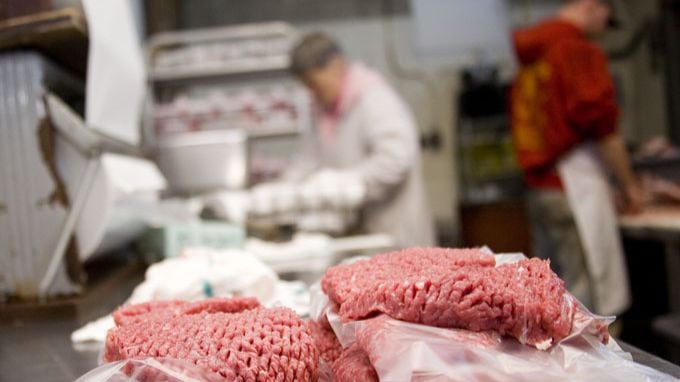
USDA is providing $60 million in support and funding opportunities for small and mid-sized meat processors across the country. Apply by Aug. 7.
Read More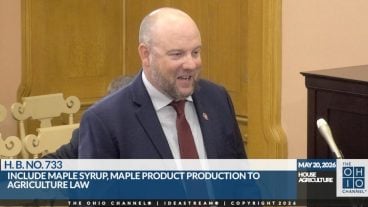
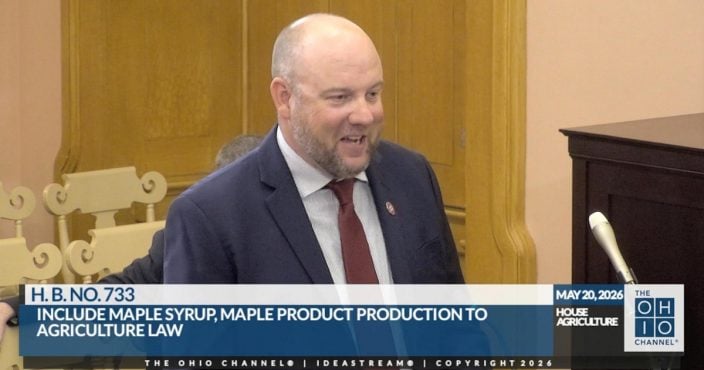
Introduced by Rep. Sarah Fowler Arthur (R-Ashtabula) and Rep. David Thomas (R-Jefferson), the bill would add trees cultivated for maple syrup production to Ohio’s statutory definition of agriculture.
Read More
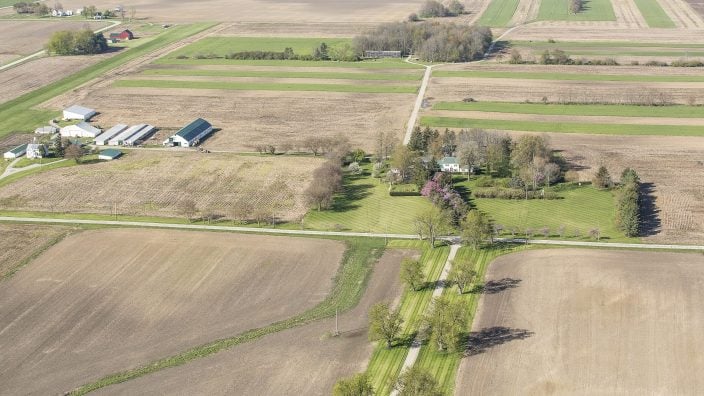
Ohio Farm Bureau shared members’ concerns about the rapid growth of data centers across the state and the long-term impacts on agriculture and rural communities.
Read More
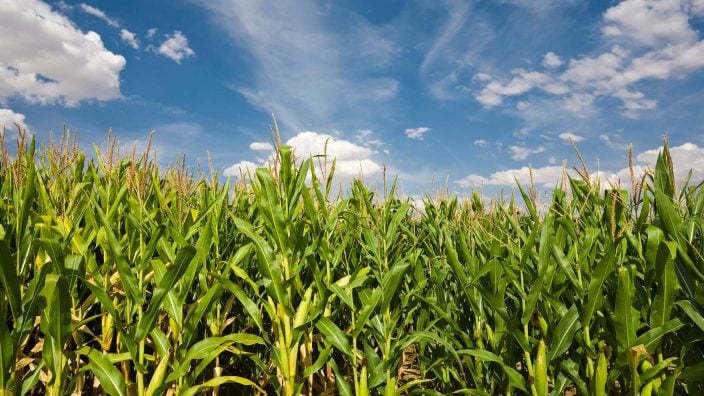
Ohio Farm Bureau testified in support of House Bill 773, legislation that would allow Ohio Turnpike travel plazas to offer E15.
Read More
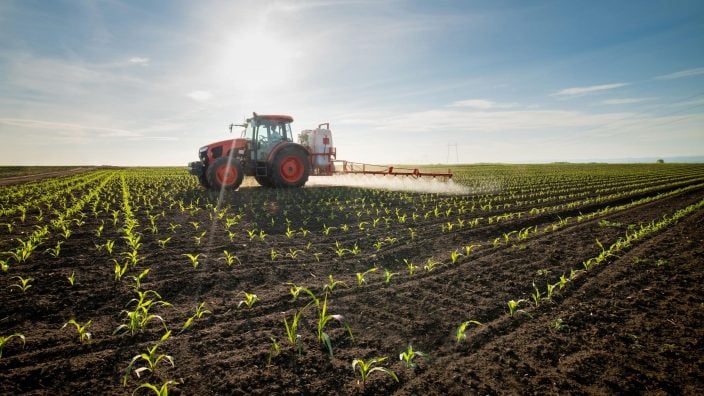
70% of America’s farmers say they can’t afford to purchase enough fertilizer to get them through the year.
Read More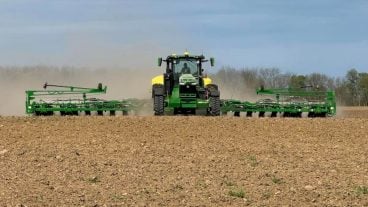

EPA released new guidance allowing diesel equipment manufacturers to move away from traditional DEF quality sensors and use alternative technologies, such as nitrous oxide sensors.
Read More
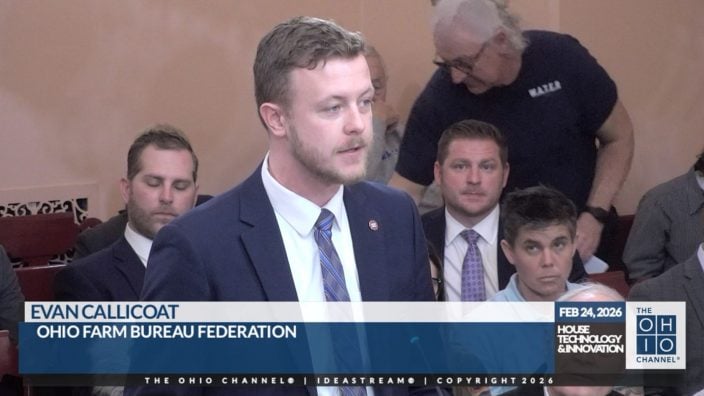
House Bill 646 would establish a Data Center Study Commission to examine the impact of rapid data center development across the state.
Read More

The plan provides a blueprint for policymakers and Ohio Farm Bureau members to bolster Ohio’s agriculture industry and our rural communities.
Read More