


Agritourism guide helps safely bring people to the farm
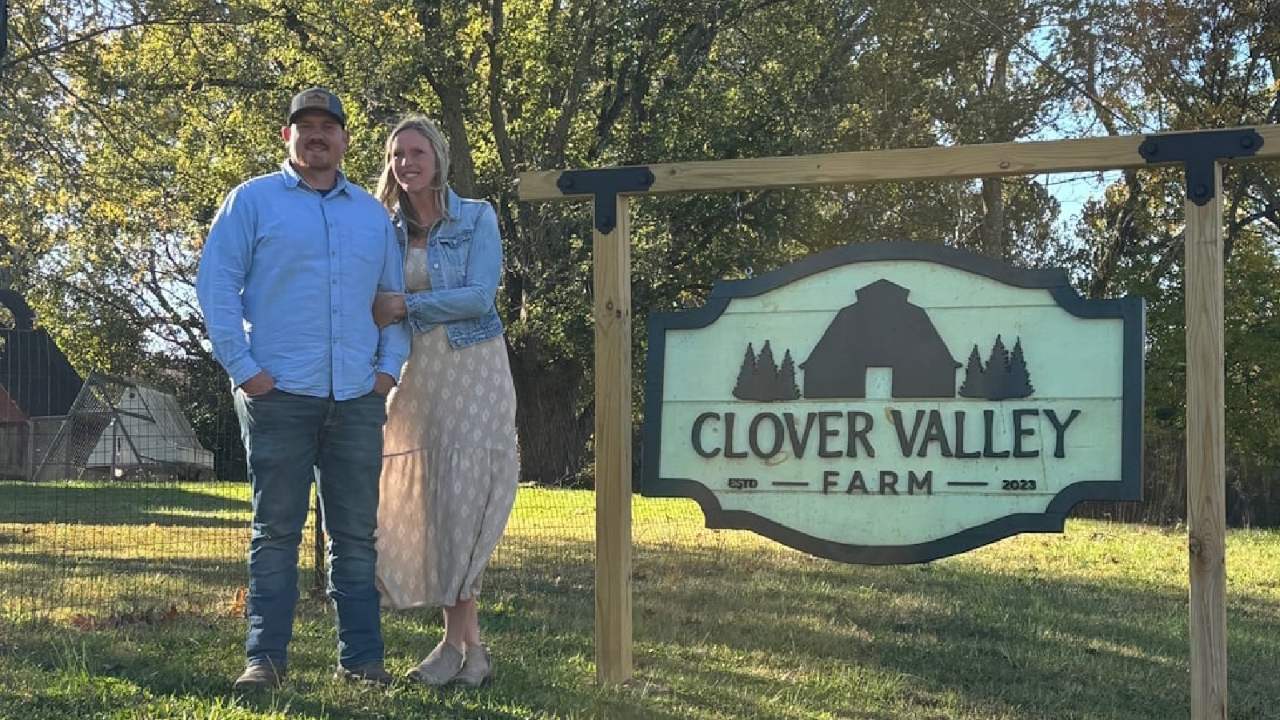
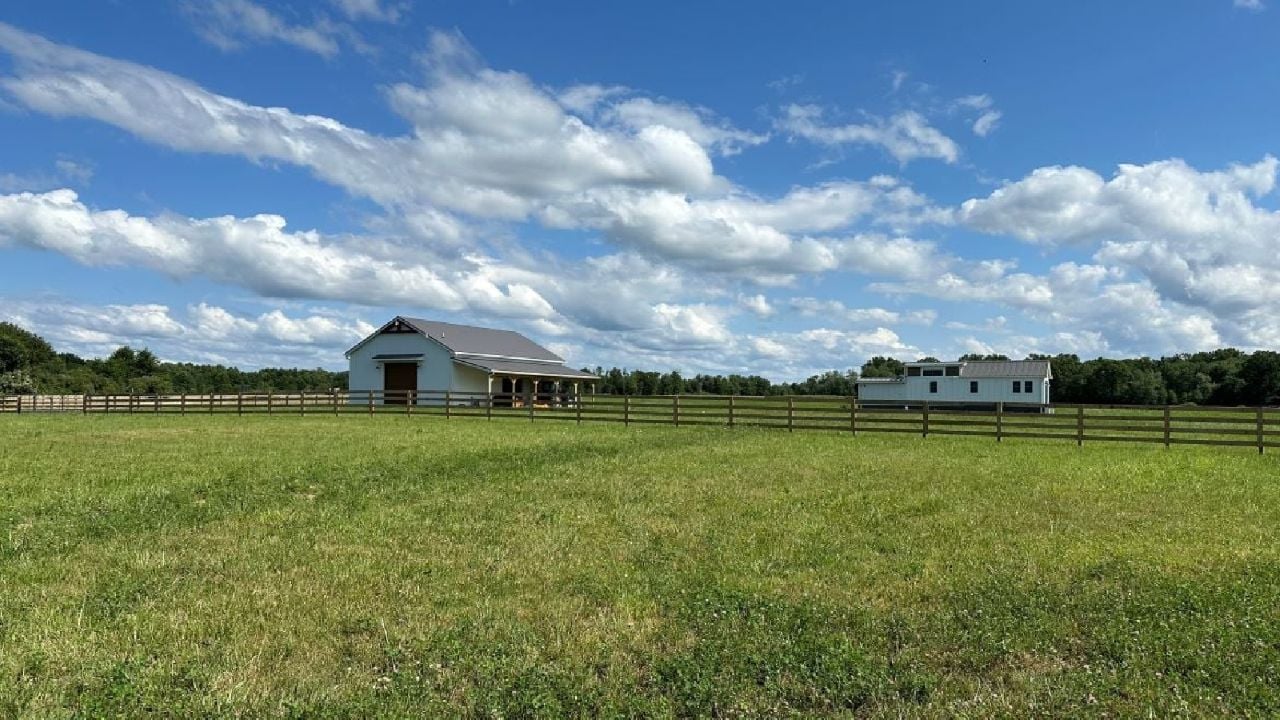
Ohio Farm Bureau’s legal team created the guide to help members better understand the laws, regulations and risk considerations that come with opening their farms to the public.
Read MoreOhio Farm Bureau will continue to focus on business solutions and be a resource for any questions and concerns that come from the agriculture community around Issue 2.
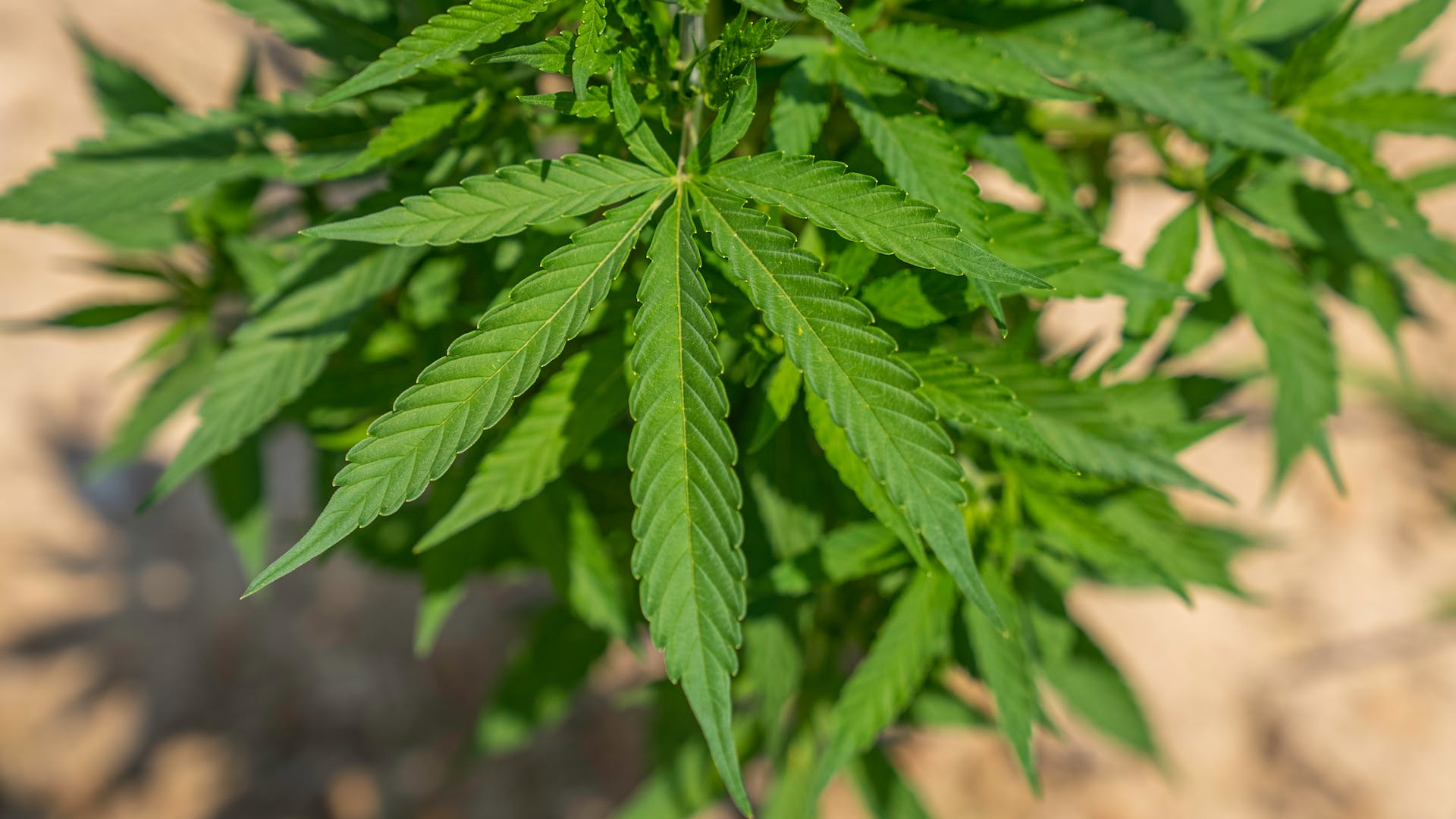
Earlier this week, Ohio voters passed Issue 2 by a count of 57% to 43%, which means certain aspects of the legalization of recreational use and cultivation of marijuana will soon go into effect.
Ohio Farm Bureau, led by the organization’s grassroots policies, opposed Issue 2 because of the dangers marijuana use carries to the state’s workforce, more specifically to the safety of farm and food workers. With recreational marijuana now in play, there is also concern about the ability to keep employees on the payroll and fill the thousands of positions still needed to keep Ohio’s No. 1 industry moving in the right direction.
“Although Ohio Farm Bureau is disappointed about the outcome of Issue 2, it is important that we now look to keep our members informed about how these new statutes will impact them and their farms directly,” said Adam Sharp, executive vice president of Ohio Farm Bureau. “As we work through all of the details of these major changes, we will continue to focus on business solutions and be a resource for any questions and concerns that come from the agriculture community around Issue 2.”
Although the sale of recreational marijuana will not likely happen until mid to late 2024, some of the new laws that come with Issue 2’s passage include that adults age 21 and older can buy and possess certain amounts of cannabis and concentrates and are now able to grow up to six plants individually or 12 plants in a household with multiple adults. In addition, dispensaries are allowed to sell a wide range of products, including flowers, seeds, edibles, vapes, oils, beverages, pills and lotions, among others.
As part of the new regulatory structure around recreational marijuana, the Division of Cannabis Control within the Ohio Department of Commerce will set rules for licensing, testing, product standards, investigations and would offer three different licenses: cultivator (growers), processor (businesses that turn cannabis into edibles, etc.) and dispensaries. Those products will be taxed at a 10% rate, with revenue going toward administrative costs, addiction treatment programs, municipalities with dispensaries, and a social equity and jobs program.
Of note from Issue 2 are the rights given to businesses who have employees. As part of the initiative, public and private employers will be able to develop their own policies for marijuana, such as rules around drug testing and use while on the job.
Also of importance is that although Issue 2 passed in Ohio, recreational marijuana remains illegal federally as a “Schedule I” drug.



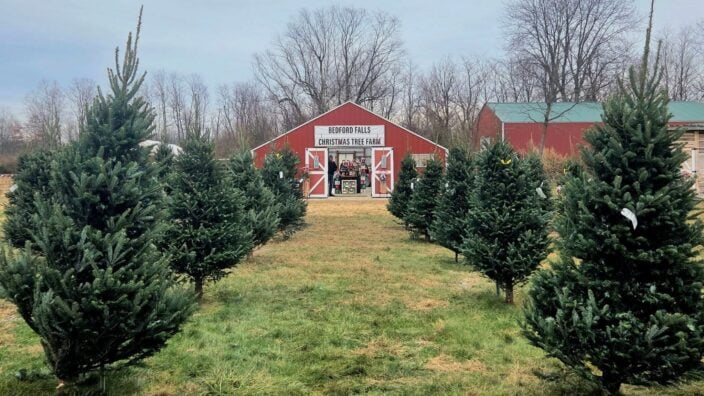
Ohio Farm Bureau’s legal team created the guide to help members better understand the laws, regulations and risk considerations that come with opening their farms to the public.
Read More
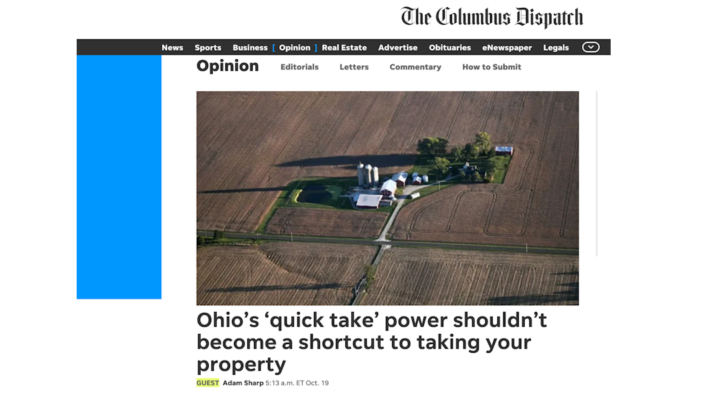
Ohio Farm Bureau recently published an op-ed in The Columbus Dispatch highlighting the importance of protecting private property rights as discussions continue around expanding eminent domain powers in Ohio.
Read More
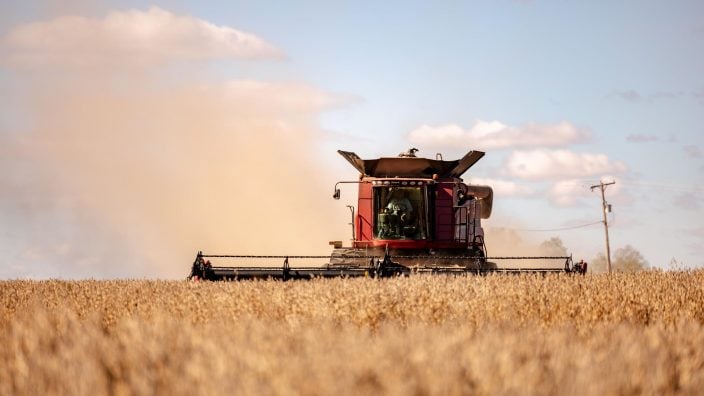
The administration recently issued an executive order easing restrictions on the use of tax-exempt dyed diesel fuel for on-road agricultural transportation.
Read More
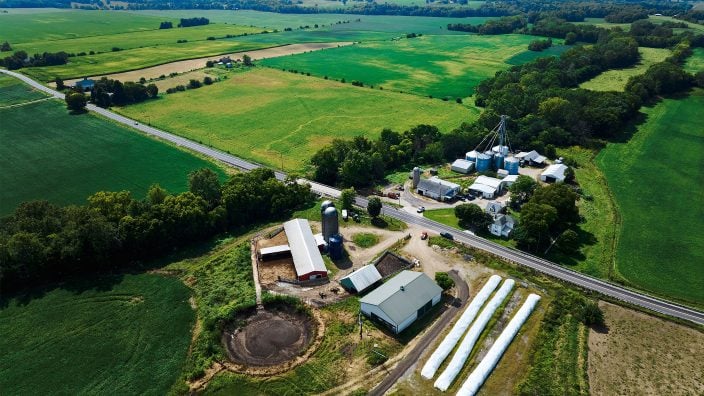
Ohio Farm Bureau Associate General Counsel Leah Curtis explains how the eminent domain process works in Ohio, what ‘quick take’ means and when it can be used.
Read More
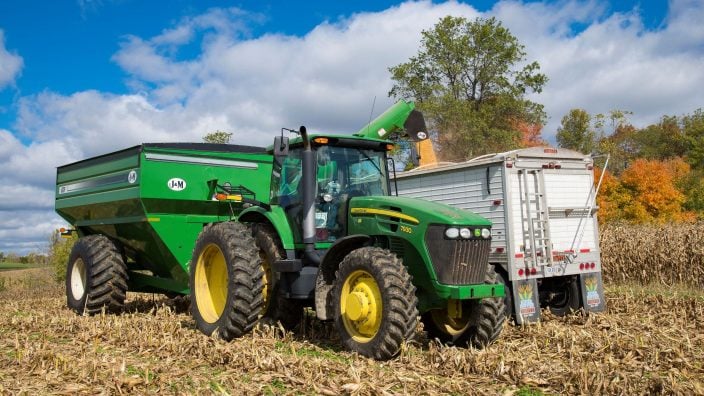
As fuel prices skyrocket across the state, lawmakers are preparing to return to the Statehouse to vote on the temporary suspension of Ohio’s gas tax.
Read More
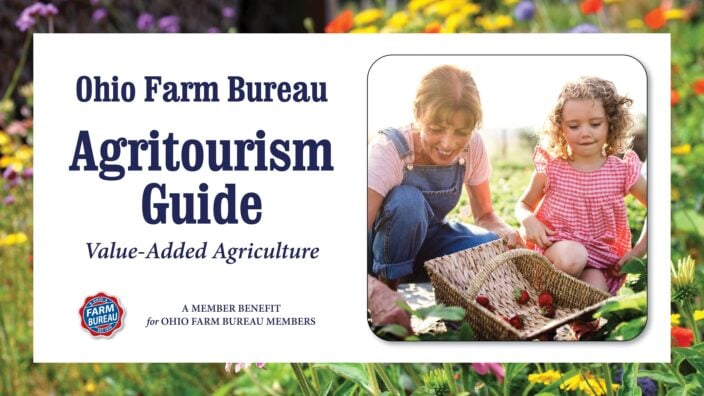
Ohio Farm Bureau has created a new guide to help members better understand the laws, regulations and risk considerations that come with opening their farms to the public.
Read More
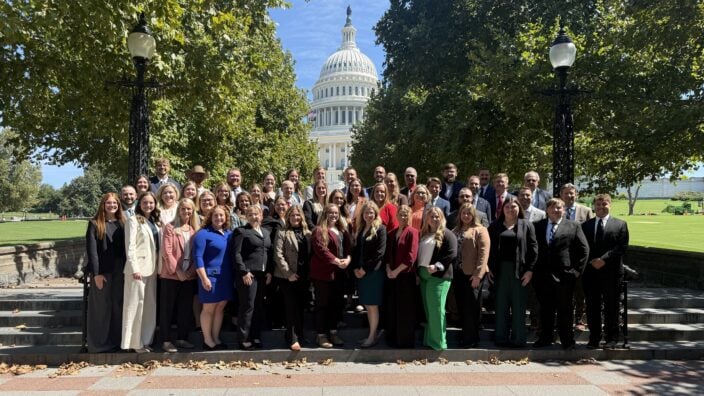
The groups received a firsthand look at agricultural policy, advocacy and leadership in the nation’s capital.
Read More

In response to an editorial published in Toledo Blade, Ohio Farm Bureau sent a letter sharing the decades-long commitment to conservation by Ohio farmers.
Read More
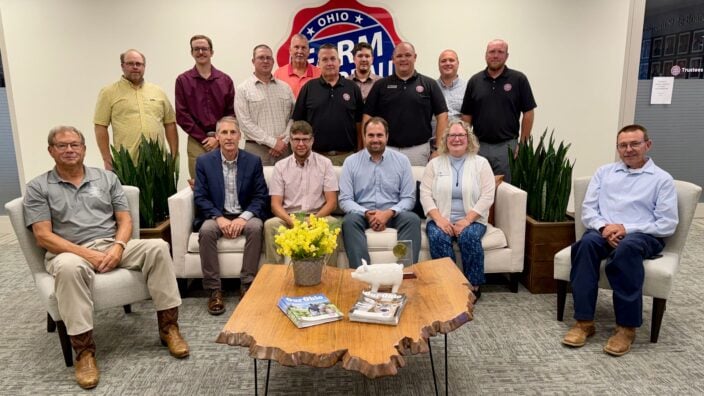
Twenty leaders have been named to the 2026 Ohio Farm Bureau Federation Policy Development Committee.
Read More
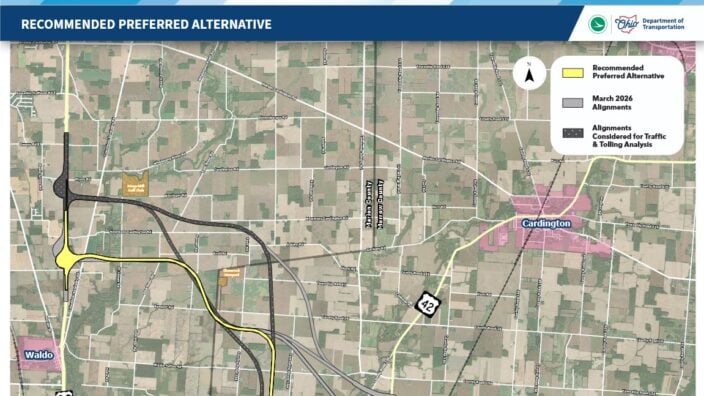
Ohio Farm Bureau will continue to ask the state to focus on the many road projects already needed to ensure the state’s transportation system is safe and efficient.
Read More