






Ohio Farm Bureau testifies in support of House Bill 646
House Bill 646 would establish a Data Center Study Commission to examine the impact of rapid data center development across the state.
Read MoreThis order allows for limited sale and distribution of dicamba OTT products that were already in the possession of growers or in the channels of trade and outside the control of pesticide companies as of Feb. 6, 2024.
In light of the Feb. 6, 2024 ruling by the U.S. District Court of Arizona vacating the 2020 registrations for over-the-top dicamba products, the U.S. Environmental Protection Agency issued an Existing Stocks Order for Dicamba Products Previously Registered for Over-the-Top Use on Dicamba-Tolerant Cotton and Soybeans, including XtendiMax, Engenia and Tavium. This order allows for limited sale and distribution of dicamba OTT products that were already in the possession of growers or in the channels of trade and outside the control of pesticide companies as of Feb. 6, 2024.
“We are grateful to EPA for hearing farmers’ and ranchers’ concerns and addressing them quickly to ensure we have access to the critical tools needed to protect our crops this season. Without EPA stepping in, farmers and ranchers across the country were facing uncertainty and financial risk,” said American Farm Bureau president Zippy Duvall. “Farmers are committed to the safe use of all crop protection tools, and many had already made planting decisions with dicamba-tolerant crop systems in place for the season. We rely on science-based guidance from EPA, and we appreciate the agency standing by farmers and science in this decision.”
The issuance of this existing stocks order will help ensure that growers who already possess OTT dicamba and/or have already purchased dicamba-tolerant seeds and thus are reliant on the availability of specific products solely for the 2024 growing season: (1) apply only dicamba formulations designed for use over the top of dicamba-tolerant soybean and cotton, rather than violating FIFRA by misusing more volatile dicamba formulations which could lead to greater offsite movement (and thus potential damage to non-dicamba tolerant crops and other plants); and (2) apply these OTT dicamba products consistent with restrictions intended to reduce offsite movement and protect human health and the environment.
EPA’s existing stocks order is needed to ensure that growers follow these directions for use, which were designed to reduce environmental damage caused by off site movement.
Under this order, end users of existing stocks may only use the formerly-registered products consistent with the previously approved labeling for the products and must stop use of these products by the relevant dates laid out in the order. Additional details regarding restrictions on the sale, distribution, and use of these formerly-registered products can be found in EPA’s Existing Stocks Order for Dicamba Products Previously Registered for Over-the-Top Use on Dicamba-Tolerant Cotton and Soybeans.
EPA will continue to update the public and the states as it evaluates and takes any actions related to dicamba use.
Listen to Ohio Farm Bureau Policy Counsel Leah Curtis explain how dicamba use had been vacated.



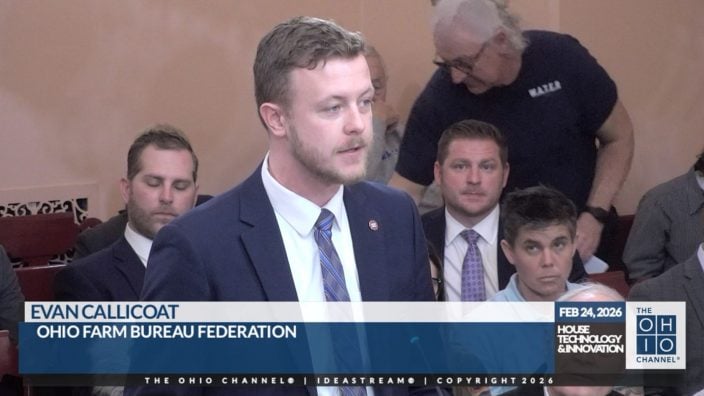
House Bill 646 would establish a Data Center Study Commission to examine the impact of rapid data center development across the state.
Read More
The plan provides a blueprint for policymakers and Ohio Farm Bureau members to bolster Ohio’s agriculture industry and our rural communities.
Read More

Leah Curtis joins this Legal with Leah to talk about what data centers mean for local communities and how to stay engaged in the development process
Read More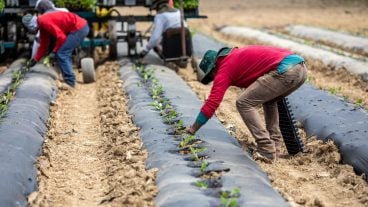
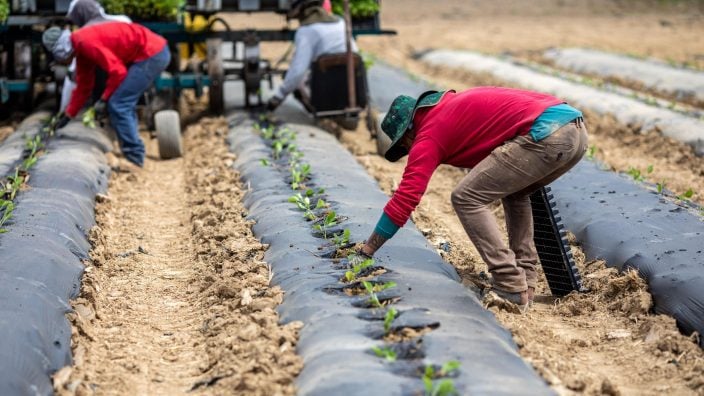
A recent state budget fix and a federal rule reform to H-2A have resulted in some relief for farmers who use the guest worker program.
Read More

Ohio Farm Bureau advocated for a change in the law to allow family members and employees to handle pesticides while under the supervision of a licensed applicator. The rules around HB 10 are being finalized.
Read More

Four property tax reform bills were signed into Ohio law at the end of 2025. Ohio Farm Bureau Associate General Counsel Leah Curtis breaks down the bills and what the changes mean for Ohioans.
Read More

A proposal to import beef from Argentina comes on top of the government shutdown and ongoing economic pressures facing agriculture.
Read More

Any unlicensed handlers who use restricted use pesticides will need to have additional training. Farm Bureau will be working on legislation to give employers a choice on how to provide training.
Read More

After nearly 100 days of traveling the nation and visiting directly with hundreds of farmers across America, U.S. Secretary of…
Read More

Over 20% of all the production in the United States from agriculture gets exported to a different country.
Read More