









Applications for Ohio Farm Bureau Health Plans now available
Members have three ways to apply: contacting a certified agent, calling 833-468-4280 or visiting ohiofarmbureauhealthplans.org.
Read MoreHard-to-detect leaks can be frightening to homeowners. It’s not just the loss of water or the jump in your water services bill that can be difficult to deal with — it’s also the corrosive effects of undetected moisture that can cause costly damage and may necessitate extensive repairs.
However, there are tools that can help detect invisible leaks, curbing water usage and lessening or preventing water damage. The same sensor-based technology used to protect the integrity of oil pipelines or heat-prone automotive machinery is now available to help defend your home against mold, mildew, rotted studs and beams and excessive water usage costs.
Leak-detection devices, commonly called water alarms, can be attached near pipes, fixtures or appliances that use water, and they sense when water has leaked out of those pipes or onto the floor. Many smart leak devices pair with an app on your smartphone to alert you when leaks are detected or they sound an audible alarm.
You can also choose a detector that not only responds to water but keeps track of temperature and humidity, alerting you to problems such as conditions that might promote mold growth or frozen pipes.
A whole-household system can detect leaks anywhere in your home, automatically shutting off water at the first sign of a leak. This system also allows you to use a smartphone to turn off the water from anywhere in fewer than five seconds.
Other options include:
In addition, there are kitchen and bathroom devices to help you control water usage. For example, some smart showers can time your shower length, lower the water flow when you step away to lather up and keep the shower water at your desired temperature.
When it comes to water in your home, small leaks can quickly develop into a big problem. To be ready for those worst-case scenarios, make sure you’re protected by a homeowners policy with coverage for water damage.
Learn more about homeowners insurance


Members have three ways to apply: contacting a certified agent, calling 833-468-4280 or visiting ohiofarmbureauhealthplans.org.
Read More

Collegiate Farm Bureau creates opportunities for students to connect with Ohio’s agricultural industry, develop leadership skills and prepare for careers in food and agriculture.
Read More

In response to current fertilizer market conditions, American Farm Bureau recently surveyed farmers regarding fertilizer availability and affordability for their…
Read More

OFBF leadership participated in several key discussions with current and prospective lawmakers, bringing to light the real-world challenges Ohio farmers are facing.
Read More

Karen Mohr of Union County has been named senior accounting assistant for Ohio Farm Bureau.
Read More

EPA released new guidance allowing diesel equipment manufacturers to move away from traditional DEF quality sensors and use alternative technologies, such as nitrous oxide sensors.
Read More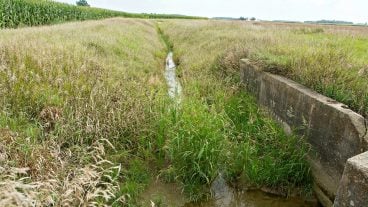
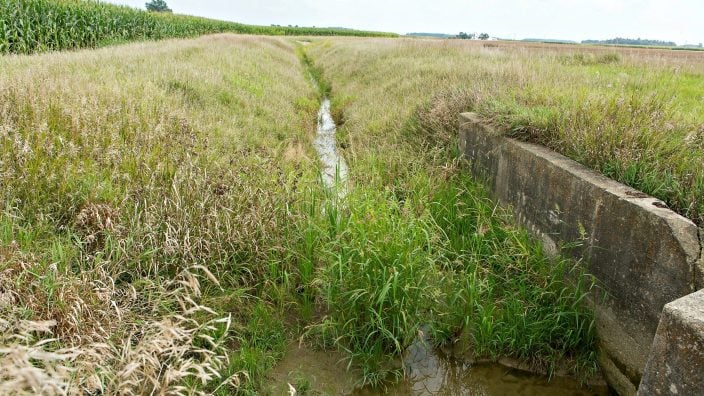
The report provides a data-driven look at conservation practices across the Western Lake Erie Basin and emphasizes farmers are doing their part in water quality.
Read More
2026 camps feature an expanded lineup of one-day experiences and a weeklong immersive camp for high school students. Registration closes 10 days before each experience.
Read More

Growing our Generation enewsletter features insights and ideas directly from Ohio’s young farmers and food and agricultural professionals. Sign up…
Read More

A recording of the webinar is available to Farm Bureau members. Please log in to your member account at ofbf.org, then click the link to access the recording.
Read More