









Ohio Farm Bureau supports expanded use of dyed diesel
The administration recently issued an executive order easing restrictions on the use of tax-exempt dyed diesel fuel for on-road agricultural transportation.
Read MoreDiesel exhaust fluid (DEF) has been a necessary part of modern diesel engines for decades, but for many farmers, truckers and equipment operators, it has also been a source of frustration, downtime and added costs.
Recently, in conjunction with the administration’s Great American Agriculture Celebration, the Environmental Protection Agency released new guidance allowing diesel equipment manufacturers to move away from traditional DEF quality sensors and use alternative technologies, such as nitrogen oxide sensors, to meet emission requirements. The changes are intended to cut costs and reduce system failures that have disrupted operations for those who rely on diesel-powered equipment every day.
EPA stated this new guidance will help save farmers $4.4 billion a year in repairs and lost productivity and produce a broader savings of $13.79 billion to the U.S. economy. For farm families already navigating tight margins and high input costs, those savings matter.
Since 2010, most diesel engines, including those used in agriculture, have relied on selective catalytic reduction (SCR) systems. These systems inject DEF into the exhaust stream to reduce emissions and meet federal air quality standards. The DEF quality sensor, however, has become a pain point and when it fails or it detects an issue, equipment is forced into “derate” mode, reducing engine power, limiting speed or even shutting down the machine. For farmers, that kind of disruption could come at the worst possible time, such as planting or harvest, when every minute counts.
The late March announcement builds on several months of federal review of DEF system performance. In early February, EPA requested data from major manufacturers creating most DEF system parts, with early findings identifying sensor failures as the leading cause of equipment derates and warranty claims. That effort followed prior guidance in August 2025 that first acknowledged ongoing operational challenges tied to DEF systems.
Farmers have had a long-standing commitment to improving air and water quality, but they also need reliability when it comes to the tools and technology they use in the field. This move by the EPA is a step toward balancing environmental goals and ensuring that regulations do not create unnecessary challenges for those producing the nation’s food, fiber and renewable fuel supply.



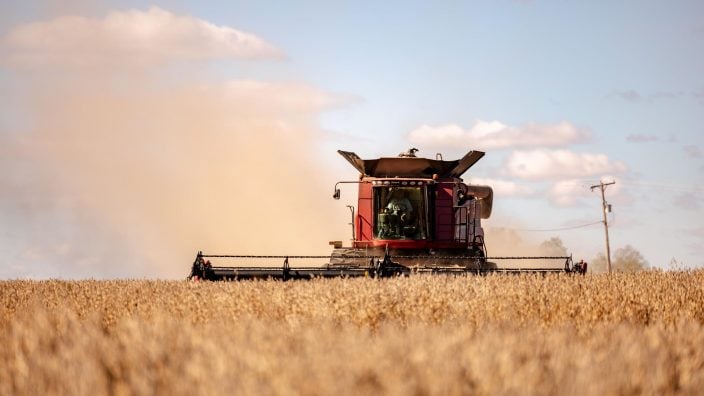
The administration recently issued an executive order easing restrictions on the use of tax-exempt dyed diesel fuel for on-road agricultural transportation.
Read More

As fuel prices skyrocket across the state, lawmakers are preparing to return to the Statehouse to vote on the temporary suspension of Ohio’s gas tax.
Read More

EPA released new guidance allowing diesel equipment manufacturers to move away from traditional DEF quality sensors and use alternative technologies, such as nitrous oxide sensors.
Read More

The plan provides a blueprint for policymakers and Ohio Farm Bureau members to bolster Ohio’s agriculture industry and our rural communities.
Read More

A recent state budget fix and a federal rule reform to H-2A have resulted in some relief for farmers who use the guest worker program.
Read More
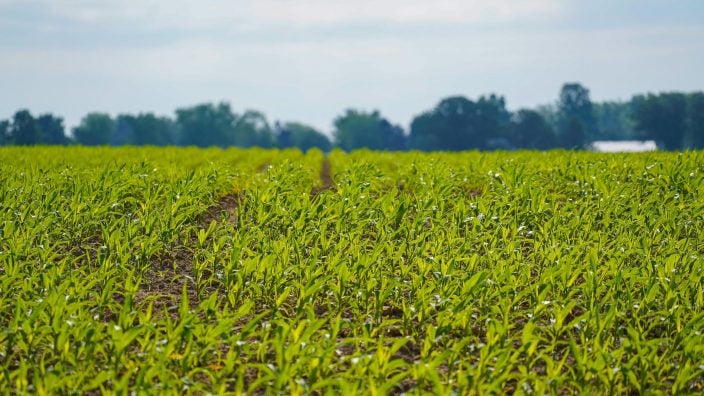
Ohio Farm Bureau advocated for a change in the law to allow family members and employees to handle pesticides while under the supervision of a licensed applicator. The rules around HB 10 are being finalized.
Read More

Learn what the requirements are to legally fly a drone in Ohio as well as steps the Ohio Legislature has taken in terms of security concerns.
Read More

Any unlicensed handlers who use restricted use pesticides will need to have additional training. Farm Bureau will be working on legislation to give employers a choice on how to provide training.
Read More

The plan provides a blueprint for policymakers and Ohio Farm Bureau members to bolster Ohio’s agriculture industry and our rural communities.
Read More

Update: As of Feb. 27, 2025, the Financial Crimes Enforcement Network announced they would not issue any fines or penalties or take enforcement action against companies based on failure to file or update beneficial ownership information reports by the March 21, 2025, deadline.
Read More