

How market consolidation impacts small farms
Nationwide offers tools and coverage to help small farmers remain resilient in a consolidating market.
Read MoreMany of the beginning farmers have an off-the-farm job while trying to expand on the land that they have. So just how do they begin to start and successfully move through this crazy hybrid game I’d call the 'Farming Game of Life?'
“Living to Serve” is a phrase from the FFA motto that has resonated with me throughout my life and careers.
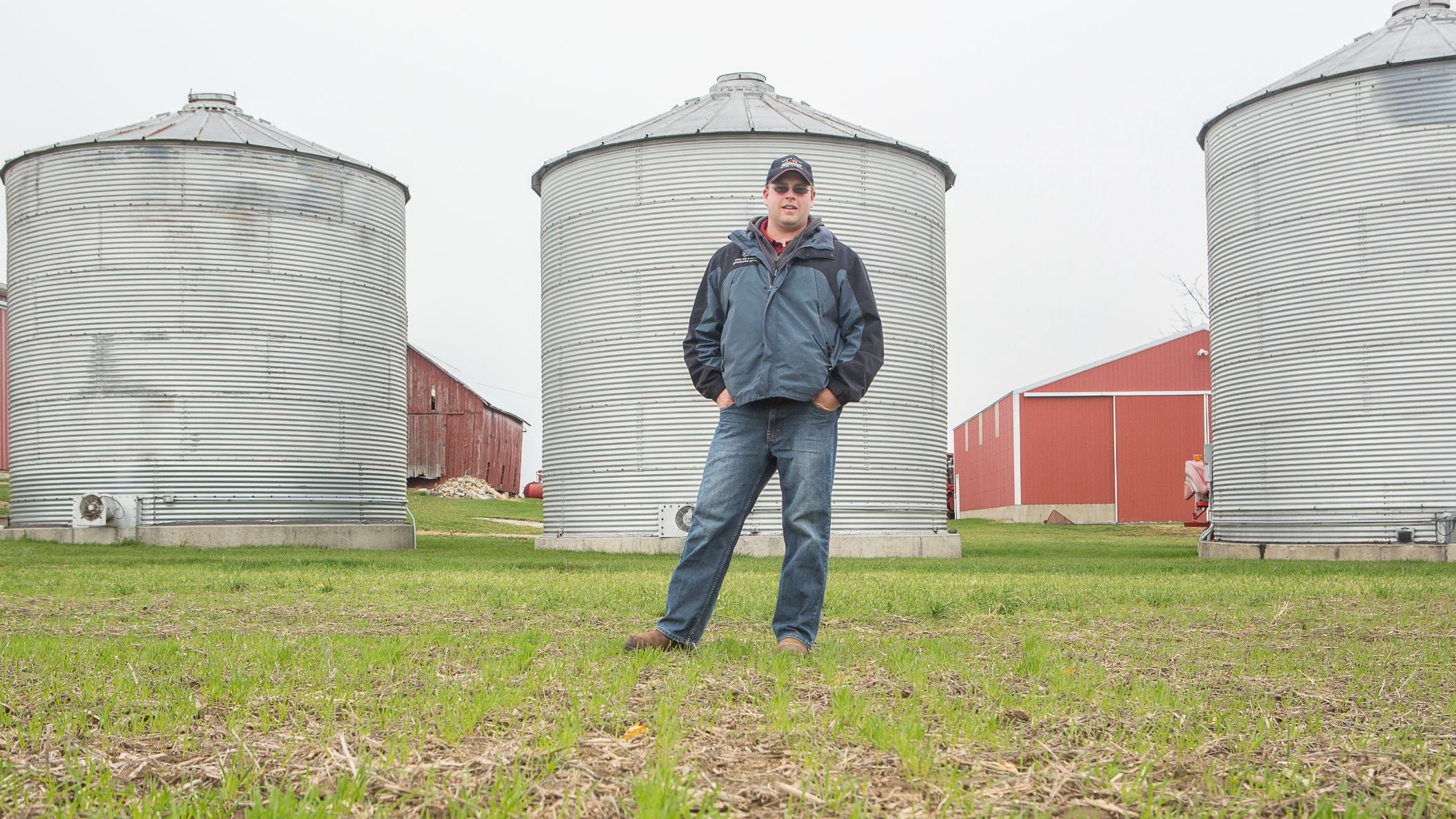
Coming from a small family grain and livestock farm in western Ohio, I’ve seen the progression of agriculture in my community, state and nation. The change in agriculture has encouraged our farm to diversify by adding various enterprises like pastured poultry, the sales of feed and integration of specialty grains. The development of these enterprises has helped me develop relationships with new and beginning farmers.
Through the sales of feed and seeds, I have encountered many beginning farmers who want to be engaged in agriculture and produce healthy food not only for their family but for their community. Amidst the sales and small talk, many of these budding farmers have asked “How do I make it go?” and “What resources are out there?” When I hear these questions, I sometimes think I’m in the midst of a crazy game that’s a hybrid between two games from my childhood, The “Farming Game” and “Life.”
In this hybrid game, you’re trying to figure out your career while determining an investment in a farm and what resources there are to assist. Many of the beginning farmers have an off-the-farm job while trying to expand on the land that they have. So just how do they begin to start and successfully move through this crazy hybrid game I’d call the “Farming Game of Life?”
My first recommendation in your journey is to start out with a local farming friend or mentor along with joining an organization like Ohio Farm Bureau. This allows you to begin developing your network and gaining resources that you’ll need in your farming game.
Second, reach out to your local Farm Service Agency (FSA), Natural Resources Conservation Service (NRCS) or Soil and Water Conservation District (SWCD) to look at the available cost-share programs related to your operation. Did you know there are funding programs, like CRP and EQIP, to assist new and beginning farmers with conservation plans, cover crops, timber stand improvements and even the opportunity to build a seasonal high tunnel? Most of these programs are competitive, but a new or beginning farmer will generally have a leg up in the game.
Third, contact your local Ohio State University Extension educators and staff as they have a tremendous number of resources related to farm management, agronomy, livestock and specialty crops. The programs OSU Extension offers are worth their weight in gold and can be applied to many agricultural operations.
Finally, as you become established, be sure to have a good agricultural accountant and understand how your operation can benefit from the Current Agricultural Use Value (CAUV) program.
Learn about other farms and attend conferences to engage with practical farmers who will share their life experiences in the development of their farming businesses. Ultimately, the most valuable game piece you will have in the “Farming Game of Life” is learning from the hopes, hardships, failures and successes of those in your farming community.
Greg McGlinch is a member of the Darke County Farm Bureau Board of Trustees.
KEY POINTS
WHAT’S NEXT
You’ve already taken the first step by being a member of Ohio Farm Bureau. If you have a question, reach out to your county Farm Bureau first to start finding the answers.


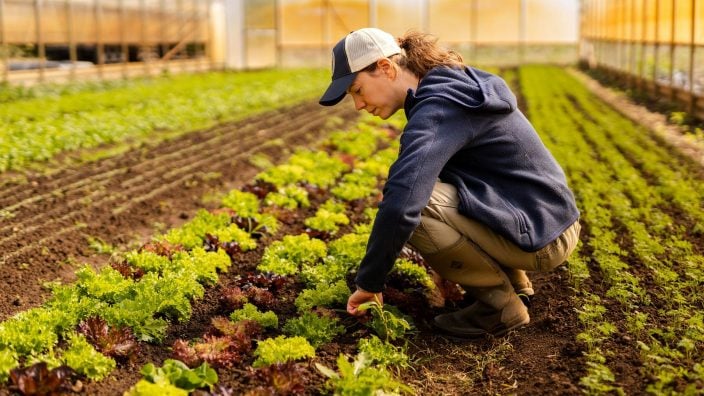
Nationwide offers tools and coverage to help small farmers remain resilient in a consolidating market.
Read More
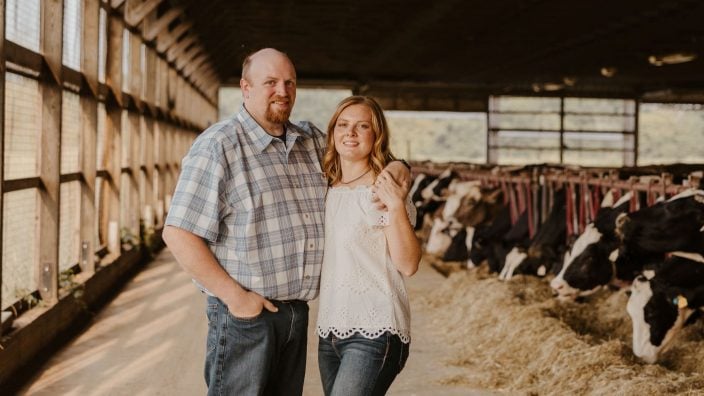
Like many small farmers, Julianne McCormick isn’t afraid to jump into new opportunities that can expand her income.
Read More
Take a walk down memory lane with some of our Young Agricultural Professionals contest winners from years past.
Read More
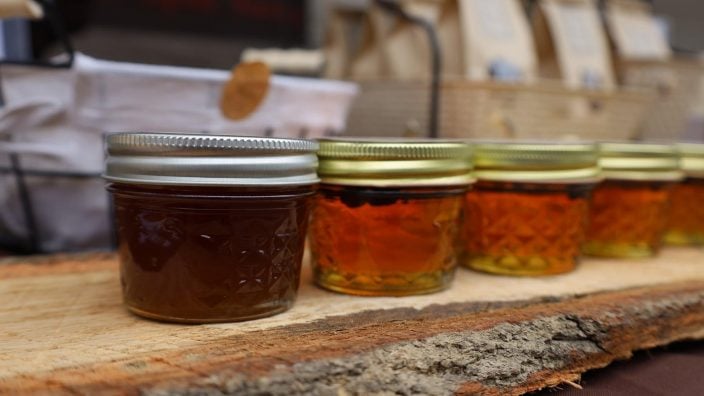
Diversification has emerged as one of the most effective strategies for small farms to address the challenges of market uncertainties.
Read More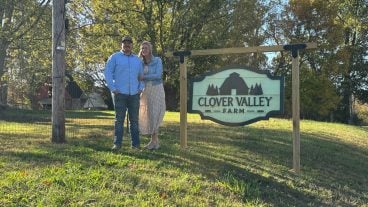
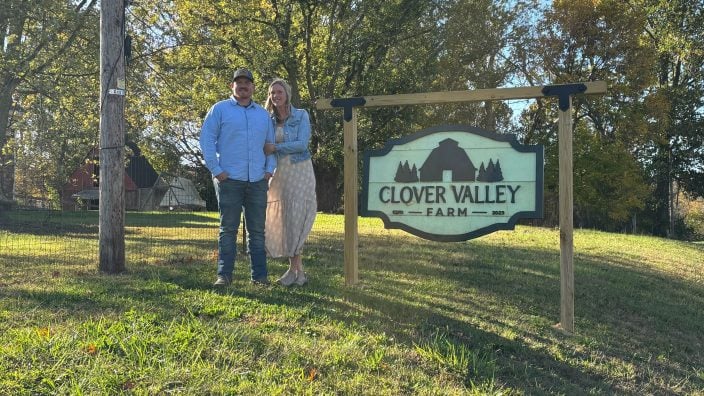
Winners of the 2025 Growing Tomorrow Grant, Nathan and Jill Parrimans’ small, regenerative family farm is dedicated to sustainable agriculture, community engagement and rural revitalization.
Read More
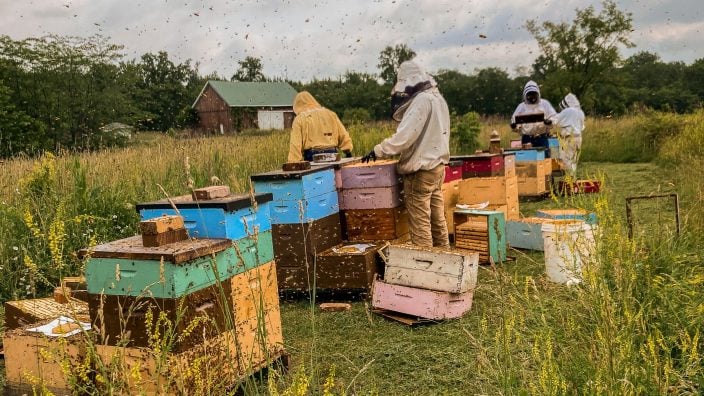
Farmer-beekeeper collaborations are essential for maintaining healthy bee populations and ensuring successful crop pollination.
Read More