

How market consolidation impacts small farms
Nationwide offers tools and coverage to help small farmers remain resilient in a consolidating market.
Read MoreA 71-acre site in the heart of Columbus where rail car parts were once forged may seem an unlikely place to save farmland, but for those whose livelihood depends on the land, it’s a beacon of hope.
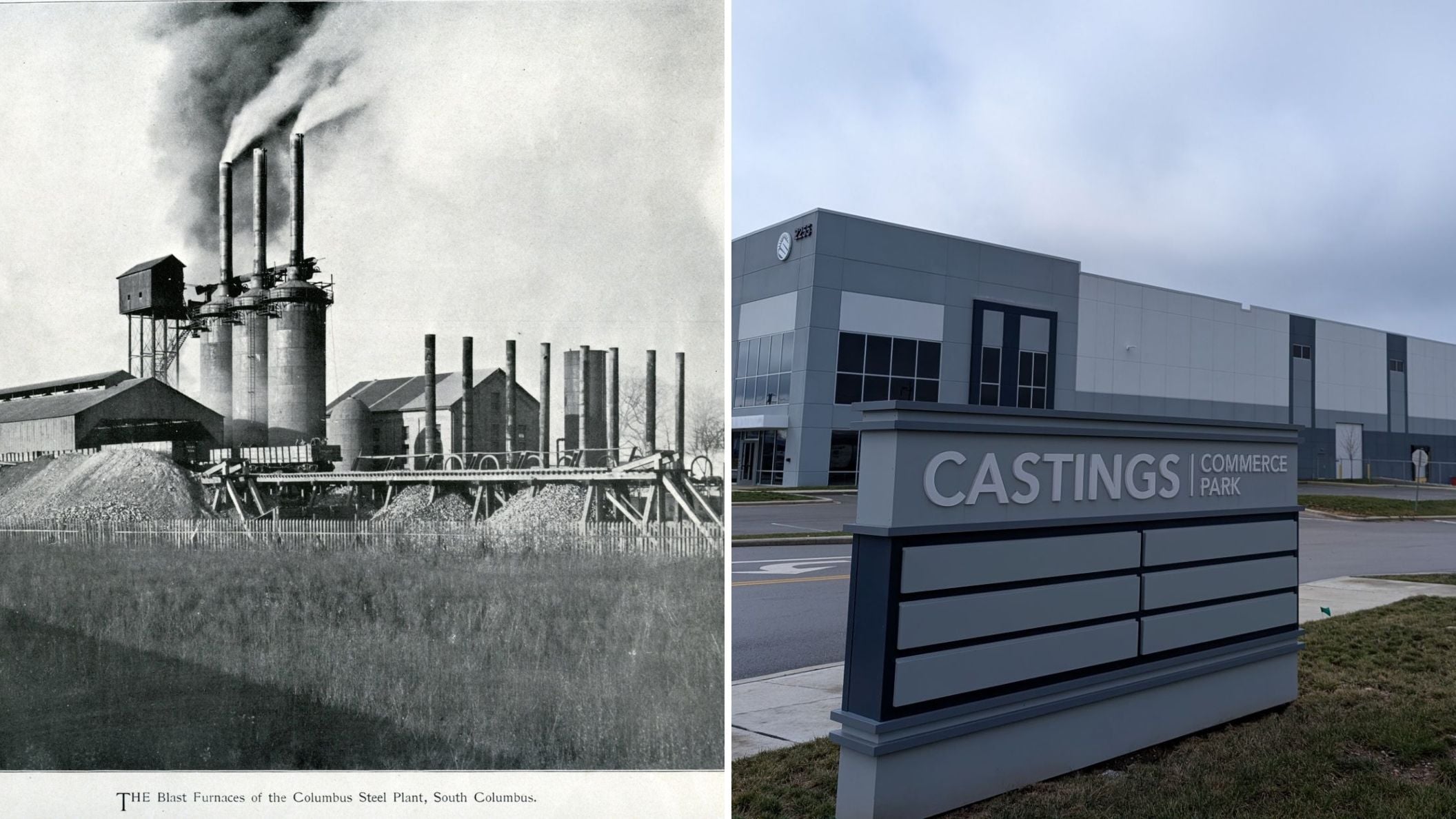
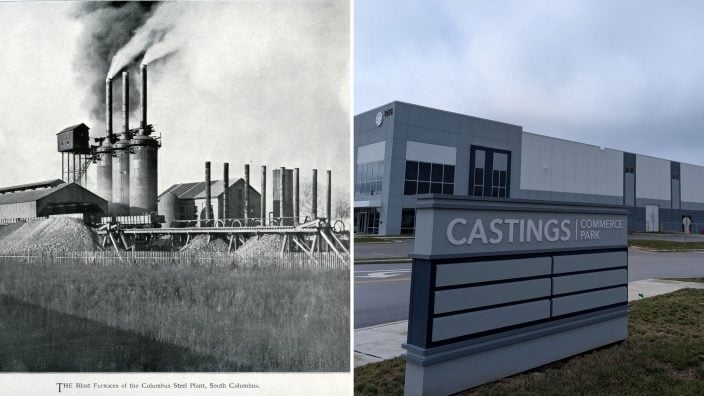
For more than a century, the site housed Columbus Castings, once the nation’s largest steel foundry. After years of casting clouds of industrial dust on the neighborhood, the foundry closed in 2016, leaving a sea of industrial blight on the city’s south side.
An Atlanta developer bought the site, cleaned it up and returned it to life. Today, the once-polluted land houses three new industrial warehouses totaling 862,160 square feet (pictured above). Those warehouses could just as easily have landed on Ohio farmland.
The remediation of any brownfield site like Columbus Castings, as well as those that benefit from Ohio’s Brownfield Remediation Program such as the redevelopment of Eastland Mall in Franklin County, is why Ohio Farm Bureau has long endorsed the state’s brownfield remediation program.
To date the program, which provides financial assistance to help clean polluted sites for redevelopment, has provided more than $700 million to help prepare about 700 former industrial sites for reuse. Every one of those sites is a farm potentially saved.
“It’s our job to try to find out-of-the-box ways to reduce pressure on farmland,” said OFBF Director of State Policy Evan Callicoat. “Brownfield remediation is one of them. It doesn’t scream agriculture, but it’s significant, trying to locate large industrial projects where all the utilities and infrastructure are already there instead of on farmland.”
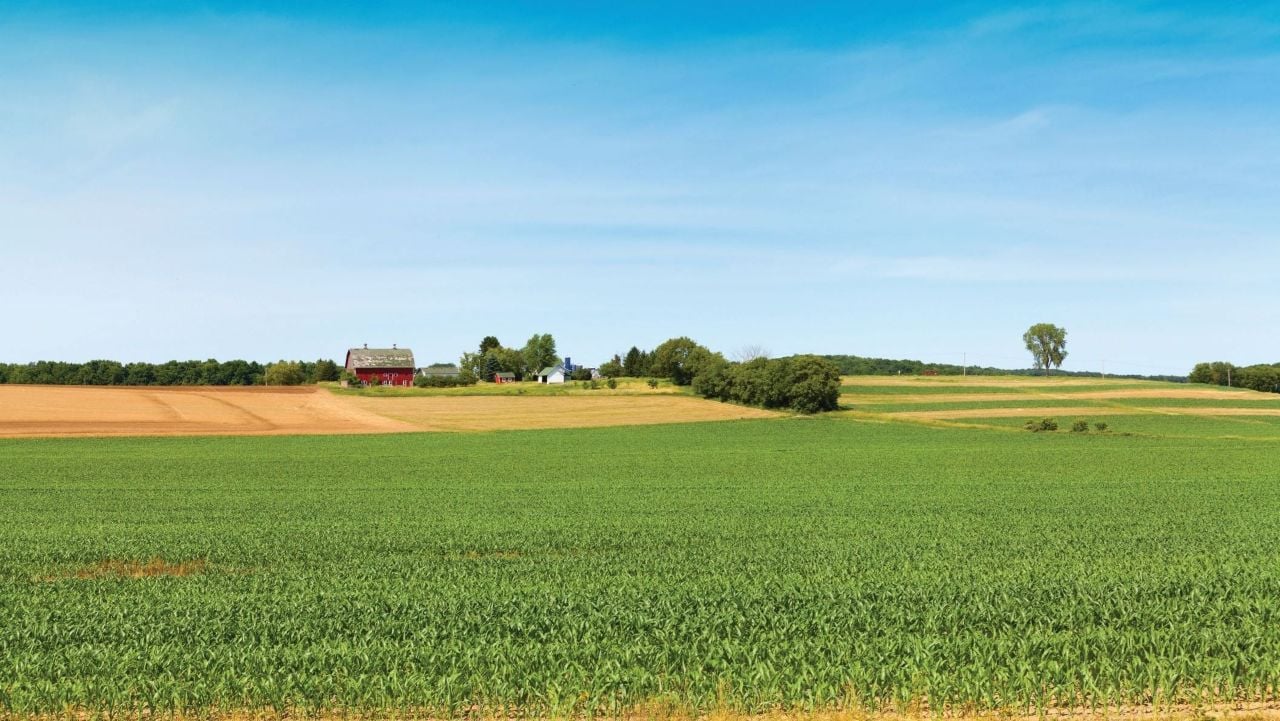
Brownfield recovery is one of several avenues Farm Bureau is pursuing to protect Ohio’s farms and fields, which continue to shrink each year. Between 2004 and 2024, Ohio’s farmland declined from 14.5 million acres to 13.5 million acres, according to the U.S. Department of Agriculture. Half of those million acres have been lost since 2017. In 2024 alone, 200,000 acres of Ohio farms vanished to development.
“We are losing hundreds of thousands of acres of farmland, just in Ohio alone, over the past five years,” OFBF Senior Director of State and National Policy Brad Bales said at the American Farm Bureau convention in January.
While brownfields offer an alternative to the loss of farmland, Ohio Farm Bureau is also pursuing strategies aimed at a direct consumer of land: data centers, which have proliferated on Ohio’s landscape in recent years.
“Data centers have always been a topic of conversation, but they’ve really come to the forefront,” Bales said.
Callicoat agreed that data centers have caught the eye of farmers throughout Ohio.
“Data centers have definitely become the biggest concern of our members in the last couple years,” Callicoat said. “Across all regions of the state we’re seeing these. There’s a lot of emerging technologies that rely on data centers, so we’re in no way opposed to data centers, we just want it done smartly.”
About 200 data centers now call Ohio home, more than half of them in the Columbus region, according to Data Center Map, which tracks the industry. Those centers have consumed thousands of Ohio acres in the past decade, often in big bites. In January, for instance, Facebook’s parent company Meta bought 429 acres in Licking County, bringing its total Licking County holdings to more than 1,600 acres.
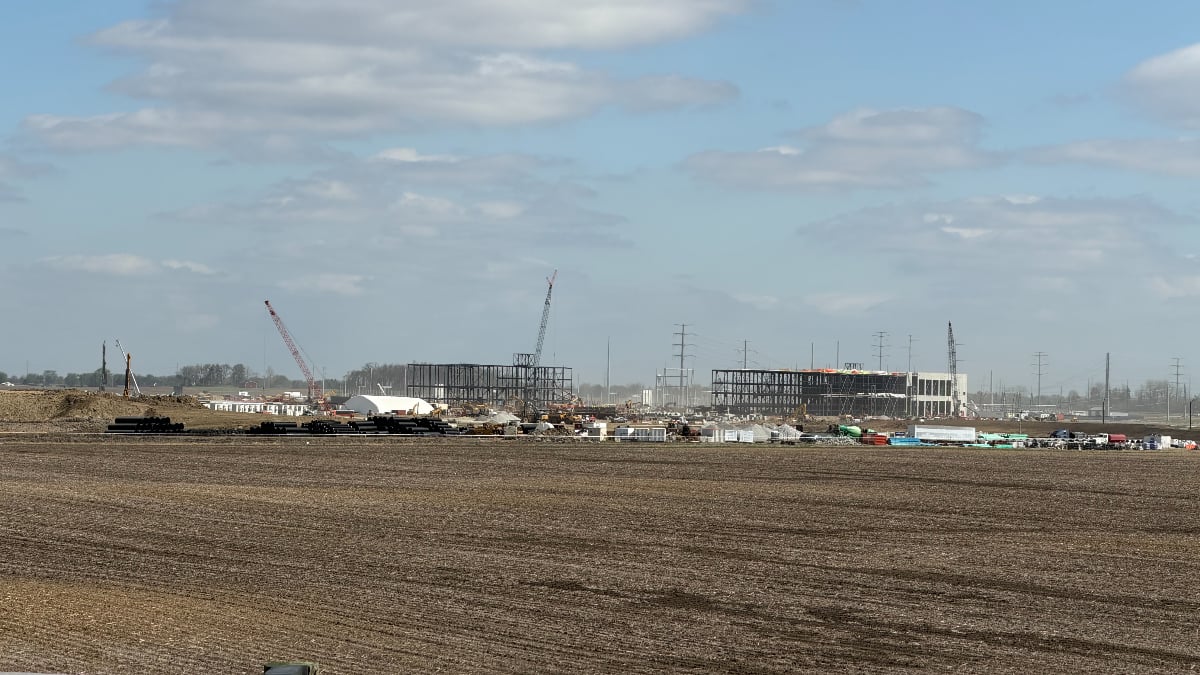
As technology firms battle for the AI future, more data centers are certainly on the way, but Bales noted that no one knows for sure where the industry is headed. To get a clearer picture of the long-term impact of the centers, Ohio Farm Bureau endorsed Ohio House Bill 646, which would create a statewide commission to study data centers. The commission would examine data centers’ impact on multiple fronts in addition to land use: the environment; energy and water use; noise and light pollution; and the local economy.
Data centers and brownfield sites have already intersected in Ohio, demonstrating that former industrial sites can draw centers away from farmland. Aligned Data Centers is building data centers on two former brownfield sites: a 200-acre Coshocton County site next to the former AEP Conesville Power Plant and a 130-acre Erie County site that once held an auto factory.
Bales and Callicoat stress that the organization isn’t opposed to data centers but wants to make sure centers are operating on a level playing field with other land users. For example, Farm Bureau believes data centers should be required to get National Pollutant Discharge Elimination System permits for each data center site, as agricultural users must, instead of receiving one general permit that can apply to several sites, as proposed by the Ohio EPA.
Farmland should be seen as a national resource is a view encapsulated in Farm Bureau’s recent policy supporting the creation of a national farmland preservation strategy. That policy resonated enough nationally that it was adopted by the American Farm Bureau in January.
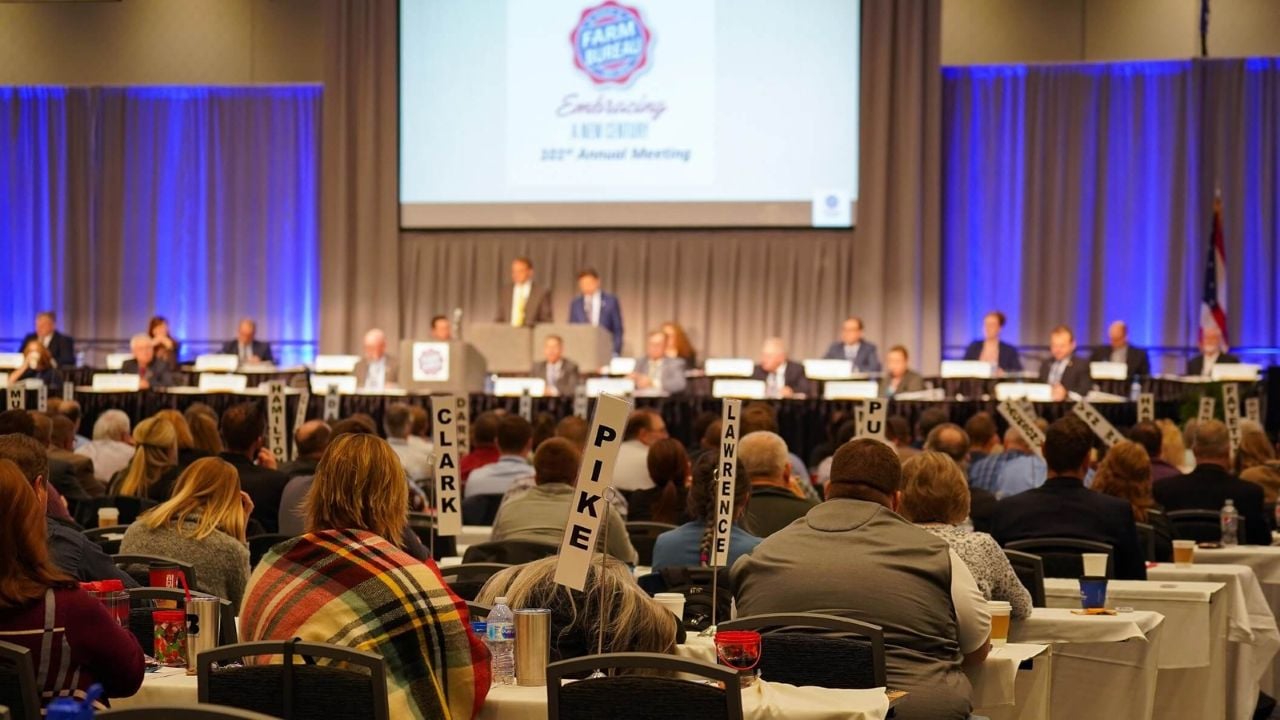
“We’ll work with AFBF on what our policy is on farmland preservation and to develop a policy that treats farmland as a strategic resource; food security is national security,” said Bales. “Obviously each state’s pressures are unique, and that’s why we have a need for a national policy.”
While championing policies to stem the loss of farmland, Ohio Farm Bureau is careful to respect property rights of members.
“We need to recognize the private property rights while at the same time recognizing the land we’ve lost,” said Bales. “It’s a complex conversation, one that’s really going to take a lot of people to come together at the same table.”
Photos submitted and by Jim Weiker and Brooke Beam.
KEY POINTS
WHAT’S NEXT
Members are encouraged to keep up with development proposals in their areas by attending or following county commissioners meetings, zoning meetings or planning commission meetings in person or online to track the latest projects.


Nationwide offers tools and coverage to help small farmers remain resilient in a consolidating market.
Read More
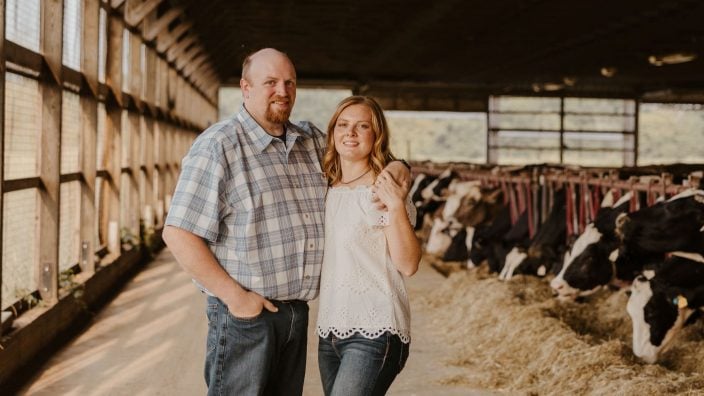
Like many small farmers, Julianne McCormick isn’t afraid to jump into new opportunities that can expand her income.
Read More
Take a walk down memory lane with some of our Young Agricultural Professionals contest winners from years past.
Read More

Diversification has emerged as one of the most effective strategies for small farms to address the challenges of market uncertainties.
Read More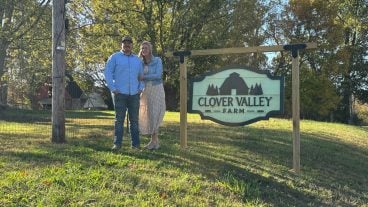
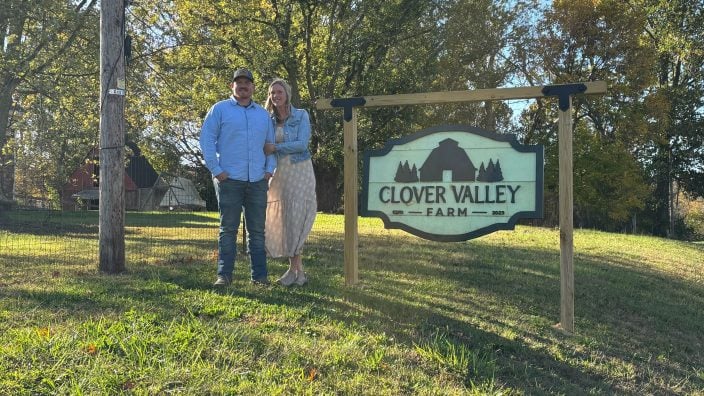
Winners of the 2025 Growing Tomorrow Grant, Nathan and Jill Parrimans’ small, regenerative family farm is dedicated to sustainable agriculture, community engagement and rural revitalization.
Read More
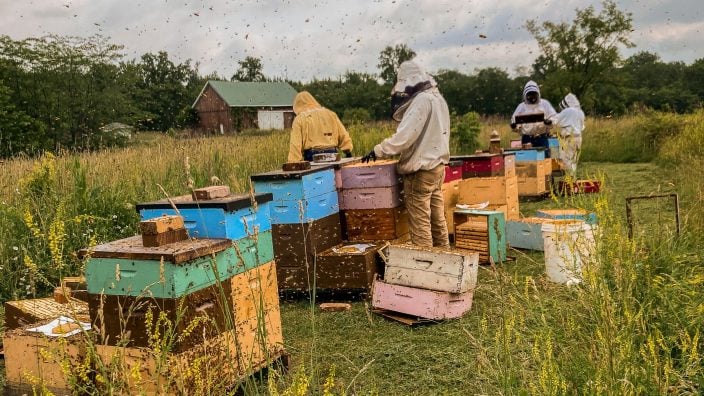
Farmer-beekeeper collaborations are essential for maintaining healthy bee populations and ensuring successful crop pollination.
Read More
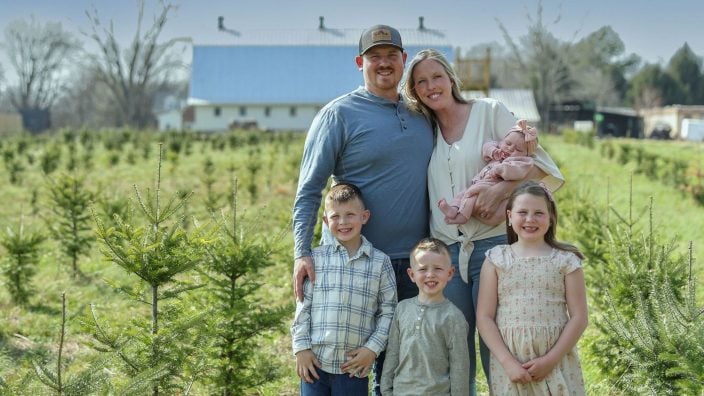
Small Farms, Big Ventures is the central theme of the May/June Our Ohio magazine. Farm operation diversification can take many forms; finding different avenues for ag income isn’t for the faint of heart.
Read More
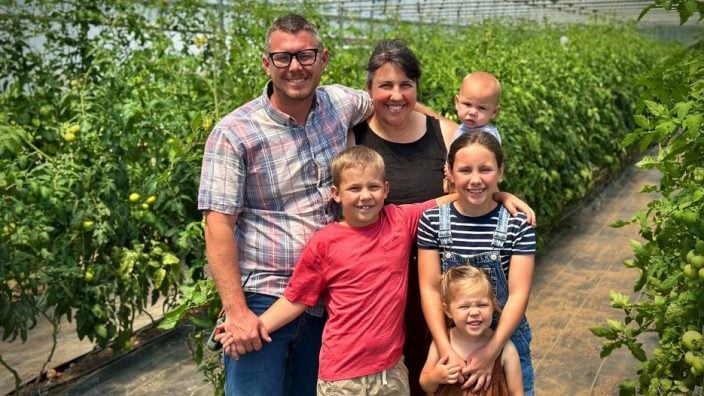
Montgomery County Farm Bureau member Michael Kilpatrick, owner and operator of The Farm on Central in Carlisle, Ohio, speaks frequently on the topic of farmer burnout.
Read More

Faced with the evolving demands of modern agriculture, Ohio’s small farms are finding diversification success through innovation and expansion, creating sustainable futures for their operations.
Read More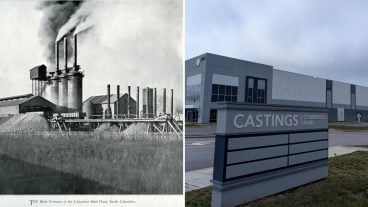
Farmland should be seen as a national resource is a view encapsulated in Farm Bureau’s recent policy supporting the creation of a national farmland preservation strategy.
Read More