








How market consolidation impacts small farms
Nationwide offers tools and coverage to help small farmers remain resilient in a consolidating market.
Read MoreThe following information is provided by Nationwide, your approved insurance and financial services company.
Market consolidation in agriculture continues to reshape the landscape.
Between 2017 and 2022, the number of U.S. farms dropped by over 7%, while the average farm size increased from 441 to 463 acres. This reflects a long-term trend of consolidation, where fewer, larger entities dominate the market. If you’re running a small or midsize farm, you’ve probably felt the effects. But with the right tools and support, you can stay competitive and resilient.
For many reasons, smaller farms often face more challenges when markets shift. Knowing these challenges is the first step to overcoming them. Challenges include:
Market consolidation happens when a few big players dominate a part of the industry. It’s not just about big farms. It also affects the companies that supply your farm. For example, many of the sectors that provide inputs to farms, such as seed, fertilizer and equipment, are now controlled by just a few large companies. This can lead to higher prices for the products you rely on, fewer choices when it comes to seed varieties or equipment brands, and more dependency on specific suppliers or technologies. Understanding this helps you plan smarter and protect your operation from unexpected changes.
Insurance isn’t just about protecting against disasters; it’s about building a stronger, more stable future for your farm. Whether you’re managing rising input costs, unpredictable weather or planning for the next generation, the right support can make all the difference.
Nationwide offers tools and coverage to help small farmers remain resilient in a consolidating market.
Visit AgInsightCenter.com for more resources and expert tips to help you run a successful business and maintain the safety of your operation.
Nationwide, the Nationwide N and Eagle, and Nationwide is on your side are service marks of Nationwide Mutual Insurance Company. © 2025 Nationwide.



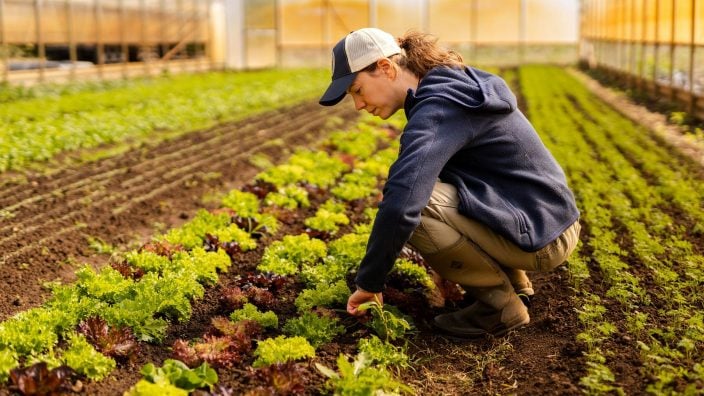
Nationwide offers tools and coverage to help small farmers remain resilient in a consolidating market.
Read More

Like many small farmers, Julianne McCormick isn’t afraid to jump into new opportunities that can expand her income.
Read More
Take a walk down memory lane with some of our Young Agricultural Professionals contest winners from years past.
Read More

Diversification has emerged as one of the most effective strategies for small farms to address the challenges of market uncertainties.
Read More

Winners of the 2025 Growing Tomorrow Grant, Nathan and Jill Parrimans’ small, regenerative family farm is dedicated to sustainable agriculture, community engagement and rural revitalization.
Read More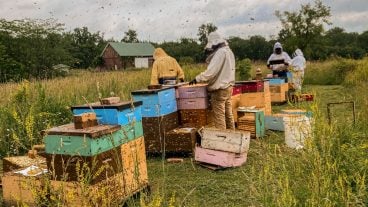
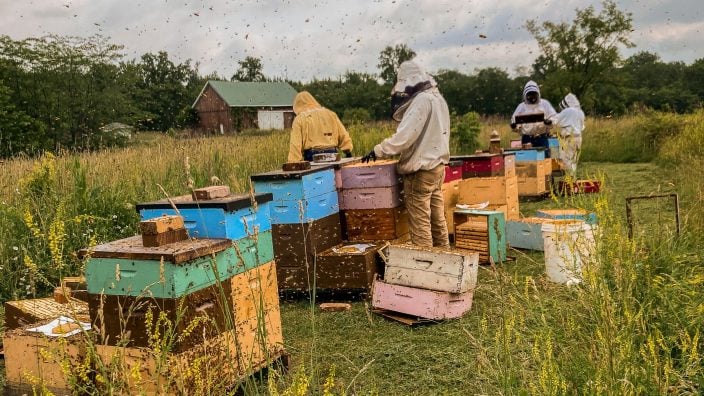
Farmer-beekeeper collaborations are essential for maintaining healthy bee populations and ensuring successful crop pollination.
Read More
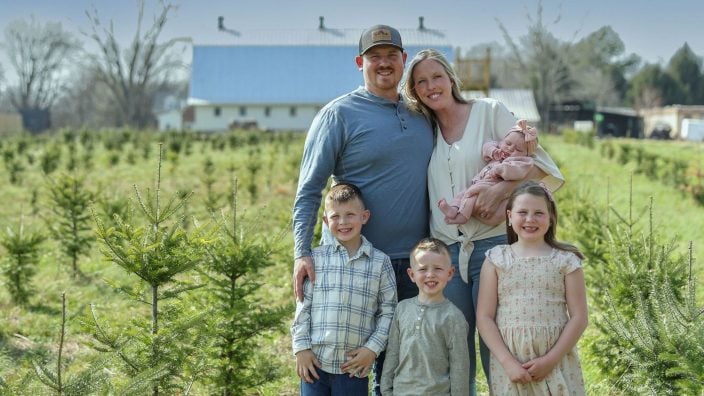
Small Farms, Big Ventures is the central theme of the May/June Our Ohio magazine. Farm operation diversification can take many forms; finding different avenues for ag income isn’t for the faint of heart.
Read More
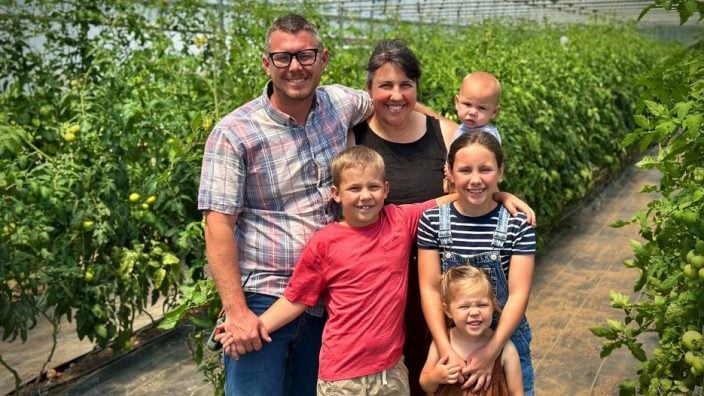
Montgomery County Farm Bureau member Michael Kilpatrick, owner and operator of The Farm on Central in Carlisle, Ohio, speaks frequently on the topic of farmer burnout.
Read More

Faced with the evolving demands of modern agriculture, Ohio’s small farms are finding diversification success through innovation and expansion, creating sustainable futures for their operations.
Read More

Farmland should be seen as a national resource is a view encapsulated in Farm Bureau’s recent policy supporting the creation of a national farmland preservation strategy.
Read More