


Applications for Ohio Farm Bureau Health Plans now available
Members have three ways to apply: contacting a certified agent, calling 833-468-4280 or visiting ohiofarmbureauhealthplans.org.
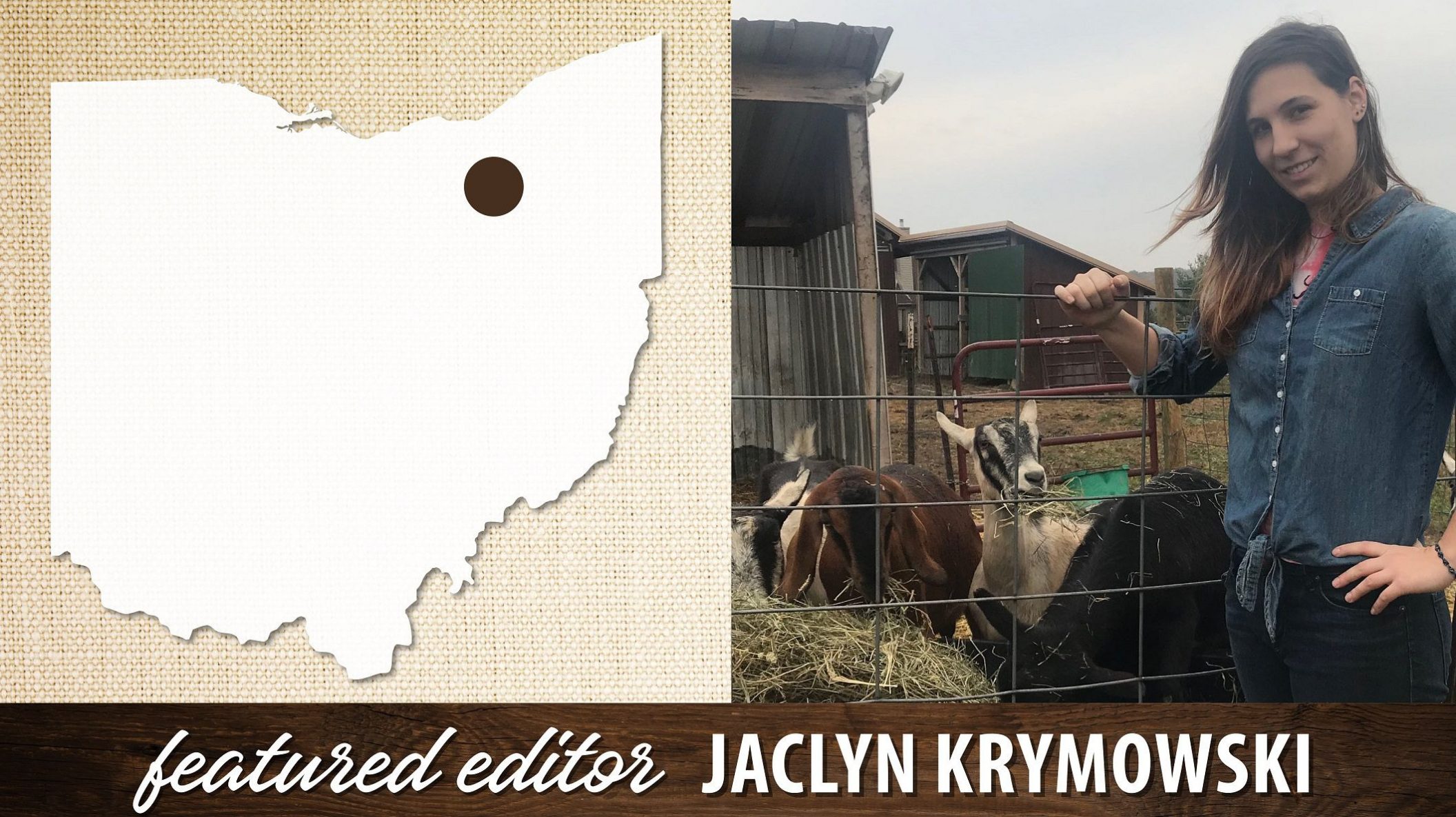
Read MoreJaclyn Krymowski from Medina County is the editor of the Nov. 4, 2019 Growing our Generation enewsletter, featuring insights and ideas directly from Ohio’s young farmers and food and agricultural professionals.
Hello Ohio agriculturalists! My name is Jaclyn Krymowski, currently agriculture communications specialist for the American Jersey Cattle Association, blogger, freelance ag writer, passionate agvocate and aspiring agribusiness entrepreneur. I am the first generation to raise registered Alpine and Nubian dairy goats in Medina County.
Growing up a 4-H kid with limited acreage, I became fascinated by the specialty livestock industries and their untapped potential role in conventional agriculture. Future me hopes to purchase a farm of her own with a focus on raising meat rabbits, chevon (the real term for goat meat!), dairy goats (for their value-added products like fudge and soap), poultry and veal. As someone small and beginning, I’m intrigued by the abundant social media marketing opportunities for direct to consumer marketing, advertisement, and subscription-based product services.
A graduate of Ohio State, I’ve put my animal science and communications studies to work with my own startup, The Herdbook Ag Media where I do ag freelance writing and graphic design. Be sure to check out my blog where I discuss topics relative to young ag professionals and follow me on Instagram.
 Technology sort of dictates the speed and direction of our society, for better or for worse. Those far removed from agriculture probably don’t realize that we are, and always have been, some of the earliest innovators and adapters of new technology. From crop science to genetics to robotic equipment to chemistry and beyond, we as farmers have always cared about finding new ways to accomplish old tasks. This allows us to be more efficient and sustainable at what we do, benefiting our businesses, the consumer and the environment.
In spite of this, there are plenty of obstacles in bringing technology to rural communities. Internet access and cell service are prime examples. In a world quickly becoming more vested in ecommerce, social media, advertising, and remote working opportunities, lack of such a connection can be crippling to rural communities and agribusinesses. Making up a small percent of the population, many are blissfully unaware this is a serious issue.
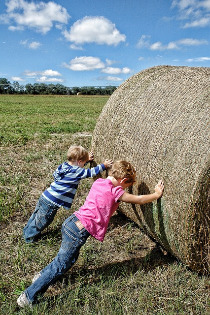
 Farms come in all shapes, sizes and backgrounds. There’s as many ways to farm as there are farmers, we all know that, right? Unfortunately, most of the rest of the world doesn’t see things like that. Farmers have always been put into a weird sort of box by society. A “real” family farm should have a big old linseed oil paint red barn, a few gentle rolling pastures, free ranging chickens and maybe a handful of simple laborers. I get very tired of seeing this imagery trotted out as the only “ideal” image of what the family farm looks like. There are a lot out there who argue once a farm is deemed “too big” it’s some scary corporation and not a real authentic family-owned and operated farm.
The fact is, the USDA numbers don’t lie – some 90% of all U.S. farms are proudly family owned and operated. They may look very different now, as operations must grow and change to support families in a new economy – think of partnerships, incorporating, and leased land. Check out my take on this topic in this piece I did for AGDAILY.
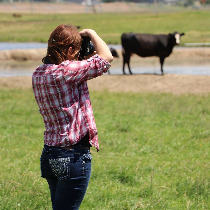
 I’d wager the vast majority of you reading this are proud 4-H and/or FFA alums. Anyone who’s been a part of either program has plenty of stories to tell. We could go on for hours about how they contribute to professional development, foster an early love of agriculture, and teach responsibility and business skills. But there’s also the other side effects of these programs – character and virtue. Every year around fair season, we see local newspaper headlines about a kid who selflessly sold his or her hog or lamb, choosing to donate all the funds to a family going through hard times or a classmate struggling with medical issues. We nod our heads in admiration, but it’s worth the question, why? I think the answer lies in the agriculture community that goes hand in hand with participation in these youth programs.
 2019 has been a rough year for agvocacy. Between tense politics, concerns about sustainability, the rise of “fake meat” and animal rights activism, there’s been a lot going on within the ag side of social media. None caused such a viral sensation as the Fair Oaks Farm incident in June. Fair Oaks Farm has long been an upstanding establishment dedicated to public education and supporting conventional agriculture. Not to mention, they’ve been great innovators for ag tourism and products such as fairlife milk. But a single video leaked by undercover activists brought this ag empire under fire overnight. As heartbreaking and horrific as the situation was, it does bear a lot to be learned. No matter how big or small your operation may be, it’s important to always be vigilant in upholding animal welfare and aware of those with nefarious agendas. Beef Magazine did a great job taking this situation and applying it to other areas.
SUBSCRIBE to receive Growing our Generation, a biweekly eletter with a different featured editor to meet each issue. Browse the archive of past issues.
This e-newsletter is brought to you by Ohio Farm Bureau’s Young Ag Professionals. Learn more about Farm Bureau membership, including a discounted category for those 18-24 years old.


Members have three ways to apply: contacting a certified agent, calling 833-468-4280 or visiting ohiofarmbureauhealthplans.org.
Read More
2026 camps feature an expanded lineup of one-day experiences and a weeklong immersive camp for high school students. Registration closes 10 days before each experience.
Read More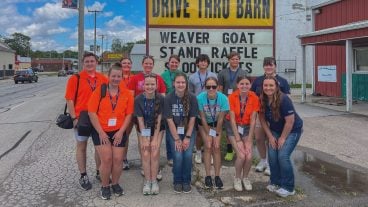
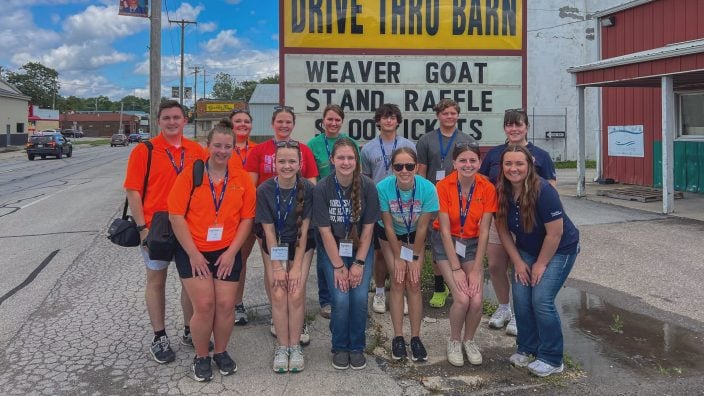
Growing our Generation enewsletter features insights and ideas directly from Ohio’s young farmers and food and agricultural professionals. Sign up…
Read More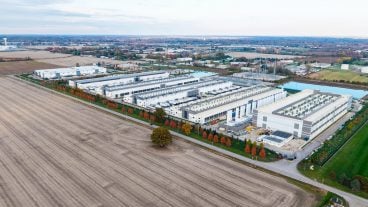
A recording of the webinar is available to Farm Bureau members. Please log in to your member account at ofbf.org, then click the link to access the recording.
Read More
Across both bills, Ohio Farm Bureau reinforced that development can provide economic opportunity, but must be balanced with strong protections for landowners and Ohio agriculture.
Read More
As ODOT accepts public comments until April 14, it is critical that impacted farmers and rural landowners weigh in while the study is underway.
Read More
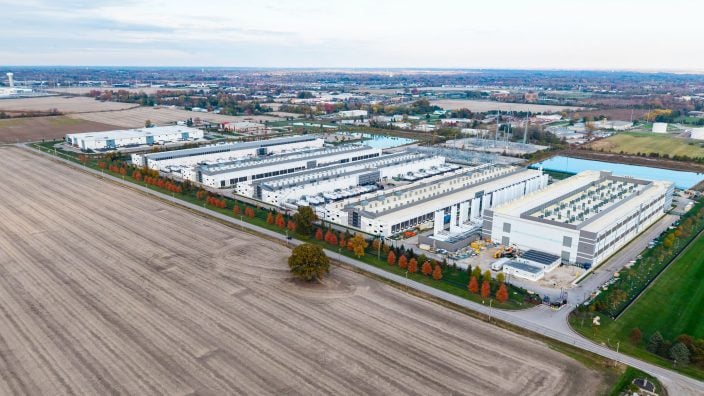
Ohio Farm Bureau is urging its members to contact their Ohio legislators to ask them to repeal the Data Center Sales Tax Exemption.
Read More
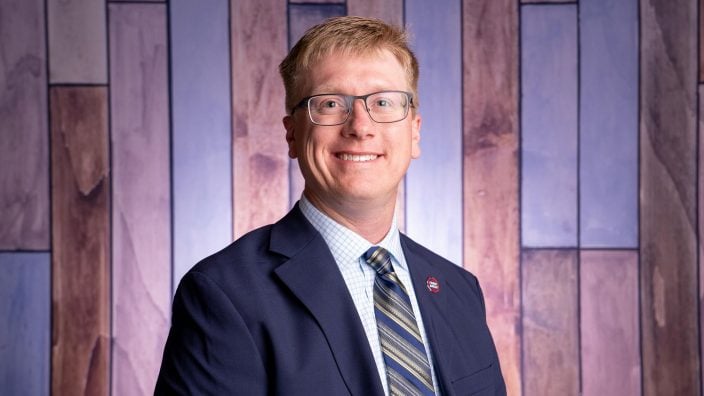
Derek Snider has been appointed to the American Farm Bureau Federation’s Young Farmers & Ranchers Committee for the 2026-2028 term.
Read More
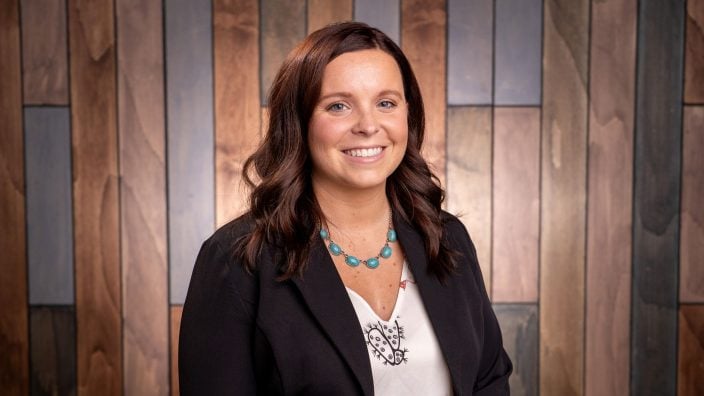
Olivia Robinson of Hanover has been named organization director for Ohio Farm Bureau and will serve members in Guernsey, Morgan, Muskingum and Perry counties.
Read More
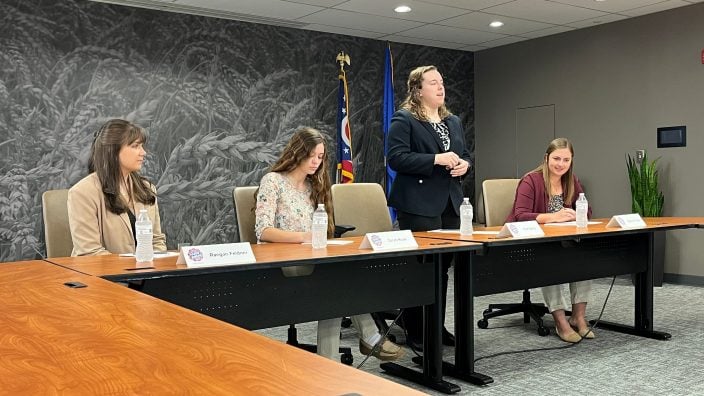
Ruth Beery of Wilmington College Collegiate Farm Bureau is the winner of Ohio Farm Bureau’s 2026 Collegiate Discussion Meet competition….
Read More