


Applications for Ohio Farm Bureau Health Plans now available
Members have three ways to apply: contacting a certified agent, calling 833-468-4280 or visiting ohiofarmbureauhealthplans.org.
Read MoreAn interesting place you can visit during these difficult times is the Middlefield Original Cheese Cooperative on state Route 87, just east of Middlefield. This cooperative is the only Amish owned and operated cheese-making facility in the area.
This cooperative now is making several different kinds of cheese. Right now, it is processing about 140,000 gallons of organic milk per week that comes from the Lancaster, Pa., area.
A group of organic producers over there lost the processor that was making their cheese. So they looked to the Middlefield cooperative to help them. According to Nevin Byler, co-op manager, employees are working 10-hour days, five days per week, to get the milk made into cheese.
In addition to this cheese, it continues to make a special kind for five Indian restaurants in the Cleveland and Washington, D.C., areas. The market for this cheese had been good until the coronavirus hit and forced these restaurants to close. Now they are beginning to open up, and demand for the special cheese is coming back.
The cooperative has a group of local producers who feed their cows only grass products. Their milk is used to make a grass-fed cheese that some people prefer because of certain health qualities. It is available at the co-op’s retail store.
A small group of goat farmers sends milk to the cooperative, where it is made into goat cheese. Some people prefer this cheese, and you also can buy it at the retail store.
Several American-type cheeses continue to be made from local milk. These include their cheddar, one kind they have won some state awards with. Other American types include colby, monterey jack, farmers, marble and more.
It also makes its own high-quality Swiss cheese that requires a different process than the other cheeses.
The retail store is open daily except for Sunday for customers to buy products such as locally made jams and jellies, maple syrup, bakery products, and more. They usually have cheese samples available for tasting. Masks and social distancing are encouraged. A big viewing window allows customers to see cheese being made.
Before the virus, the co-op cheeses were being sold to a number of northeastern Ohio outlets. Customers are beginning to come back to buy these quality products.
Looking at a different way to use dairy products, a New York company is taking an unusable dairy byproduct and making it into hand sanitizer. Originally, it planned to make a beverage-grade alcohol, but it found the demand for hand sanitizer was good and changed plans for now.
To produce this 80% alcohol product, it gets five gallons of recyclable water for each gallon of sanitizer. This makes its process more environmentally friendly,
Right now, the company’s hand sanitizer is being sold to the government and other outlets. This company hopes, at some point, to get back to its original plan to make a beverage-grade product.
Using this milk byproduct to make another product in high demand is an example of research at work. We find, through various research methods, ways to use our farm products that we never thought possible. Agricultural research is essential if we are going to feed our nation and other parts of the world. It is amazing that less than 2% of our population feeds our country and exports to others.
Submitted by John Parker, a professor emeritus at The Ohio State University and an independent agricultural writer.
OFBF Mission: Working together for Ohio farmers to advance agriculture and strengthen our communities.


Members have three ways to apply: contacting a certified agent, calling 833-468-4280 or visiting ohiofarmbureauhealthplans.org.
Read More
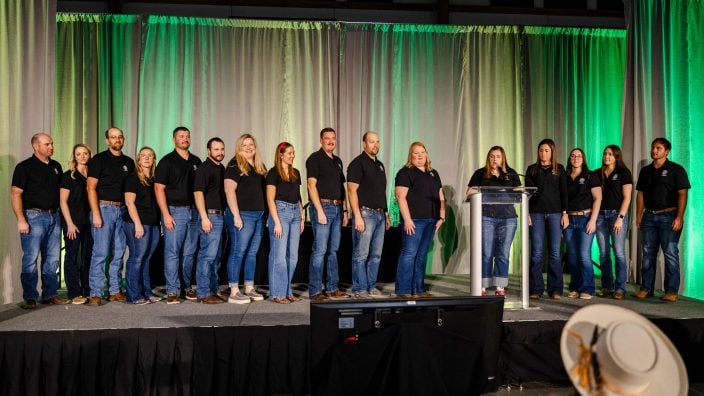
Members ages 18-34 who are interested in developing their leadership skills and enhancing programming for their peers should apply.
Read More
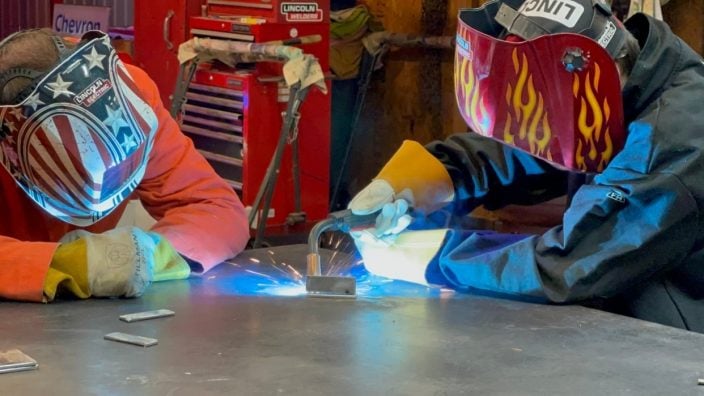
Senate Bill 328 is legislation designed to strengthen career-connected learning and better prepare students for Ohio’s workforce needs.
Read More
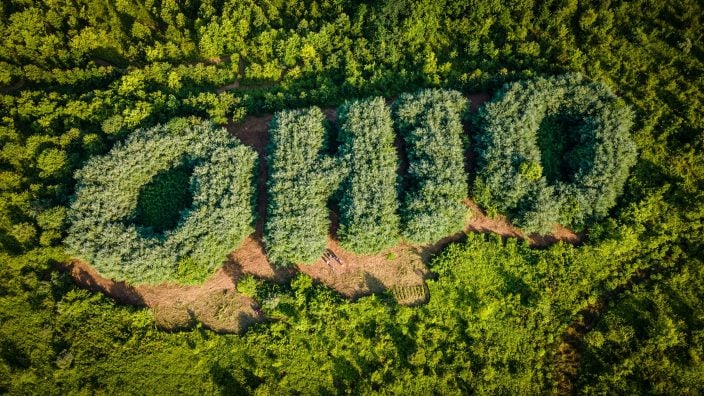
With the Family Forest Carbon Program, you can have a successful farm and get paid to grow healthy forests.
Read More
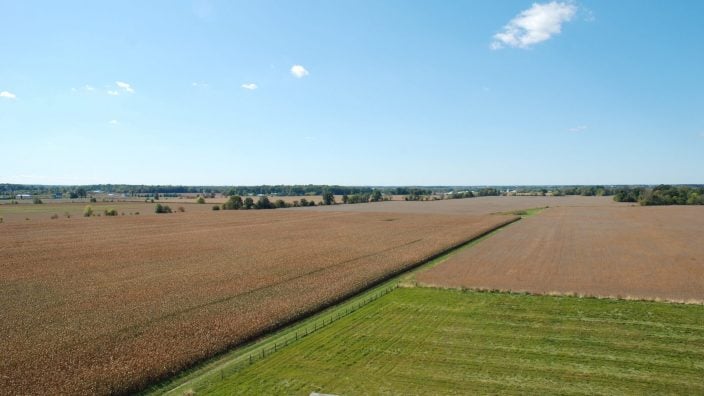
Ohio Farm Bureau recently sent a letter to Congress calling for the swift passage of the Farm, Food, and National Security Act of 2026 (HR 7567).
Read More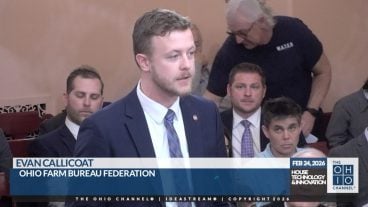
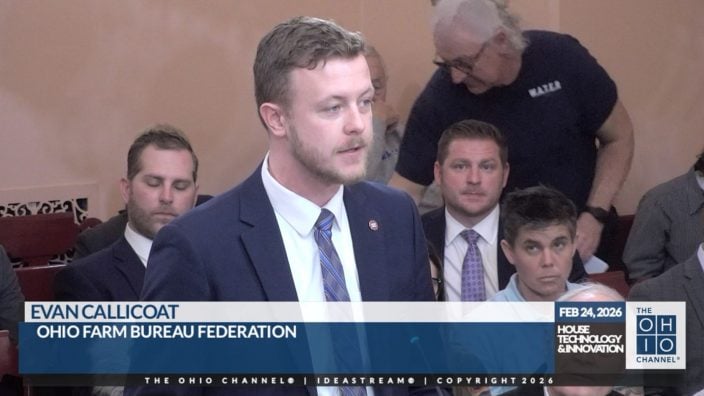
House Bill 646 would establish a Data Center Study Commission to examine the impact of rapid data center development across the state.
Read More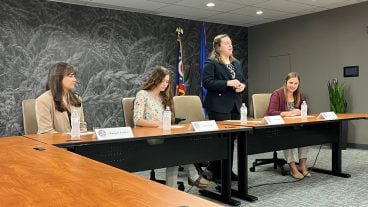
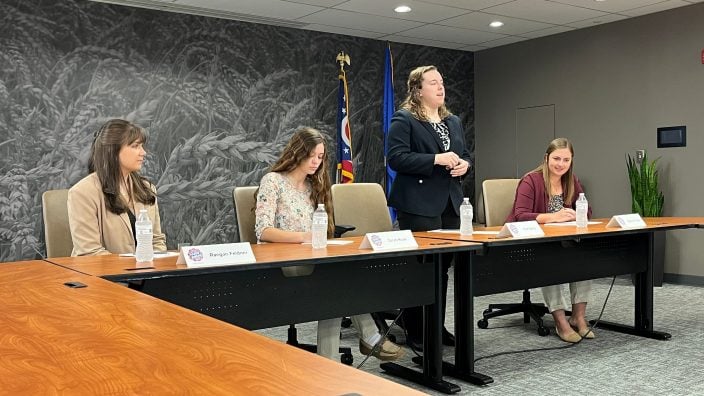
Collegiate Farm Bureau serves as a connection to current industry professionals and equips the next generation with the essential tools and resources needed to excel in their careers.
Read More

Ohio Farm Bureau members met one-on-one with state legislators and staff to discuss policy priorities impacting Ohio’s farms and rural communities.
Read More
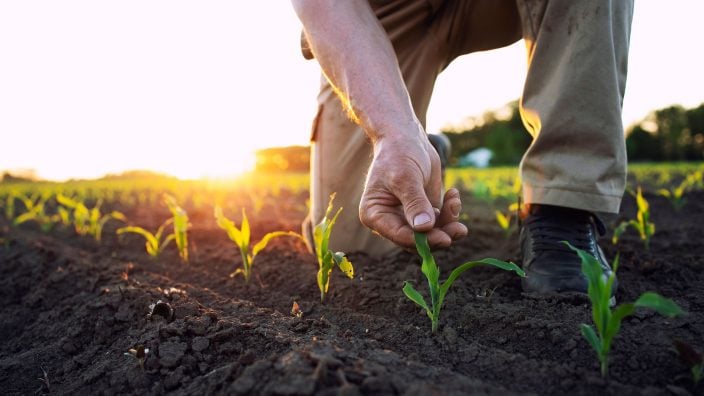
Legacy nutrient deductions enable new farmland owners to claim deductions on the nutrients within the soil on which healthy crops depend.
Read More
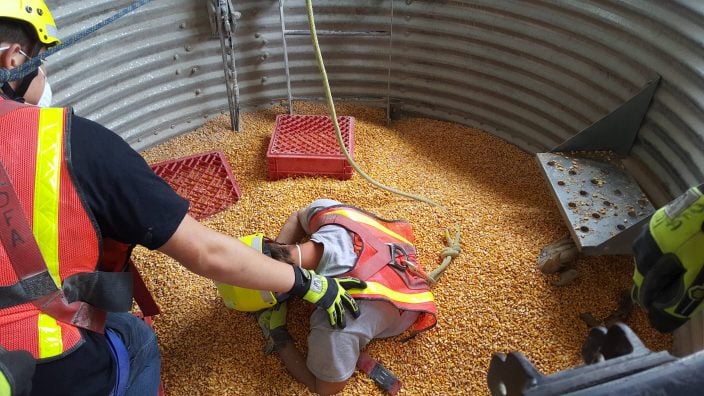
Farmers, agribusinesses and community members are encouraged to nominate their local fire departments for Nationwide’s Nominate Your Fire Department Contest through April 30.
Read More