






Applications for Ohio Farm Bureau Health Plans now available
Members have three ways to apply: contacting a certified agent, calling 833-468-4280 or visiting ohiofarmbureauhealthplans.org.
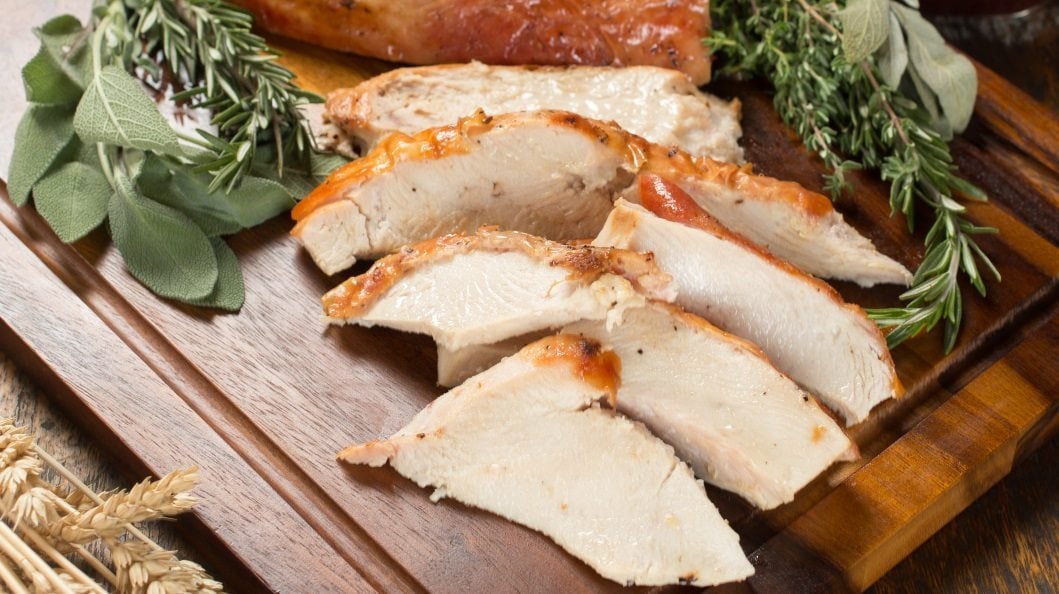
Read MoreHas 2020 been a wild ride or what? In school instruction or remote learning, masks or no masks, essential work or being paid to stay home, testing lines or voting lines, one thing remains the same — most Americans will eat turkey on Thanksgiving.
 Did you know that nearly 20% of the turkeys raised this year, approximately 44 million, will be on Thanksgiving tables in two weeks? Of the 222 million turkeys raised this year, the majority come from six states. Minnesota is the top producer with 39 million, followed by Arkansas with 31 million, North Carolina with 30 million, Indiana with 20 million, Virginia with 16.3 million and Missouri with 16 million. Ohio didn’t make the top six, but still contributes by raising 5.9 million turkeys annually.
How do farmers and processors meet this huge, one-day demand? How will they compensate for this year’s demand for smaller birds? U.S. farmers and processors provide turkey and turkey products for consumers year-round. Meeting the holiday season demand is greatly aided by frozen storage.
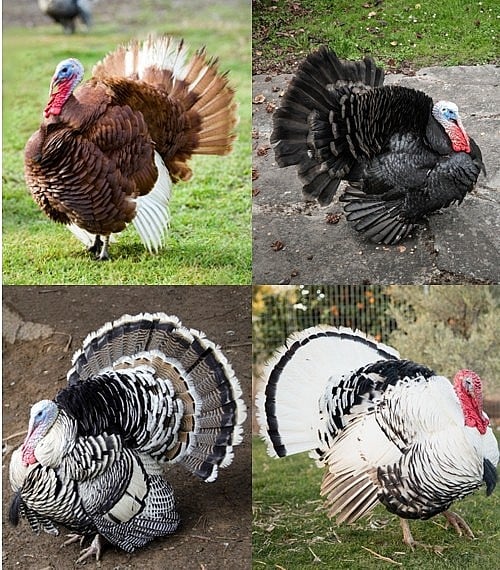
The largest and most commercially raised turkey in the U.S. is the Broad-Breasted Whites. They are very efficient growers, converting feed to white breast meat in the shortest possible time.
There are also 13 recognized heritage turkey breeds commonly raised in the U.S. The hens (females) range in weight from 10 to 20 pounds, while the toms (males) average 16 to 30 pounds.
Bourbon reds are noted for their beautiful red plumage and were first bred in the 1800s in Bourbon County, Kentucky. They also are considered one of the best-tasting breeds.
Originally from Rhode Island, Narragansett turkeys were the staple of the New England states.
The smallest of the heritage breeds is the Royal Palm. Because of its size, it is generally not grown commercially for meat production, but for exhibition. They are a beautiful bird with black and white plumage.
A relatively new breed is the Midget White, which was developed in the 1960s by researchers at the University of Massachusetts. They are a cross of Royal Palm and Broad-Breasted Whites and known for their deep, delicious flavor.
Beltsville Small Whites were developed in the 1930s and are about the same size as the Midget Whites, but with wider breasts. They are prolific layers and not very social compared to other breeds.
White Hollands were originally bred in Holland and migrated with early settlers to the colonies. These calm birds are the biggest of the heritage breeds.
Standard Bronze turkeys have been the most popular turkey in American history. They were originally a cross between the turkeys brought to the colonies by Europeans and the native wild turkeys of America.
The final breed is called a Black, sometimes called Black Spanish or Norfolk Black turkeys. This breed was domesticated from Mexican wild turkeys brought back to Europe by the first Spanish explorers who visited the New World.
As this year’s holiday season approaches and this crazy year comes to an end, remember that there is always something you can be thankful for. For starters, let’s thank the turkey farmers and processors who plan ahead so that we all can have a turkey for our Thanksgiving celebrations.
Submitted by Mary Smallsreed, a member of the Trumbull County Farm Bureau, who grew up on a family dairy farm in northeast Ohio.
OFBF Mission: Working together for Ohio farmers to advance agriculture and strengthen our communities.


Members have three ways to apply: contacting a certified agent, calling 833-468-4280 or visiting ohiofarmbureauhealthplans.org.
Read More
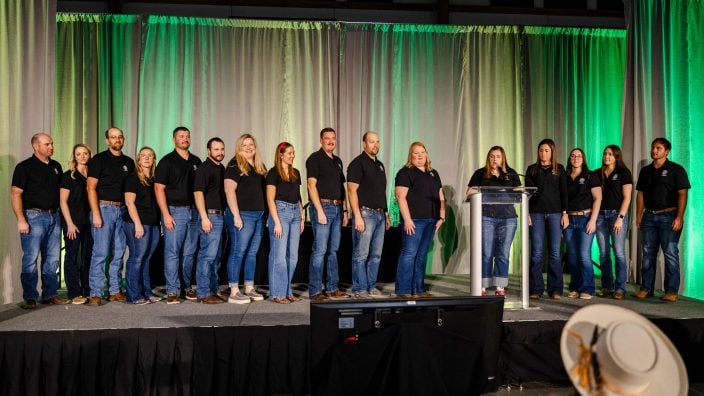
Members ages 18-34 who are interested in developing their leadership skills and enhancing programming for their peers should apply.
Read More

Senate Bill 328 is legislation designed to strengthen career-connected learning and better prepare students for Ohio’s workforce needs.
Read More

With the Family Forest Carbon Program, you can have a successful farm and get paid to grow healthy forests.
Read More

Ohio Farm Bureau recently sent a letter to Congress calling for the swift passage of the Farm, Food, and National Security Act of 2026 (HR 7567).
Read More
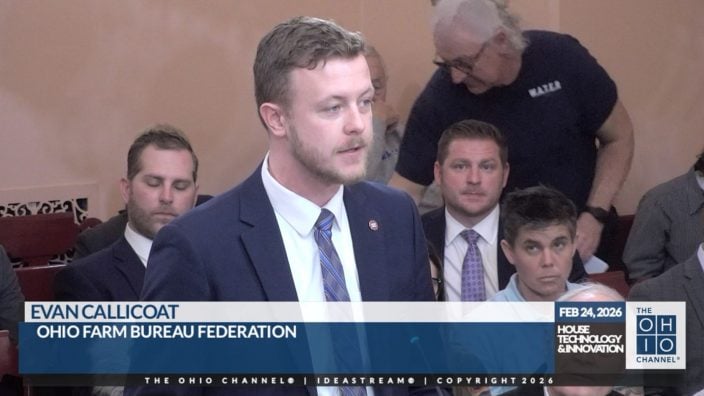
House Bill 646 would establish a Data Center Study Commission to examine the impact of rapid data center development across the state.
Read More
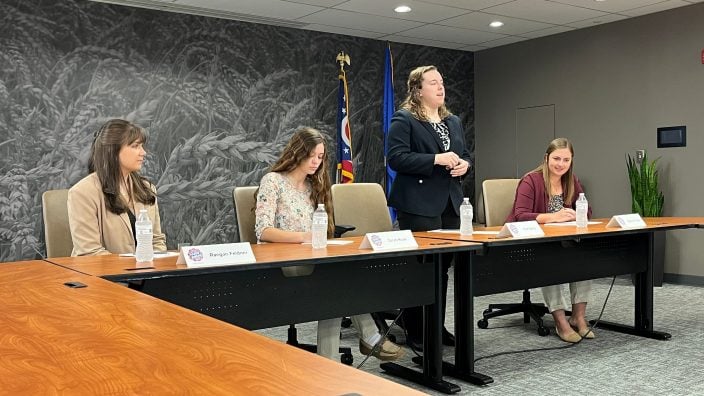
Collegiate Farm Bureau serves as a connection to current industry professionals and equips the next generation with the essential tools and resources needed to excel in their careers.
Read More

Ohio Farm Bureau members met one-on-one with state legislators and staff to discuss policy priorities impacting Ohio’s farms and rural communities.
Read More

Legacy nutrient deductions enable new farmland owners to claim deductions on the nutrients within the soil on which healthy crops depend.
Read More
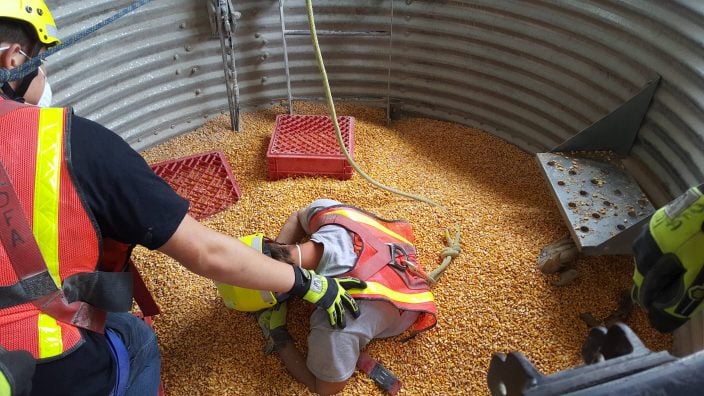
Farmers, agribusinesses and community members are encouraged to nominate their local fire departments for Nationwide’s Nominate Your Fire Department Contest through April 30.
Read More