

Fun facts about dairy cows
The dairy farmers across America send many thanks to consumers for buying milk, cheese and other dairy products!
Read MoreHappy Thanksgiving, everyone! Thanksgiving is by far my favorite holiday of the year. I look forward to standing outside drinking a beer while making sure the deep fryer doesn’t set the neighborhood on fire. The highlight of the traditional Thanksgiving meal is obviously the turkey, but the green beans, cranberries, sweet potatoes, apples, and pumpkin are all products of a successful harvest. The preparations for Thanksgiving dinner can feel like a tall order, including shopping, getting the turkey thawed on time, the logistics of cooking multiple dishes in one oven, cleaning the house so your in-laws don’t judge, decorating, and coordinating family schedules.
While we are probably all focused on just these few days of work immediately before the holiday, it pales in comparison to the thousands of people across the country who have been working for months to make this holiday meal possible. To start, the turkeys that most of us will be serving this year were fed on the corn, soybeans, and small grains planted and harvested by farmers in 2022. From the time turkey poults (the term for baby turkeys) hatch until they reach their mature weight, they will consume approximately 60-80 pounds of grain. To feed the 40 million turkeys consumed on Thanksgiving alone, this equates to more than 2.4 billion pounds of grain.
Raising a turkey from hatching to market weight takes between three to five months. During this time, turkey farmers will need to check on the turkeys multiple times a day to ensure that they have adequate food, clean water, and are healthy. After the turkeys reach a mature weight, they are then sent to a processing plant or butcher to be prepared for your kitchen. Once we include in this equation the feed mill operators, truck drivers, hatchery employees, and others who help along the way, we can see a more complete picture of the people it takes to produce the food we eat.
And that’s just the turkey! Thinking about the side dishes, whether it’s green beans or pumpkin pie, we can talk about the farmers, laborers, employees at packing facilities and many more who are involved in making sure those agricultural products make it to your Thanksgiving table.
Thanksgiving has grown to include many traditions unique to each family in the United States, but the roots of the holiday are closely tied to the agricultural heritage of our country. Long before football and black Friday shopping were added to the mix, this holiday existed solely as a way for communities and families to celebrate a successful harvest. Early Thanksgiving festivities began when nearly 90% of the population lived on farms, and they relied on the food they produced each year to feed their family. A failed harvest likely meant a long winter with very little extra food available. Celebrating a successful harvest means a lot today, but it certainly had different consequences in our past.
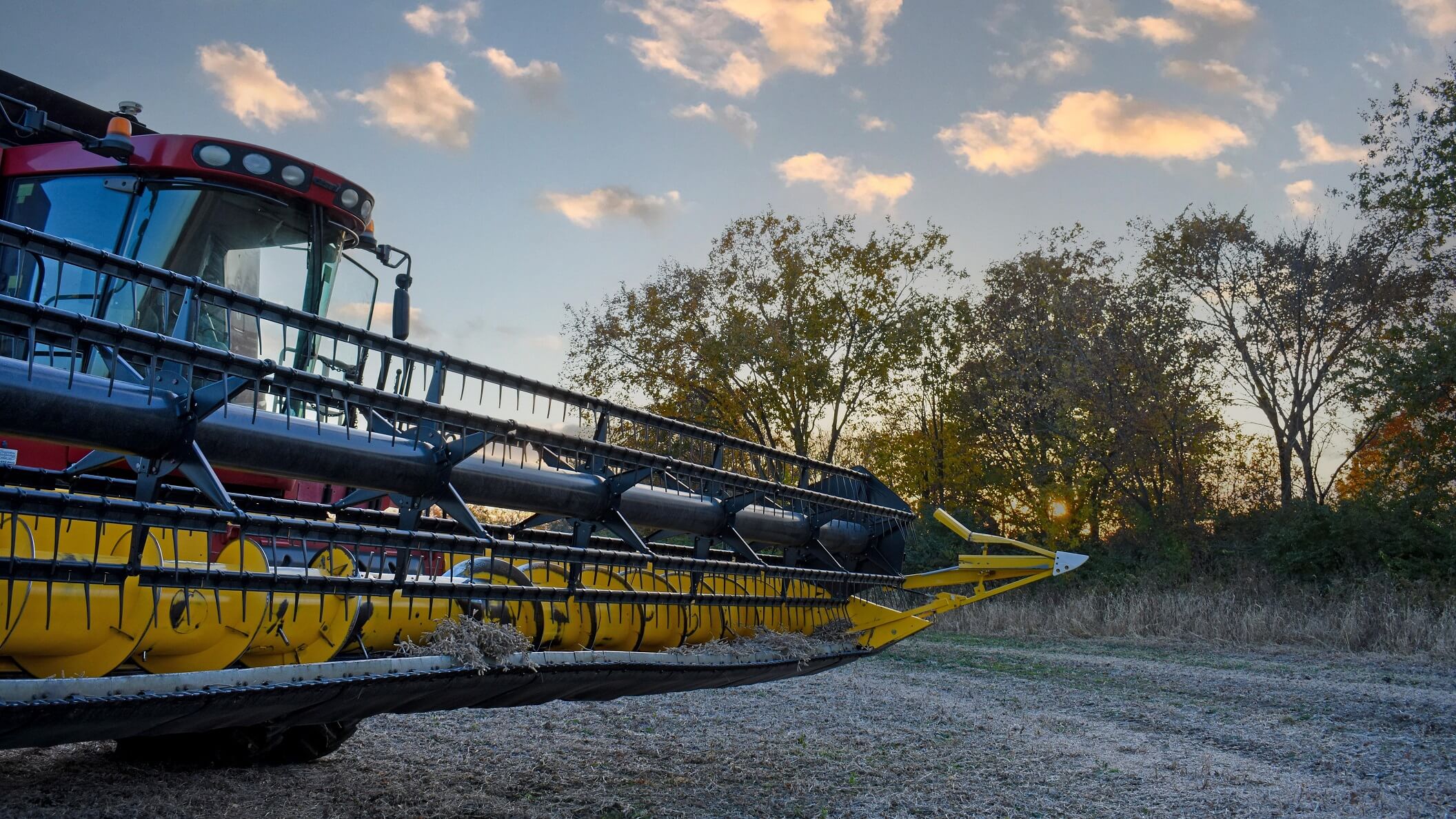
As our Trumbull County farmers wrap up their harvest this fall and sit down to rest on Thursday, please give thanks to the farmers that made our meals possible. Whether they are raising beef, milking cows, growing vegetables in a greenhouse, or raising mushrooms in controlled environments, they work hard to feed our country.
While we’re falling asleep watching football, they will all probably be back out doing more farm chores, because it’s a job that never stops.
Happy Thanksgiving!
Submitted by Lee Beers, an agriculture & natural resources educator for OSU Extension-Trumbull County. He can be reached at [email protected]
OFBF Mission: Working together for Ohio farmers to advance agriculture and strengthen our communities.


The dairy farmers across America send many thanks to consumers for buying milk, cheese and other dairy products!
Read More

Check on your kids. Check on the friend who has been unusually quiet. Check on the farmer who hasn’t been at the coffee shop lately. Check on the person who is always the strong one for everyone else.
And when someone tells you they are struggling, listen.
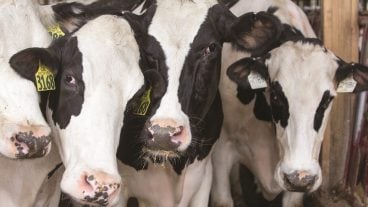

Knowing how a certain cow acts or responds can often indicate something about her health and well-being as well.
Read More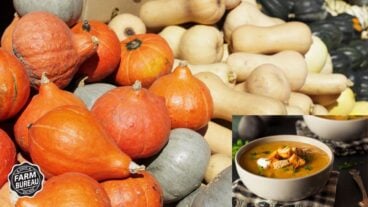
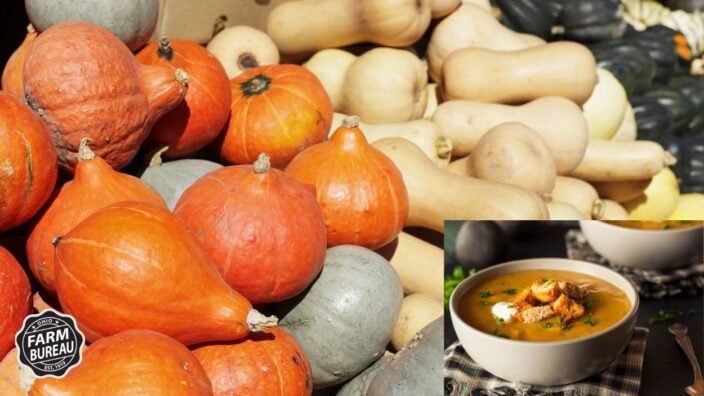
This fall, as you’re picking up a pumpkin spice latte or an apple cider doughnut, don’t forget to bring home a squash.
Read More

Preparation may not be as exciting as purchasing new equipment, but when an emergency occurs, it can be one of the best investments you ever make.
Read More
The Grange was a place to meet with and get to know your neighbors in a safe, family-friendly atmosphere.
Read More