

Fun facts about dairy cows
The dairy farmers across America send many thanks to consumers for buying milk, cheese and other dairy products!
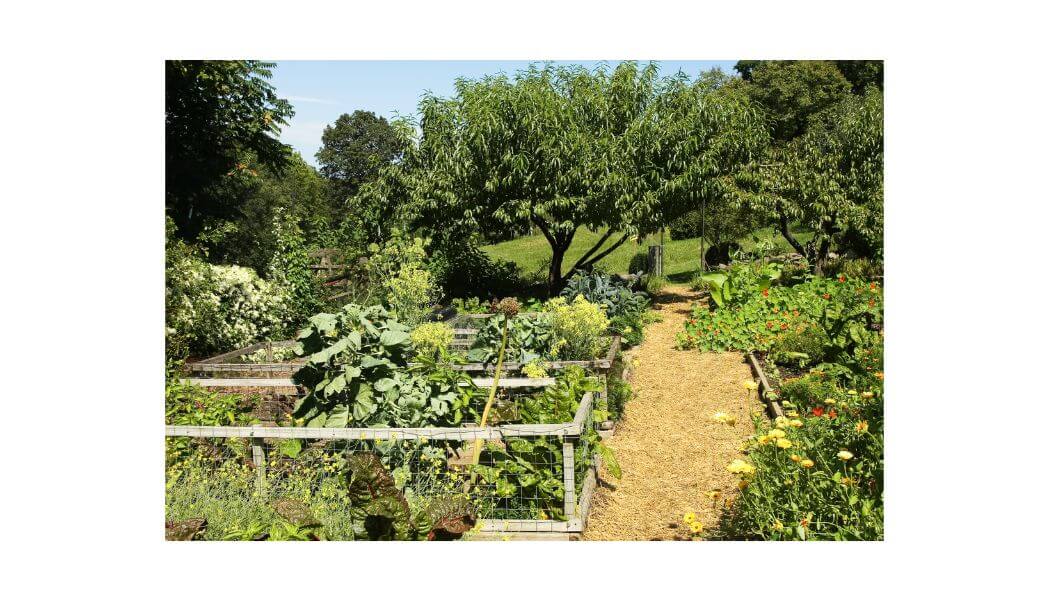
Read MoreHello, Everyone! Gardening season is off to a challenging start with dry weather, insect pests and heat. If your garden is not looking great, you may find comfort in knowing you are not alone.
We have received many questions regarding failed gardens this year, ranging from poor seed germination to seedlings lacking vigor to insect pests.
In a good year, seed germination rates should be well above 85% for most crops. This year, I have seen germination rates as low as 25%. I attribute most of the poor germination to poor planting conditions.
Wet weather early this spring delayed garden preparation, and some gardeners worked the soil while it was too wet. When you run a tiller through wet soil, you create mud clods that are hard to break down with further tilling. When these clods dry out, they can feel and act much like concrete.
Instead of a nice seedbed maximizing seed to soil contact, the seeds will fall through the clods and have poor soil contact. Seeds will take up less water in these environments preventing germination, and if they do germinate they are more likely to dry out.
Even if you waited for the perfect conditions, and created a perfect seed bed, heavy rains could have caused soil surface crusting. Crusting is caused by heavy rain that compacts the top layer of soil. Heavy rain also moves smaller soil particles into gaps in the soil surface sealing it off.
As seeds germinate and begin to grow toward the soil surface, they may not be able to break through the crust to reach sunlight. You can prevent crusting by increasing soil organic matter with the addition of compost, utilizing cover crops and reducing tillage.
You can also gently rake the soil surface to break up the crust, but you will need to do this immediately after the rain. Once seedlings become stalled at the soil surface, they will quickly use the remaining energy from the seed.
The poor planting conditions mentioned above can lead to reduced root formation. Without a good root system, plants cannot take up water or nutrients to promote growth, and it is especially important in hot and dry weather.
During dry conditions, we also tend to see more frequent nutrient deficiencies. This may not necessarily be due to inadequate nutrient levels in the soil, but there is not enough water to move the nutrients to the root zone. It is a good idea to test your soil on a regular basis so you know your current nutrient levels.
We are also dealing with relatively higher insect pressure than previous years. This is likely due to our warm early spring that encouraged the emergence of insects two to three weeks earlier than normal.
If it feels like there are more bugs this year, you may be right. Instead of seeing a steady emergence of insect species during the spring and summer, they emerged closer together making it seem like we are in an insect invasion.
Before you reach for the bottle of insecticide, make sure you know the good bugs from the bad. Also read the label. Over the last several years, popular brands have changed their active ingredients.
Even though you buy your favorite name brand pesticide, what’s inside the bottle may be different. Be sure to read the label to find updated application rates, target species, and suitable crops.
If you have any questions about your gardens, OSU Extension and the Trumbull County Master Gardener Volunteers are here to assist. Give us a call at 330-638-6783, drop off samples at our office in Cortland, or send an email.
Submitted by Lee Beers, an Agriculture & Natural Resources Educator for OSU Extension-Trumbull County.
OFBF Mission: Working together for Ohio farmers to advance agriculture and strengthen our communities.


The dairy farmers across America send many thanks to consumers for buying milk, cheese and other dairy products!
Read More

Check on your kids. Check on the friend who has been unusually quiet. Check on the farmer who hasn’t been at the coffee shop lately. Check on the person who is always the strong one for everyone else.
And when someone tells you they are struggling, listen.
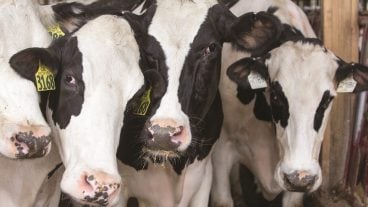

Knowing how a certain cow acts or responds can often indicate something about her health and well-being as well.
Read More
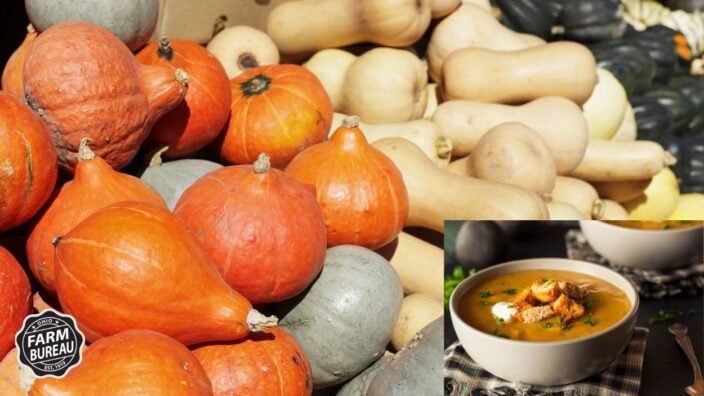
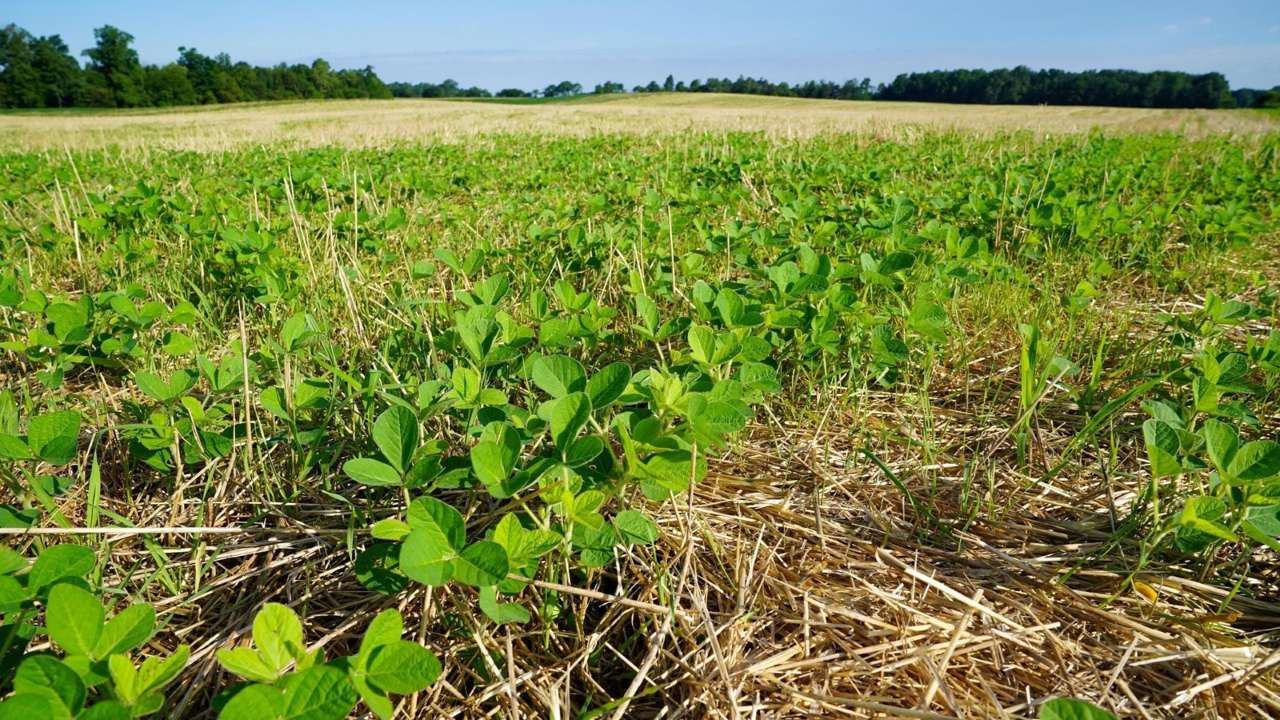
This fall, as you’re picking up a pumpkin spice latte or an apple cider doughnut, don’t forget to bring home a squash.
Read More

Preparation may not be as exciting as purchasing new equipment, but when an emergency occurs, it can be one of the best investments you ever make.
Read More
The Grange was a place to meet with and get to know your neighbors in a safe, family-friendly atmosphere.
Read More