Soil

Hello, Everyone.

The KISS design principle — coined by the U.S. Navy in the 1960s — emphasizes simplicity over complexity. Even if you are not familiar with the term, you have probably heard it phrased as “Keep it simple, Stupid” or “Keep it simple, Silly.” Although the principle was developed during aircraft design, it applies just as well to farming and gardening.

When researching new or “better” ways to farm, it is easy to feel overwhelmed by the sheer number of opinions and products on the market. Filtering through that information to separate sound, repeatable results from marketing claims can be difficult. Attend enough farmer meetings and you will hear sales pitches promising five to 10 bushels more per acre from each new product. If all those claims were true and additive, we would be harvesting 400-bushel corn and 200-bushel soybeans — results that simply do not match reality.

Yield potential is the maximum achievable crop yield in a given year and is primarily determined by plant genetics. Under ideal growing conditions, crops may approach their full yield potential, but they rarely reach 100%. Even then, corn yielding 400 bushels or soybeans yielding 200 bushels is highly unlikely. Weather, nutrient management, disease, insects and other challenges further reduce yield potential each year.

By applying the KISS principle to farming and gardening, we can focus on the essentials that consistently support high yields.

To keep it simple, avoid pushing the margins. Plant when conditions are favorable, monitor soil fertility, scout regularly for insects and disease, and keep close track of input costs.

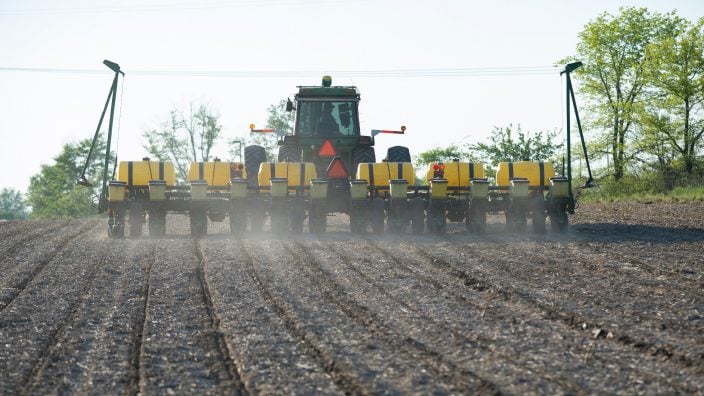
One common mistake I see among new farmers and gardeners is planting too early when soils are cold and wet. These conditions delay germination and create ideal opportunities for soil-borne pathogens to attack young seedlings. While there are many tips and products marketed to allow earlier planting, the best strategy is often patience. Remember: if you enjoy planting, planting too early gives you the chance to plant again when the first crop fails.

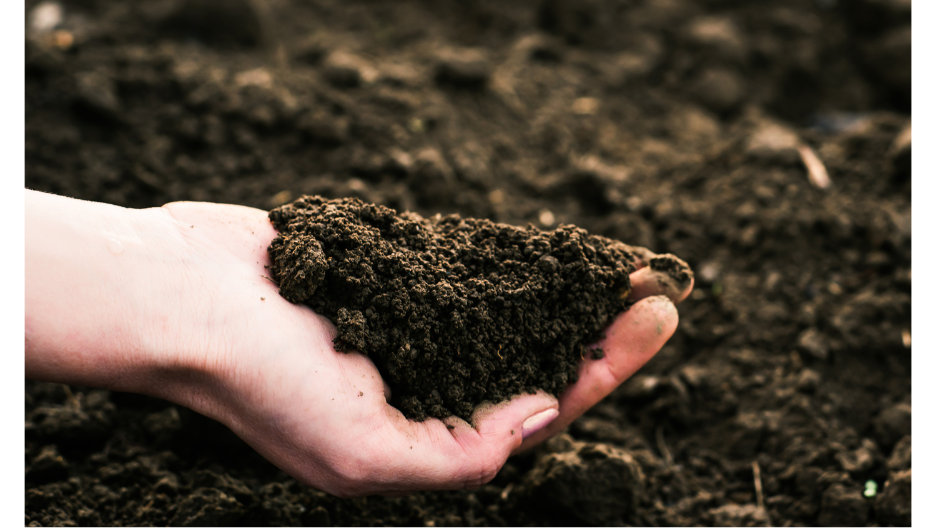
Soil fertility is another cornerstone of crop productivity. Regular soil testing and good record keeping allow you to fine-tune your nutrient management strategy. By tracking crop yields (bushels or pounds), you can estimate the nutrients removed from the soil with each harvest. When combined with soil test results, this information helps determine whether fertilizer is needed — or whether it can be skipped for a season. I encourage everyone to use the Tri-State Fertilizer Recommendations when developing a nutrient plan.

In-season scouting is critical for identifying pest and disease issues early, when management options are most effective. Scouting means walking into the field or garden and looking for symptoms up close. If problems are visible from the road, damage is already severe and may be too late to manage effectively. University-developed tools such as the Crop Protection Network can enhance scouting efforts by indicating when environmental conditions are favorable for disease development.

Finally, paying close attention to input costs helps ensure long-term profitability. In years with high fertilizer prices and tight margins, decisions must be made carefully. Sometimes that means reducing fertilizer rates or skipping a fungicide application if the expected return does not justify the cost.

Keeping things simple does not mean avoiding innovation. If you want to try a new product or practice that is unproven in our area, start small. Testing it on a limited scale alongside your current practices allows for side-by-side comparison and informed decision-making. Combining proven methods with carefully evaluated new ideas is often the best path forward.

Submitted by Lee Beers, an Agriculture & Natural Resources Educator for OSU Extension-Trumbull County. He can be reached by email.


OFBF Mission: Working together for Ohio farmers to advance agriculture and strengthen our communities.

To grow a network and gain perspective and knowledge in the industry through personal and professional development has been invaluable. Every day I learn and grow.
Ryanna Tietje's avatar
Ryanna Tietje

Henry County Farm Bureau

Farm Bureau connections
The issue of property taxation remains as one of the biggest challenges our members face today. Ensuring agricultural property is valued for its agricultural potential and not development is critical to the continued success of Ohio agriculture.
Matt Aultman's avatar
Matt Aultman

Darke County Farm Bureau

Giving farmers a voice
Farm Bureau is what really got the word out. It’s been one of their goals to get this done.
Bill and Charlotte Wachtman's avatar
Bill and Charlotte Wachtman

Henry County

10-year campaign for safer roads
I could not have done it without the resources I have found through Farm Bureau.
Gretchan Francis's avatar
Gretchan Francis

Trumbull County Farm Bureau

Bringing the farm back to life
Because we are younger farmers just starting out, Farm Bureau has a lot of good opportunities and resources to help us grow in the future.
Hannah Kiser's avatar
Hannah Kiser

Sandusky County Farm Bureau

Farm Bureau involvement
Through the Select Partner program, we became educated in farm insurance and weren't just selling policies. It became more and more clear why farmers need an advocate like Ohio Farm Bureau.
Chad Ruhl's avatar
Chad Ruhl

Farm manager, CSI Insurance

Select Partner Program
So many of the issues that OFBF and its members are advocating for are important to all Ohioans. I look at OFBF as an agricultural watchdog advocating for farmers and rural communities across Ohio.
Mary Smallsreed's avatar
Mary Smallsreed

Trumbull County Farm Bureau

Advocacy
Suggested Tags: