








September/October 2025 Our Ohio
The theme of September/October Our Ohio magazine is Health & Safety.
Read MoreThe following information is provided by Nationwide, your approved insurance and financial services company.
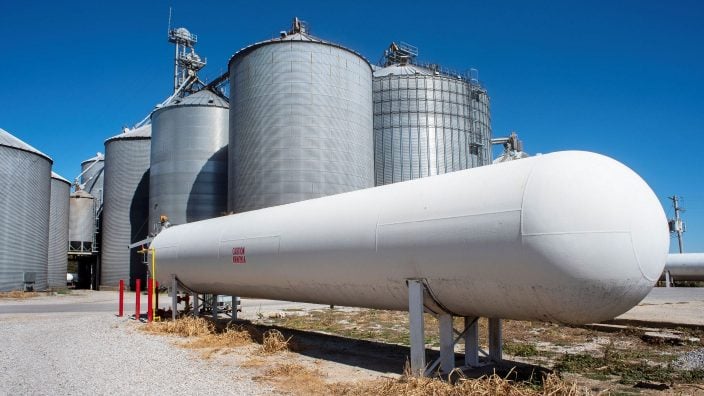
Propane, or LP gas, is a versatile fuel for farmers throughout the year.
 Propane heaters protect young plants from frost in spring and warm greenhouses. Propane powers torches in some crop weed control systems. In winter, it heats farm buildings and powers generators during storms or outages. And propane fuels grain dryers to preserve crop quality year-round.
But propane is highly flammable, and even a small leak can lead to a devastating propane fire. Inhaling it in enclosed spaces can cause asphyxiation. Dangers like these are why it’s important for farmers to take necessary precautions to keep their property, themselves and others safe.
Propane itself is colorless and odorless. This would make leaks hard to detect. That’s why the unpleasant scent of “rotten eggs” is added. If you notice this smell:
“Propane keeps the agricultural wheels turning. But overlooking the dangers of propane can lead to catastrophic consequences and shut down an entire farm,” said Nationwide Risk Management Propane Specialist Kirby Summers. “Prioritizing propane safety and always following proper procedures should always be a top priority.”
Farmers can consider the following safety measures to help prevent propane accidents and protect themselves from the dangers of propane gas:
“Plan ahead, schedule refills, before you hit critical low levels, and don’t let anyone but trained propane professionals handle the actual refilling process,” Summers said. “It might take a bit more time and coordination, but safety must always come first.”
By understanding the dangers and taking these precautions, farmers can safely harness the power of propane. Talk to your Nationwide Farm Certified agent to learn more propane safety.
Visit AgInsightCenter.com for more resources and expert tips to help you run a successful business and maintain the safety of your operation.
References: 1. Nationwide. 2024 Farmer Resiliency Study. Retrieved December 2024. Nationwide, the Nationwide N and Eagle, and Nationwide is on your side are service marks of Nationwide Mutual Insurance Company. © 2025 Nationwide.



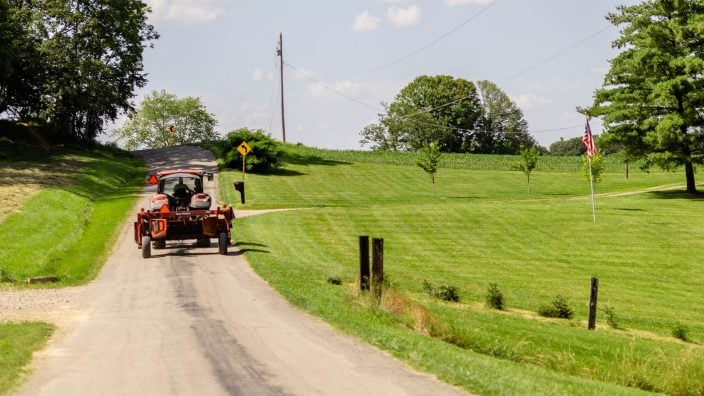
The theme of September/October Our Ohio magazine is Health & Safety.
Read More
As we enter harvest season, keep farm safety and overall health and wellness in mind. And know that your Farm Bureau team is working hard to have your back.
Read More
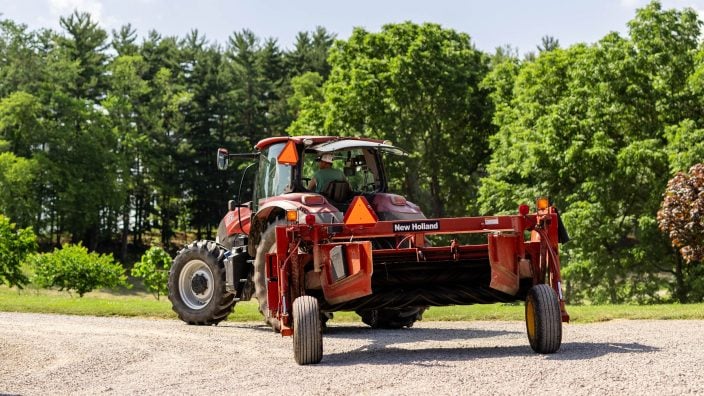
Taking the time to evaluate your next move on the farm might just save your life.
Read More

If you take anything away from this story, I hope it is this: Don’t ever think it can’t happen to you.
Read More

The project was launched at the Montgomery County Fair in part to honor Levi Montoya who died in an ATV accident in 2014.
Read More

Many county Farm Bureaus throughout the state show their support for local communities by hosting and sponsoring events that bring awareness to health-related issues.
Read More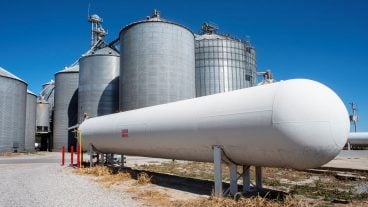
By understanding the dangers and taking these precautions, farmers can safely harness the power of propane.
Read More

Maybe the most important part of my role is keeping in touch with members and the farming community so I can share your challenges, experiences, priority issues and perspectives.
Read More
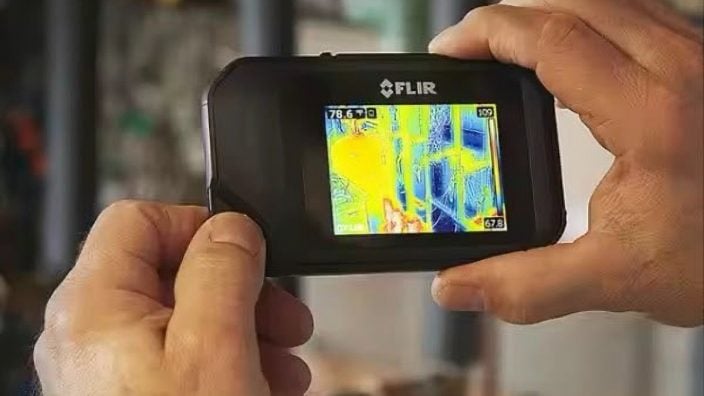
Ohio Farm Bureau’s Heritage Partner Nationwide teams up with leading agtech companies to offer innovative protection solutions that can help reduce losses and boost productivity.
Read More

Farm Bureau Health Plans will give access to affordable, personalized health care plans for Ohio farm families.
Read More