

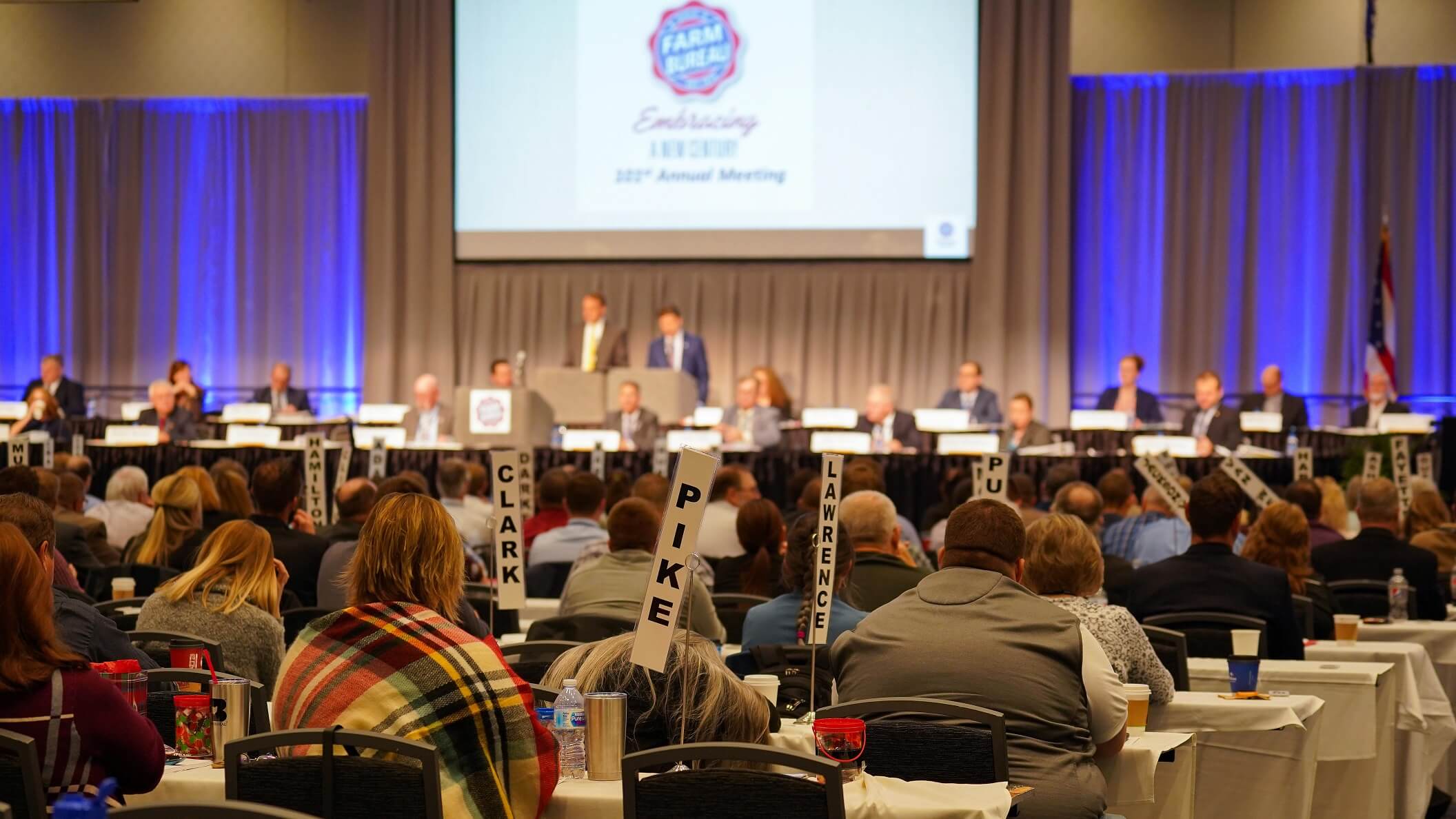

Reflecting on a decade with OSU Extension
Through all of life’s changes, Trumbull County has become not just a place we work, but the place we call home.
Read MoreI have been thinking about greenhouse-grown vegetables and fruits ever since my last article. How many growers are there in Ohio? What kind of systems do they use? What do they produce? The search for answers led me to a wealth of information, not about greenhouses, but about CEA — controlled environment agriculture.
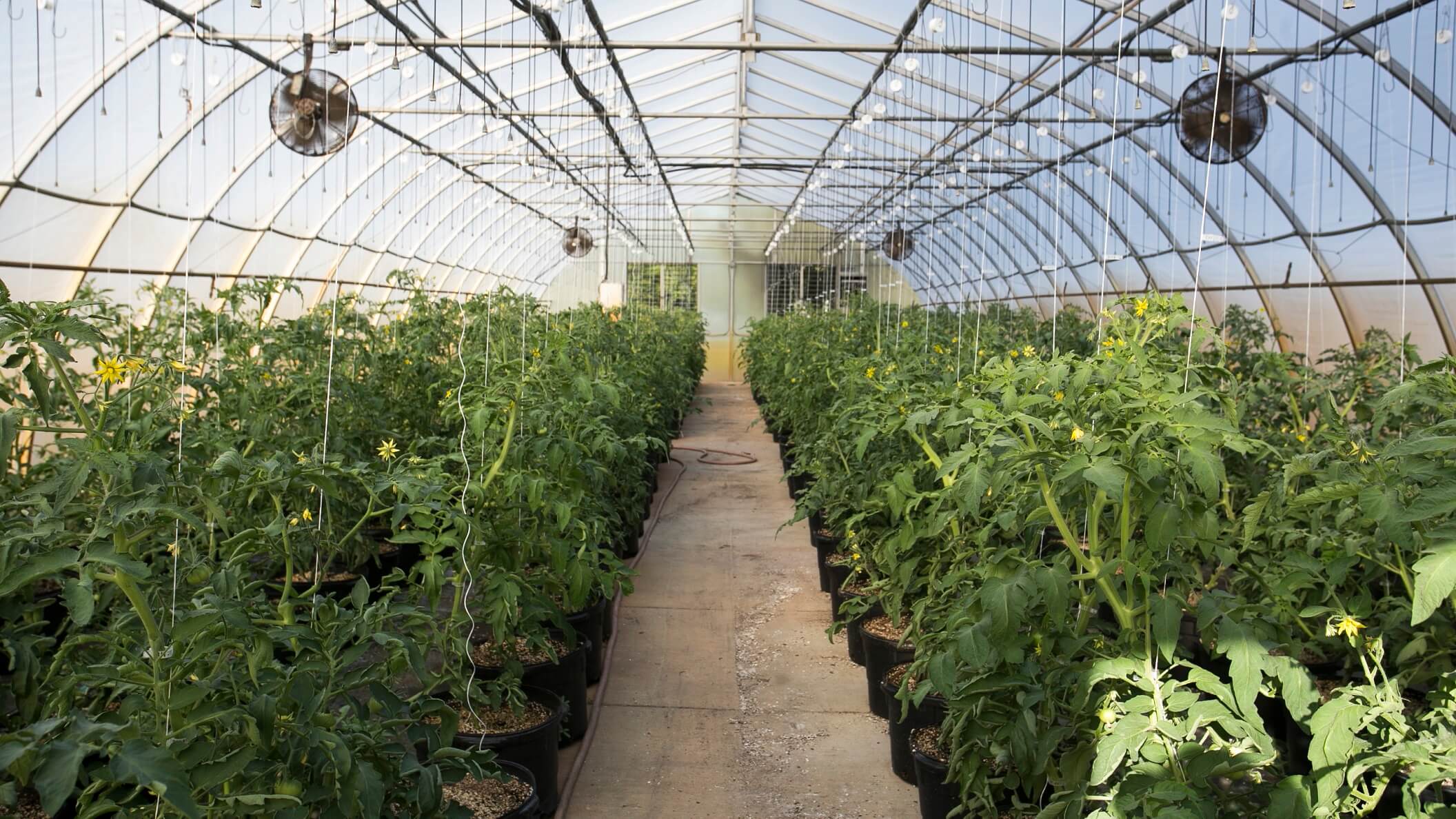
CEA refers to crop production conducted in an enclosed structure that allows for complete or partial control of growing conditions, including light, nutrients, carbon dioxide, temperature and humidity.
Greenhouses are the obvious and most common structure to use, but so are repurposed buildings. Maybe even a warehouse. A structure can be used as long as it is designed and equipped to provide optimal growing conditions for the crop.
Probably the biggest challenge is the startup investment. Equipment and technology are expensive. Technical expertise is something that you will definitely need. What are the food safety laws involved in producing a food crop? What about pests and diseases that can still be an issue in a controlled environment?
The resources are out there to help farmers. The Ohio State University is making sure it happens at its new Controlled Environment Research Complex. Plus, there are many benefits that make the investment worth it.
The biggest benefit is year-round food production to supply the growing demand for fresh fruits and vegetables that I talked about last month.
CEA requires less land and can utilize space in urban areas not suited for traditional farming. Ohio is losing farmland at an alarming rate, but that is a topic for another day. Another benefit of bringing a CEA to an urban area is that production is closer to the consumers, which means lower transportation costs and quicker arrival to the store.
CEA also has proven that food can be produced with fewer inputs than conventional farming practices. Depending on the type of system, water usage can be reduced by 50% to 95% through accuracy in application, recycling and reuse. The same goes for added nutrients and pest management in such controlled environments. Since the crops are protected from extreme weather, there also is reduced food waste.
So, what about my original questions? I found the top 20 CEA operations in the U.S. in 2023. Ohio was on the list five times.
There are two companies with growing locations in multiple states, including Ohio. And there are three companies that I recognized: Nature Fresh Farms, Mucci Farms and Great Lakes Growers. Products grown include tomatoes, cucumbers, peppers, leafy greens, basil and strawberries.
The stats I found didn’t give a complete picture of Ohio’s year-round food production, but I was excited to see that Ohio is a major contributor.
These types of operations can be big or small — the Ohio farms had listed acreage of 90, 75 and 6 acres. Either way, they are having a big impact on the year-round availability of quality fresh produce.
CEA will not replace traditional farming, but it is helping our food supply be more sustainably produced in the United States.
Submitted by Mary Smallsreed, a member of the Trumbull County Farm Bureau who grew up on a family dairy farm in Northeast Ohio.
OFBF Mission: Working together for Ohio farmers to advance agriculture and strengthen our communities.


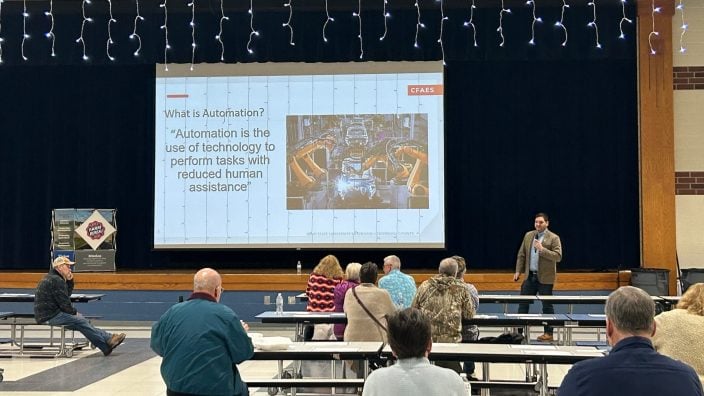
Through all of life’s changes, Trumbull County has become not just a place we work, but the place we call home.
Read More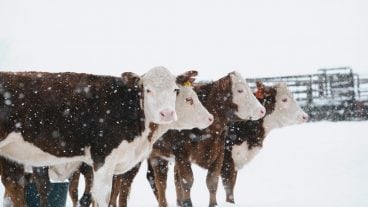
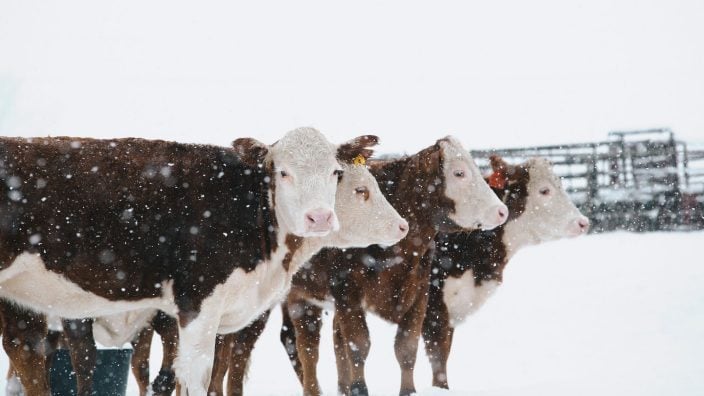
Most livestock animals are well adapted to cold weather, but farmers take extra measures when extreme temperatures come.
Read More

We often talk about the moments that shape us — big decisions, career paths and life milestones. But more often than not, it’s not the moments that define us. It’s the people.
Read More

The purpose of this $1,500 grant is to help offset farm operation costs. This can include but is not limited to: fuel costs, fertilizer costs, equipment costs, land rent, etc.
Read More

I’m going to give you a list of things that you can do that will get you outside and actually enjoy the snow.
Read More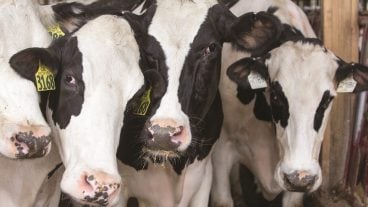

As kids, we are often told to try new things, whether it be a new food, a new activity or…
Read More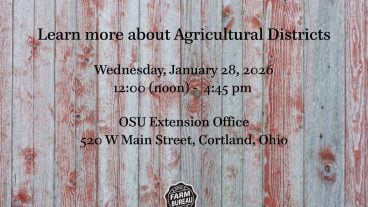
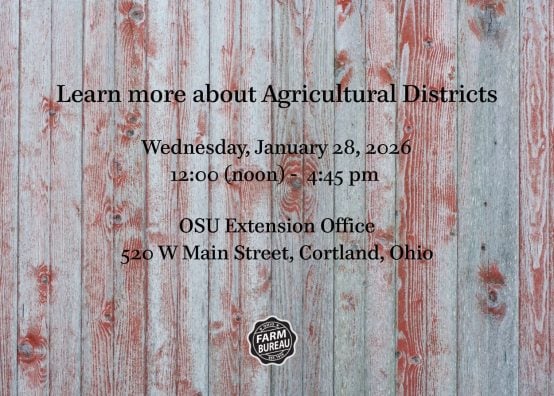
Learn more about ag districts from noon to 4:45 p.m. Jan. 28 at the OSU Extension Office, 520 W. Main Street in Cortland.
Read More
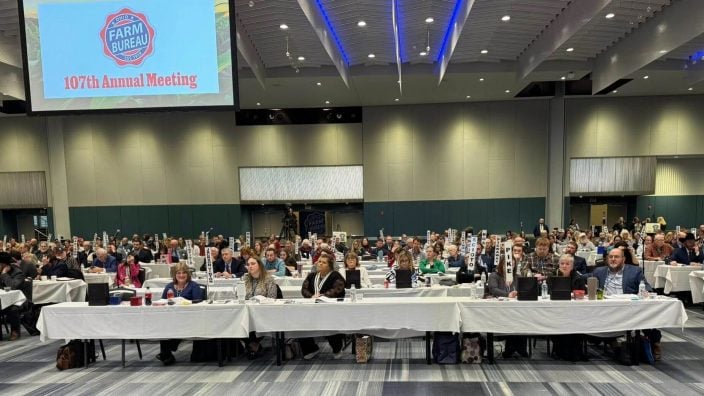
We aren’t just reacting to change — we’re shaping the future of agriculture, one conversation and one decision at a time, together.
Read More

Today, there are close to 15,000 farms growing Christmas trees in the U.S., and over 100,000 people are employed full- or part-time in the industry.
Read More
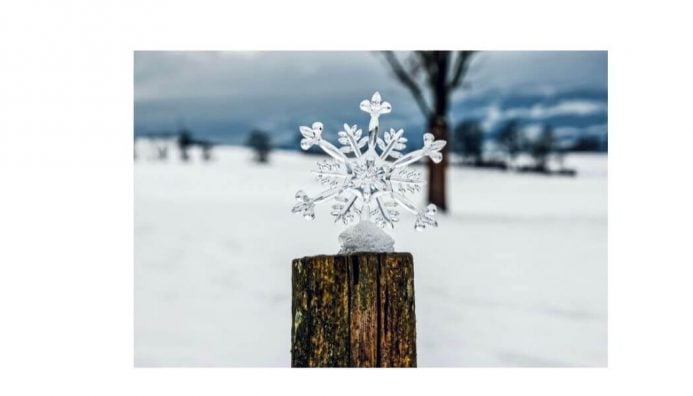
In a world that can sometimes be so loud and busy, snow literally slows us down and quiets the sound.
Read More