


Reflecting on a decade with OSU Extension
Through all of life’s changes, Trumbull County has become not just a place we work, but the place we call home.
Read MoreIt’s the most spooktacular time of year. Cooler nights, vibrant leaves, stormy skies, apple cider, hoodie weather — I won’t lie, I’m a girl in love. Fall is one of my favorite times of year; as Anne Shirley in Anne of Green Gables said, “I’m so glad I live in a world where there are Octobers.” Harvest is underway or in some cases done and it’s time to break out all things cozy. Warm blankets and soft hoodies curled up with a bowl of spicy chili and hot cocoa while the aromas of cinnamon and nutmeg drift about — how could this not be heaven?
Of course, the end of October brings about Halloween — That one night a year where children and children at heart get to dress up and compete with the spirits of the night for candy and treats. Who could want more?
Considering that Americans purchase about 600 million pounds of candy and each person consumes almost 3.4 pounds of candy on Halloween, one might assume that this is a holiday made up by candy manufacturers to increase sales or by gyms to sell more memberships. You, however, would be wrong.
Halloween’s roots actually stem from agriculture. It was thought that an ancient Roman harvest festival dedicated to the goddess Pomona, goddess of abundance and orchards, was celebrated on Nov. 1 and may have merged with the ancient Celtic harvest festival, Samhain. Samhain is a Gaelic word (pronounced sow-win) and was celebrated Oct. 31 through Nov. 1. People who celebrate Samhain believe that the barrier between the physical and spiritual worlds breaks down on that day, allowing interaction between humans and spirits.
Ancient Celtics marked the day as the midpoint between the fall equinox and the winter solstice, so while they were out collecting their harvest, they left fires burning in their hearths. After the harvest, Druid priests would light a fire wheel and sacrifices of cattle would be made. Prayers would be offered and then families would bring a piece of the lit fire wheel back home to light their home fires again.
For the Celts, since this was a time the spiritual world opened, there was the possibility of fairies appearing. These are not the cute Peter Pan fairies we think of today — no, these fairies could steal people, so people disguised themselves like animals or monsters to avoid kidnapping. Additionally, frightful tales arose. The tale of Lady Gwyn, a headless woman in white with a black pig, would chase people in the night. Dullahan was either a creature of the devil or a headless rider that carried his own head and rode a horse with flaming eyes — his appearance foretold death. A band of hunters, the Sluagh, roamed about kidnapping and stealing souls.
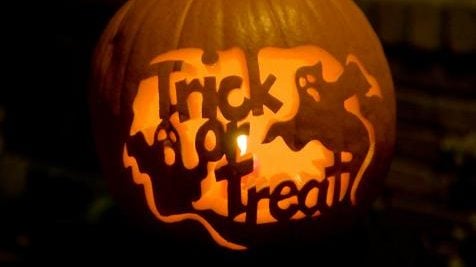
In the Middle Ages, the art of carving turnips, filling them with burning coals and hanging them from sticks began to appear. These carved turnips were called jack-o-lanterns. Additionally, during the Middle Ages, the idea of the “dumb supper” began, where families would open the doors and windows to their homes and invite their departed loved ones to come for dinner. After dinner, the past year’s news would be shared with these ancestors while children played and cakes were eaten. Then at midnight, the ancestors would depart.
With the advent of Christianity, this pagan holiday would undergo some changes. Pope Boniface in the fifth century was the first pope to attempt to Christianize Samhain; however, Pope Gregory in the ninth century turned Samhain into All Saints Day on Nov. 1 and All Souls Day on Nov. 2.
Halloween made it to America in the 19th century when it arrived with Irish immigrants. Trick-or-treating emerged, as did “mumming,” or the wearing of costumes and going door-to-door singing songs to honor the dead and receiving cakes as payment.
Today, Halloween events range from traditional door-to-door trick or treating, trunk or treat events, or indoor events like Boo at the Zoo or Halloween festivals.
What began as a way to celebrate the end of harvest has grown into the spooky, candy-filled night we love today, but Halloween’s roots are still planted firmly in the soil. From pumpkins on porches to apples wrapped in caramel, it’s really a celebration of the harvest that started it all. Long before Halloween became about costumes and candy, Halloween was a moment to honor the land’s bounty and prepare for the coming winter. In many ways, every jack-o’-lantern, bonfire and caramel apple still echoes those ancient harvest rituals — reminding us that even amid the ghosts and goblins, Halloween is truly a celebration of agriculture and the changing of the seasons.
So, as we pull on our hoodies, light our jack-o’-lanterns and sneak just one more piece of candy, we can thank agriculture for giving us the most spooktacular night of the year.
Submitted by Christen Clemson, a member of the Trumbull County Farm Bureau who completed her Ph.D. at Pennsylvania State University. She and her family farm in Mecca Township.
OFBF Mission: Working together for Ohio farmers to advance agriculture and strengthen our communities.


Through all of life’s changes, Trumbull County has become not just a place we work, but the place we call home.
Read More
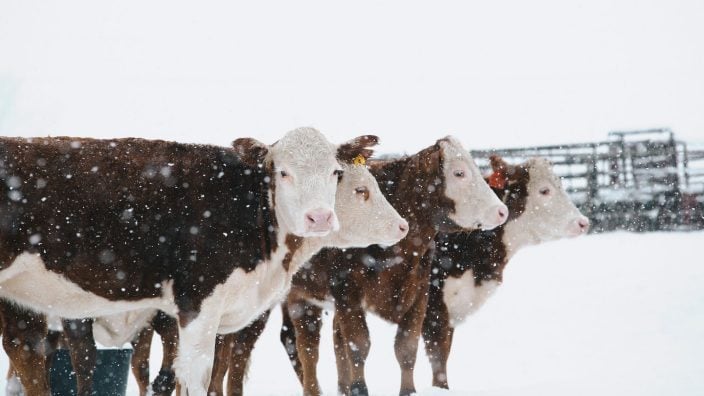
Most livestock animals are well adapted to cold weather, but farmers take extra measures when extreme temperatures come.
Read More

We often talk about the moments that shape us — big decisions, career paths and life milestones. But more often than not, it’s not the moments that define us. It’s the people.
Read More
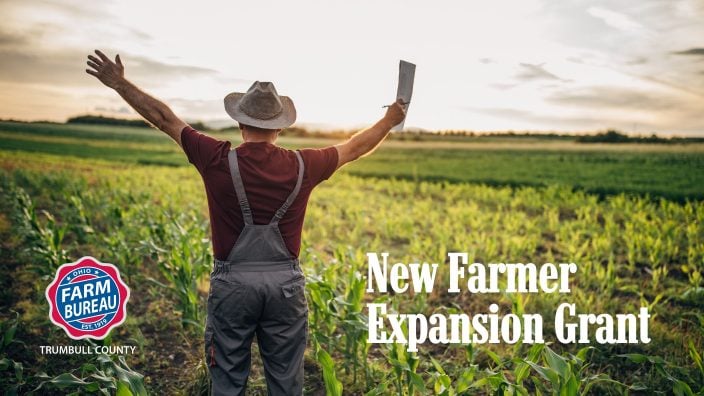
The purpose of this $1,500 grant is to help offset farm operation costs. This can include but is not limited to: fuel costs, fertilizer costs, equipment costs, land rent, etc.
Read More
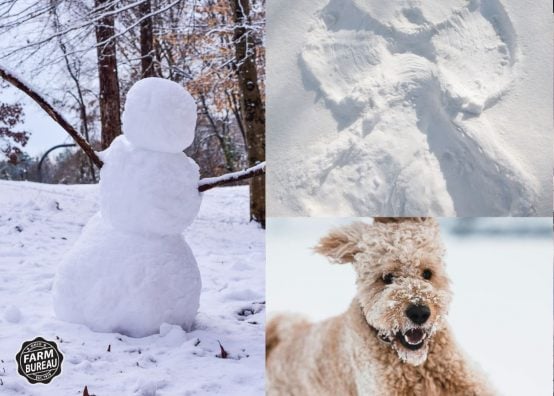
I’m going to give you a list of things that you can do that will get you outside and actually enjoy the snow.
Read More

As kids, we are often told to try new things, whether it be a new food, a new activity or…
Read More
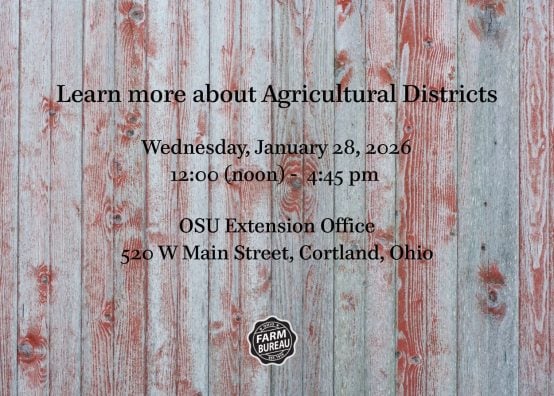
Learn more about ag districts from noon to 4:45 p.m. Jan. 28 at the OSU Extension Office, 520 W. Main Street in Cortland.
Read More
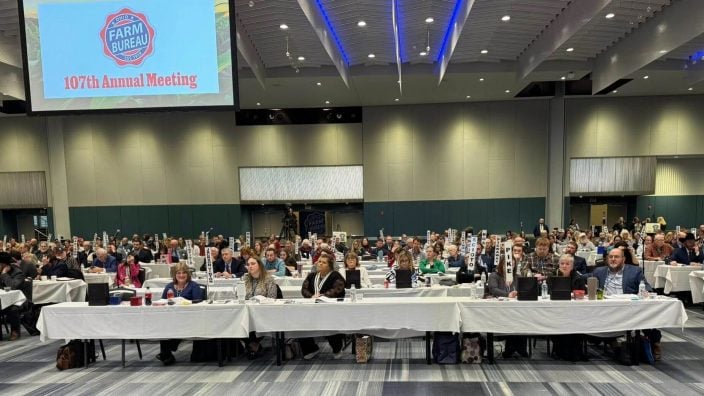
We aren’t just reacting to change — we’re shaping the future of agriculture, one conversation and one decision at a time, together.
Read More

Today, there are close to 15,000 farms growing Christmas trees in the U.S., and over 100,000 people are employed full- or part-time in the industry.
Read More
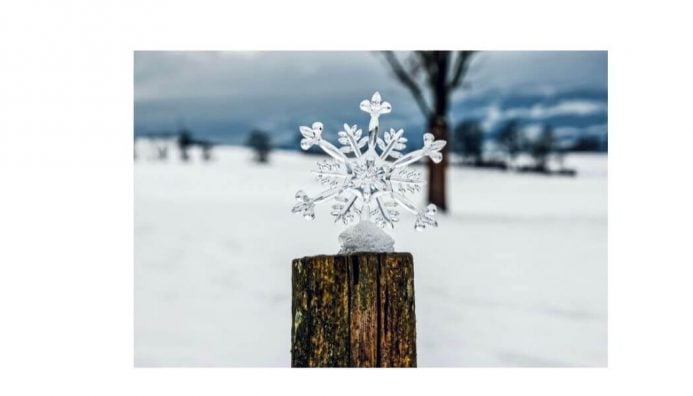
In a world that can sometimes be so loud and busy, snow literally slows us down and quiets the sound.
Read More