

September/October 2025 Our Ohio
The theme of September/October Our Ohio magazine is Health & Safety.
Read MoreTaking the time to evaluate your next move on the farm might just save your life.
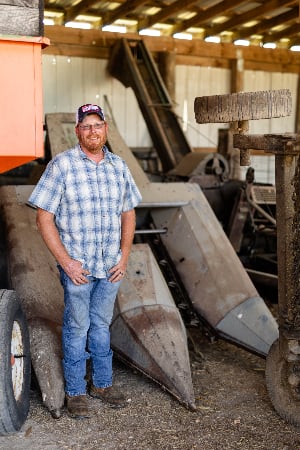
Oct. 23, 2018, is a day seared into Scott Sanders’ memory. After working all day as administrator for the Ohio Department of Transportation’s Athens County division, Sanders headed home to his 200-acre farm in the southeast corner of the county to continue harvesting corn.
“We needed to pick one more load of corn to top the crib off,” said Sanders, an Athens County Farm Bureau member.
As dusk approached, Sanders began to rush as the crisp October air began to make its presence known.
Clad in a long-sleeve shirt, sweatshirt and jeans, Sanders noticed the husking bed was plugging up, as it was unable to keep up. He idled down the tractor, but recalled leaving the Power Take Off shaft engaged. He walked to the back of the picker and intended to sweep the corn down away from the rolls, but fate had other plans.
“Not using my head at all that day because I was in a hurry, which is how accidents always happen,” he said. “I had a pair of leather gloves on, and one of the steel husking rolls caught that glove. It instantly straightened out my hand and pulled it halfway into the rolls.”
His wife, Angie, was not home, as she was taking their 13-year-old daughter, Abby, to cheerleading, so he dug out his phone from his pocket and summoned his 15-year-old son, Ben, who was helping a friend split firewood nearby. He had just enough time before the slip function kicked back in and pulled his hand the rest of the way into the machine.
“It pretty much peeled my hand open like how you would an orange,” Sanders explained.
With third-degree burns on the top of his hand, a severed artery, bruised ribs and a dislocated shoulder, Sanders eventually made it to Riverside Methodist Hospital in Columbus, where he underwent surgery to save his hand two days later.
“I’ve got a scar that goes from my pinky clear up my thumbnail, but (the doctor) was able to pull everything down, put a couple of stitches in and that was it,” he recalled. “And then, of course, I started the healing process.”
But the road to recovery hit roadblocks. After nearly three months, Sanders noticed his hand began to smell funny. A bacteria he describes as similar to MRSA took hold and forced him to start the process over again.
After three surgeries, days upon months in an oxygen chamber, and nearly two years of physical and occupational therapy, Sanders has regained some strength in his hand, but he will never heal completely. While the palm of his hand sends him daily reminders with a sensation similar to being shocked by an electric fence, his fingers make everything feel like he’s touching them through a sweatshirt.
“I really don’t know what was going through my head,” Sanders said. “There’s nobody to blame but myself. It was self-induced. I shouldn’t have stuck my hand in a moving machine.”
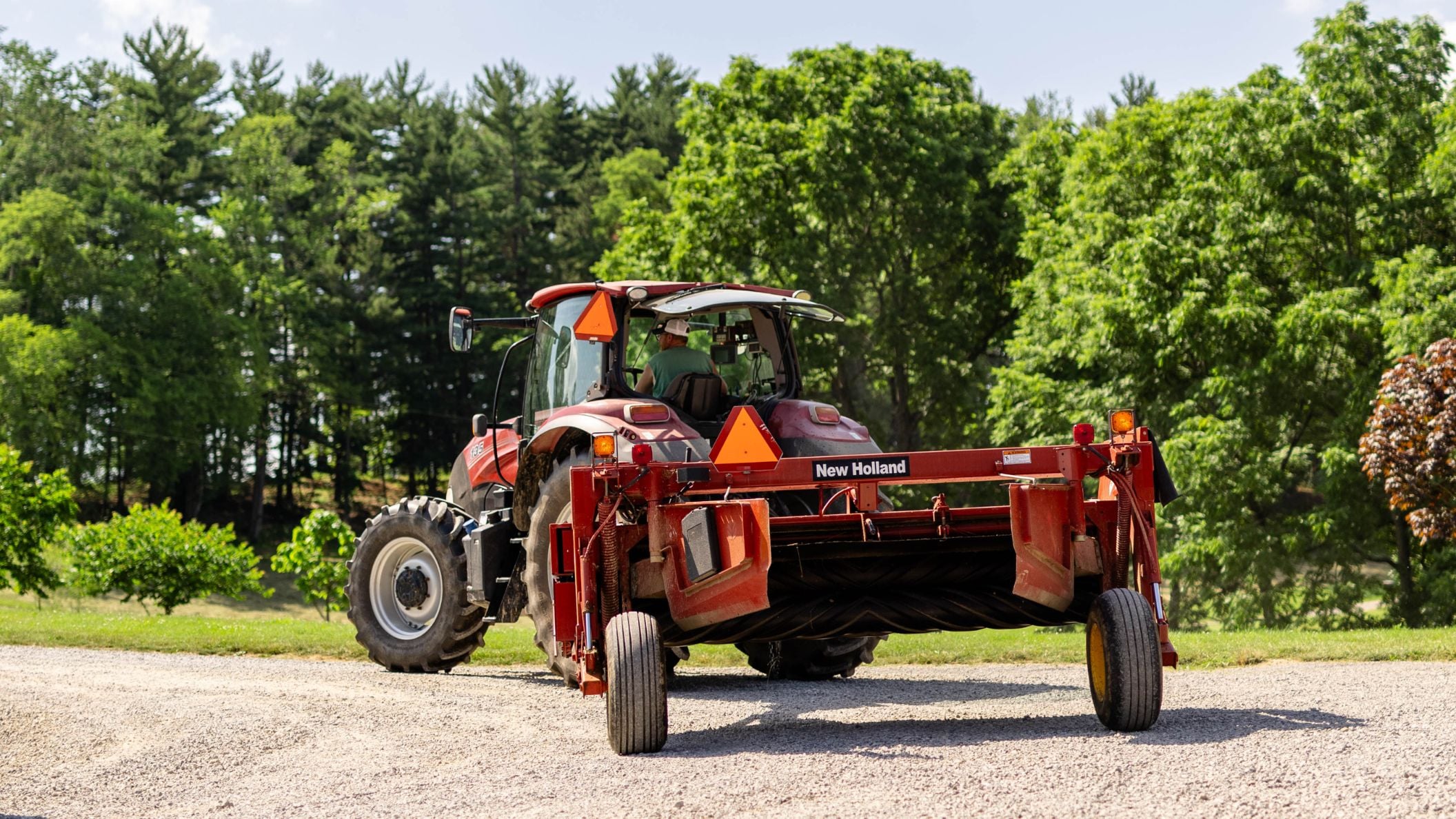
Every year, approximately 13 fatalities and 13,000 injuries are attributed to agricultural-related accidents, according to Dee Jepsen, a professor in agriculture safety and health at The Ohio State University. She adds that over a 10-year period, “tractors and machinery were the most prevalent cause of death on Ohio farms, followed by confined spaces (grain bins, silos and underground pits), skid loaders, and all-terrain vehicles.”
Although some may not consider the dangers of routine tasks performed on farms daily, Sanders cautioned that years of know-how and experience are almost more dangerous than beginners.
“I know there’s a lot of guys that are going to read this, and be like, ‘yeah, it’s never going to happen.’ With that mentality, it will happen to you. It’s not if, it’s when,” he warned. “Don’t be complacent.”
 American Farm Bureau is also encouraging local programs to address health and safety issues impacting farmers. In 2025, AFBF recognized Crawford, Marion, Morrow and Richland counties in Ohio for the use of a manure pit safety simulator to train first responders and farmers in rescue operations. Manure pits and their toxic gases have been linked to six fatalities from 2010 to 2019, according to data collected by Ohio State.
“A piece of equipment is not forgiving. It doesn’t know pain. It doesn’t do anything besides run,” Sanders pointed out. “And when it gets a hold of you, it’s just going to destroy you.”
Even after farming for 22 years on the same land where his grandfather got his start, Sanders still finds himself evaluating situations and whether there is a safer way to approach them. He adds that he is grateful to have escaped the corn picker and a fate far worse than a mangled hand. “I’m positive somebody was looking after me that day,” he said.
KEY POINTS
WHAT’S NEXT
After a lifetime of hard work, some senior farmers may experience limitations such as decreased vision, hearing, or loss of strength or mobility. Some may even acquire disabilities through accidents, illness, or other health problems.
The Ohio AgrAbility Project is part of a national program from the U.S. Department of Agriculture that assists farmers and other agricultural workers with disabilities by providing the resources and support they need to live independently and to continue or return to working in production agriculture.
As agriculture consistently ranks as one of the nation’s most dangerous occupations, The Ohio State University has partnered with EasterSeals Redwood to achieve the program’s goals by providing education, resources, and technical assistance to these individuals and their families.
With one out of 14 Ohio farm families experiencing a farm-related injury each year, it is inevitable that some of these agricultural workers will require assistance to be able to continue to operate successfully.
The program is not limited to those who are injured on a farm. Those who are injured in off-farm incidents or acquire health problems, such as heart disease, arthritis, or cancer may also be eligible.
Ohio workers who are injured or contract an occupational disease on the job can request medical benefits. In some cases, you can also request compensation by filing an Ohio Bureau of Workers’ Compensation claim. Ohio Farm Bureau has a BWC Group Rating Program for employers. The organization partners with Sedgwick Managed Care Ohio as an essential component of member benefits for workers’ compensation.
Photos by Laura Scholl


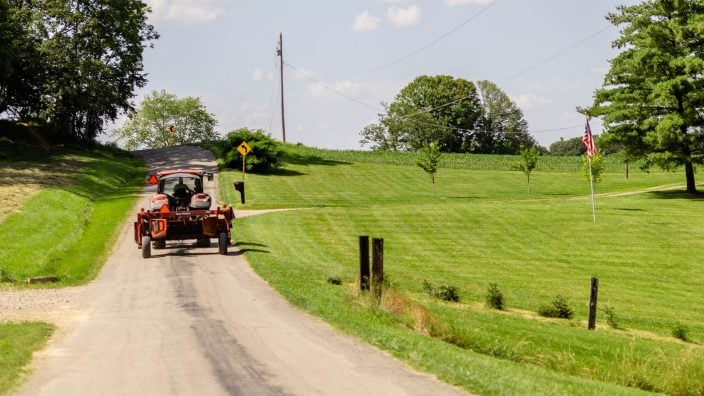
The theme of September/October Our Ohio magazine is Health & Safety.
Read More
As we enter harvest season, keep farm safety and overall health and wellness in mind. And know that your Farm Bureau team is working hard to have your back.
Read More
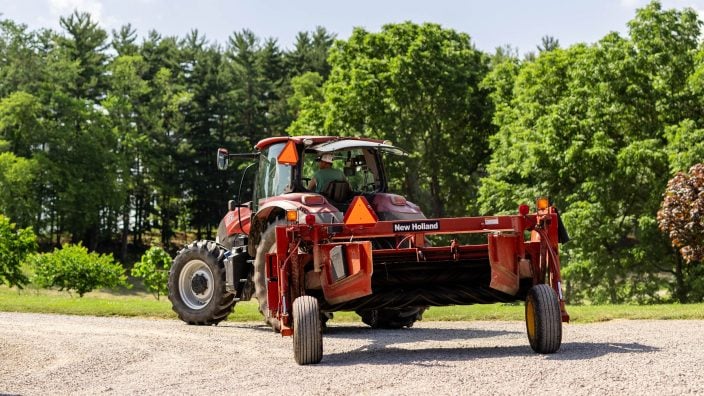
Taking the time to evaluate your next move on the farm might just save your life.
Read More
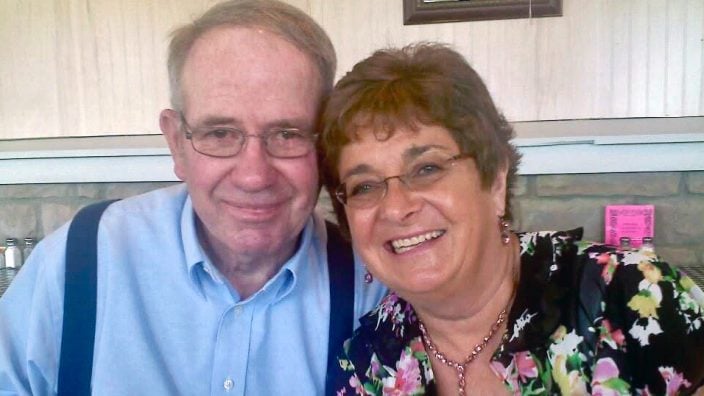
If you take anything away from this story, I hope it is this: Don’t ever think it can’t happen to you.
Read More
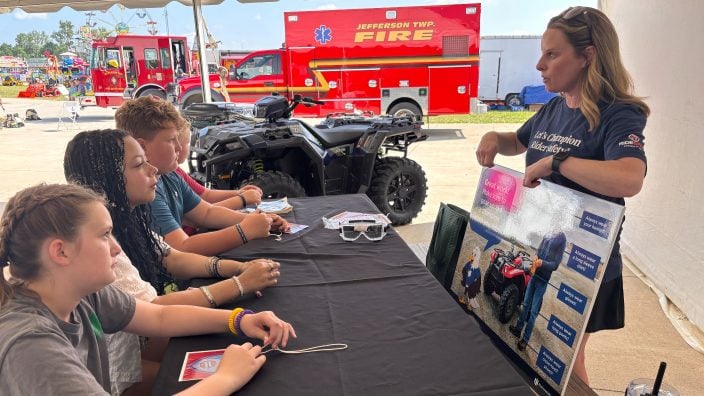
The project was launched at the Montgomery County Fair in part to honor Levi Montoya who died in an ATV accident in 2014.
Read More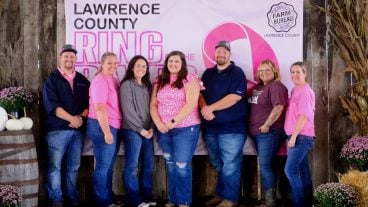
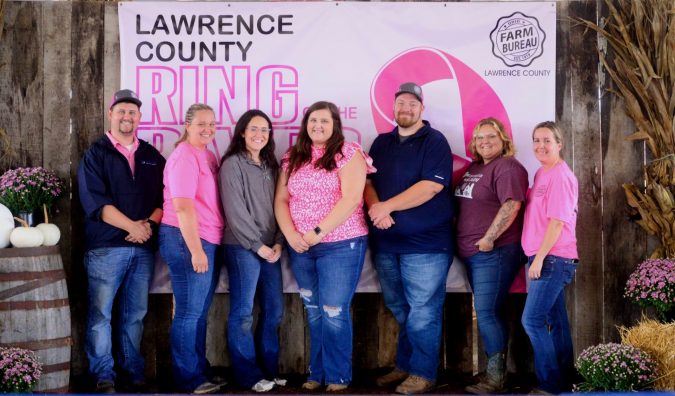
Many county Farm Bureaus throughout the state show their support for local communities by hosting and sponsoring events that bring awareness to health-related issues.
Read More
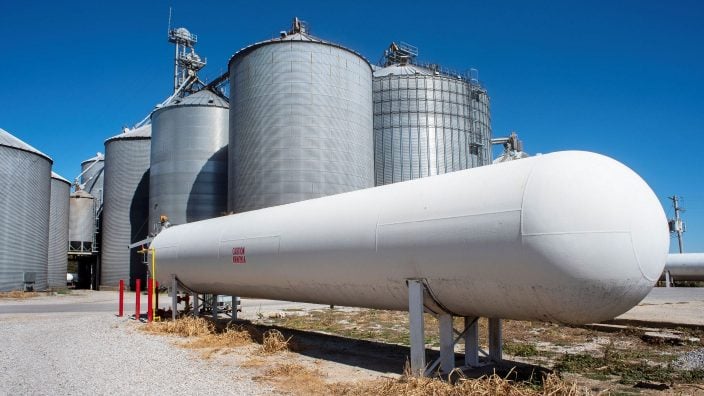
By understanding the dangers and taking these precautions, farmers can safely harness the power of propane.
Read More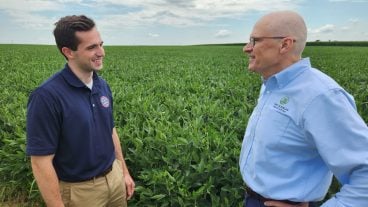
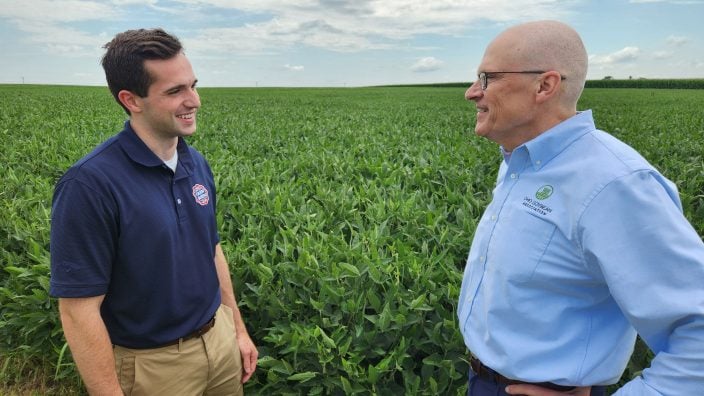
Maybe the most important part of my role is keeping in touch with members and the farming community so I can share your challenges, experiences, priority issues and perspectives.
Read More
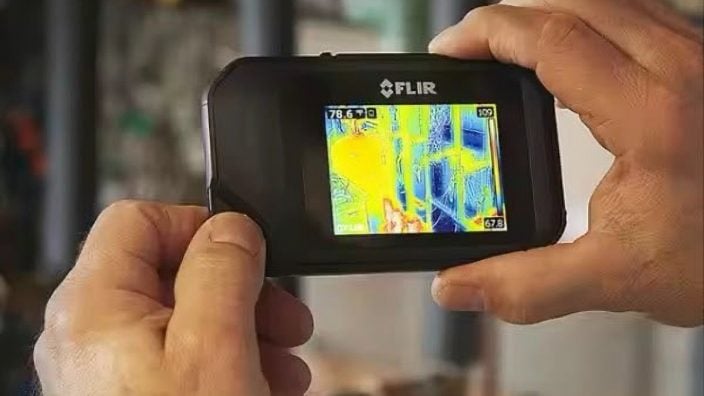
Ohio Farm Bureau’s Heritage Partner Nationwide teams up with leading agtech companies to offer innovative protection solutions that can help reduce losses and boost productivity.
Read More
Farm Bureau Health Plans will give access to affordable, personalized health care plans for Ohio farm families.
Read More