










Applications for Ohio Farm Bureau Health Plans now available
Members have three ways to apply: contacting a certified agent, calling 833-468-4280 or visiting ohiofarmbureauhealthplans.org.
Read More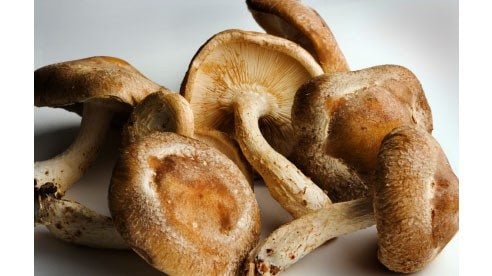

While they’re not nearly as nutrient-dense as many other types of vegetables, mushrooms do tend to have a good supply of copper — a key nutrient not widely found in substantial amounts in other foods. They also aren’t bad sources of potassium, folate, niacin, fiber and selenium. And, prepared properly, they can be a tasty, satisfying, low-calorie meat substitute.
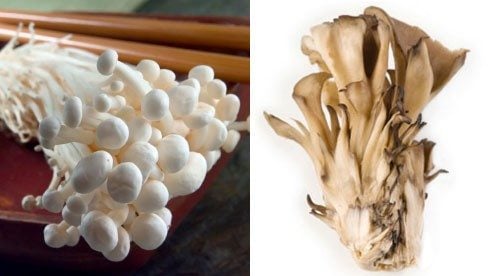
If you’re curious about the details regarding different types of mushrooms, you’re in luck: The U.S. Department of Agriculture has added nutrient data for seven different kinds of mushrooms to its National Nutrient Database. Now you can compare and contrast the relative nutritional merits of crimini, enoki, maitake, oyster, portabella, shiitake and white button mushrooms.
If you look, you’ll see that not all mushrooms are created equal. For example, shiitake mushrooms have a relatively high amount of copper — nearly 1 milligram per 3.5 ounces of raw mushroom, compared with crimini (a half-milligram per 3.5 ounces of raw mushrooms); portabella (less than a half milligram per 3.5 ounces); white button mushrooms (about one-third of a milligram per 3.5 ounces); maitake and oyster (about one-quarter of a milligram) and enoki mushroom (less than 0.1 milligram copper per 3.5 ounces). The Recommended Dietary Allowance for copper in adults is 900 micrograms (or 0.9 milligrams) of copper a day. Research suggests that getting enough copper can be important to heart health.
Now, 3.5 ounces of raw mushrooms is a lot of mushrooms. If you consume all your mushrooms from canned mushroom soup or by sprinkling a few slices on your salad, you won’t get much copper or anything else. But you could use mushrooms as your main dish. Portabella caps are often grilled and served like a hamburger. Or you can chop any kind of mushroom and substitute it for half (or more) of the burger or sausage in casseroles, sauces or stews.
As the water cooks out of mushrooms, the nutrients (and calories) become more concentrated. But at 20 to 50 calories per 3.5 ounces raw, mushrooms can add bulk and flavor to a dish with very few calories.
Different types of mushrooms have distinct flavors. Try new ones occasionally to see what works best for your recipes, and your palate.
This article is a service of Chow Line — Ohio State University Extension and the Ohio Agricultural Research and Development Center.
If you enjoyed this article, consider becoming a Farm Bureau member and you’ll receive ongoing access to information about your local food community, including seasonal recipes. Membership includes a free subscription to Our Ohio magazine. Learn more about other exclusive member benefits.
All photos courtesy of istockphoto.com




Members have three ways to apply: contacting a certified agent, calling 833-468-4280 or visiting ohiofarmbureauhealthplans.org.
Read More

2026 camps feature an expanded lineup of one-day experiences and a weeklong immersive camp for high school students. Registration closes 10 days before each experience.
Read More
Growing our Generation enewsletter features insights and ideas directly from Ohio’s young farmers and food and agricultural professionals. Sign up…
Read More

A recording of the webinar is available to Farm Bureau members. Please log in to your member account at ofbf.org, then click the link to access the recording.
Read More

Across both bills, Ohio Farm Bureau reinforced that development can provide economic opportunity, but must be balanced with strong protections for landowners and Ohio agriculture.
Read More

As ODOT accepts public comments until April 14, it is critical that impacted farmers and rural landowners weigh in while the study is underway.
Read More
Ohio Farm Bureau is urging its members to contact their Ohio legislators to ask them to repeal the Data Center Sales Tax Exemption.
Read More

Derek Snider has been appointed to the American Farm Bureau Federation’s Young Farmers & Ranchers Committee for the 2026-2028 term.
Read More

Olivia Robinson of Hanover has been named organization director for Ohio Farm Bureau and will serve members in Guernsey, Morgan, Muskingum and Perry counties.
Read More
Ruth Beery of Wilmington College Collegiate Farm Bureau is the winner of Ohio Farm Bureau’s 2026 Collegiate Discussion Meet competition….
Read More