


Applications for Ohio Farm Bureau Health Plans now available
Members have three ways to apply: contacting a certified agent, calling 833-468-4280 or visiting ohiofarmbureauhealthplans.org.
Read MoreWritten by Danielle Burch
 When you google the words ‘dairy industry’ a lot of very opinionated information comes back at to you. Articles on how cows are abused and neglected. Articles on how the products made from cow milk are going to send you to an early grave. Articles that tell you that cows do not wish to have careers and that all they want to do is hang out with their friends all day. Articles of all shapes and sizes that give you bite-sized information on how poorly I do my job.
So, I wanted to set the record straight, from a farmer’s perspective of our treatment of cows. We get them up, give them antibiotics when they are sick, milk them twice a day and ensure their health and safety. We incorporate them into our family’s schedule, we miss events when a cow is down and we feed them before we feed ourselves, even before we open our presents on Christmas morning. We love our cows.
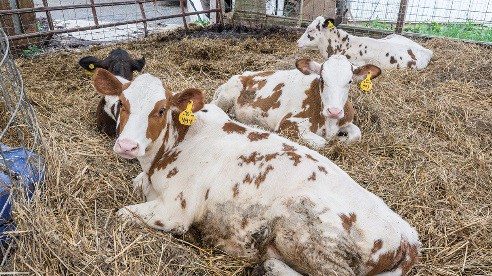
When our calves are born, we take them to the calf barn, and we send their mother into the parlor. We separate her milk from the rest and feed it to the calf. This might seem horrible, but it is no different than a mother pumping and bottle feeding her baby. We do this for both of their health: the mother does not risk milk duct diseases, and we can get her adequate food and water post-birth; the calf gets all the colostrum it needs and then the healthy hind milk that helps it to grow. This way, moms don’t get mastitis and the calves get all the nutrients they need to start their lives out healthy.
Our cows stay with us their entire lives, living in a warm barn in the winter and green pasture’s in the summer. Their dietary needs are analyzed biweekly by a nutritionist who takes samples of feed, looks at their milk outputs and overall health. Their nutrition gets more analysis then our own. When a cow gets sick, she is treated with antibiotics and best practices, giving her plenty of rest, but also getting her moving so she does not have sores, or other issues that come from a “down cow”. We separate their milk from the rest and ensure that no milk influenced by antibiotics is mixed in with the milk that is shipped off the farm. We take great strides to ensure a quality product leaves our farm. And if we ever messed up and accidentally sent milk into the truck that was influenced by antibiotics, they whole load would be dumped; meaning not just our milk, but the milk of every dairy farmer on the truck. Products you buy NEVER have antibiotics used for cow health in them.
There are people out there who believe what I do is wrong, that my cows should be set free to roam about the countryside like elk or deer. But, I have to tell you, there is no caring farmer, nutritionist, or kids to love on them out in the wilderness. There are no barns to keep them warm and clean in rain or snow storms or to keep them cool on 90-degree heat waves. There is no diligent farmer who sacrifices his time, sleep and back muscles to create the best possible environment to meet her every need.
Dairy farmers are underappreciated and overly criticized for their work, for their dedication to animal health and quality, for their way of life. So the next time that you think a farmer is doing something wrong, you are certain there is foul play occurring, that a cow’s life is on the line – stop and talk to the farmer. She will welcome you in to show you the ropes and he can explain best practices to ease your mind.
Quality products come from quality people, and every dairy product you receive in the store must come from a farmer who has been given a grade A rating – a level of highest quality. Because, as most farmers will tell you, those animals are more than just cows, they are part of the family.
Danielle Burch and her husband, Andy, and their children operate a 70 cow dairy farm in Columbiana County. They are former members of Ohio Farm Bureau’s Young Agricultural Professionals Advisory Team.


Members have three ways to apply: contacting a certified agent, calling 833-468-4280 or visiting ohiofarmbureauhealthplans.org.
Read More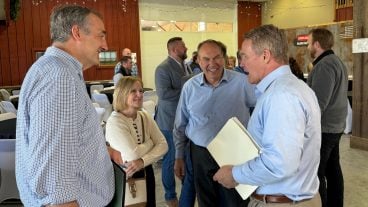
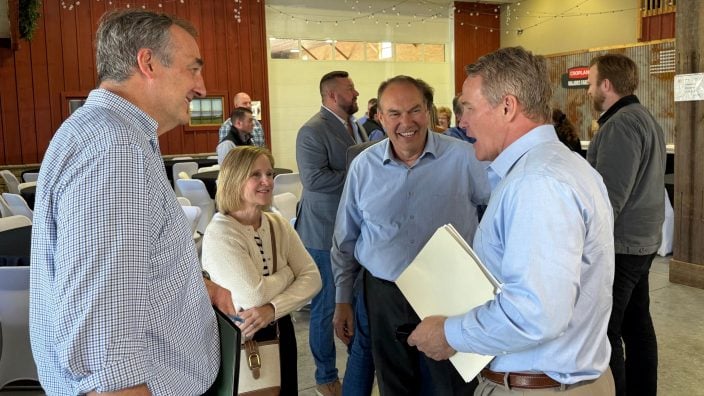
OFBF leadership participated in several key discussions with current and prospective lawmakers, bringing to light the real-world challenges Ohio farmers are facing.
Read More
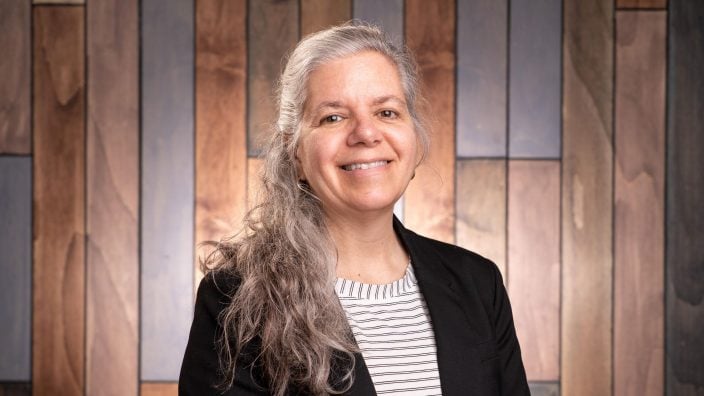
Karen Mohr of Union County has been named senior accounting assistant for Ohio Farm Bureau.
Read More

EPA released new guidance allowing diesel equipment manufacturers to move away from traditional DEF quality sensors and use alternative technologies, such as nitrous oxide sensors.
Read More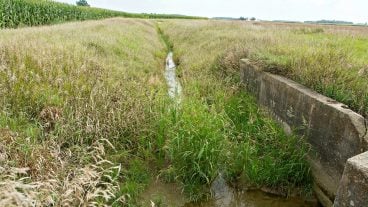
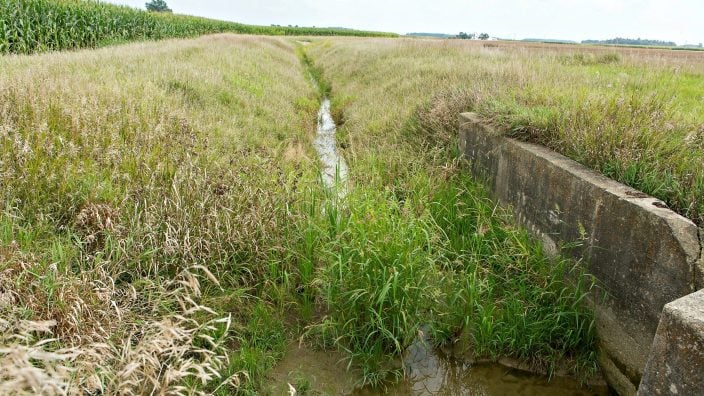
The report provides a data-driven look at conservation practices across the Western Lake Erie Basin and emphasizes farmers are doing their part in water quality.
Read More

2026 camps feature an expanded lineup of one-day experiences and a weeklong immersive camp for high school students. Registration closes 10 days before each experience.
Read More
Growing our Generation enewsletter features insights and ideas directly from Ohio’s young farmers and food and agricultural professionals. Sign up…
Read More
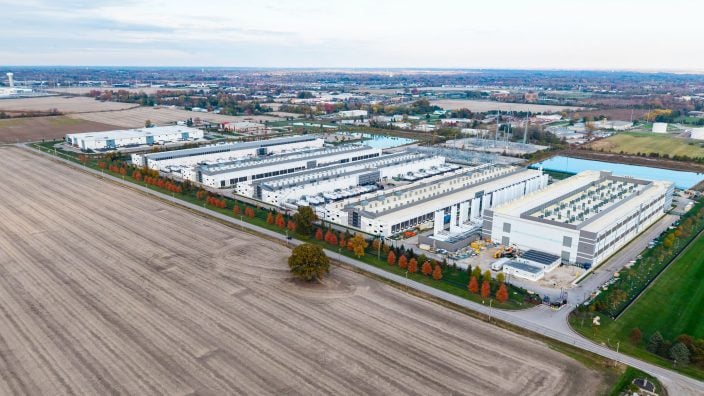
A recording of the webinar is available to Farm Bureau members. Please log in to your member account at ofbf.org, then click the link to access the recording.
Read More
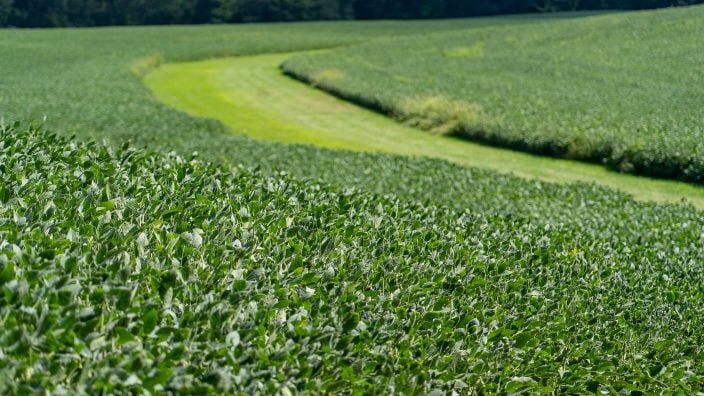
Across both bills, Ohio Farm Bureau reinforced that development can provide economic opportunity, but must be balanced with strong protections for landowners and Ohio agriculture.
Read More
As ODOT accepts public comments until April 14, it is critical that impacted farmers and rural landowners weigh in while the study is underway.
Read More