




Applications for Ohio Farm Bureau Health Plans now available
Members have three ways to apply: contacting a certified agent, calling 833-468-4280 or visiting ohiofarmbureauhealthplans.org.
Read MoreUPDATE: On March 23, President Trump signed into law the Consolidated Appropriations Act 2018 (Omnibus Bill). Title XI of the legislation called the “Fair Agricultural Reporting Method Act” or “FARM Act” exempts the reporting of air emissions from animal waste at a farm under the Comprehensive Environmental Response, Compensation, and Liability Act.
The order to require reporting under CERCLA/EPCRA for livestock and poultry producers was delayed (or stayed) by the U.S. Court of Appeals for the D.C. Circuit several times before the budget bill was passed. U.S. Environmental Protection Agency continues to update rules for Emergency Planning and Community Right-to-Know Act reporting, which should eliminate reporting requirements for most farms who only have emissions as a result of routine agricultural practices.
“With the passage of the spending bill, Congress has clarified that CERCLA reporting was never intended to apply to the routine agricultural activities that occur on farms,” said Leah Curtis, OFBF policy counsel.
Visit the U.S. Environmental Protection Agency’s website for more details about the legislation and EPCRA rulemaking.
ORIGINAL POST NOVEMBER 2017:
Since 2008, a U.S. Environmental Protection Agency rule has exempted all livestock farms from reporting hazardous substance air releases from animal waste under the CERCLA and also declared only large CAFOs were subject to Emergency Planning and Community Right to Know Act (EPCRA) reporting. Because of a recent court ruling, that could soon change. A number of citizen groups challenged the validity of that rule in court and in April the court struck down the final rule, eliminating the reporting exemptions for farms.
EPA sought additional time from the court to help farmers understand their reporting obligations, but unless the court takes further action, the reporting requirements go into effect next week, on Nov. 15. What does that mean for Ohio livestock farmers? Farm Bureau Policy Counsel and Sr. Director of Member Engagement Leah Curtis covers all the details.
For more information and assistance in determining whether you need to report, visit the EPA’s guidance website covering air emissions reporting for livestock farms. The website provides background information on the reporting requirement and tools to help you determine if you may have a reportable release based on the size and type of your operation.
Listen to Legal with Leah, a podcast featuring Ohio Farm Bureau’s Policy Counsel Leah Curtis discussing topics impacting landowners.



Members have three ways to apply: contacting a certified agent, calling 833-468-4280 or visiting ohiofarmbureauhealthplans.org.
Read More
2026 camps feature an expanded lineup of one-day experiences and a weeklong immersive camp for high school students. Registration closes 10 days before each experience.
Read More
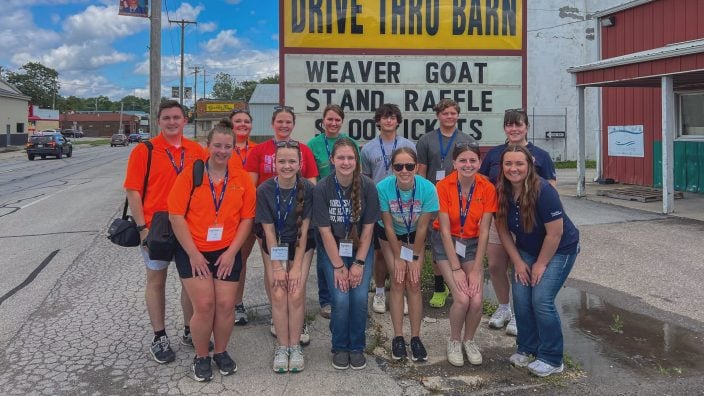
Growing our Generation enewsletter features insights and ideas directly from Ohio’s young farmers and food and agricultural professionals. Sign up…
Read More

A recording of the webinar is available to Farm Bureau members. Please log in to your member account at ofbf.org, then click the link to access the recording.
Read More

Across both bills, Ohio Farm Bureau reinforced that development can provide economic opportunity, but must be balanced with strong protections for landowners and Ohio agriculture.
Read More

As ODOT accepts public comments until April 14, it is critical that impacted farmers and rural landowners weigh in while the study is underway.
Read More
Ohio Farm Bureau is urging its members to contact their Ohio legislators to ask them to repeal the Data Center Sales Tax Exemption.
Read More

Derek Snider has been appointed to the American Farm Bureau Federation’s Young Farmers & Ranchers Committee for the 2026-2028 term.
Read More

Olivia Robinson of Hanover has been named organization director for Ohio Farm Bureau and will serve members in Guernsey, Morgan, Muskingum and Perry counties.
Read More
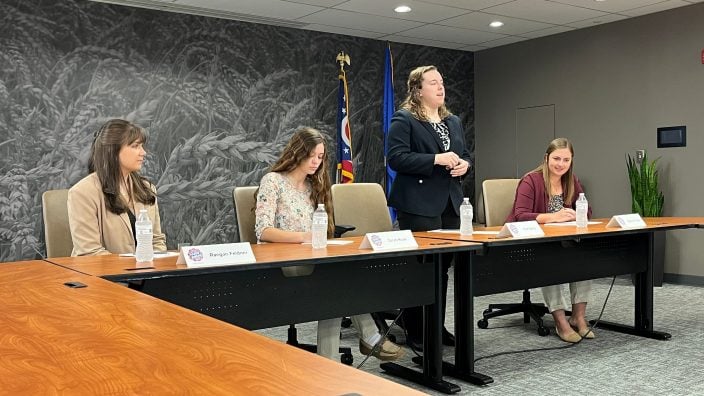
Ruth Beery of Wilmington College Collegiate Farm Bureau is the winner of Ohio Farm Bureau’s 2026 Collegiate Discussion Meet competition….
Read More