

Applications for Ohio Farm Bureau Health Plans now available
Members have three ways to apply: contacting a certified agent, calling 833-468-4280 or visiting ohiofarmbureauhealthplans.org.
Read More“When you work with animals, you come to know their personalities,” John said, as he strolled through his barn pointing out the easy-going sheep and the ones that are trickier to milk. “I enjoy learning about them and tending them.”
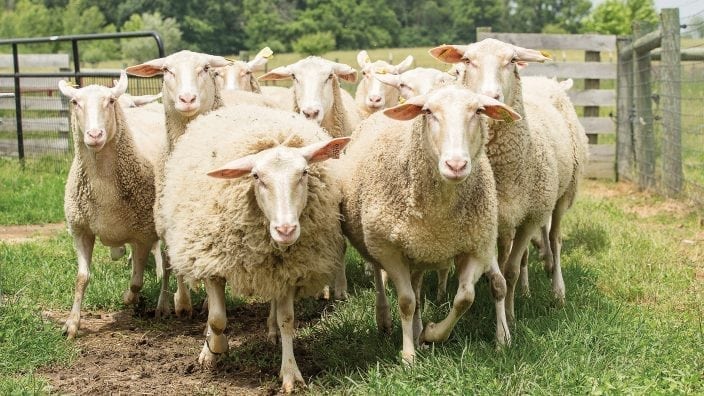
That’s an essential first step when attempting to produce quality sheep’s milk products, according to Linda Faillace, who helped teach John and his wife, Cindy, how to make cheese at their creamery in Lancaster. Faillace is an owner and cheese instructor at Three Shepherds Farm in Warren, Vt.
“It makes a huge difference,” she said. “The best milk comes from well-cared for and well-loved animals.”
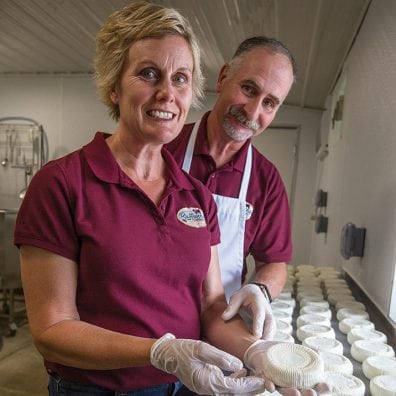
It’s clear that John and Cindy, Farm Bureau members in Fairfield County, relish all aspects of managing their farmstead cheese making operation. That appreciation for the craft has contributed to their success, Faillace said.
“You have to have a passion for the animals and a passion for the product. You also have a willingness to focus on what your market is going to be,” she said. “John and Cindy have that. They also have great attention to detail. It’s a perfect combination.”
For John, paying attention to details comes naturally. An engineer by trade, he spent years commuting from the family’s Fairfield County property to his Columbus-based engineering firm. Initially, the Alberts with their four daughters – Caitlin, Abby, Emma and Ava – developed a U-pick black raspberry operation on a portion of their 52 acres. In 2012, the family added Polypay sheep and began a market lamb operation.
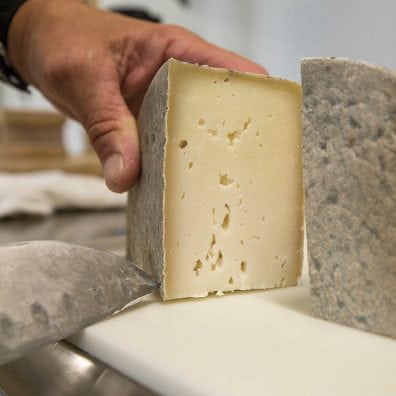
After reading an article about sheep’s milk cheese, John decided to go in a new direction. He was intrigued to learn that because sheep’s milk contains a high amount of solids (fat and protein), it’s ideal for making cheese.
He sold his interest in his engineering firm in 2014 with the intention of becoming a full-time farmer. Two years later, he purchased 24 East Friesian sheep. In between, he designed his milking parlor, milk house, creamery and aging room.
He and Cindy studied cheese making and experimented with yogurt recipes in their creamery. The art of making quality cheese and yogurt poses different challenges than engineering work, John said. “It’s not so black and white. It’s like anything with farming, it’s trial and error,” he said. “Making cheese, that’s been fun.”
Taste and quality guide their efforts, Cindy said. “We want to make products that we enjoy. It has to be something that we truly like to eat so we can be proud to sell it,” she said.
That dedication to quality is readily apparent, said Erin Harvey, who runs the Keller Market House in Lancaster – one of the places where the couple sells their products.
“John is such a careful, conscientious businessman. He always makes sure he’s done everything right,” she said. “He wants everything to be of the highest quality.”
Introducing customers to sheep’s milk cheese has been exciting, Harvey said. “I love that it’s sheep’s milk. Some people are a little scared of it at first,” she said. “They come back and tell us how good it is. I love introducing people to something new.”
Harvey also shares with customers how unique the Alberts’ operation is given that they raise the animals, milk them and prepare the cheese all in one location.
“A true farmstead cheese operation is pretty rare,” she said. “There’s a lot of licensing and inspections involved in doing that.”
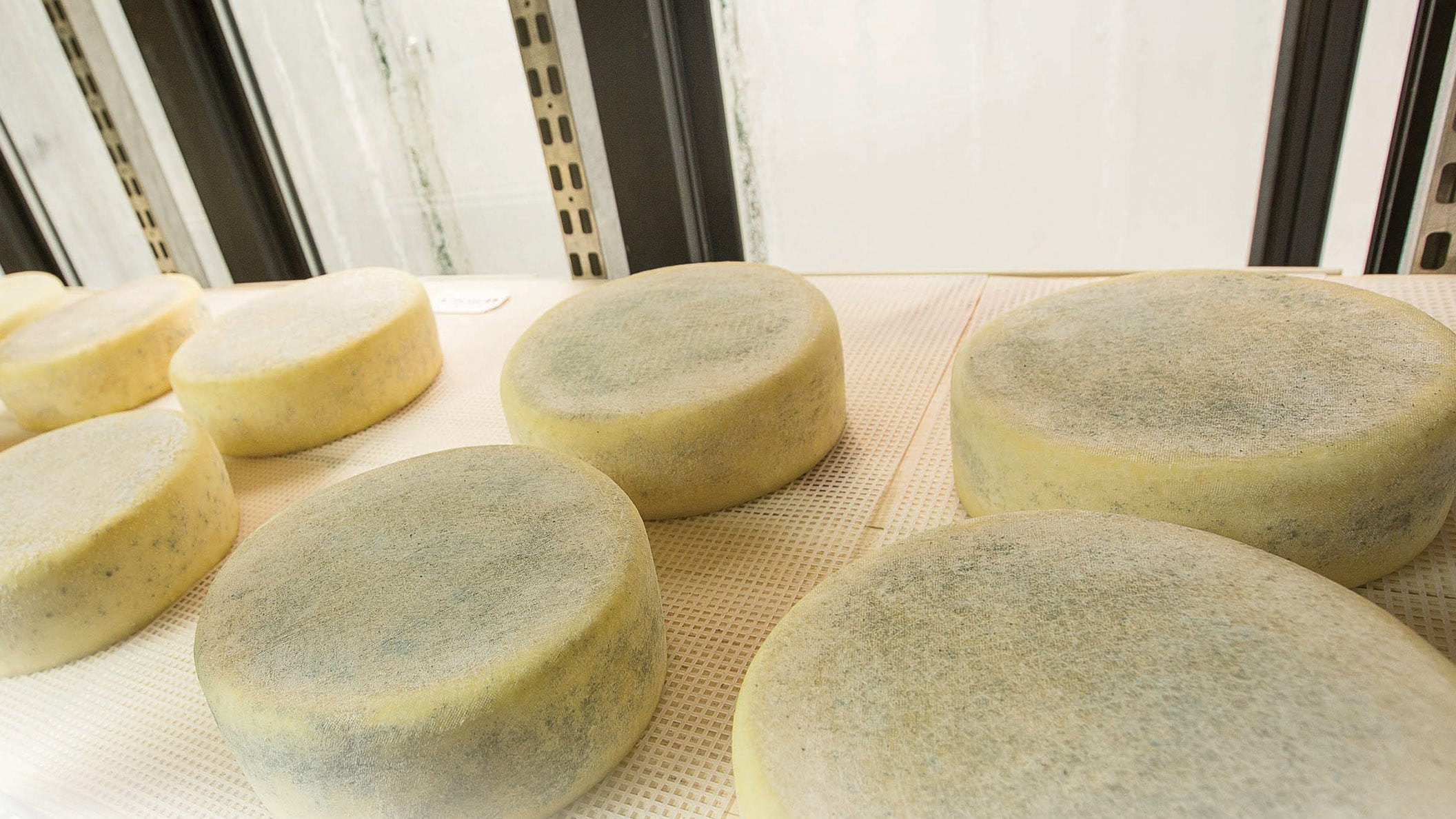
To date, the couple has developed two varieties of cheese and two flavors of yogurt—plain and vanilla. Tuemma – named for daughter Emma – is a soft, ripened pasteurized cheese. It’s sold plain or rolled in a dried spice mixture Cindy created. Moncaito – named for oldest daughter Caitlin – is a Manchego-style aged cheese.
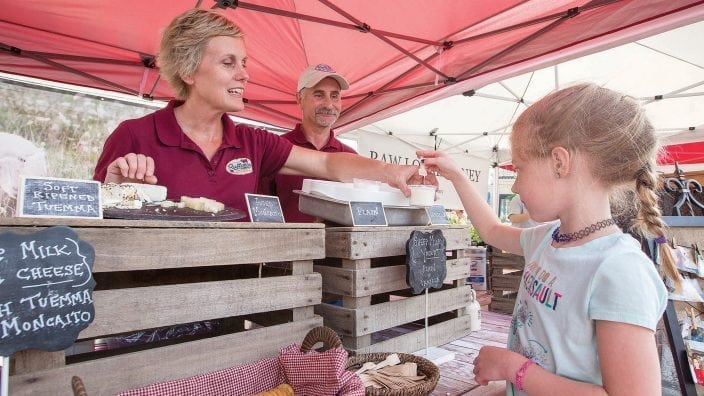
They continue to experiment with new cheeses and are working on freezing the milk they collect during peak milking season so they can produce cheese and yogurt continuously throughout the year. Sheep have a shorter lactation cycle than cows and typically aren’t milked year-round.
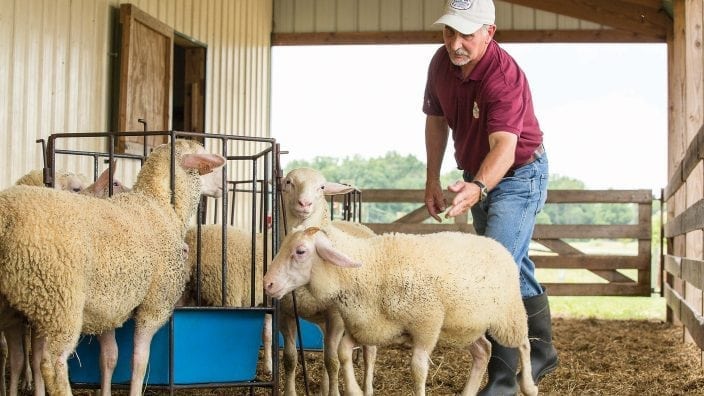
John said he enjoys managing the day-to-day operations of the farm and doesn’t mind the daily demands that come with a flock of 80 sheep. He’s grateful that the work is in his backyard rather than a 30-minute commute away.
“I see God in the sheep and the land,” he said. “I didn’t see him on Route 33 or buildings downtown.”



Members have three ways to apply: contacting a certified agent, calling 833-468-4280 or visiting ohiofarmbureauhealthplans.org.
Read More
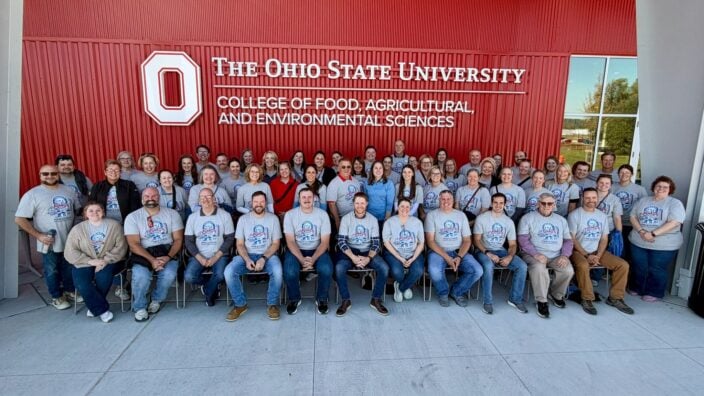
Ohio Farm Bureau joined leaders from across Ohio’s food and agriculture industry this week to pack 10,000 meals for central…
Read More
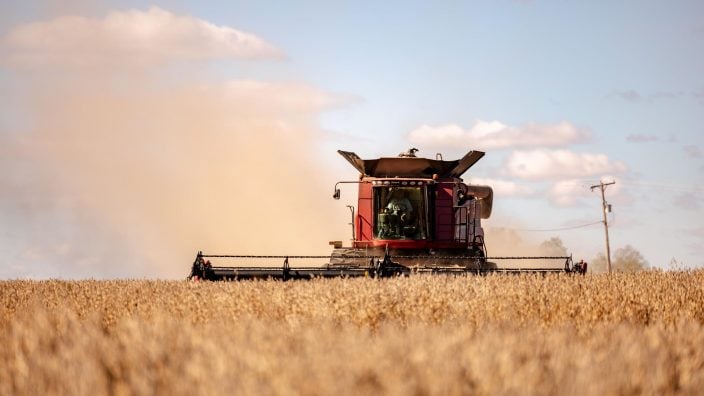
The administration recently issued an executive order easing restrictions on the use of tax-exempt dyed diesel fuel for on-road agricultural transportation.
Read More
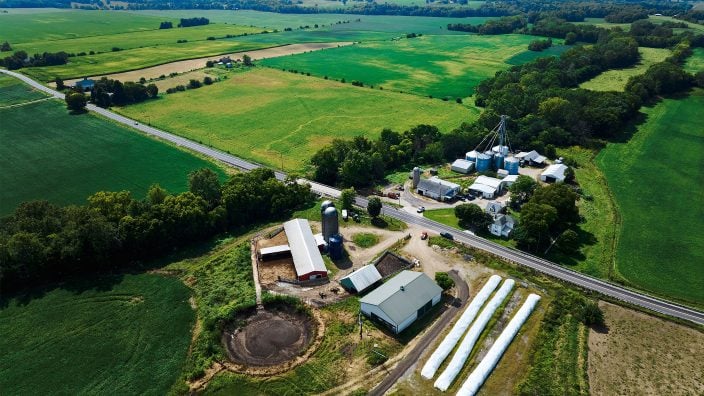
Ohio Farm Bureau Associate General Counsel Leah Curtis explains how the eminent domain process works in Ohio, what ‘quick take’ means and when it can be used.
Read More
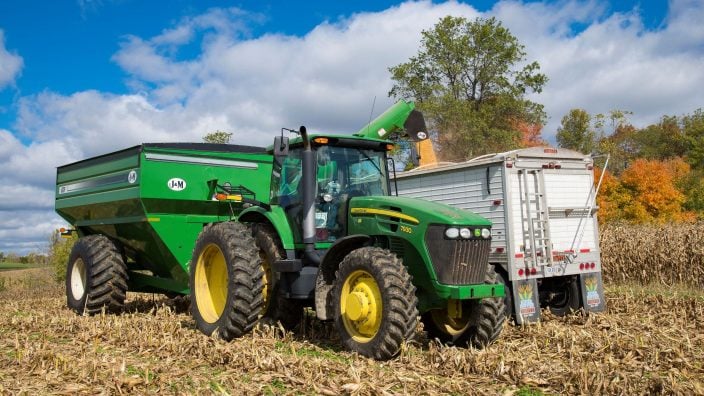
As fuel prices skyrocket across the state, lawmakers are preparing to return to the Statehouse to vote on the temporary suspension of Ohio’s gas tax.
Read More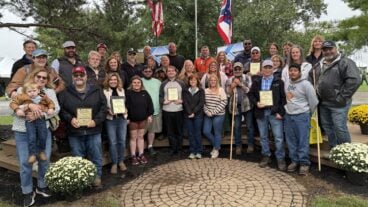
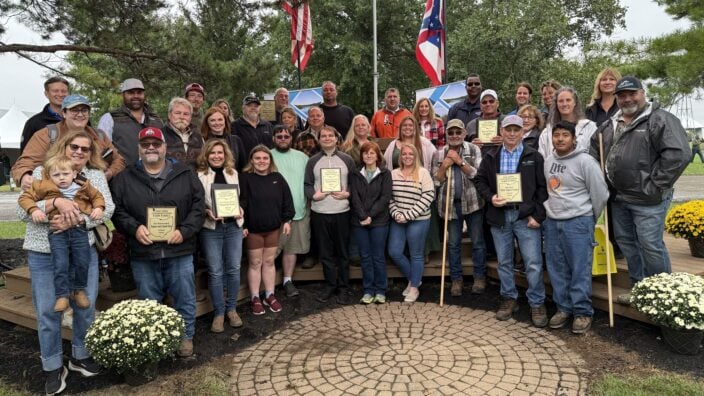
Since 1984, the Conservation Farm Family Awards program has recognized Ohio farm families for their exemplary efforts conserving soil, water, woodland, wildlife, and other natural resources.
Read More
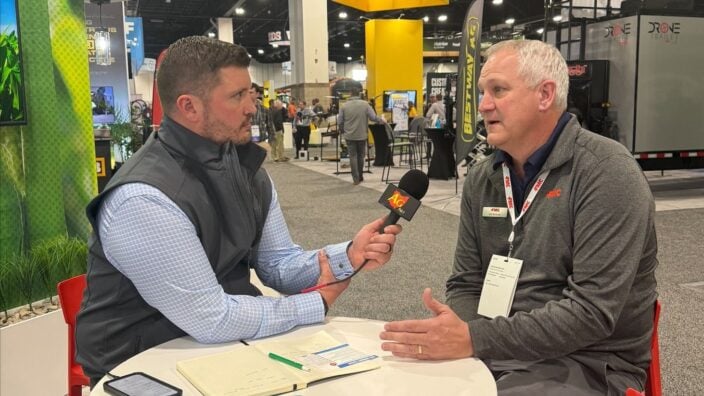
Meet Joe Everett, a Shelby County Farm Bureau Young Ag Professional who has dedicated his life to service, both in uniform and within his local community.
Read More
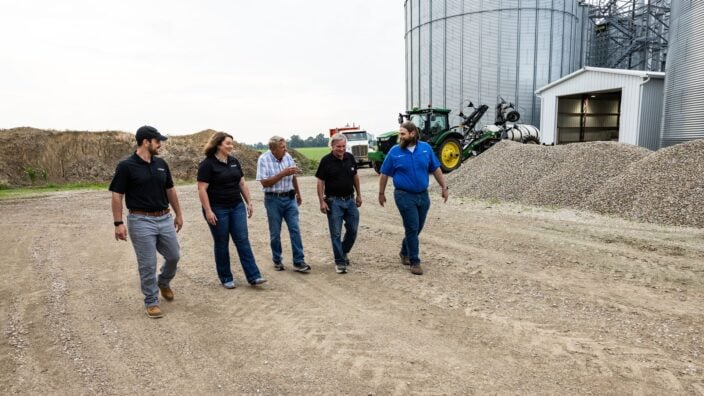
A year-end review provides an opportunity to evaluate your operation’s financial position, discuss future goals and develop strategies for the upcoming season.
Read More
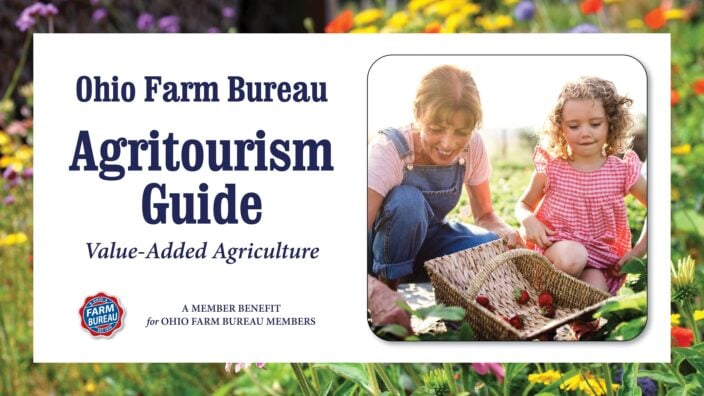
Ohio Farm Bureau has created a new guide to help members better understand the laws, regulations and risk considerations that come with opening their farms to the public.
Read More
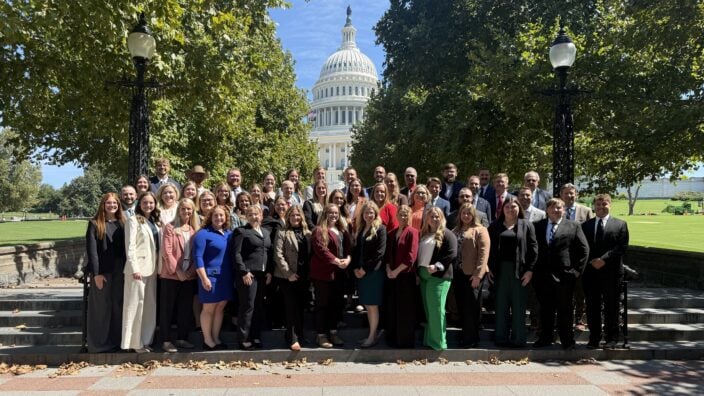
The groups received a firsthand look at agricultural policy, advocacy and leadership in the nation’s capital.
Read More