


From Montana to Ohio, Farm Bureau as a common thread
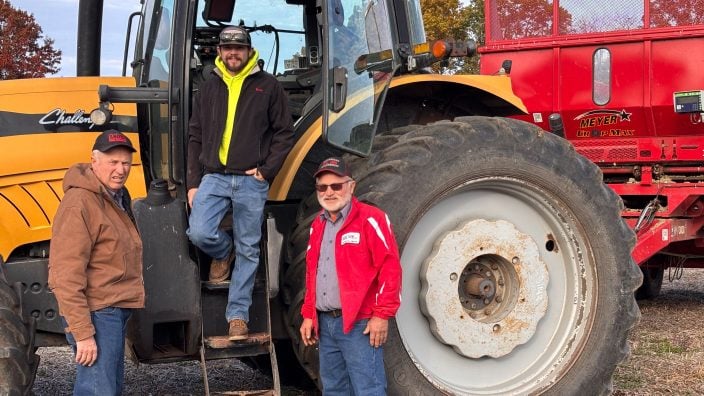
Wherever a farmer or rancher goes, Farm Bureau is there. ~ Gary Heibertshausen, Brown County Farm Bureau member.
Read MoreAgriculture is a capital intensive industry and startup costs, especially for grain farmers, often deter people from starting an agriculture-related business. But increasingly there have been efforts at the state and national levels to help beginning farmers get their start.
Editor’s Note: This article was reviewed in March, 2025 for accuracy.
What started out as a hobby farm was quickly becoming a booming business. Highland County Farm Bureau members Brandon and Sarah Fullenkamp realized they needed more than 15 acres to keep up with the growing demand for their cattle, hogs and chickens. Brandon asked a real estate agent to let him know if any small farms would be going on the market over the next two years. Less than 24 hours later, he got a response. A 55-acre plot just down the road from him was for sale. The timing was perfect but the price tag was high.
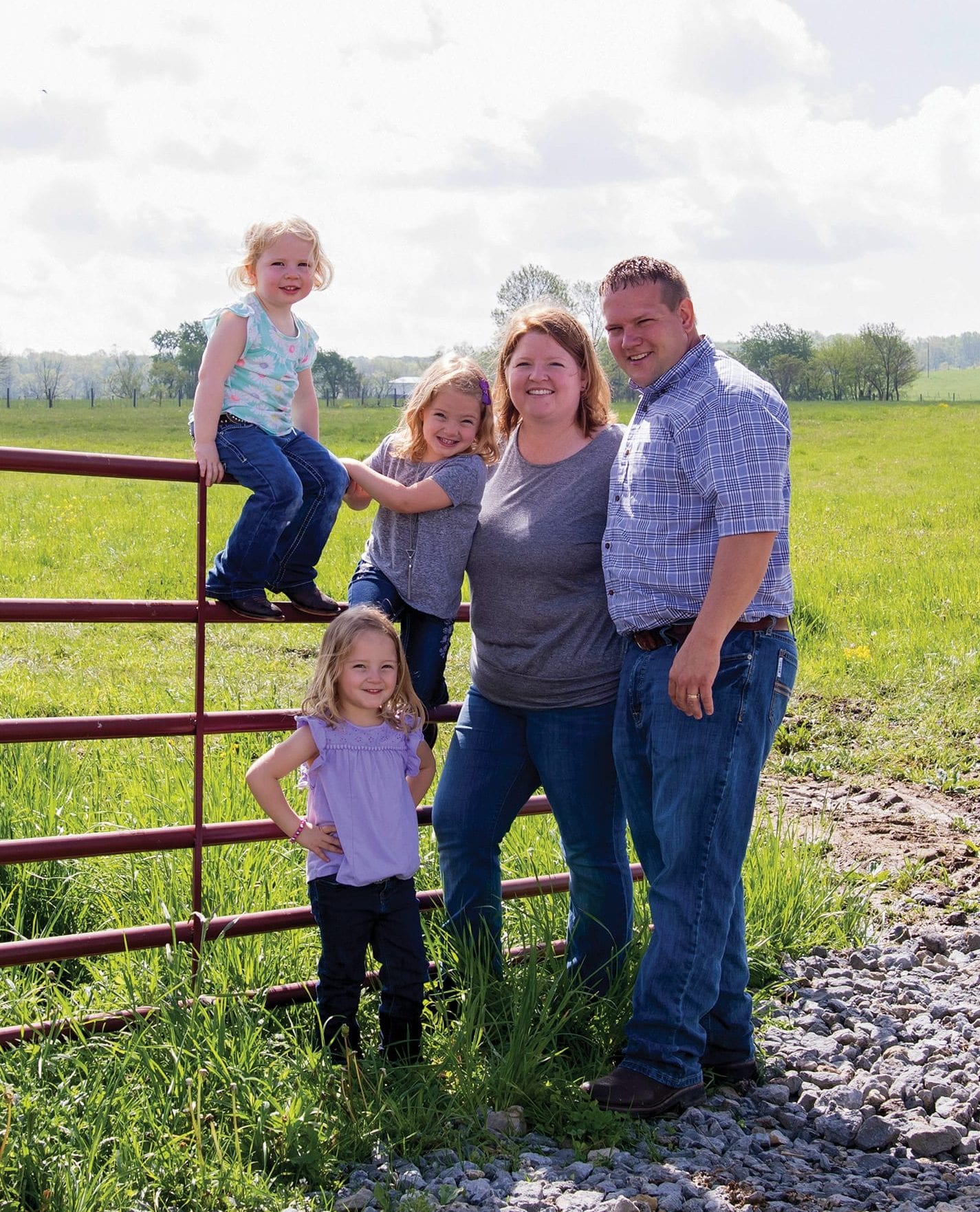
“I said ‘There’s no way’ but my wife who works for FSA (Farm Service Agency) said ‘Why not call FSA and see if we qualify for a low-interest loan,’” Brandon said, thinking back on that day in 2016.
Turns out there was a way, after all. They secured a direct loan through FSA that was geared toward beginning farmers and was affordable for the couple who had only been farming for five years. The 30-year loan had a low fixed rate.
“That initial FSA beginning farmer loan was huge for us,” Brandon said, noting that it was a somewhat nerve-wracking process until all the papers were signed. FSA loans take much longer to process than other loans and require an understanding and patient seller.
“We closed the fastest way possible — 60 days — and there were some tense moments. We’re blessed to be in the financial industry and know what people to call,” said Brandon, who sells crop insurance.
Figuring out those first steps to starting a farm or agriculture-related business can be tricky, especially if the land and equipment have not been passed down to the next generation. Agriculture is a capital intensive industry and startup costs, especially for grain farmers, often deter people from starting an agriculture-related business.
But increasingly there have been efforts at the state and national levels to help beginning farmers get their start. The 2018 Farm Bill made changes to crop insurance to make it more affordable for beginning farmers. The bill also increased the amount farmers can borrow through direct and guaranteed loans through FSA and now allows producers to receive twice as much money through microloans, which are popular with beginning farmers.
In Ohio, legislators are working on new legislation that would benefit beginning farmers as well as existing ones. After hearing Farm Bureau members describe the challenges beginning farmers face today, Ohio Farm Bureau made it a priority to work with legislators on a beginning farmer tax credit bill. If passed, the bill will help new farmers get their start in agriculture and older farmers transition out as they retire. (Editor’s Note: the program went into effect in 2022.)
“Farmers are aging at a quicker rate than new farmers are joining the profession,” said Jenna Beadle, Ohio Farm Bureau’s director of state policy, noting that the average age of farmers in Ohio is 56.8. “Many beginning farmers do not have the levels of capital or credit necessary to begin farming, but even beyond that, the amount of land that is zoned for agriculture is finite.”
Recognizing the challenges new farmers face, Heartland Bank started an agribusiness lending group a few years ago with a goal of helping them get the financial security they need to start their business. In 2016 the central Ohio based bank became a preferred lending partner for FSA, allowing it to offer more financing options and a more streamlined application and approval process.
“The bank was chartered in 1911 and started by farmers so essentially we were going back to our roots by launching this program,” said Brian Fracker, Heartland vice president and agribusiness banker. “I was one of the first ones to raise my hand when they said we were going to jump into agriculture. I wanted to be a part of that because it would line up my personal career with my passion.”
Fracker and his wife bought a 20-acre plot in Licking County in 1993, the year after he started at Heartland. While he didn’t grow up on a farm, visits to his grandfather’s farm and uncle’s cattle farm sparked a lifelong interest in agriculture. Over the years, he’s increased his acreage and now has a cow-calf operation.
“I’m an unusual bird because I started my farming operation in my 30s and didn’t inherit anything. I started this from scratch and learned from the school of hard knocks,” he said, with a laugh. “I know what it’s like to be a first generation farmer and have a special place in my heart for those who can pull it off and launch a farming operation from scratch.”
Fracker said he’s seeing more beginning farmers of all ages and believes selling direct to consumers is the reason for the increased interest.
“Niche farming and marketing have created the opportunity for a small farm to make a little money. It may not be a bread winning business and you have to have a personal passion to make it happen, but I’m seeing more folks really passionate about trying it,” he said. “I think part of it is that folks want to see what it’s like to live in the country and teach their kids the value of hard work and where their food comes from.”
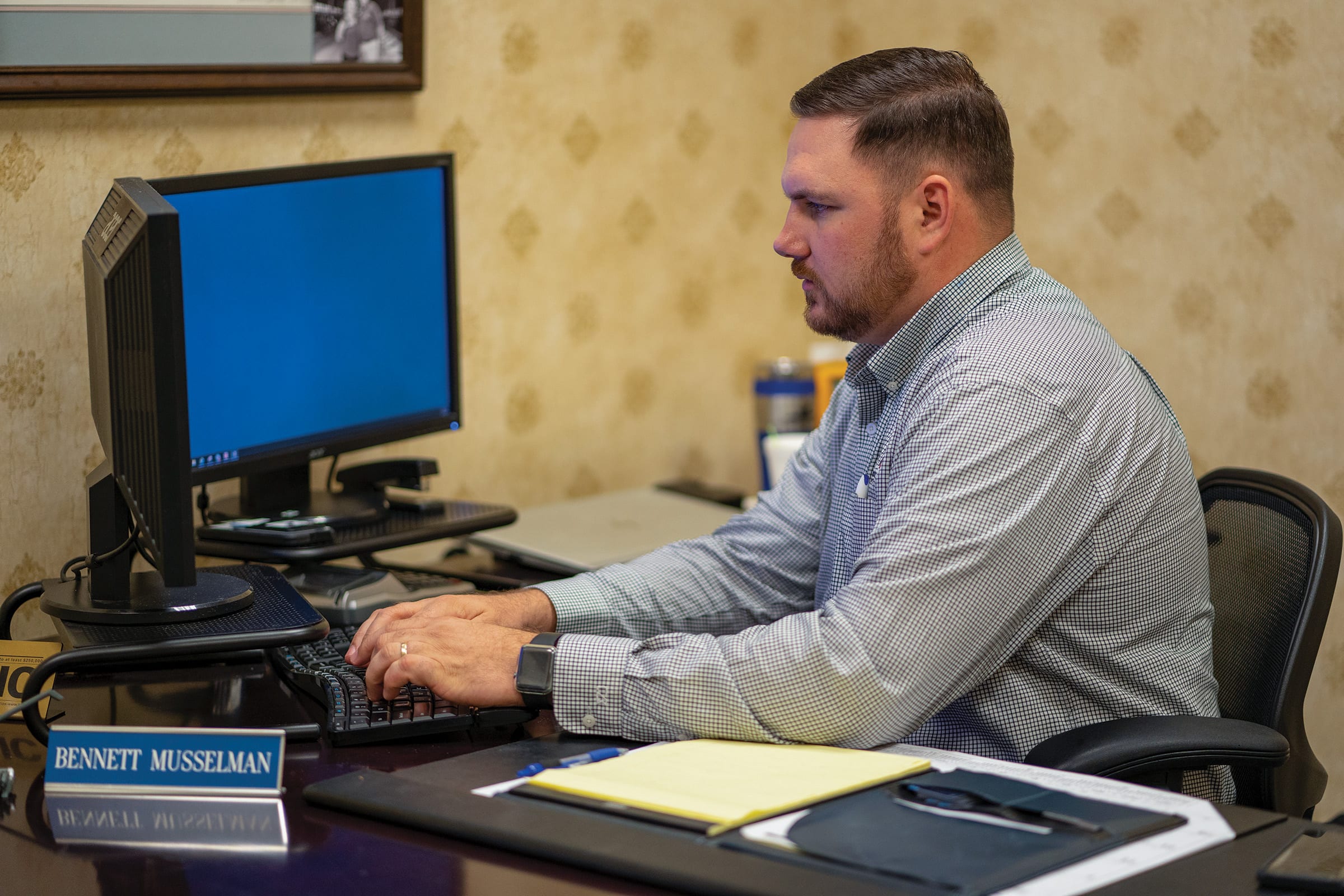
As a fourth-generation farmer in Pickaway County, Fracker’s agribusiness colleague, Bennett Musselman, is aware of the joys and heartaches of farming. He and his wife, Liza, help run a grain operation and are co-chairs of Ohio Farm Bureau’s Young Agricultural Professionals state committee. Bennett, an agribusiness banker, recently testified in favor of a state bill that would help beginning farmers, describing how new farmers have limited access to capital, credit and land.
At the bank, he finds himself acting not only as a financial adviser but mentor to new farmers. Some of his advice for beginning farmers: build a team of advisers (banker, attorney, accountant and mentor), develop a thorough business plan, establish a relationship with the lender prior to applying for a loan and check and understand credit scores.
“There are all kinds of ways to get into farming — it’s not just corn and (soy)beans. Niche markets can really help you be successful,” Bennett said. “Ohio Farm Bureau has a lot of great resources for young people like through its yearly Young Ag Professionals conference. The key is to network and learn.”
Ohio Farm Bureau has been working with state lawmakers on House Bill 183, which would authorize a nonrefundable income tax credit up to $1,500 for beginning farmers who attend a financial management program and a state income tax credit when established farmers sell or rent farmland, livestock, buildings or equipment to beginning farmers. To qualify for the program, a beginning farmer would be defined as an Ohio resident who has been farming for less than 10 years with a net worth of less than $800,000 and not a relative of the established farmer.
Editor’s Note: Ohio’s Beginning Farmer Tax Credit Program was implemented in 2022.


Wherever a farmer or rancher goes, Farm Bureau is there. ~ Gary Heibertshausen, Brown County Farm Bureau member.
Read More
Nate Andre works to educate officials and shape composting regulations, by hosting state and federal leaders, health departments and EPA officials on his farm. He’s been a Farm Bureau member since 1973.
Read More
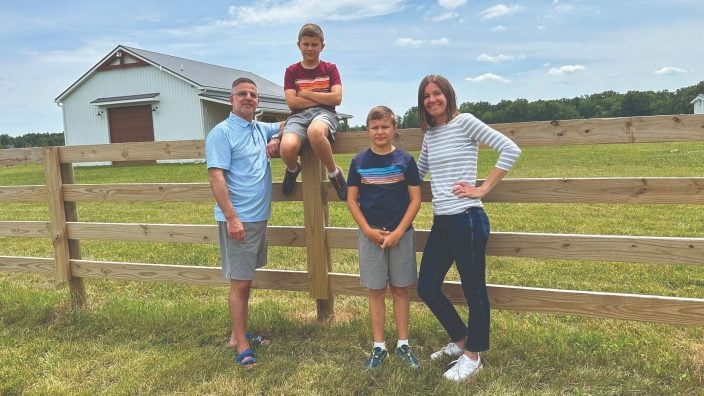
After regaining ownership of her family farm, Gretchen Francis wanted to establish an energy sustainability plan. This led her to Community Energy Advisors and Viridi, Ohio Farm Bureau Energy Program partners.
Read More

Bob and Polly Givens are on a mission to inform small landowners-homesteaders of the advantages of CAUV.
Read More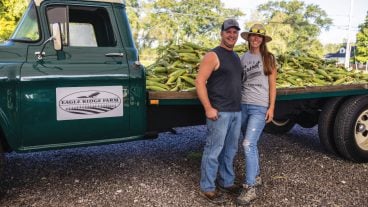
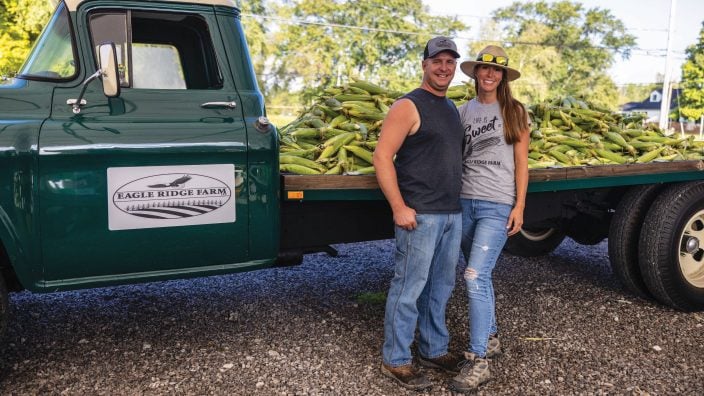
An impeccable crew, a sweet corn hotline, corn dog Maizey and meeting customers at the farm add up to success at Eagle Ridge Farm.
Read More
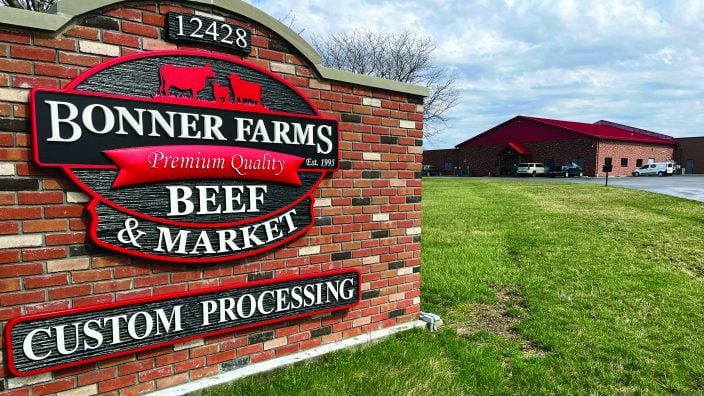
To fill consumer demand, Richard and Rae Lynn Bonner have expanded their family farm by opening a meat shop and building a processing facility.
Read More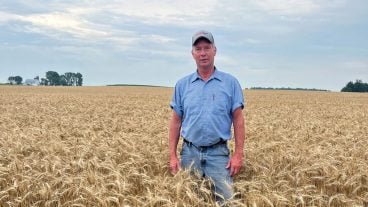
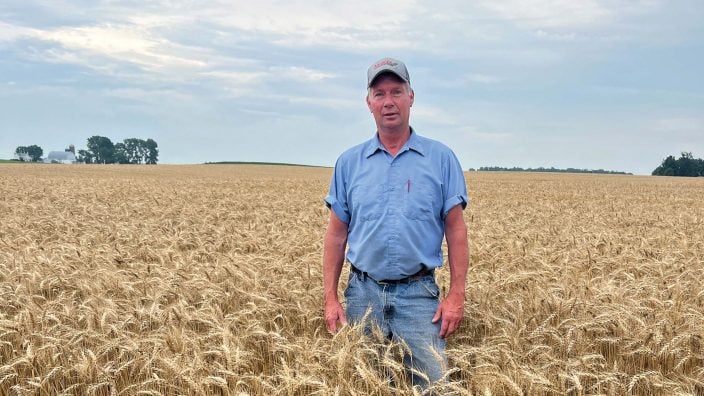
Gary Mescher and other farmers have not only learned, but implemented Nutrient Management Plan practices that now serve as models for how to manage agricultural runoff in the Western Lake Erie Basin.
Read More
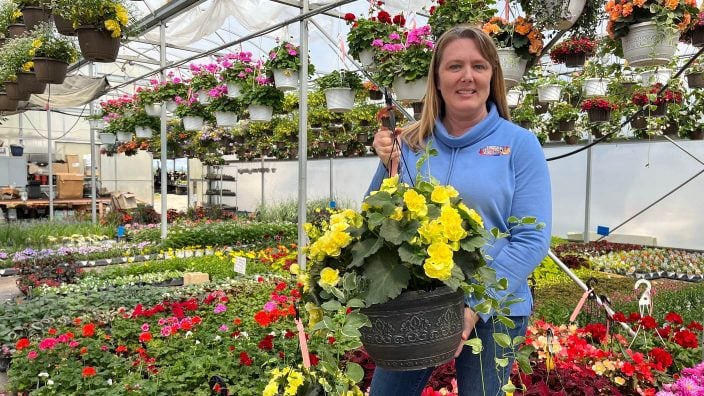
Maintaining a knowledgeable and robust workforce is key to sustainability and any potential growth for Brown’s Family Farm Market in the future.
Read More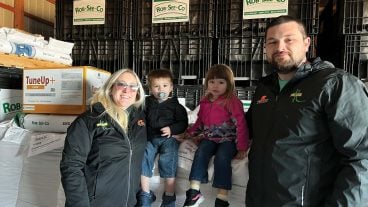
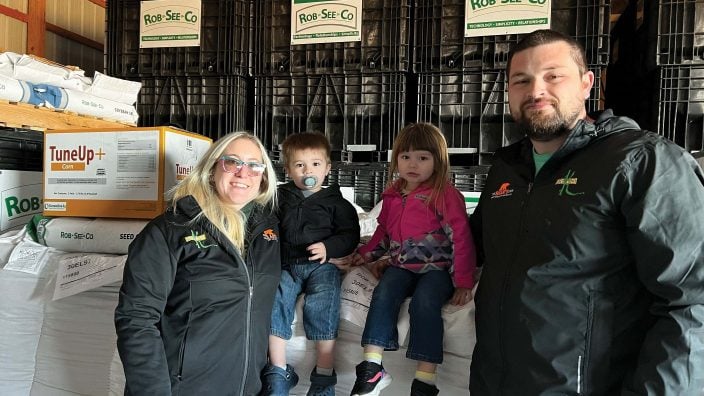
To help get their name out in the community, while also being involved in the community, the Kisers got involved with Farm Bureau on the county level.
Read More
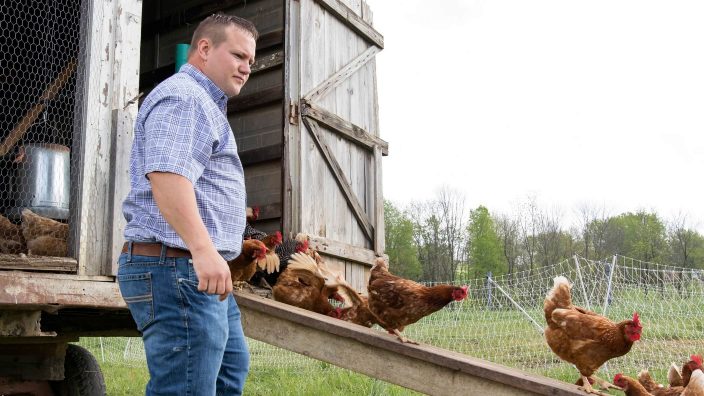
Mental health advocate Brandon Fullenkamp from Highland County was a guest on the Farmside Chat podcast with American Farm Bureau President Zippy Duvall.
Read More