


Applications for Ohio Farm Bureau Health Plans now available
Members have three ways to apply: contacting a certified agent, calling 833-468-4280 or visiting ohiofarmbureauhealthplans.org.
Read MoreFrom the field: Farmers and mental health
An interview with Nathan Brown
By Ivory Harlow, Oct. 29, 2019
The Ohio Department of Agriculture, the Ohio Department Mental Health & Addiction Services, Ohio Farm Bureau and partners recently launched the #gotyourback campaign to address farm stress and mental health concerns in rural communities.
Farmer and Ohio Farm Bureau State Trustee Nathan Brown wants his fellow farmers to know he’s got your back. Organization Director Ivory Harlow visited his farm in Brown County to discuss farm stress and how we can help farmers and their families during tough times.
Ivory: The #gotyourback campaign ignited a meaningful conversation about mental health challenges for farmers and their families. Why is farm stress a hot topic now?
Nathan: Farmers are facing difficult times in agriculture. Commodity prices have been on a steady decline. Farm income peaked in 2012 and has decreased ever since. Operating costs are higher today than they have been in recent years. Farmers work a lot of hours alone. Even when working in a crew, like during harvest, there is little interaction with others. All of these things contribute to the stress Ohio farmers are feeling right now.
Mental health is something that very few farmers want to talk about, but every farmer struggles with stress at some point. The agricultural industry needs to stick together and support one another. The #gotyourback campaign is an effort to let farmers know they are not alone and offer resources to cope with stress and mental health challenges.
Ivory: Are there specific sectors of agricultural industry that you see struggling more than others?
Nathan: Stress affects all farmers, all ages, farms of all types and sizes. Dairy farmers have been hit particularly hard, but the trade war is taking a toll on grain, corn and soybean operators. Beef, pork and poultry producers are struggling too. Uncertainty in the market is a main driver of stress because there is no way to plan for profitability.
Ivory: Farmers are a stoic group. Many believe silence is a sign of strength. How can we get the message out that seeking help is not a sign of weakness?
Nathan: We’ve got to break through the stigma that seeking help for mental health is any different than seeking help for a physical condition. Farmers don’t hesitate to seek care from a health professional for an injury or a cold; the same should be true for mental health concerns.
The good news is that #gotyourback campaign and other like it are boosting awareness that taking care of your mental health is as important as your physical health.
Soci al media is helping spread the word. Farmers are using social media to share their stories, find support and connect online. The message is clear: Let’s get out and let’s talk about it — If you’re suffering from farm stress, I’ve got your back.
BEHAVIORAL SIGNS
PHYSICAL SIGNS
Ivory: If farmers or family members recognize symptoms of stress in themselves or others what can they do?
Nathan: Be willing to check on your neighbors and friends. If someone is showing symptoms of stress stop in and check on them. It can be as easy as asking “Are you doing alright?” Let him/her know they aren’t alone. I’ve traveled around the state and talked to a lot of farmers dealing with stress. Once you get the conversation started, it’s amazing how much better everyone feels talking about it.
Farmers and their families can reach out to a mental health provider. There is at least one in every community. If you need help locating a mental health professional, make an appointment with your general health practitioner. He or she can point you in the right direction.
Visit the Ohio Department of Agriculture #gotyourback resource page.
24/7 free, confidential crisis lines: Hotline Text “4hope” to 741741 or call 1-800-273-8255.
YOURSELF
SOMEONE YOU KNOW
Ivory: Many farmers have minimum health insurance coverage or no coverage. Clergy, federally qualified health centers, university and mental health practitioner training centers offer counseling services at low or no cost. Visit 211.org to locate social services near you.
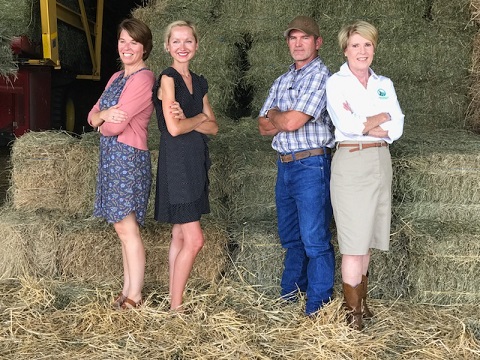
Picture: Lori Criss, Director, Ohio Department of Mental Health & Addiction Services; Ivory Harlow, organization director, Ohio Farm Bureau; Kipp Harlow, farmer, Ross County; Dorothy Pelanda, director, Ohio Department of Agriculture


Members have three ways to apply: contacting a certified agent, calling 833-468-4280 or visiting ohiofarmbureauhealthplans.org.
Read More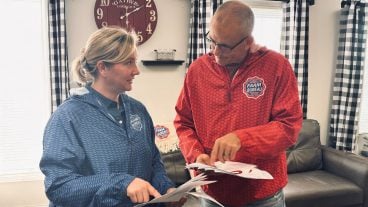
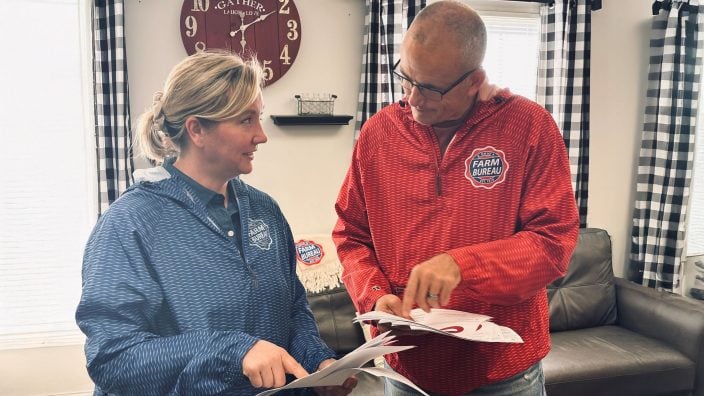
One of the best decisions Shannon and Heather Utter made a few years ago was looking into a Farm Bureau member benefit that has ended up saving them thousands of dollars on their energy bills.
Read More

Ryan Hiser has experienced first-hand the importance of having the opportunity to vote on issues that will affect his family operation and other farmers.
Read More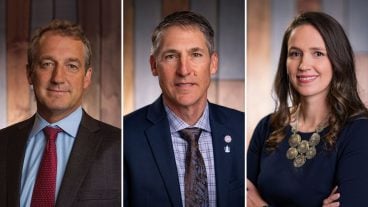
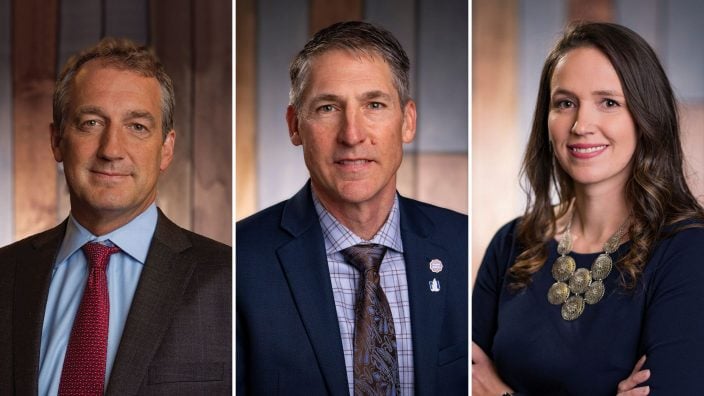
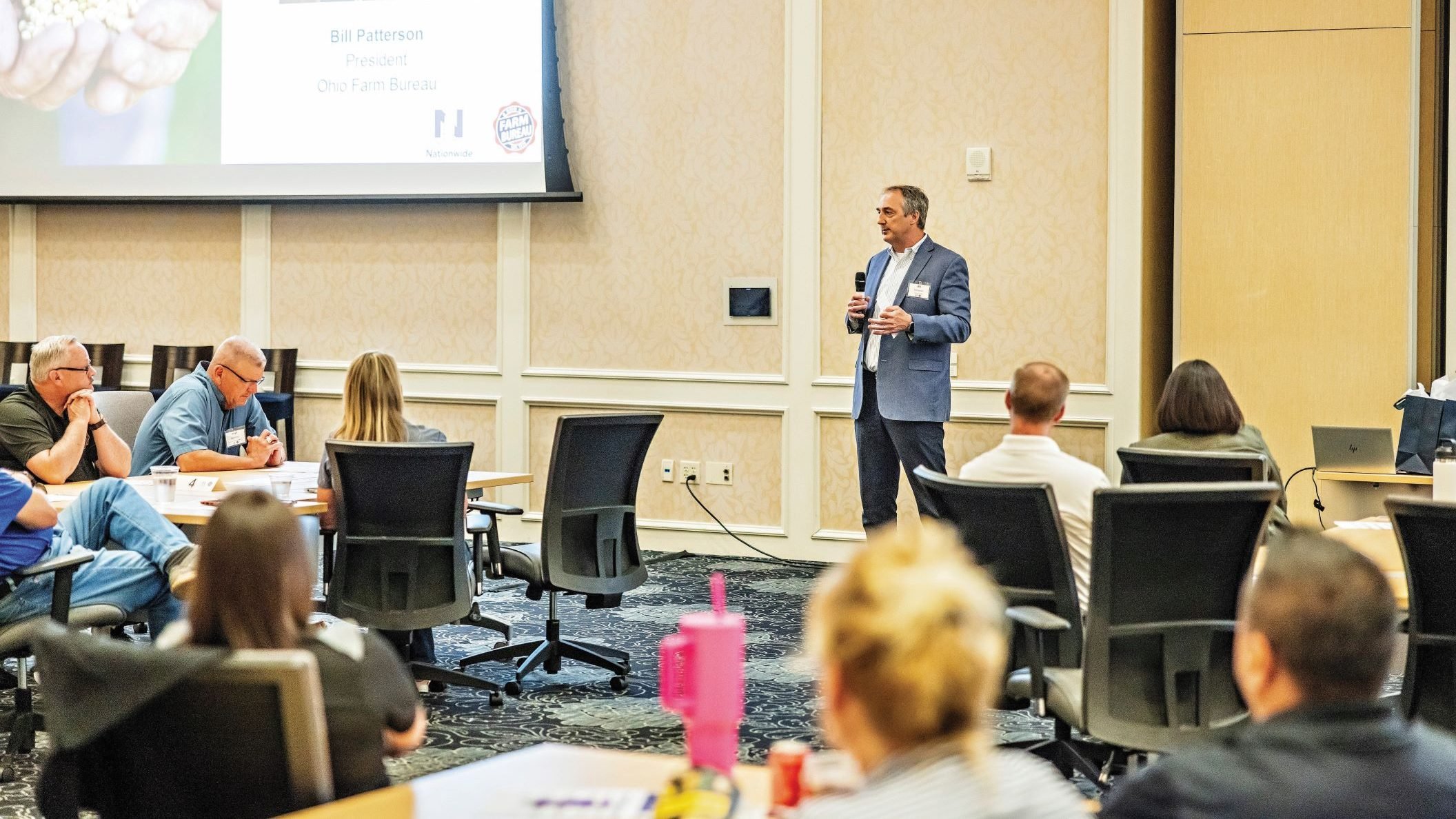
Bill Patterson, Cy Prettyman and Adele Flynn will continue to serve as officers for Ohio Farm Bureau Federation.
Read More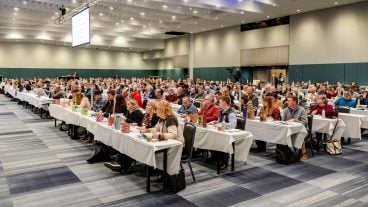
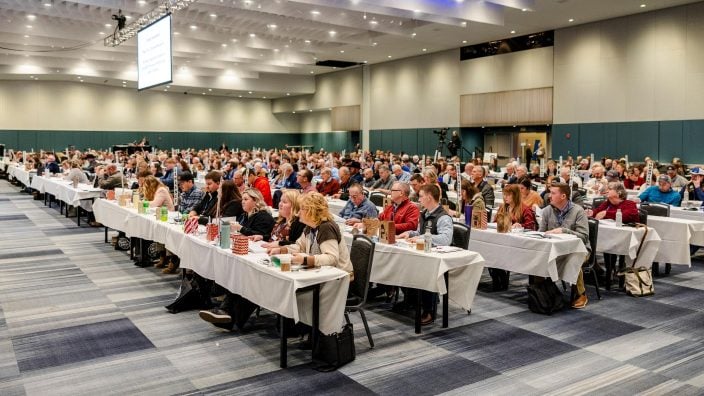
Delegates discussed many topics impacting agriculture including farmland preservation, local foods, and succession planning.
Read More
Twenty-six farmers govern the state’s largest farm and food organization.
Read More
The 2025 recipients are Fred Cooke (posthumous) of Richland County, Marvin Dietsch of Williams County, Steven Knollman of Hamilton County and Michele Miller (posthumous) of Ottawa County.
Read More
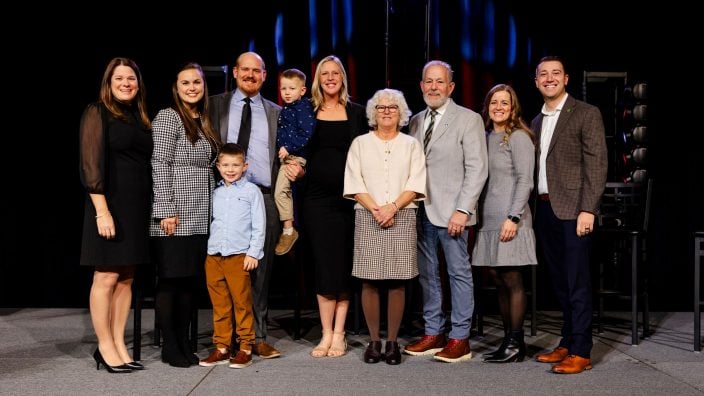
Nathan and Jill Parriman grow seasonal crops, including Christmas trees, pumpkins and cut flowers, providing U-cut experiences that invite customers to engage directly with agriculture.
Read More
The 2025 Distinguished Service Award recipients are Craig Adams, Mike Townsley, and Kellogg Farms, Kurt Farms and Stateler Family Farms.
Read More
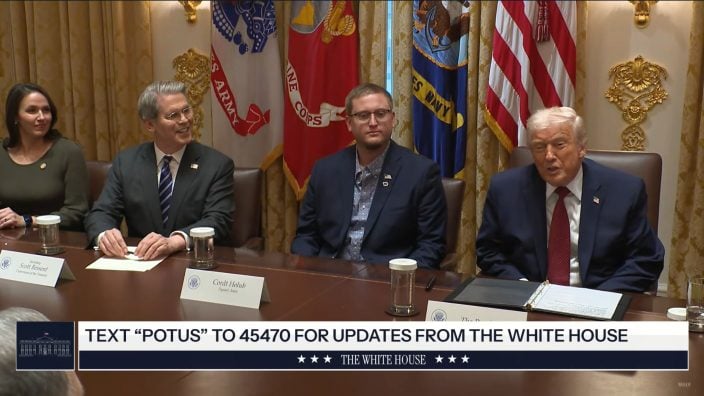
Ohio Farm Bureau Treasurer Adele Flynn participated in the meeting, representing Ohio farmers.
Read More