







Applications for Ohio Farm Bureau Health Plans now available
Members have three ways to apply: contacting a certified agent, calling 833-468-4280 or visiting ohiofarmbureauhealthplans.org.
Read MoreNov. 14, Ohio Gov. Mike DeWine unveiled H2Ohio, a comprehensive, data-driven water quality plan to reduce harmful algal blooms, improve wastewater infrastructure, and prevent lead contamination.
“We have a moral obligation to preserve and protect our natural resources,” DeWine said during a speech at the National Museum of the Great Lakes in Toledo. “My H2Ohio plan is a dedicated, holistic water quality strategy with long-lasting solutions to address the causes of Ohio’s water problems, not just the symptoms.”
DeWine’s H2Ohio plan is an investment in targeted solutions to help reduce phosphorus runoff and prevent algal blooms through increased implementation of agricultural best practices and the creation of wetlands; improve wastewater infrastructure; replace failing home septic systems; and prevent lead contamination in high-risk daycare centers and schools. The Ohio General Assembly invested $172 million in the plan in July, and since then, H2Ohio experts have been developing strategies for long-term, cost-effective, and permanent water quality solutions.

The H2Ohio plan will invest substantially to help farmers reduce phosphorus runoff from commercial fertilizer and manure to prevent harmful algal blooms.
Algal blooms in Ohio’s lakes, rivers, and streams can threaten drinking water and impact the health of people and animals. Although studies have shown that phosphorus runoff from farms is the primary reason for algal blooms in Lake Erie, Ohio has not previously placed a significant focus on addressing this problem.
“Ohio has supported many programs to help farmers reduce nutrient loss over the years, but the state hasn’t done nearly enough, nor have previous plans focused enough, on reducing phosphorus runoff from agriculture,” DeWine said. “That changes now.”
As a result of intensive scientific and economic studies, H2Ohio identified the 10 most effective and cost-efficient practices that have been proven to reduce agricultural phosphorus runoff. Through a certification process, H2Ohio will provide economic incentives to farmers who develop a nutrient management plan that includes a combination of the best practices.

The H2Ohio phosphorus reduction plan will focus first on reducing runoff into the Maumee River Watershed and Lake Erie and will eventually be offered to other parts of the state in the future. Farmers in the Maumee River Watershed will be able to enroll in H2Ohio programs for funding incentives in time for spring 2020 planting.
“For now, we will not mandate the use of these best practices because we believe our strategy will lead to significant changes within our current laws,” DeWine said. “By helping farmers implement these practices today, H2Ohio will ultimately save them money, increase their profits, and reduce their phosphorus runoff in the future. Although a decrease in Lake Erie algal blooms will take time, we must invest now if we want clean water for future generations.”
As part of the H2Ohio plan, counties in the Maumee River Watershed will each have a localized phosphorus target to help ensure accountability. Individualized nutrient management plans will also be developed for participating farms to identify which H2Ohio best practices will reduce the most phosphorus runoff at each location.

Soil and Water Conservation District Offices in each county will lead local efforts to help farmers enroll in the H2Ohio program and to help them implement the H2Ohio best practices.
The overall progress of the H2Ohio phosphorus reduction plan will be regularly assessed and aggregate data will be publicly available.
The plan was developed with input from a broad coalition of agriculture, education, research, conservation, and environmental partners. H2Ohio will be led by the Ohio Department of Agriculture, Ohio Department of Natural Resources, Ohio Environmental Protection Agency, and Lake Erie Commission with support from the Ohio Agricultural Conservation Initiative, Ohio Farm Bureau, U.S. Department of Agriculture, and others.
Several of the country’s largest agribusiness operations, including Land O’Lakes, Nutrien, and The Andersons, have voiced support for the plan and have agreed to promote H2Ohio to their customers to help increase the number of acres enrolled in best practices.
H2Ohio will also address water and sewer needs in Ohio, including failing home septic systems in disadvantaged communities and possible lead contamination in high-risk water daycare centers and schools.
“Ohio’s communities rely on clean drinking water and wastewater infrastructure to protect public health, provide for a high quality of life, and enable economic vitality,” said Governor DeWine. “It is wrong that Ohio children are potentially being exposed to lead in drinking water because of antiquated piping and fixtures in daycare centers or they can’t play outside because their backyards are covered in sewage from failing septic systems. H2Ohio is going to help.”
Under the direction of the Ohio Environmental Protection Agency, H2Ohio will fund infrastructure projects in disadvantaged communities to help ensure they have safe drinking water and quality sewer infrastructure.
H2Ohio will also help replace hundreds of failing home sewage treatment systems in low-income households to prevent the release of raw sewage onto property or into waterways.
Additionally, through a combination of state and federal funds, H2Ohio will assess lead exposure in daycare centers and schools in high-risk areas of Ohio and will help replace lead pipes and fixtures.
The Ohio EPA will announce details of new projects in the coming weeks.


Members have three ways to apply: contacting a certified agent, calling 833-468-4280 or visiting ohiofarmbureauhealthplans.org.
Read More
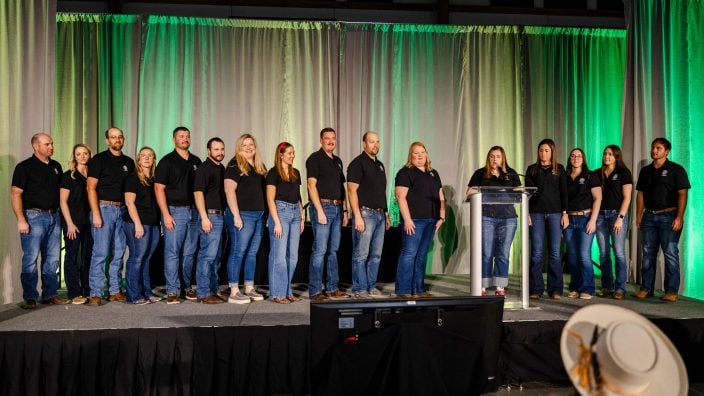
Members ages 18-34 who are interested in developing their leadership skills and enhancing programming for their peers should apply.
Read More

Senate Bill 328 is legislation designed to strengthen career-connected learning and better prepare students for Ohio’s workforce needs.
Read More

With the Family Forest Carbon Program, you can have a successful farm and get paid to grow healthy forests.
Read More

Ohio Farm Bureau recently sent a letter to Congress calling for the swift passage of the Farm, Food, and National Security Act of 2026 (HR 7567).
Read More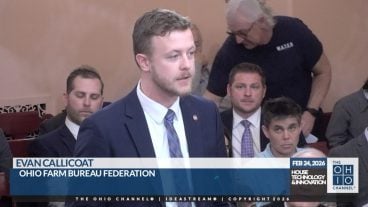
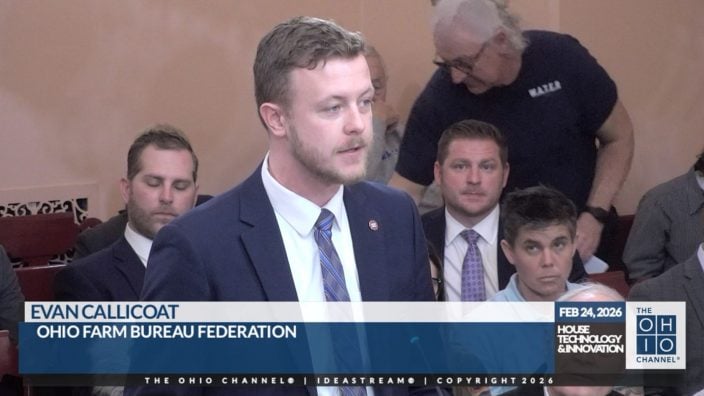
House Bill 646 would establish a Data Center Study Commission to examine the impact of rapid data center development across the state.
Read More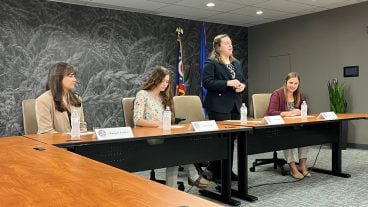
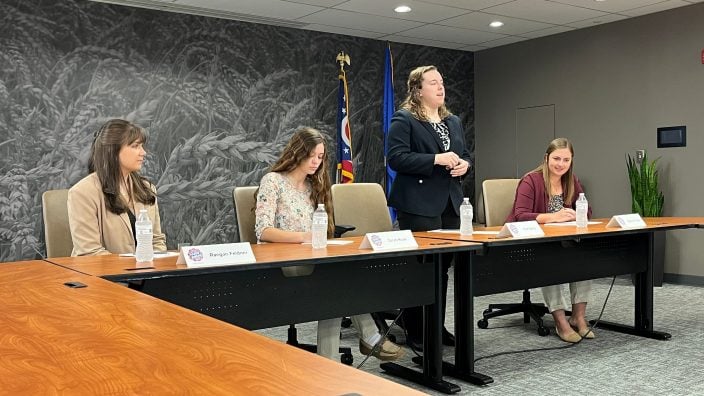
Collegiate Farm Bureau serves as a connection to current industry professionals and equips the next generation with the essential tools and resources needed to excel in their careers.
Read More

Ohio Farm Bureau members met one-on-one with state legislators and staff to discuss policy priorities impacting Ohio’s farms and rural communities.
Read More

Legacy nutrient deductions enable new farmland owners to claim deductions on the nutrients within the soil on which healthy crops depend.
Read More
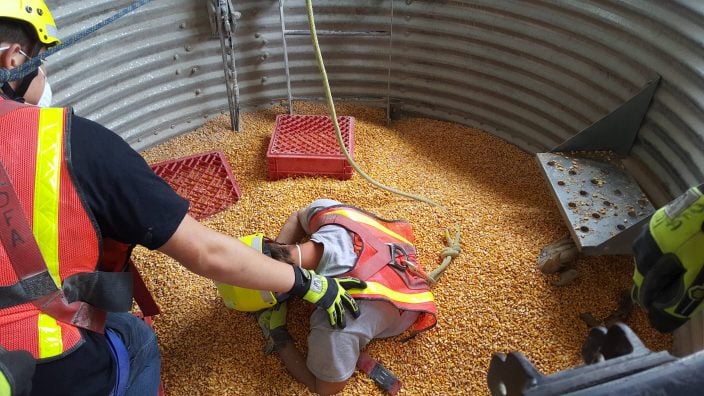
Farmers, agribusinesses and community members are encouraged to nominate their local fire departments for Nationwide’s Nominate Your Fire Department Contest through April 30.
Read More