



Applications for Ohio Farm Bureau Health Plans now available
Members have three ways to apply: contacting a certified agent, calling 833-468-4280 or visiting ohiofarmbureauhealthplans.org.
Read MoreEarlier this summer, the National Oceanic and Atmospheric Administration pegged the severity of the 2020 algal blooms on Lake Erie at a 4.5 on a scale of 10, one of the smaller forecasts in recent years. Final data to calculate the official bloom size won’t be released until later this year, but one researcher says the original guess will be close.
“It wouldn’t surprise me if that is an accurate forecast and that is good to hear,” said Chris Winslow, director of the Ohio State University’s Ohio Sea Grant College Program. “In a year of travel restrictions, it’s nice to be able to go to a lake, social distance and enjoy that resource.”
That is not to say that all of Lake Erie has been spared from algal blooms. According to Winslow, locations being impacted this year by relatively mild blooms are near the Maumee Bay and on the Michigan shoreline, due to the direction of the wind over the summer months.
Some of this year’s small bloom can be attributed to a drier weather pattern, keeping nutrients in place instead of being washed into the lake from wastewater treatment plants, septic systems and agricultural landscapes after heavy rainfalls. Progress in nutrient management by farmers is also a factor.
“I would say we have made a lot of progress from the agricultural front from one specific perspective and that is the best management practices,” Winslow said. “We are seeing a lot of great data from experiments on the usage of cover crops, tile drainage control structures, buffer strip placements and incorporation of fertilizer.”
With every day that goes by, research shows when one best management practice works and when it doesn’t and which landscapes are better suited for a particular BMP.
“The greatest progress we are seeing is being able to inform farmers which practices are best for them and their farm,” Winslow said. “To get to our goal of a 40% reduction rate of phosphorus entering Lake Erie, we need to have huge adoption rates across the watershed and we aren’t quite there yet.”
Winslow acknowledges that resources in the form of funding are a needed component for farmers to do additional practices for water quality. He said the response rate of farmers that want to be engaged in the H2Ohio initiative and other public private partnerships being formed across the state is a huge step in the right direction.


Members have three ways to apply: contacting a certified agent, calling 833-468-4280 or visiting ohiofarmbureauhealthplans.org.
Read More
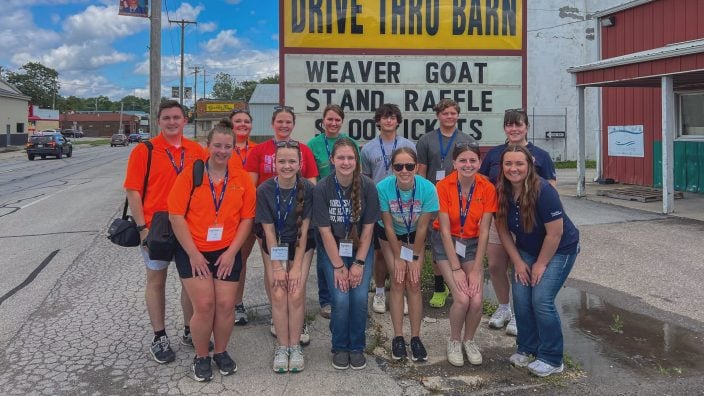
2026 camps feature an expanded lineup of one-day experiences and a weeklong immersive camp for high school students. Registration closes 10 days before each experience.
Read More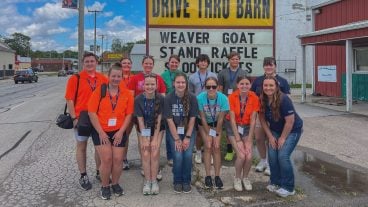
Growing our Generation enewsletter features insights and ideas directly from Ohio’s young farmers and food and agricultural professionals. Sign up…
Read More
A recording of the webinar is available to Farm Bureau members. Please log in to your member account at ofbf.org, then click the link to access the recording.
Read More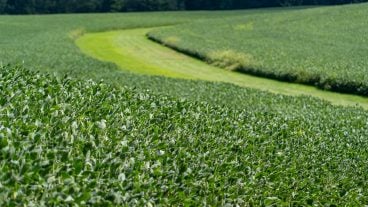
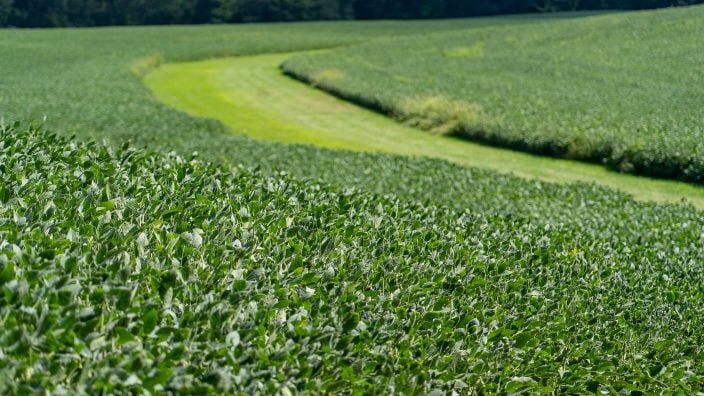
Across both bills, Ohio Farm Bureau reinforced that development can provide economic opportunity, but must be balanced with strong protections for landowners and Ohio agriculture.
Read More
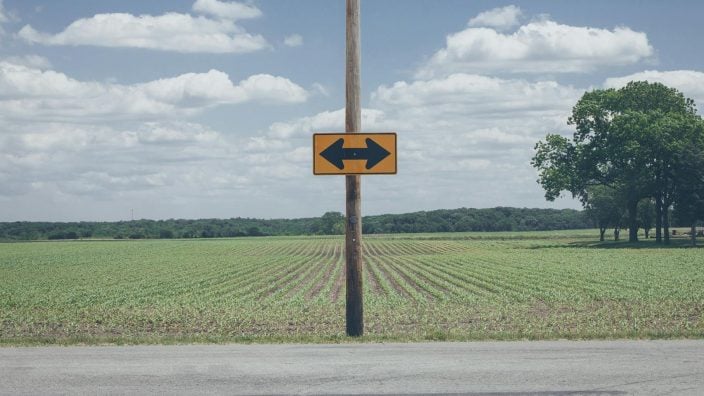
As ODOT accepts public comments until April 14, it is critical that impacted farmers and rural landowners weigh in while the study is underway.
Read More
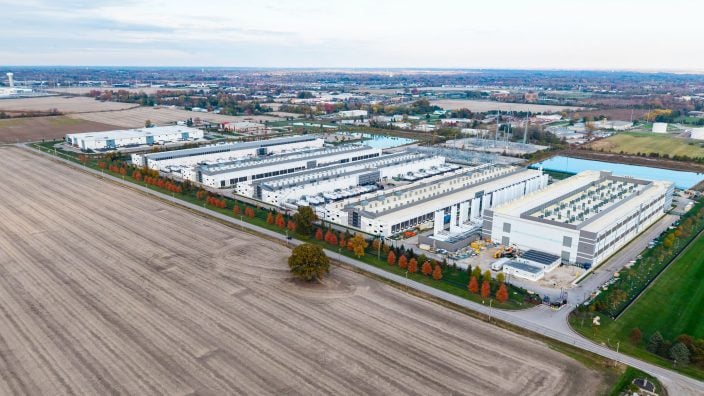
Ohio Farm Bureau is urging its members to contact their Ohio legislators to ask them to repeal the Data Center Sales Tax Exemption.
Read More
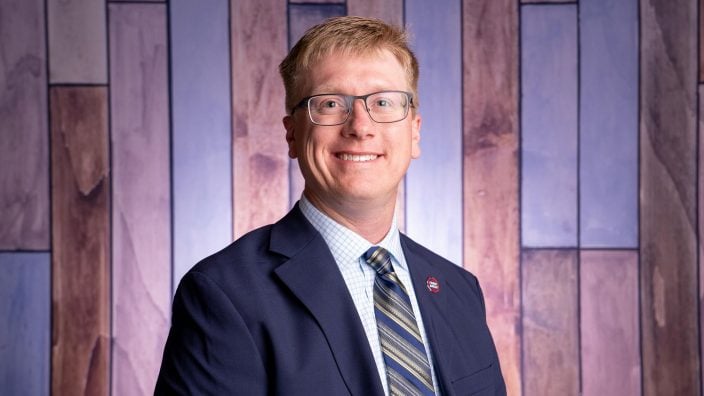
Derek Snider has been appointed to the American Farm Bureau Federation’s Young Farmers & Ranchers Committee for the 2026-2028 term.
Read More
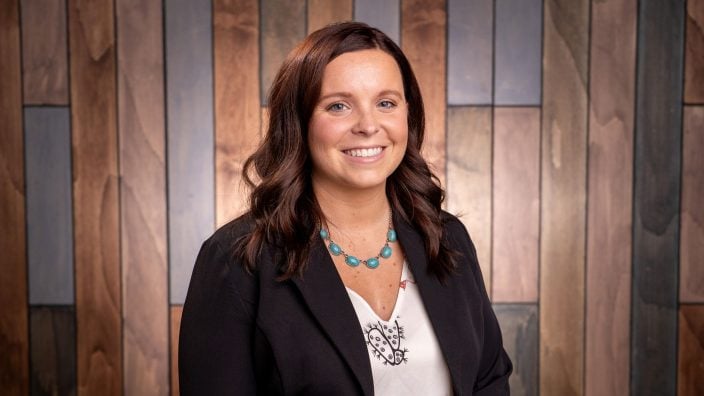
Olivia Robinson of Hanover has been named organization director for Ohio Farm Bureau and will serve members in Guernsey, Morgan, Muskingum and Perry counties.
Read More
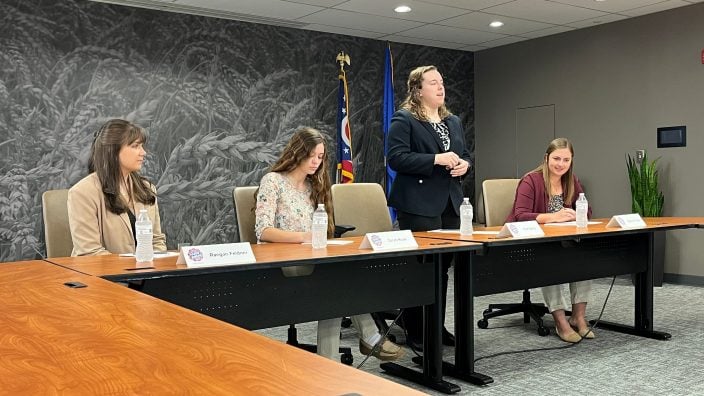
Ruth Beery of Wilmington College Collegiate Farm Bureau is the winner of Ohio Farm Bureau’s 2026 Collegiate Discussion Meet competition….
Read More