

Legal with Leah: Eminent Domain and Quick Take
Ohio Farm Bureau Associate General Counsel Leah Curtis explains how the eminent domain process works in Ohio, what ‘quick take’ means and when it can be used.
Read MoreFarmland preservation and landowner rights remain core priorities for Ohio Farm Bureau and its members. Over the past 20 years, the state has lost more than 1 million acres of farmland, and as Ohio continues to be a hotspot for development, Ohio Farm Bureau is working on all fronts to protect family farms and Ohio’s No. 1 industry. Recently, staff provided interested party testimony on two pieces of legislation that would have direct impact on land use, private property rights and energy development.
Before the Senate Energy Committee, staff testified on House Bill 170, which establishes guardrails around carbon capture and sequestration at the state level. While the bill would help increase domestic demand for corn through ethanol plants, there is also a need for clear guidelines to protect landowners as development takes place.
“Our policy seeks to protect landowner rights, minimize environmental and land risks wherever possible, ensure fair compensation, and establish sound regulations that treat all interested parties equitably,” said Evan Callicoat, Ohio Farm Bureau director of state policy.
Introduced by Reps. Bob Peterson and Monica Robb Blasdel, HB 170 would establish surface use agreements for carbon capture projects to ensure landowners have defined terms. The bill also includes a 70% unitization threshold, helping limit forced participation and better protect private property rights. It also requires that any damage to drainage infrastructure during the sequestration process be properly remediated by the developer.
OFBF policy supports these provisions and emphasized that, if passed, the carbon capture process would better balance development with landowner protection.
Watch Callicoat’s testimony
Ohio Farm Bureau also recently provided interested party testimony to the Ohio House Natural Resources Committee on Senate Bill 219, legislation that updates Ohio’s oil and gas laws.
While the organization appreciates changes to the bill that maintain road use maintenance agreements as a good-faith agreement between local governments and companies to ensure proper road maintenance, OFBF staff raised concerns about other changes in the bill that raised concern to farmers and rural communities.
Within current law, orders from the chief of the Division of Oil and Gas Resources Management at ODNR can override negotiations. Changes in this bill, however, would allow companies to comply with the chief’s order without adhering to any previous promises outlined in private lease agreements, even if those terms do not conflict with the order. This would not only lead to uncertainty for landowners but also diminish the value of negotiated lease agreements.
Senate Bill 219 would also reduce the statute of limitations of oil and gas leases from 21 years timeframe down to six. In the decision of Browne v. Artex, a case Ohio Farm Bureau supported, it was established that oil and gas leases should be treated consistently with other property agreements, and OFBF is opposed to this change as it would shorten the timeframe for property owners to assert their rights and does not reflect the long-term nature of these agreements.
Watch Callicoat’s testimony
Across both bills, Ohio Farm Bureau reinforced that development can provide economic opportunity, but must be balanced with strong protections for landowners and Ohio agriculture.


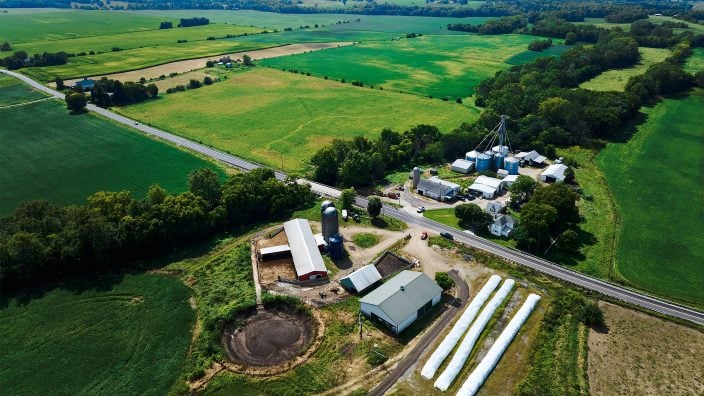
Ohio Farm Bureau Associate General Counsel Leah Curtis explains how the eminent domain process works in Ohio, what ‘quick take’ means and when it can be used.
Read More
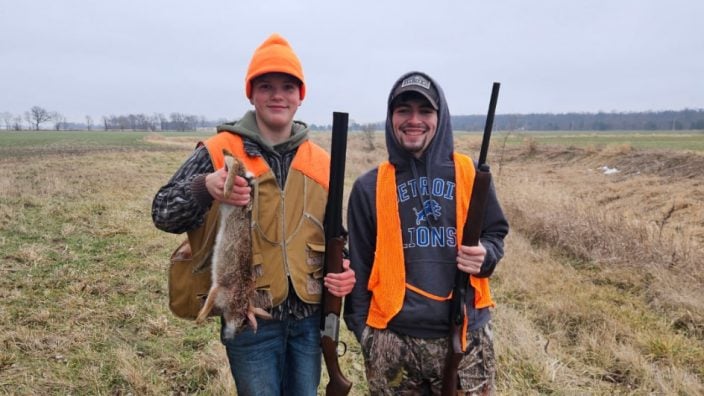
Vetting hunters who want to hunt on your land by inviting only Farm Bureau members can both help you know something about those hunting on your property and connect hunters to Farm Bureau membership.
Read More

Treasure hunters must obtain explicit permission from landowners before searching for meteorite fragments or historical artifacts on private property.
Read More
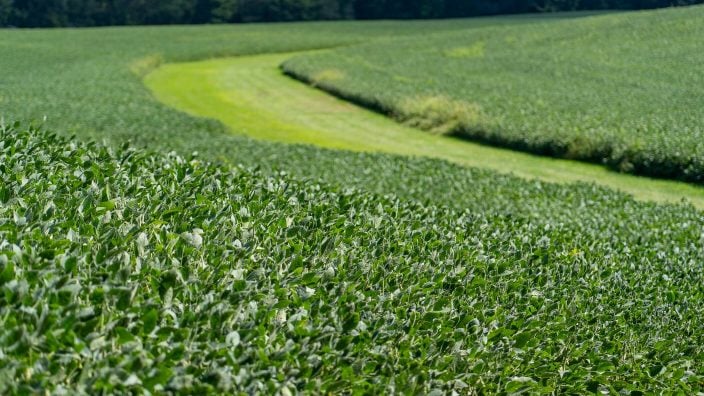
Across both bills, Ohio Farm Bureau reinforced that development can provide economic opportunity, but must be balanced with strong protections for landowners and Ohio agriculture.
Read More
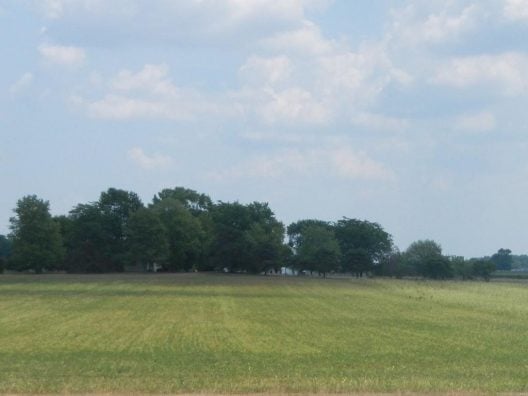
It is important that the questions detailed and the full scope of the project are made clear to landowners.
Read More
In 2025, about 21 counties are going through a reappraisal or update, and because Ohioans pay taxes one year behind, they will see new property tax bills in January 2026.
Read More

Over the past 15 years, OFBF has been involved in over 60 civil cases in state and federal courts, as well as over 100 administrative cases before the Federal Energy Regulatory Commission and the Ohio Power Siting Board.
Read More
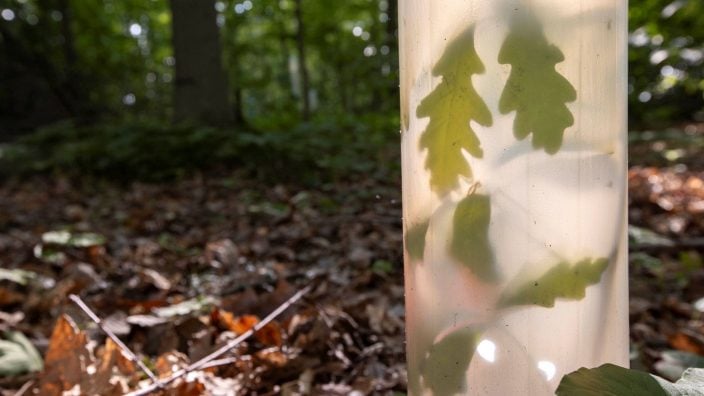
Overall, proper care, maintenance and communication are all essential parts of the process when it comes to trees.
Read More

Farm Bureau staff and members testified on behalf of an annexation bill that aims to preserve farmland in the state by having a more transparent annexation process.
Read More
Current Agricultural Use Value is often discussed as a farmland preservation tool, but there are some other tools in the law that landowners can consider.
Read More