

July/August 2026 Our Ohio magazine
Hunting & Conservation is the theme of the July/August issue.
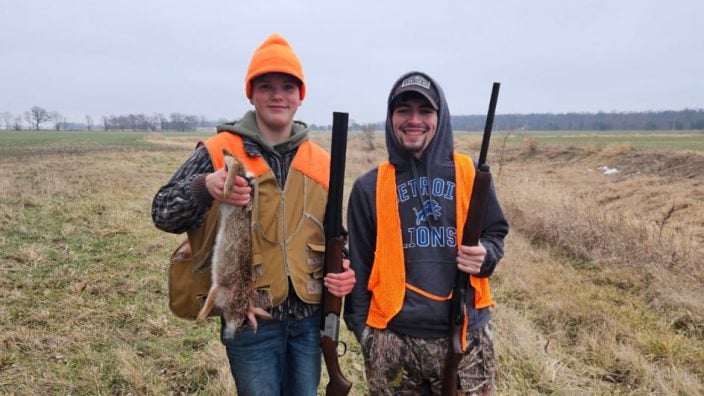
Read MoreVetting hunters who want to hunt on your land by inviting only Farm Bureau members can both help you know something about those hunting on your property and connect hunters to Farm Bureau membership.
While a few folks had hunted on his property over the years, more requests kept coming, year after year. So Ruggles, who hadn’t harvested a deer since he was a kid, came up with an idea.
In an attempt to find both an equitable solution, and help sell Farm Bureau memberships as a member of the Hancock County Farm Bureau Board of Trustees, Ruggles decided that only Farm Bureau members would be permitted to hunt on the family farm – for free. Getting started in this type of arrangement is the tricky part. The key is relationship building.
“Latch on to a couple of good, local hunters (to help spread the word),” he said. “You want to bring four or five hunters, responsible people, onto the farm to take care of the deer during the season.”
He keeps the number of harvesters to a minimum, both for safety and logistics. While there is no centralized scheduling, there is a protocol that is followed on a first-come, first-served basis.
It’s worked out well. Every year he is asked about the availability of the farm for hunting. Every year he lets folks know that he will add their name to the waiting list, as long as they are Farm Bureau members and understand the rules.
“I have five or six areas where they can hunt,” Ruggles said. “There is a pretty distinct place where a person has to park in a specific area. If someone is in that area, then it is taken. I don’t want people on top of each other.”
Keeping to “traditional” solo hunting from tree stands, groups and parties of hunters are not allowed. The agreement is a win-win for Ruggles, who insists that for every buck harvested to fulfill tags, two does are harvested as well.
“They cause a lot of damage, more than what people might think,” he said. “Everyone wants a trophy, but when it comes to hunting, you have to harvest both bucks and does. We have to thin the herd.”
Ruggles noted that hunters on the property have harvested a handful of deer outside of the regular season, using nuisance permits issued by the Division of Wildlife. For example, the Deer Damage Control Permit allows permittees and their approved shooters to kill an agreed upon number of deer during specific dates depending on the crop being damaged and under the conditions specified on the permit.
Ruggles also is happy to help those who are permitted to hunt on the farm in finding a place for the deer to be processed.
“Some people don’t want to hit their limit because they don’t have freezer space or a use for it, but I’ll find the outlet for it,” he said. “With meat prices and beef prices being what they are, a lot of people need venison meat for their table so they can save a little money.”
Key Points
What’s Next
Vetting hunters who want to hunt on your land by inviting only Farm Bureau members can both help you know something about those hunting on your property and connect hunters to Farm Bureau membership, where they can learn about and support agriculture.
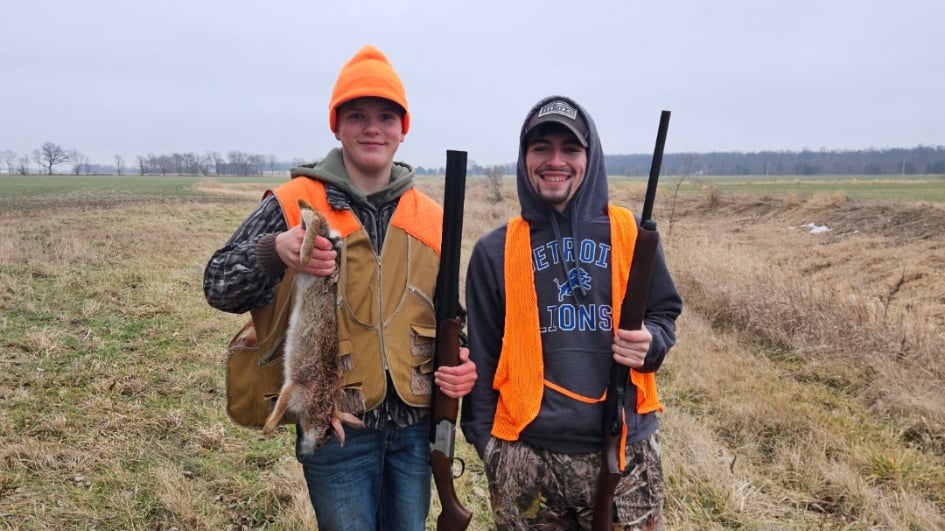
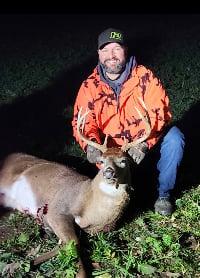
Feature photo caption: Hunting on Steve Ruggles’ property in Hancock County are Killian Epperson and Jaden Wadding.


Hunting & Conservation is the theme of the July/August issue.
Read More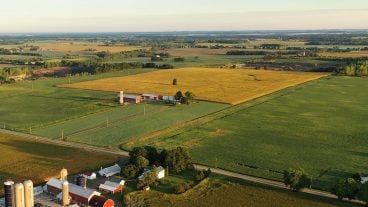
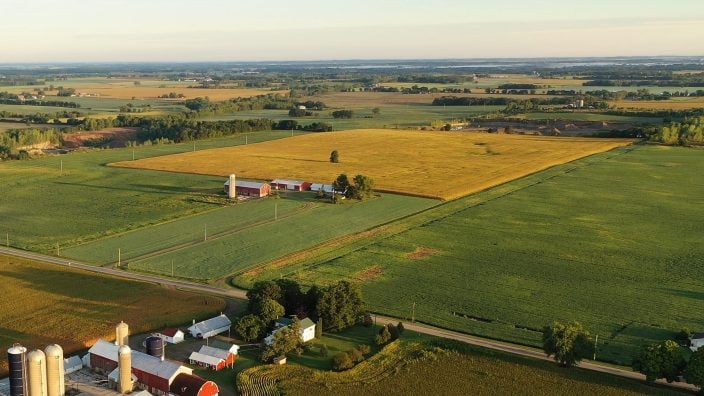
Conservation practices mean different things to different Farm Bureau members, but the invisible string tying all of them together is a commitment to being stewards of the land.
Read More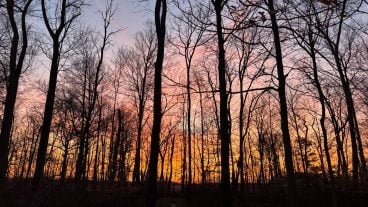
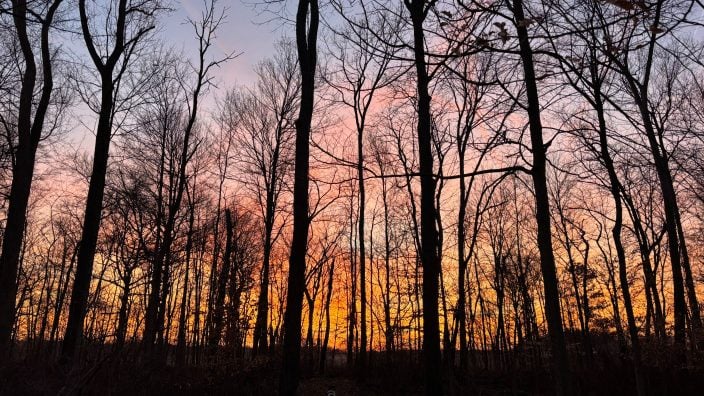
The woods have given me lessons, memories and perspective that reach far beyond hunting season. They have taught me patience, humility, gratitude and wonder. That, to me, is outdoor sportsmanship.
Read More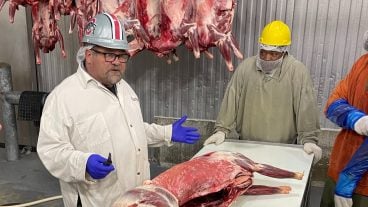
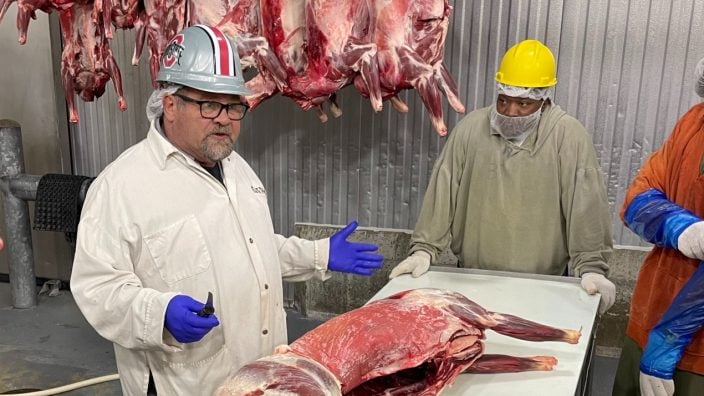
The Deer Donation program encourages hunters to responsibly harvest additional antlerless deer to help maintain healthy deer populations and reduce numbers in areas where deer may exceed the land’s capacity.
Read More
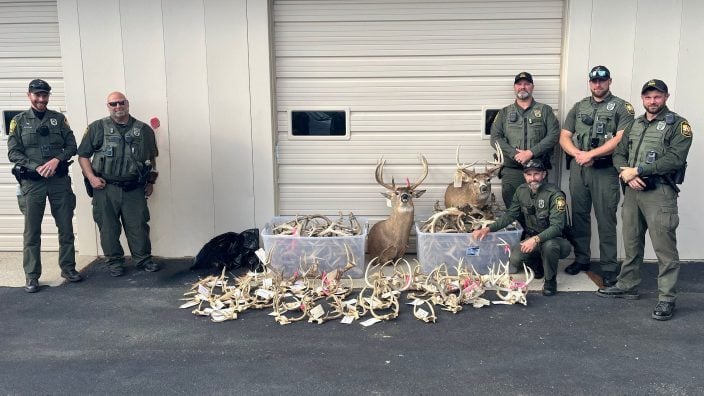
Programs like the youth contest and archery ranges teach the next generation that hunting and conservation are linked, while emphasizing safety and regulatory compliance.
Read More
Vetting hunters who want to hunt on your land by inviting only Farm Bureau members can both help you know something about those hunting on your property and connect hunters to Farm Bureau membership.
Read More
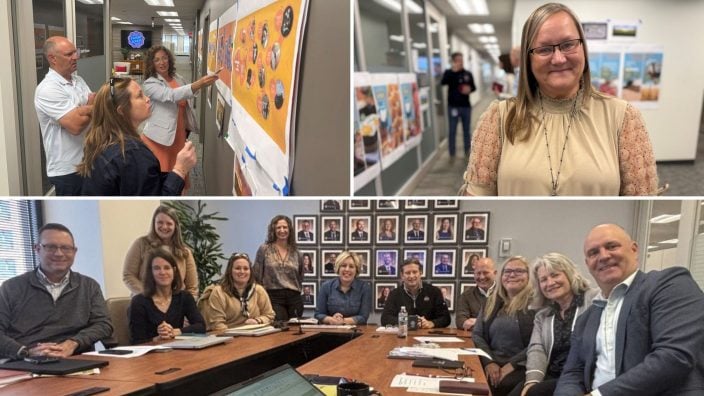
We hope you will stop the new imAGine Ag exhibit July 29 to Aug. 9 and let it become another tradition of the great Ohio State Fair.
Read More
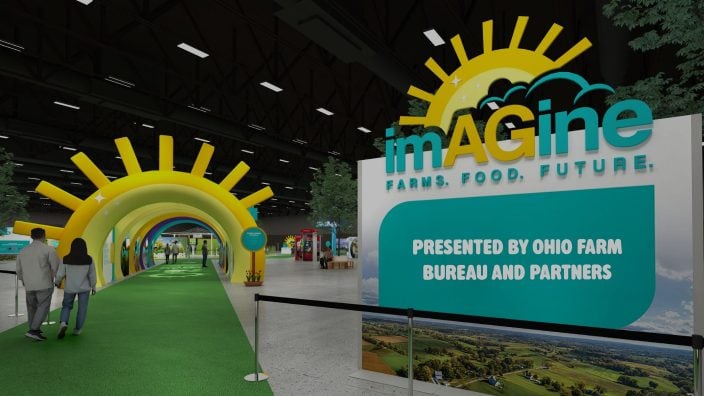
The exhibit will be featured in the new Ohio Agriculture Center presented by Heritage Partner, Nationwide, and will be open during the Ohio State Fair July 29 to Aug. 9, from 9 a.m to 9 p.m.
Read More
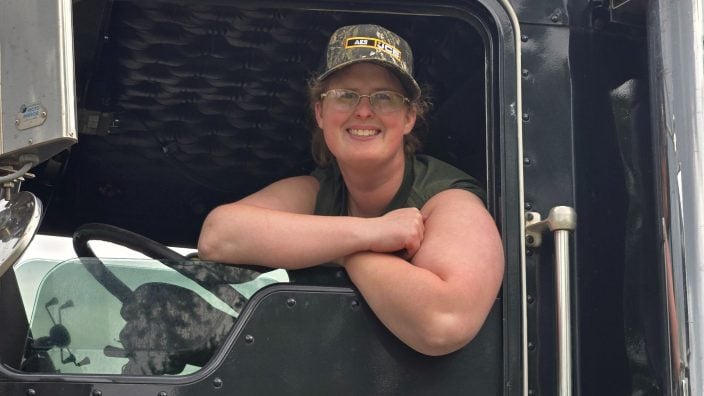
Armed with degrees in agriculture business and agronomy from Ohio State University, the Manure Gal honed her agricultural and business know-how through Ohio Farm Bureau’s AgriPOWER Institute.
Read More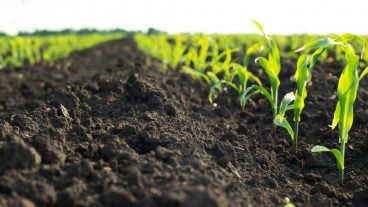
Talk to your Nationwide Farm Certified agent today to see if you’re ready to make the switch and explore what it means to your farm’s risk management strategy.
Read More