




July/August 2026 Our Ohio magazine
Hunting & Conservation is the theme of the July/August issue.
Read MoreThe following information is provided by Nationwide, your approved insurance and financial services company.
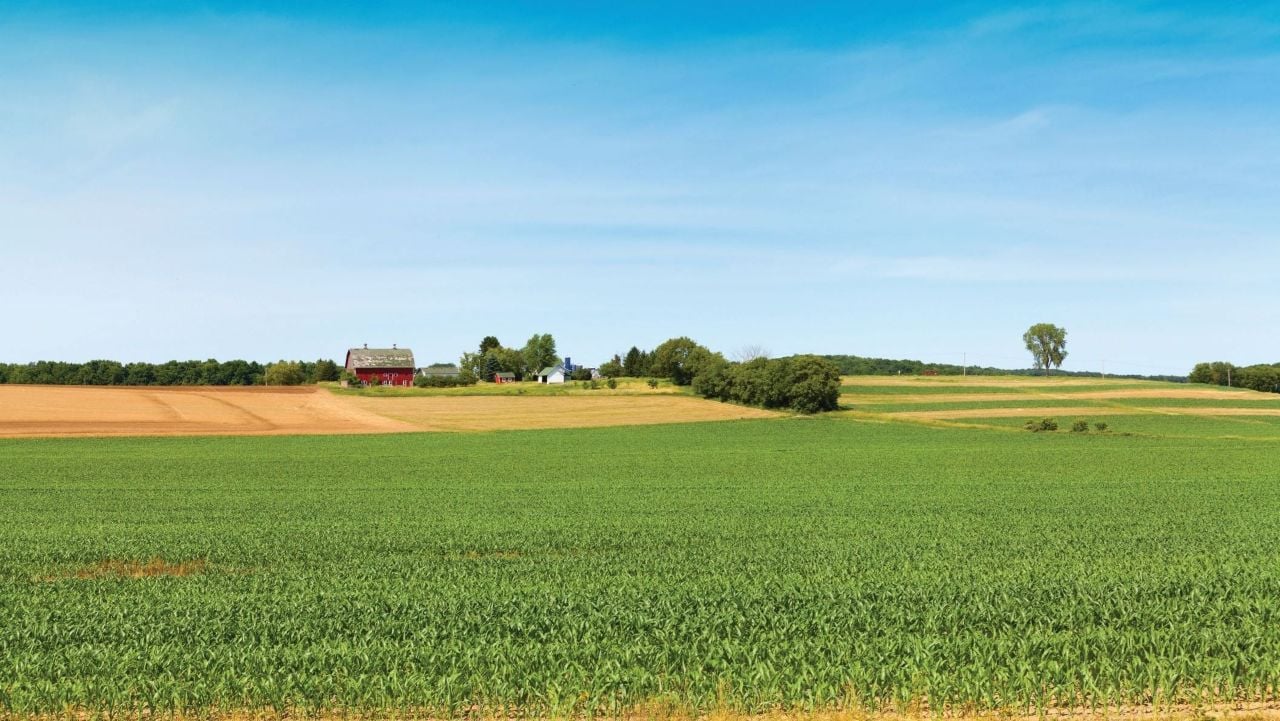
Crop farmers already know that soil health is the foundation of long-term success.
But regenerative agriculture offers an avenue to help improve soil health and productivity for generations to come.
Regenerative agriculture is about improving the health of your soil while making your farm environmentally sustainable and economically viable. Conventional crop production often includes the application of chemical fertilizer and pesticides. But regenerative farming focuses on building soil organic matter without those inputs. It includes practices like:
“Regenerative agriculture is about a lot more than just farming practices,” said Nationwide Commercial Complex Loss Consultant Keith King. “It’s about creating a self-sustaining ecosystem that benefits both farmers and their natural environments.”
Many regenerative farming practices are not new. But advancements in ag technology are helping refine them to target carbon sequestration. Measuring the intensity of carbon sequestration can help create a new potential revenue stream for farmers integrating regenerative practices in their fields.
Other benefits include:
Transitioning to regenerative farming isn’t without its challenges. Many farmers work with monoculture cropping systems that require pesticide applications. So switching to a polyculture system in which multiple crops are grown at once can be a cultural and operational challenge. And adopting regenerative practices may require upfront investment.
Here are some other common challenges farmers face during this transition:
Switching from conventional crop farming to regenerative production isn’t always easy. It requires pairing the right practices to your specific acreage. Reduced tillage, for example, may not be a viable option with your soil types, moisture and other conditions. Pest and weed pressures may be too great to manage without chemical herbicides and pesticides.
“Not all regenerative farming practices will work on every farm. Work with your trusted agronomic advisers to identify what will accomplish the environmental benefits you want. Be patient with yourself and take your time. It can take up to five years to reach 100% efficiency in regenerative practices,” King added. “Regenerative practices have to be practical, effective and above all, economically viable.”
Talk to your Nationwide Farm Certified agent today to see if you’re ready to make the switch and explore what it means to your farm’s risk management strategy.
Visit AgInsightCenter.com for more resources and expert tips to help you run a successful business and maintain the safety of your operation.
Nationwide, the Nationwide N and Eagle, and Nationwide is on your side are service marks of Nationwide Mutual Insurance Company. © 2026 Nationwide.




Hunting & Conservation is the theme of the July/August issue.
Read More
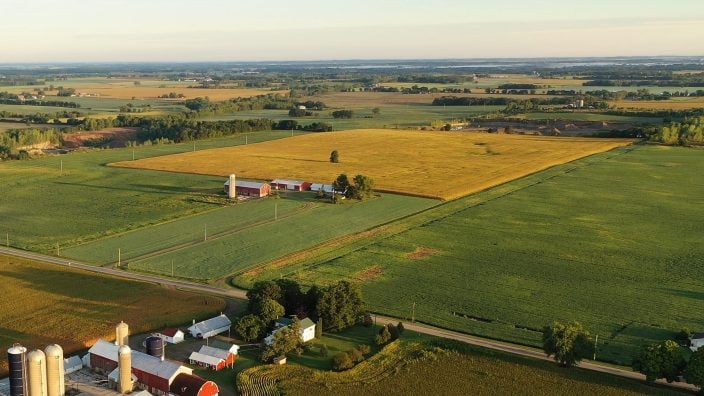
Conservation practices mean different things to different Farm Bureau members, but the invisible string tying all of them together is a commitment to being stewards of the land.
Read More

The woods have given me lessons, memories and perspective that reach far beyond hunting season. They have taught me patience, humility, gratitude and wonder. That, to me, is outdoor sportsmanship.
Read More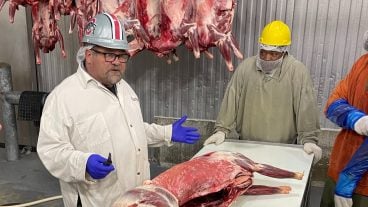
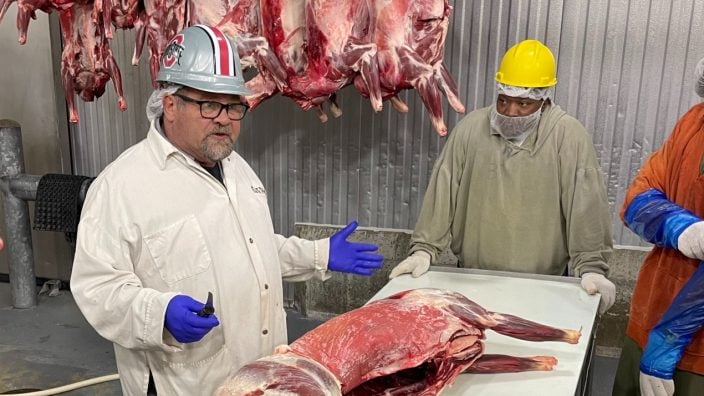
The Deer Donation program encourages hunters to responsibly harvest additional antlerless deer to help maintain healthy deer populations and reduce numbers in areas where deer may exceed the land’s capacity.
Read More
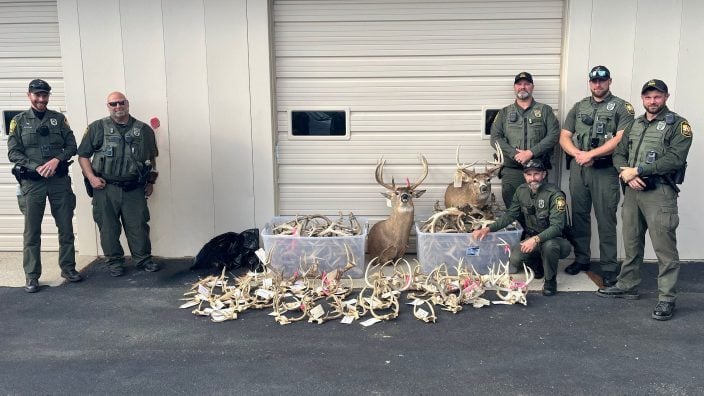
Programs like the youth contest and archery ranges teach the next generation that hunting and conservation are linked, while emphasizing safety and regulatory compliance.
Read More
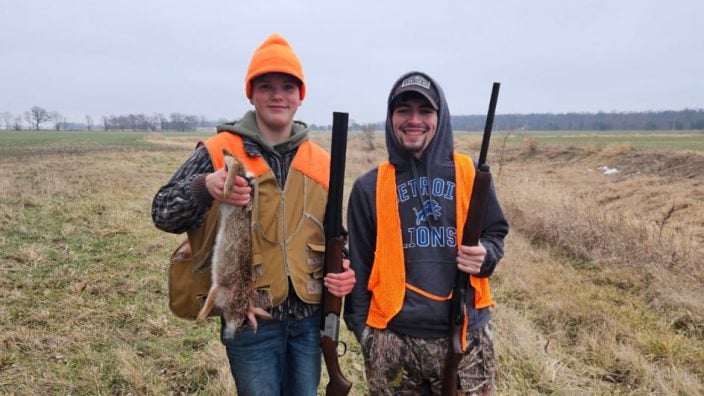
Vetting hunters who want to hunt on your land by inviting only Farm Bureau members can both help you know something about those hunting on your property and connect hunters to Farm Bureau membership.
Read More