

July/August 2026 Our Ohio magazine
Hunting & Conservation is the theme of the July/August issue.
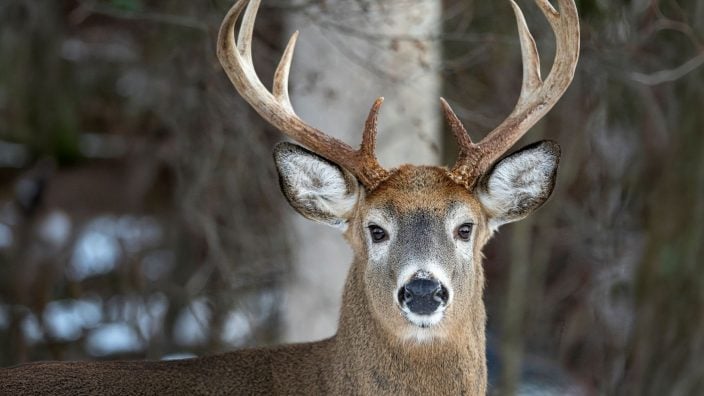
Read MoreThe Deer Donation program encourages hunters to responsibly harvest additional antlerless deer to help maintain healthy deer populations and reduce numbers in areas where deer may exceed the land’s capacity.
Deer season is popular as a sport, a resource for protein and an attempt to control a wildlife population that can be damaging to crops in Ohio fields.
Finding a place for all the venison harvested to go is another challenge, one that the Ohio Department of Natural Resources Division of Wildlife worked to ease through last year’s Deer Donation pilot program.
“Many hunters don’t meet their tag allotment because processing one deer is usually enough for their needs,” said Jonathan Sorg with ODNR Division of Wildlife. “Hunters are conservationists and often don’t have a use for more, and processing and donating the meat can be cost-prohibitive.”
The Deer Donation program encourages hunters to “responsibly harvest additional antlerless deer to help maintain healthy deer populations and reduce numbers in areas where deer may exceed the land’s capacity,” said Kassie Mitchell, District One manager at the ODNR Division of Wildlife.
She led the team that implemented last year’s Deer Donation pilot program. The program provides farmers with a tool to manage white-tailed deer, which, though valued, can sometimes cause significant damage on a farm.
“This wildlife management initiative can help reduce crop damage and yield losses,” Mitchell said.
With more than 700,000 deer across the state, Sorg said the biggest impact the donation program can have is to put a “substantial amount of protein into an area and reduce local densities.”
Sorg said, the first-year effort was a success.
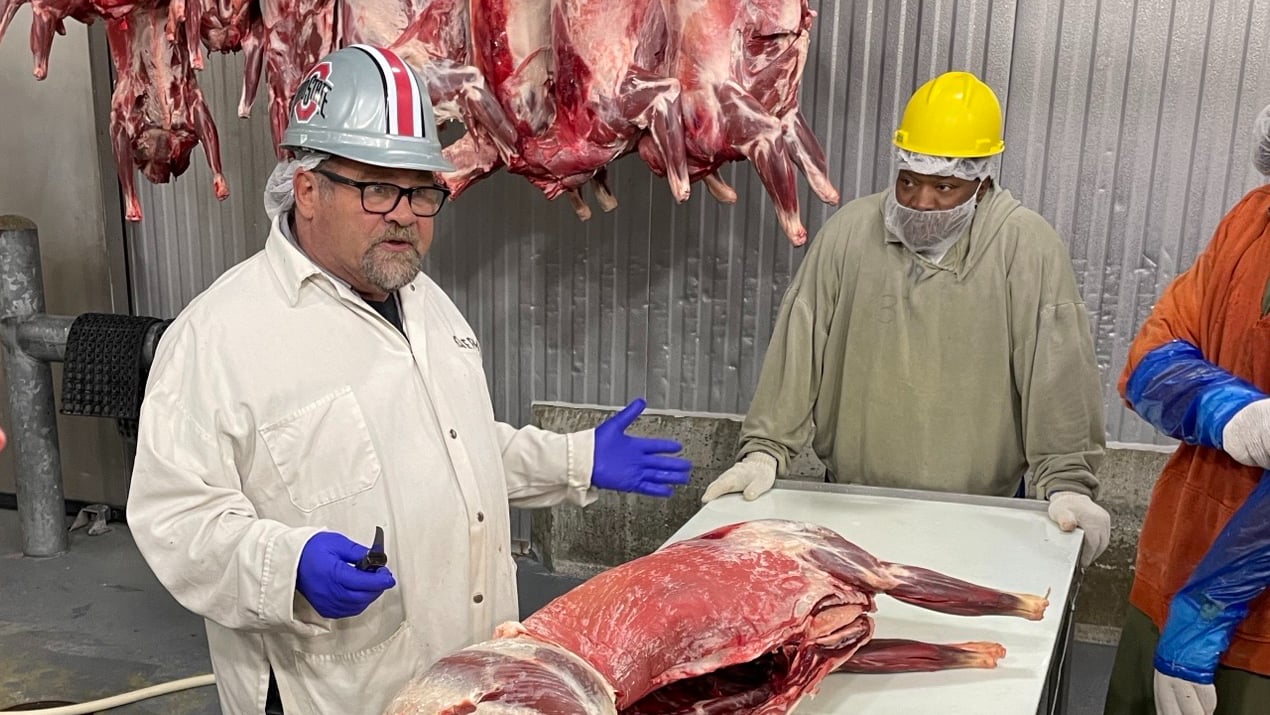
In 2025 there were a number of donation dates and sites across the pilot area in central Ohio. The state program covered the cost of the meat processing, which took place at Ohio Department of Rehabilitation & Corrections and Ohio Penal Industries’ meat processing plant at Pickaway Correctional Institution, which operates year-round.
“Many processors around the state run out of room during peak harvest times, like gun season, so they limit the number of deer they will take during these times,” Sorg said.
State programs working together
Addressing meat processing needs in the state is an ongoing policy initiative of Ohio Farm Bureau, resulting in the meat processing grant program first funded through the 2022-2023 state budget.
This donation program was in need of a processor that had capacity to take large numbers of deer any time during the season, and OPI solved that capacity issue, Sorg said.
“We’re pairing one state program with another state program for the benefit of others,” Sorg said. “We were not taking anything away from the state’s other venison processors, and the timing was good for OPI,” which slows down in the fall.
OPI processes deer harvested through ODNR’s donation program and deer damage control efforts.
“Deer damage control permits help farmers by protecting those whose livelihoods depend on growing food from the ground,” Sorg said. “Permits help reduce farmers’ losses.”
William Bierbaugh is correctional industries manager II at the Meat Processing Career Center, which has been in operation since 2005. He said there are 31 incarcerated adults working Monday through Friday processing beef and pork for outside customers and deer during deer season. Ohio Penal Industries offers several certifications they can obtain which include a HACCP certification through The Ohio State University, an OHSA-10 safety certification and a 6000-hour apprenticeship program.
“The incarcerated adults working for OPI want that success and enjoy learning what they can. A lot of them have never handled deer before but have enjoyed learning a new skill they can use once released,” he noted.
Bierbaugh said processing deer is not as common as it used to be and it’s getting harder to find processors during deer season.
“With the skills and knowledge these individuals are learning, they can open a processing site to further assist with the current ODNR program, potentially donating to more counties throughout Ohio. The guys I have spoken with really enjoy doing what they are doing, knowing it is helping others that need assistance,” Bierbaugh said. “It’s been a pleasure working with ODNR and others providing needed protein for others and we look forward to being a part of the program as it grows in the future.”
While last year’s program was focused in central Ohio, there are plans to expand into other counties in the state, though nothing has been finalized yet, Sorg said.
“We are planning to coordinate our efforts with Farmers and Hunters Feeding the Hungry, another deer donation program in Ohio, to cover as many counties as possible next season,” he said.
The program’s processed venison was distributed to local communities through the Ohio Association of Foodbanks. This initiative supports conservation, helps farmers mitigate crop damage and reduces food insecurity in Ohio.
Farmers and Hunters Feeding the Hungry
Deer harvested outside of the Deer Donation program can be donated through the Farmers and Hunters Feeding the Hungry program at no cost to them (except licenses and permits) at any time during the season. FHFH is an outreach ministry called upon to help feed venison and other big game to those in need. For more information and to find a cooperating processor, visit feedingthehungry.org.
KEY POINTS
Q. Do I have to purchase a deer permit if I donate my deer?
A. Yes, hunters are still required to purchase an either-sex or a deer management permit (unless landowner exemptions apply). The deer must be properly tagged and game checked before donating the deer. Please bring your confirmation number with you when dropping off your deer for donation. Deer game checked as landowner harvests can also be donated.
Q. Do I have to pay a processing fee?
A. No, the processing fee will be covered by the Ohio Division of Wildlife. The hunter is only required to purchase a hunting license and deer permit unless landowner exemptions apply.
Q. If I donate my deer, does it count toward my bag limit?
A. Yes, a donated deer still counts toward the hunter’s bag limit. The statewide deer limit is six, and only one may be antlered. Hunters may combine individual county harvests to reach the statewide limit. Harvests within a county cannot exceed the county bag limit.
Q. Can I donate a deer that has already been processed?
A. No. Due to food safety reasons, venison that has already been processed cannot be donated.
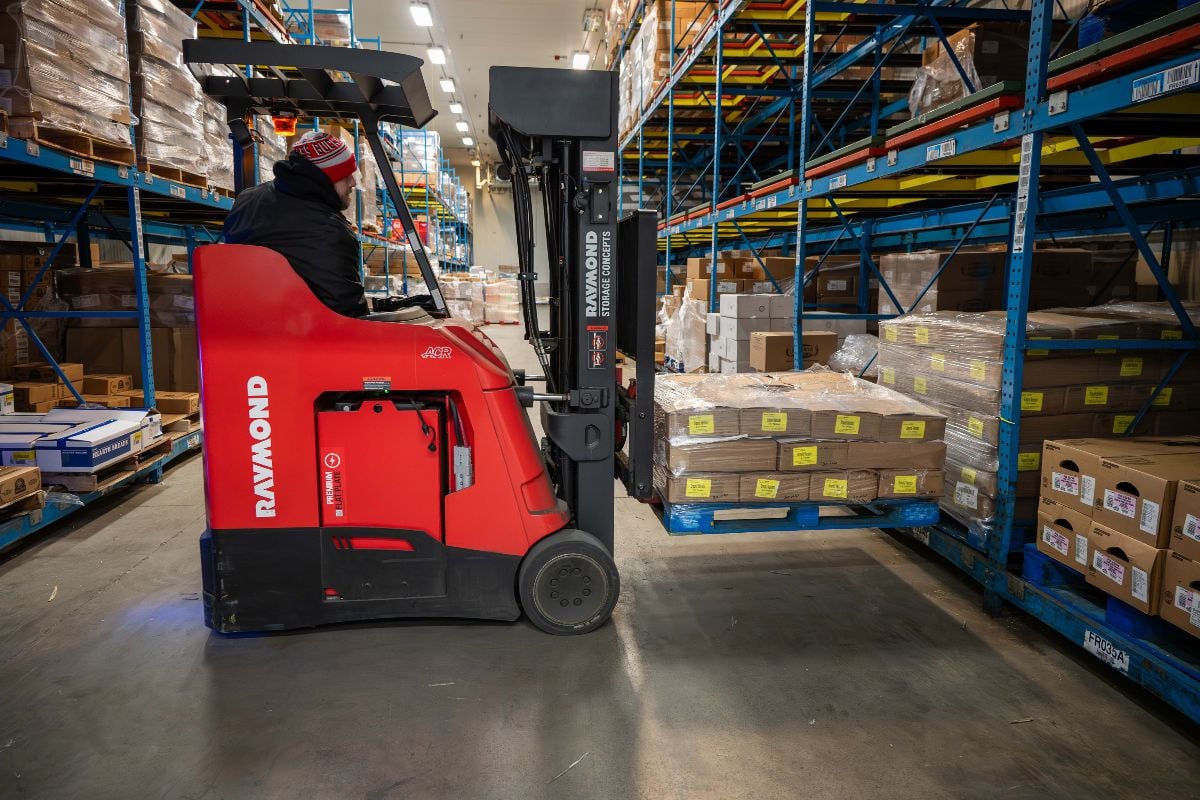
Feature photo caption: Incarcerated adults at the Ohio Department of Rehabilitation & Corrections and Ohio Penal Industries’ meat processing plant at Pickaway Correctional Institution process donated deer. They process meat year round at the facility under the direction of correctional workshop specialist Luke Sherman, who is a longtime butcher.



Hunting & Conservation is the theme of the July/August issue.
Read More
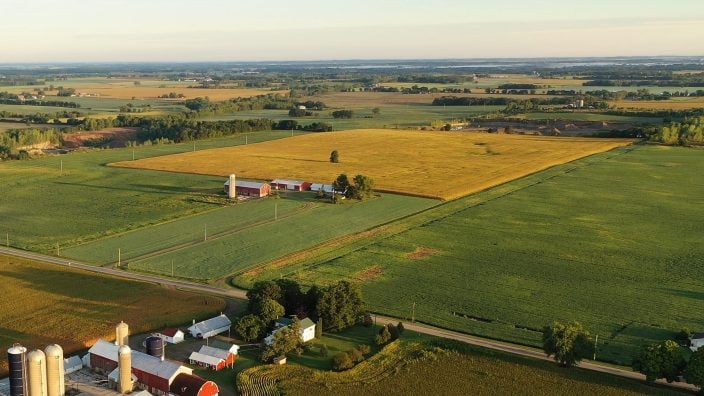
Conservation practices mean different things to different Farm Bureau members, but the invisible string tying all of them together is a commitment to being stewards of the land.
Read More
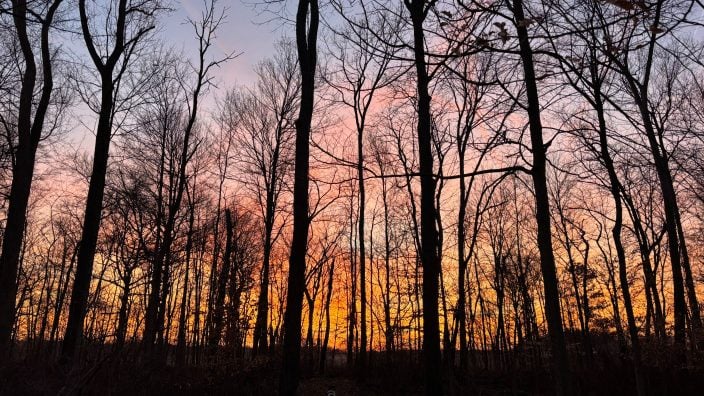
The woods have given me lessons, memories and perspective that reach far beyond hunting season. They have taught me patience, humility, gratitude and wonder. That, to me, is outdoor sportsmanship.
Read More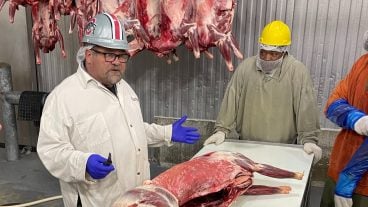
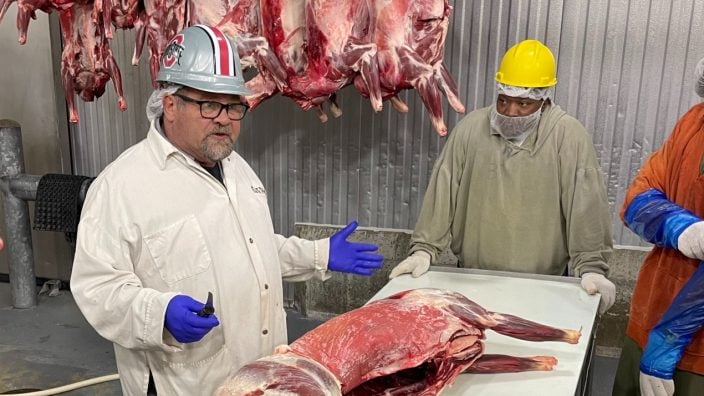
The Deer Donation program encourages hunters to responsibly harvest additional antlerless deer to help maintain healthy deer populations and reduce numbers in areas where deer may exceed the land’s capacity.
Read More
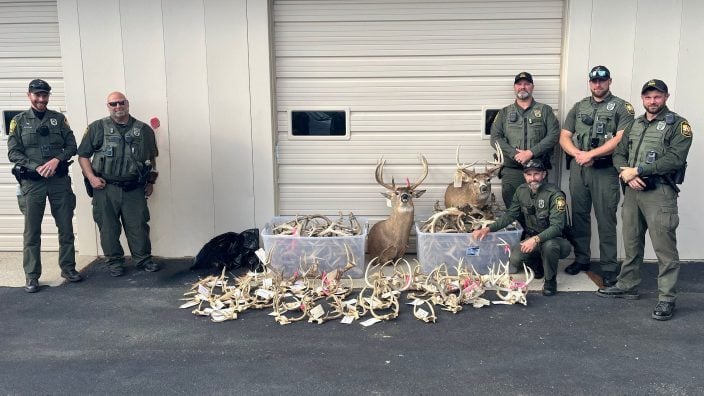
Programs like the youth contest and archery ranges teach the next generation that hunting and conservation are linked, while emphasizing safety and regulatory compliance.
Read More
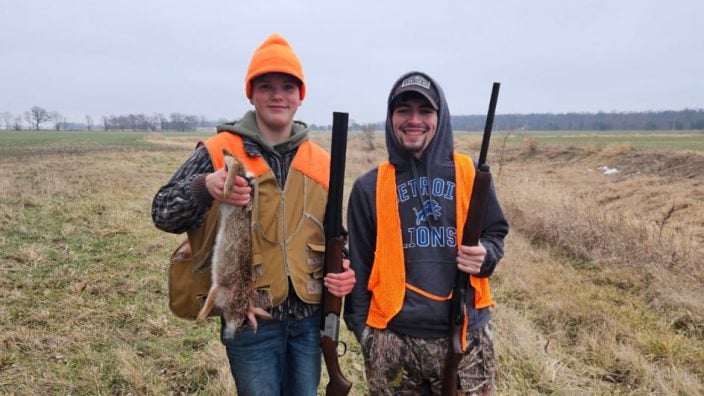
Vetting hunters who want to hunt on your land by inviting only Farm Bureau members can both help you know something about those hunting on your property and connect hunters to Farm Bureau membership.
Read More
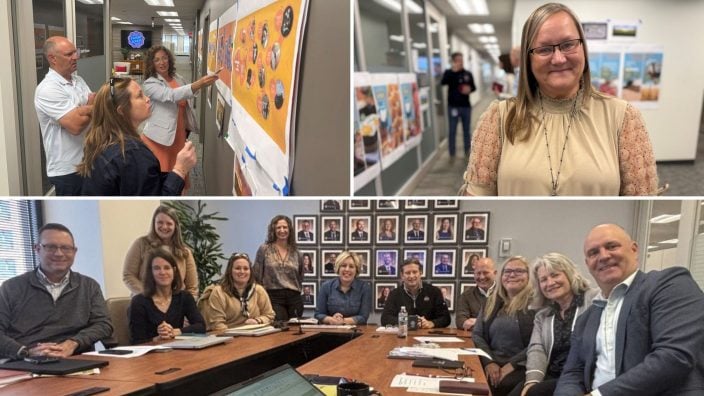
We hope you will stop the new imAGine Ag exhibit July 29 to Aug. 9 and let it become another tradition of the great Ohio State Fair.
Read More
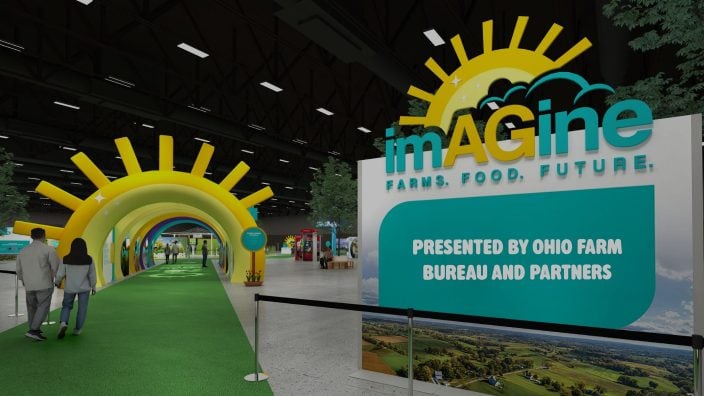
The exhibit will be featured in the new Ohio Agriculture Center presented by Heritage Partner, Nationwide, and will be open during the Ohio State Fair July 29 to Aug. 9, from 9 a.m to 9 p.m.
Read More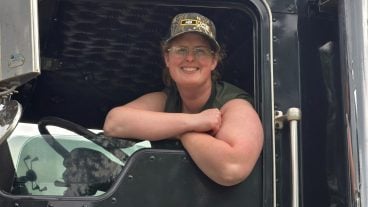
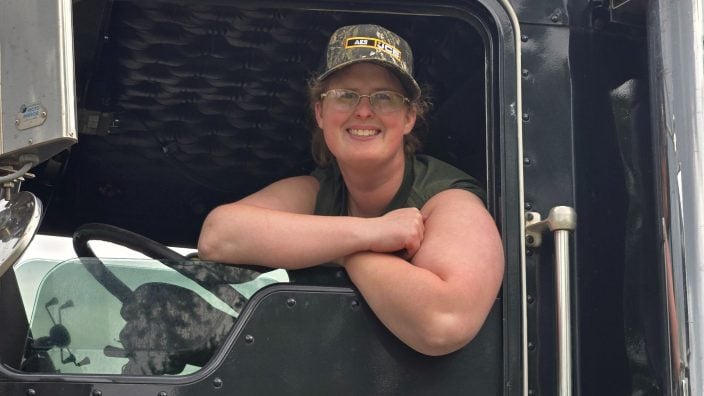
Armed with degrees in agriculture business and agronomy from Ohio State University, the Manure Gal honed her agricultural and business know-how through Ohio Farm Bureau’s AgriPOWER Institute.
Read More
Talk to your Nationwide Farm Certified agent today to see if you’re ready to make the switch and explore what it means to your farm’s risk management strategy.
Read More