

Legal with Leah: Changes to Fuel Taxes and Dyed Diesel Regulation
Associate General Counsel Leah Curtis breaks down the changes to Ohio’s fuel tax, recent guidance on dyed diesel and what farm families need to know.
Read MoreEminent domain can have a major impact on farmers, farmland and private property rights. On this Legal with Leah, Ohio Farm Bureau Associate General Counsel Leah Curtis explains how the eminent domain process works in Ohio, what “quick take” means and when it can be used. She also discusses Ohio Farm Bureau policy opposing the expansion of quick take and why maintaining a fair process for landowners remains important as development and infrastructure projects continue across the state.
Ryan Matthews: Eminent domain is always a topic that is concerning to our members, and today, we are going to talk about a lesser known type of eminent domain called “quick take.” Leah Curtis, associate general counsel joins us for this Legal with Leah.
Good to see you, Leah.
Leah Curtis: Thank you, good to be here.
Ryan Matthews: Now Leah, can we start off maybe by giving us a rundown of what is eminent domain and who can use it?
Leah Curtis: So I think most people know but eminent domain is a taking a private property for a public use that is allowed for under the Ohio Constitution when that land is taken and paid for after compensation determined by a jury. So most governmental entities can take property there are sometimes specifics on what they can take properly for there may be some limitations on that and then the state also delegates its authority to take property to certain public utility companies. That are building things like power lines or certain pipelines or phone lines, things that we all access and use.
Ryan Matthews: So what is the normal eminent domain process that most of these projects would go through?
Leah Curtis: Most landowners are gonna know that this is a possibility. They’re going to have, someone has approached them probably at some point, but once we get to a formal process, the landowner is going to get a 30- day notice of an eminent domain action. There will be an offer to purchase with that notice. If there’s no agreement between the landowner and whoever is taking that property, then it will proceed to a court action. It’ll be filed with a local court. And the landowner will have an opportunity to respond to that action. They can deny, you know, argue there’s no necessity, there’s not a public use, we actually have tried to agree on this. Then the court will hold a hearing. We typically call that a necessity hearing. A judge is going to determine if, all these requirements for eminent domain have been met, and then the landowner will have a right to appeal on that judgment. After any appeals, then the court again is going to have a second stage where they determine compensation. So then there will be a compensation hearing. Typically, that’s going to involve a jury. They’re going to decide how much needs to be paid to the landowner for the property. Again, there could be appeals, but generally at that point after that compensation hearing is finished, there’s going to be payment and transfer of possession of the property.
Ryan Matthews: Now, not all takings are the same. Can you explain to us what is quick take and when can it be used?
Leah Curtis: So quick take is a shorthand term that we use for certain eminent domain that allows for the taking agency to take immediate possession upon payment. So instead of doing that kind of process we just talked about, that 30-day notice, the hearing, the compensation stage, etc., there will still be a notice and then the taking will file an action, they’ll deposit money and then they will take possession fairly quickly of that property. Quick take, however, is allowed for, in the Constitution, in only limited circumstances. So the Constitution says in times of war, of public exigency, which is kind of public emergency, and then the building or maintenance of roads that are open and free to the public. So in those situations, there can be this faster process where we kind of, the agency determines how much they think that should be paid. There can be court action later to determine is that the right price, but ultimately, possession gets transferred pretty immediately.
Ryan Matthews: Bringing this to the membership side, why does Ohio Farm Bureau have concern about eminent domain and quick take?
Leah Curtis: So I think we always talk about eminent domain a lot here. We, of course, talk to members that are experiencing eminent domain a lot. And with the pace of development that we’re seeing in some areas, we’re concerned not just about that development, but that development’s gonna convert farmland. There’s gonna be a lot of things that come along with it as well. To serve that new development, a lot of infrastructure. And that infrastructure typically has the right to use eminent domain, that’s roadways, it’s power lines, water lines, etc. So all that additional infrastructure is also converting farmland, it’s also further encroaching on private property rights with the use of eminent demand potentially.
Ryan Matthews: And specifically, why is quick take such a concern?
Leah Curtis: I think for years we’ve heard rumblings that, these entities that use this power think that it takes too long, particularly in building infrastructure and energy infrastructure. There have been statements that, we should streamline the process, we should make it more efficient, and maybe that we should have a ‘quick take’ type of process for certain energy infrastructure. At Farm Bureau, we have long had policy that opposes any expansion of the quick take process. Our members just fundamentally believe that landowners should have that day in court and that those that are gonna take private property should have to show, through a judge, through a court, that the land they’re taking is necessary, it’s for public use and that should have to happen before that farmland trades hands or before that farmland is destroyed.
Ryan Matthews: Last question here for you, Leah. Can you just talk a little bit about the reality of eminent domain and the impacts it has?
Leah Curtis: I think it’s important to say in all of this that the reality is eminent domain is not going to go away. It’s going to continue to happen. It is a necessary thing to make sure that we have the infrastructure we need. But what is important is that those that take property are held to a standard and a fair process of only taking what is necessary and for a public use. So eminent domain is almost always going to be an extreme disruption to anyone that has to experience it. From a farmer’s perspective, you may need more time to move livestock, or to get crops off the property. You may even need to find additional land so that your business can keep operating at the same level and under the same constraints that you have been. So having a reasonable process that ensures that landowners are respected, that they’re treated with good faith, also ensures that farmers can be best positioned to come out of this process with the least amount of harm to their business.
Ryan Matthews: That’s always the most important thing, right? Making sure that the farmer has good representation and that even if this is not going away, or whether it may be complications, ensuring that the farmers are getting the respect and ensuring that their business stays afloat afterward.
Leah Curtis: Yes, definitely.
Ryan Matthews: Leah Curtis, associate general counsel for Ohio Farm Bureau. Leah, thanks again for being here and talking about eminent domain and quick take with us.
Leah Curtis: Thanks, Ryan.


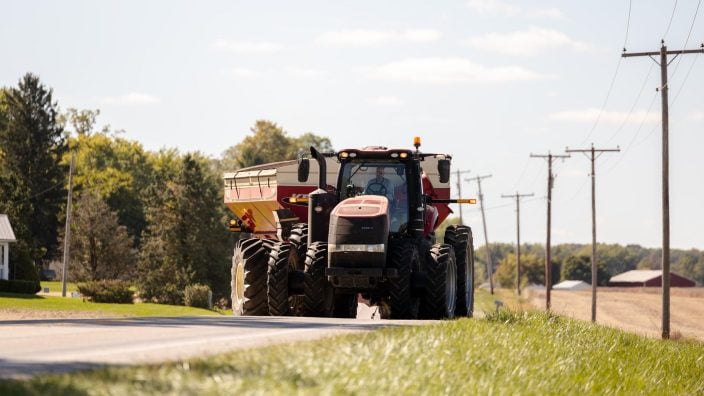
Associate General Counsel Leah Curtis breaks down the changes to Ohio’s fuel tax, recent guidance on dyed diesel and what farm families need to know.
Read More
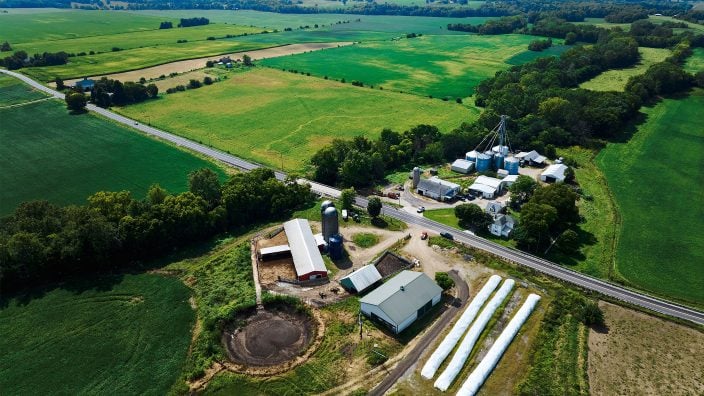
Ohio Farm Bureau Associate General Counsel Leah Curtis explains how the eminent domain process works in Ohio, what ‘quick take’ means and when it can be used.
Read More

The 2026 Current Agricultural Use Value update brings lower values in many reappraisal counties and a significant policy win on permanent pasture.
Read More
A recent meteorite in northeast Ohio has sparked fascination and a few legal questions. Leah Curtis joins to discuss what this rare event means for landowners.
Read More

Leah Curtis discusses Rails to Trails projects, potential impact on farmland when these conversions happen and Farm Bureau’s role in a North Carolina case.
Read More
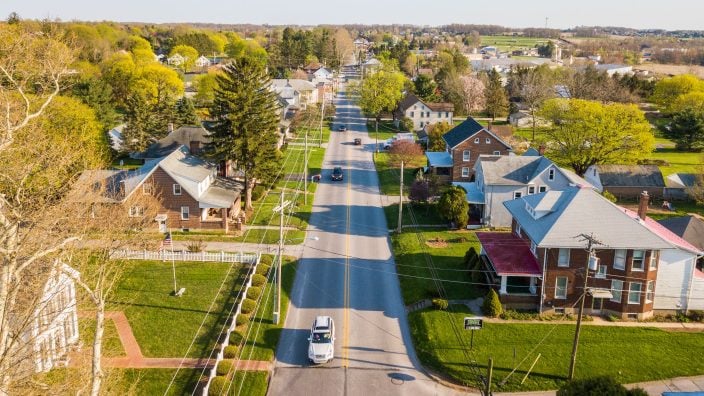
Leah Curtis joins this Legal with Leah to talk about what data centers mean for local communities and how to stay engaged in the development process
Read More
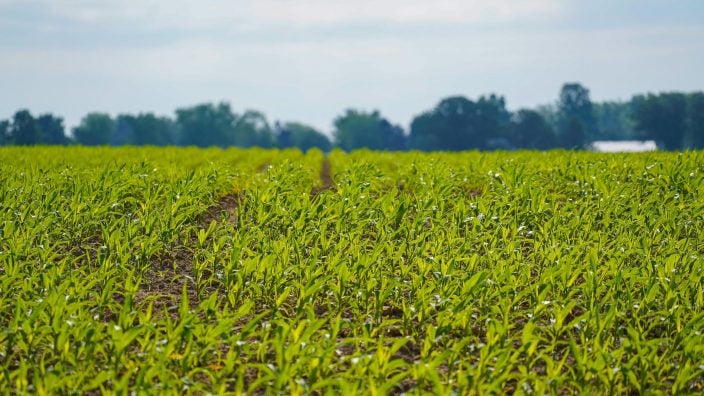
Ohio Farm Bureau advocated for a change in the law to allow family members and employees to handle pesticides while under the supervision of a licensed applicator. The rules around HB 10 are being finalized.
Read More
Four property tax reform bills were signed into Ohio law at the end of 2025. Ohio Farm Bureau Associate General Counsel Leah Curtis breaks down the bills and what the changes mean for Ohioans.
Read More

Learn what the requirements are to legally fly a drone in Ohio as well as steps the Ohio Legislature has taken in terms of security concerns.
Read More
In 2025, about 21 counties are going through a reappraisal or update, and because Ohioans pay taxes one year behind, they will see new property tax bills in January 2026.
Read More