






Legal with Leah: Eminent Domain and Quick Take
Ohio Farm Bureau Associate General Counsel Leah Curtis explains how the eminent domain process works in Ohio, what ‘quick take’ means and when it can be used.
Read MoreA recent meteorite in northeast Ohio has sparked fascination and a few legal questions. If a meteorite lands on private property, who owns it? Can people search for fragments on someone else’s land? And what should landowners know about trespassing? On this Legal with Leah, Leah Curtis, associate general counsel for Ohio Farm Bureau, discusses these questions and what this rare event can teach us about property rights.
Ryan Matthews: A recent meteorite that broke up over northeast Ohio has brought up some questions about trespassing and finding treasures. Here to talk on this Legal with Leah is Leah Curtis, associate general counsel for Ohio Farm Bureau. Good to see you, Leah.
Leah Curtis: Good to see you, Ryan.
Ryan Matthews: Now, Leah, a meteorite is so rare, is there really any laws about finding the rocks?
Leah Curtis: So, in general, meteorite rocks are not something the law specifically addresses, as a big shocker to everyone, nor do we really appear to have any case law in Ohio around finding meteorites or similar objects. So in general the historical common law is that natural objects on a property are owned by the person who owns the property. And so that’s our best guess about how the law might apply if a situation arose over the meteorite or finding meteorites. But, you know, maybe we’ll get some case law out of this. Nothing more exciting to lawyers than new case law.
Ryan Matthews: Right, right. Now, have there ever been any actual lawsuits or cases around meteorites?
Leah Curtis: So there is one recorded case that we were able to find from Iowa, in 1862, where a neighbor and a tenant farmer dug up and sold an aerolite, which apparently is a type of meteorite, the day after it fell, and the neighbor then sold it to someone else. And so the landowner who had owned the land sued for a return from the person who bought the meteorite. So the court did eventually find for the landowner; they applied the rule that things in the soil are the property of the soil owner. And so the landowner got to have that meteorite come back to them, and they did specifically say this was not a “finders keepers” rule situation, which we do sometimes see in common law apply to things like buried treasure. And yes, there are some buried treasure cases out there from way back.
Ryan Matthews: Now we do get lots of concerning calls about trespassing, and one could see how the situation could also bring that up. Can you talk a little bit about the law on trespassing here in Ohio?
Leah Curtis: Trespassing is something that we get a lot of calls on, but it is probably one of the simplest things to understand in the law at its base. So if you’re on land that you do not have permission or the right to be on, then you are probably trespassing and you probably should not be. Trespassing can be a criminal violation or a civil violation in Ohio. And particularly if you have any sort of property damage that occurs or property losses, either of those might be applicable. In addition, Ohio law does say that landowners do not owe a duty of care to trespassers in general, meaning that aside from taking intentional acts to harm them, or maybe even like wantonly reckless as we call it in the law, like you’re doing something that’s so obviously going to cause harm to a person that, you know, it’s almost intentional, or situations with children trespassers, then generally there are not big concerns for liability when it comes to adult trespassers.
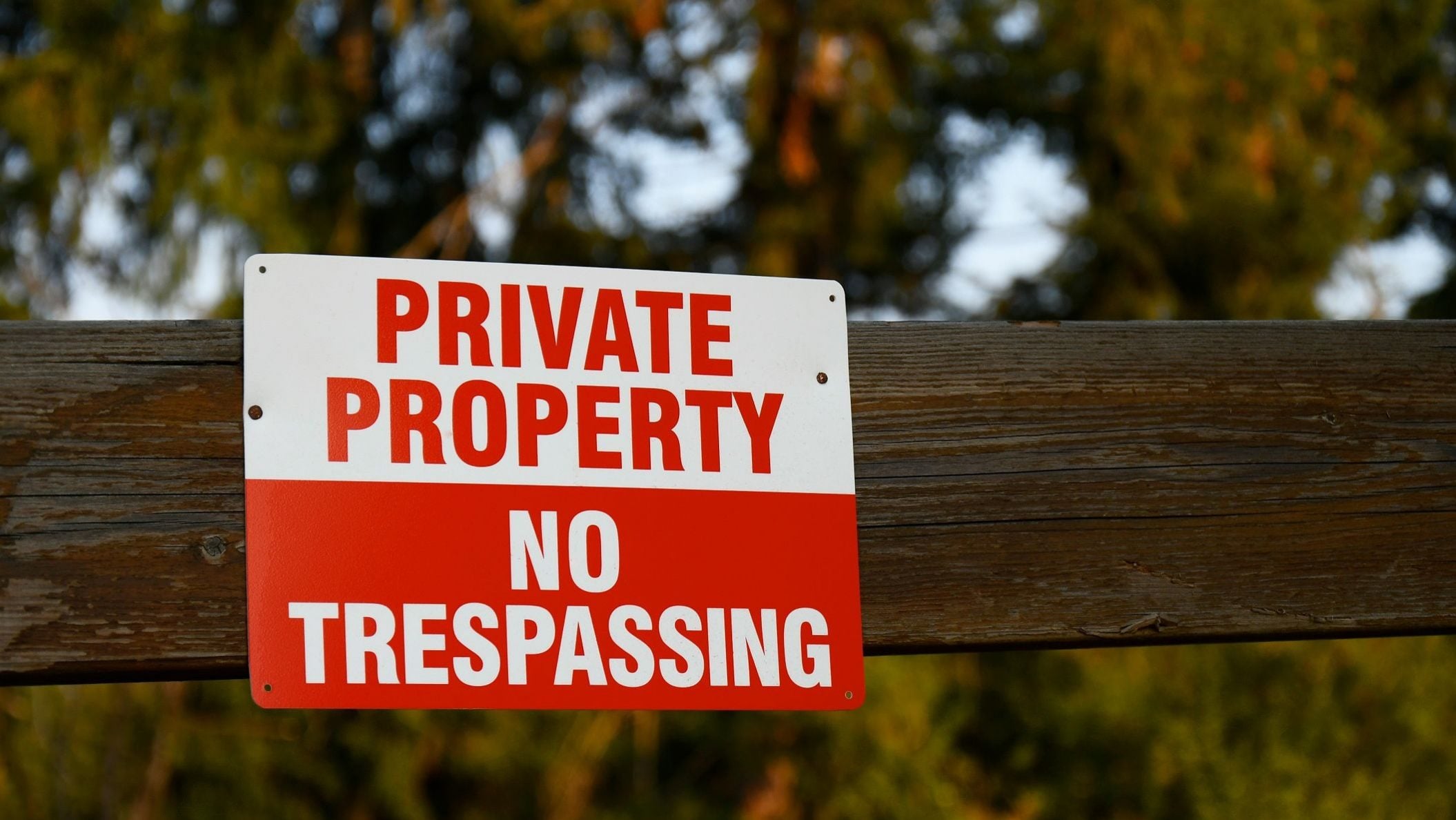
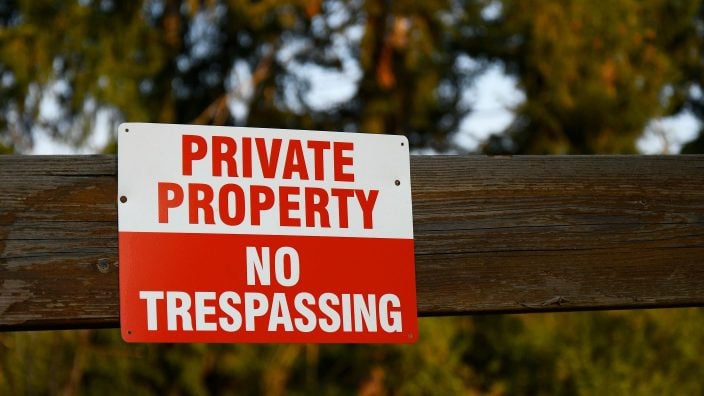
Ryan Matthews: I’m sure we’re all familiar with those No Trespassing signs that we see in yards or on properties. Do landowners need to have those No Trespassing signs up in order to warn trespassers?
Leah Curtis: They do not. So, No Trespassing signs are not required by the law to prevent people from trespassing on your property or to prosecute them or have a civil suit against them. But trespassing as a crime and in the civil context too would require some knowledge or reason to believe that the person is on land that is not their own or that they do not have permission to be on. So having a No Trespass sign really helps be one more piece of evidence that a person knew or should have known that they were not welcome and that they are trespassing. So signs are not required, but they are good to have around the property. You certainly don’t need to bullet your whole property with them, but particularly if you have areas where you know might be prone to trespassing, if they border certain other properties that maybe people are, there’s a lot of people on, or you have a certain area that people might come onto from the roadway, those may be good ideas of places to put No Trespassing signs.
Ryan Matthews: We have already heard concerns about trespassing related to the meteorite, so what should people know or consider for this really unique situation?
Leah Curtis: So if someone comes to your property and they’re interested in looking for meteorite fragments, you as a landowner of course have the choice to allow them to do that or not, to set guidelines and parameters about that. If you are someone who’s interested in looking for those fragments, then you need to make sure you ask permission from a landowner before you start that search. Don’t just pull off the road and go into somebody’s property. And be up front about what you’re doing and why you want to come on the property. Because again, remember, if you dig something up and take it away, that doesn’t necessarily mean it’s yours. It is the landowners. And then if landowners do have issues with trespassing, we would encourage them to please reach out to their local law enforcement to assist them. If you have repeated trespassing and you know who is doing that trespassing, it is something you could maybe talk with a private attorney about whether there is any possible private action you could take as well.
Ryan Matthews: Leah Curtis, associate general counsel for Ohio Farm Bureau for this Legal with Leah. Thanks again for being here.
Leah Curtis: Thank you.




Ohio Farm Bureau Associate General Counsel Leah Curtis explains how the eminent domain process works in Ohio, what ‘quick take’ means and when it can be used.
Read More

The 2026 Current Agricultural Use Value update brings lower values in many reappraisal counties and a significant policy win on permanent pasture.
Read More
A recent meteorite in northeast Ohio has sparked fascination and a few legal questions. Leah Curtis joins to discuss what this rare event means for landowners.
Read More

Leah Curtis discusses Rails to Trails projects, potential impact on farmland when these conversions happen and Farm Bureau’s role in a North Carolina case.
Read More

Leah Curtis joins this Legal with Leah to talk about what data centers mean for local communities and how to stay engaged in the development process
Read More

Ohio Farm Bureau advocated for a change in the law to allow family members and employees to handle pesticides while under the supervision of a licensed applicator. The rules around HB 10 are being finalized.
Read More
Four property tax reform bills were signed into Ohio law at the end of 2025. Ohio Farm Bureau Associate General Counsel Leah Curtis breaks down the bills and what the changes mean for Ohioans.
Read More

Learn what the requirements are to legally fly a drone in Ohio as well as steps the Ohio Legislature has taken in terms of security concerns.
Read More

In 2025, about 21 counties are going through a reappraisal or update, and because Ohioans pay taxes one year behind, they will see new property tax bills in January 2026.
Read More

Any unlicensed handlers who use restricted use pesticides will need to have additional training. Farm Bureau will be working on legislation to give employers a choice on how to provide training.
Read More