

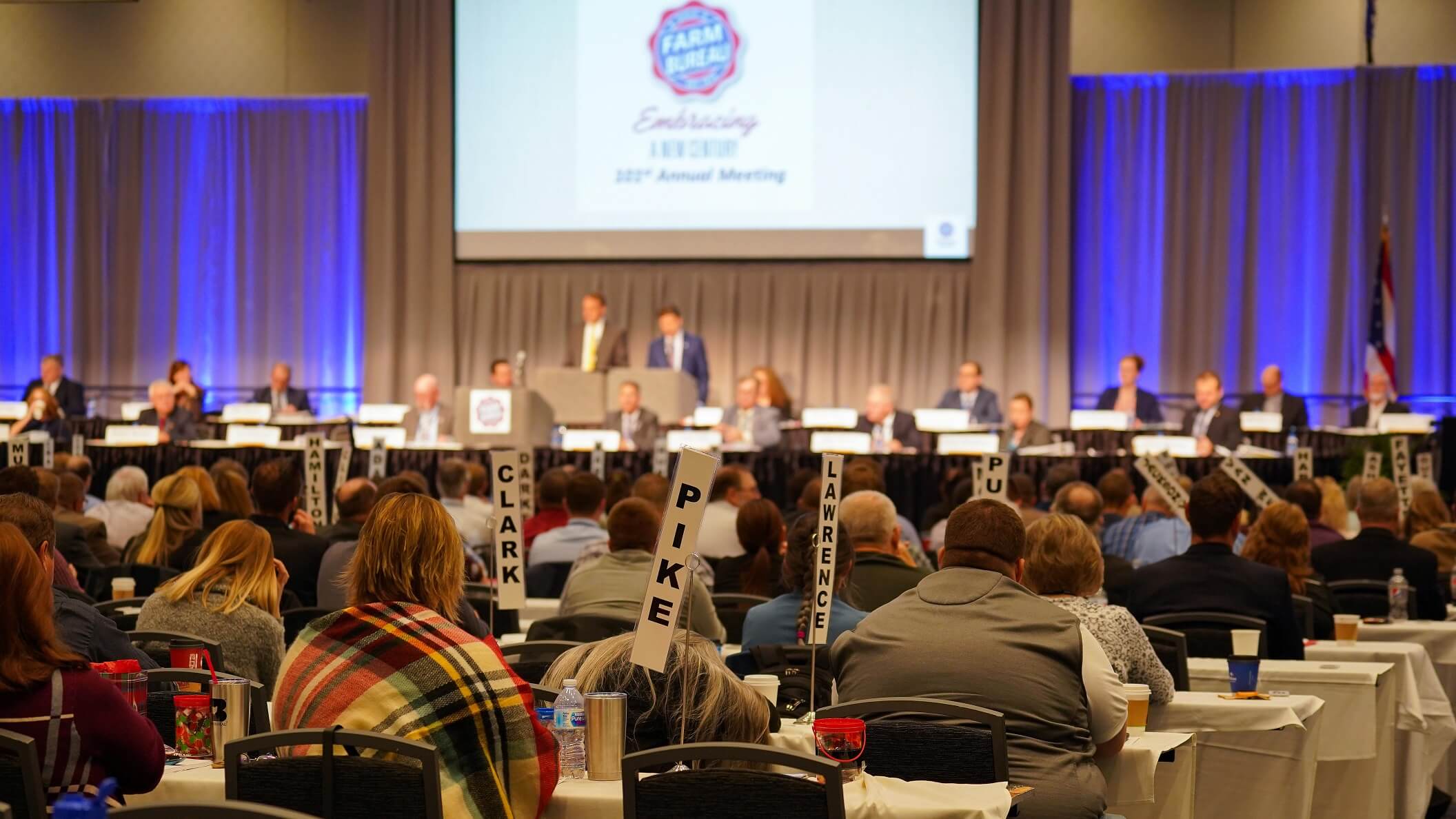

Ohio Farm Bureau testifies in support of House Bill 646
House Bill 646 would establish a Data Center Study Commission to examine the impact of rapid data center development across the state.
Read MoreLeaving stepped-up basis untouched in the current package is a positive development, but there are still concerns about other tax provisions in the plan. Farm Bureau members should continue to call on members of Congress to oppose adding any detrimental tax increases for family farms in this or any other legislation.
The American Farm Bureau Federation sent a letter to the U.S. House of Representatives Tuesday stating its opposition to the Build Back Better Act, also known as the reconciliation package.
The letter points to inflation driving up costs across the economy and that greatly increased federal spending is a contributing factor. It identifies federal policy choices that raised energy prices, leading to higher costs for everything from food to used cars and mentioned how this legislation will further exacerbate that pain through a methane tax on oil and gas.
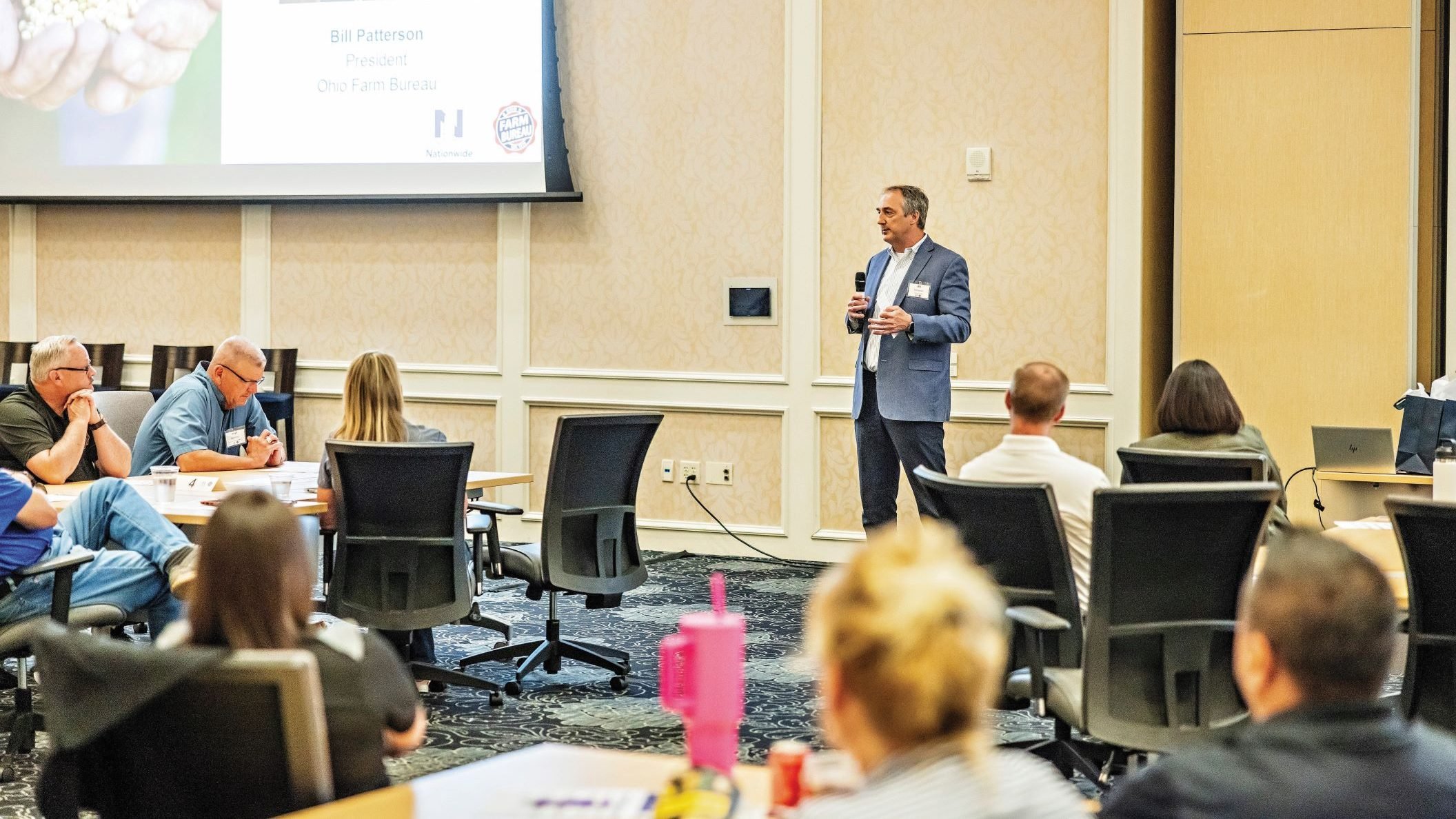
“Our members, like all Americans, are seeing their cost of living continue to rise at a staggering rate. Increasing prices and decreasing availability for many of the things we rely on for our families and our farms are at alarming levels and, as an organization, we struggle to see how the colossal Build Back Better spending bill addresses these issues,” said Ohio Farm Bureau President Bill Patterson. “We are deeply concerned with the extreme ideas in this plan that would make changes in the tax code and impact production practices on farms directly, both of which conflict with Ohio Farm Bureau’s policies set by members at the grassroots level.”
American Farm Bureau President Zippy Duvall also commented on the Build Back Better Act.
“We appreciate House efforts to protect farmers and ranchers by leaving key tax provisions untouched,” Duvall said. “Thousands of small businesses, however, would still be affected by tax increases, forcing them to pass increased costs to families across the nation.”
The legislation also seeks to raise revenue by increasing fines and penalties as much as ten times their current amount for violations of the Occupational Safety and Health Act, Fair Labor
Standards Act and Migrant and Seasonal Agricultural Worker Protection Act. The letter states that the missteps of farmers and ranchers when navigating complex, oftentimes onerous regulations and laws should not serve as a funding mechanism.
“We urge lawmakers to take a different approach to solving these challenges by focusing directly on the causes of the inflation, supply chain and labor woes we are experiencing today,” Patterson said. “We are asking them to find practical solutions, rather than an unorganized plan spending a massive amount of taxpayer dollars only to create additional uncertainty. It’s time to get back to basics.”
Leaving stepped-up basis untouched in the current package is a positive development, but there are still concerns about other tax provisions in the plan. Farm Bureau members should continue to call on members of Congress to oppose adding any detrimental tax increases for family farms in this or any other legislation. Use this link to contact your member of Congress.


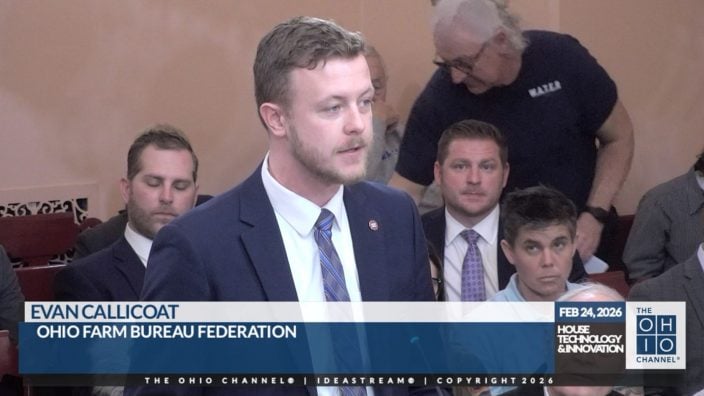
House Bill 646 would establish a Data Center Study Commission to examine the impact of rapid data center development across the state.
Read More
The plan provides a blueprint for policymakers and Ohio Farm Bureau members to bolster Ohio’s agriculture industry and our rural communities.
Read More

Leah Curtis joins this Legal with Leah to talk about what data centers mean for local communities and how to stay engaged in the development process
Read More
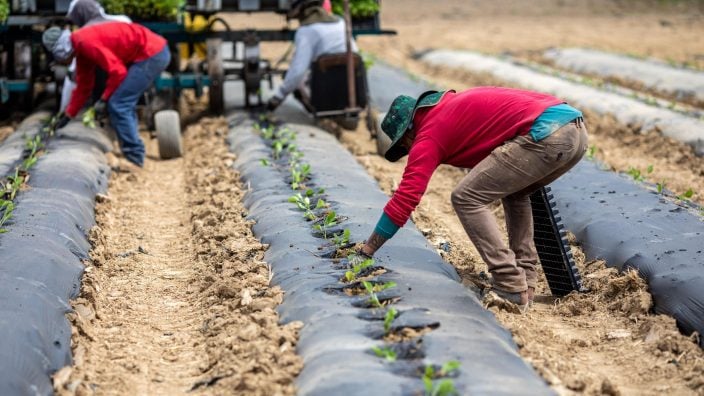
A recent state budget fix and a federal rule reform to H-2A have resulted in some relief for farmers who use the guest worker program.
Read More
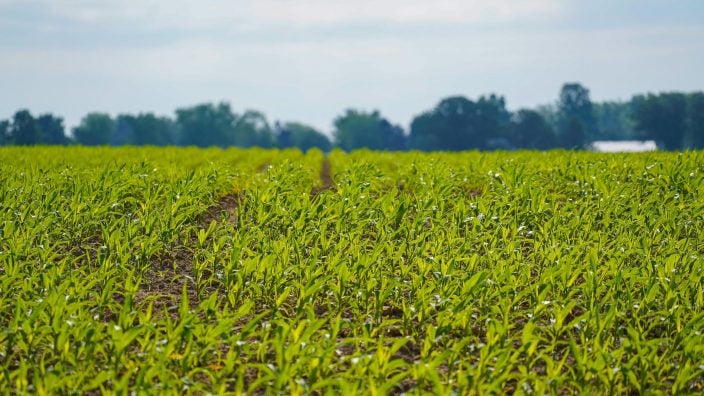
Ohio Farm Bureau advocated for a change in the law to allow family members and employees to handle pesticides while under the supervision of a licensed applicator. The rules around HB 10 are being finalized.
Read More
Four property tax reform bills were signed into Ohio law at the end of 2025. Ohio Farm Bureau Associate General Counsel Leah Curtis breaks down the bills and what the changes mean for Ohioans.
Read More
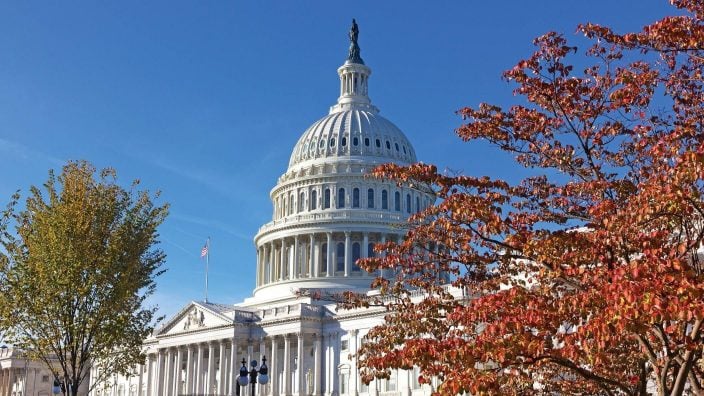
A proposal to import beef from Argentina comes on top of the government shutdown and ongoing economic pressures facing agriculture.
Read More
Any unlicensed handlers who use restricted use pesticides will need to have additional training. Farm Bureau will be working on legislation to give employers a choice on how to provide training.
Read More
After nearly 100 days of traveling the nation and visiting directly with hundreds of farmers across America, U.S. Secretary of…
Read More

Over 20% of all the production in the United States from agriculture gets exported to a different country.
Read More