

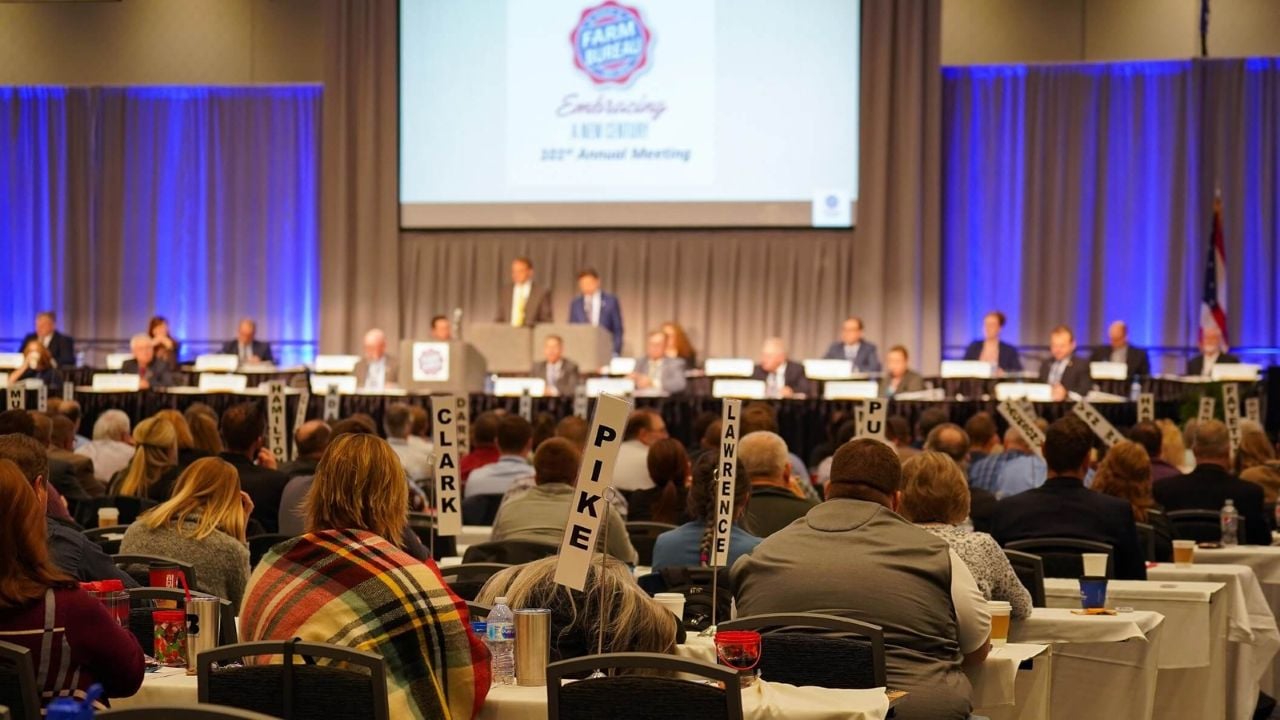
Ohio Farm Bureau supports expanded use of dyed diesel
The administration recently issued an executive order easing restrictions on the use of tax-exempt dyed diesel fuel for on-road agricultural transportation.
Read MoreThe grants help small and medium-sized livestock and poultry processors implement processing efficiencies, expand or construct facilities at existing sites, assist in training and certification, and improve harvest services.
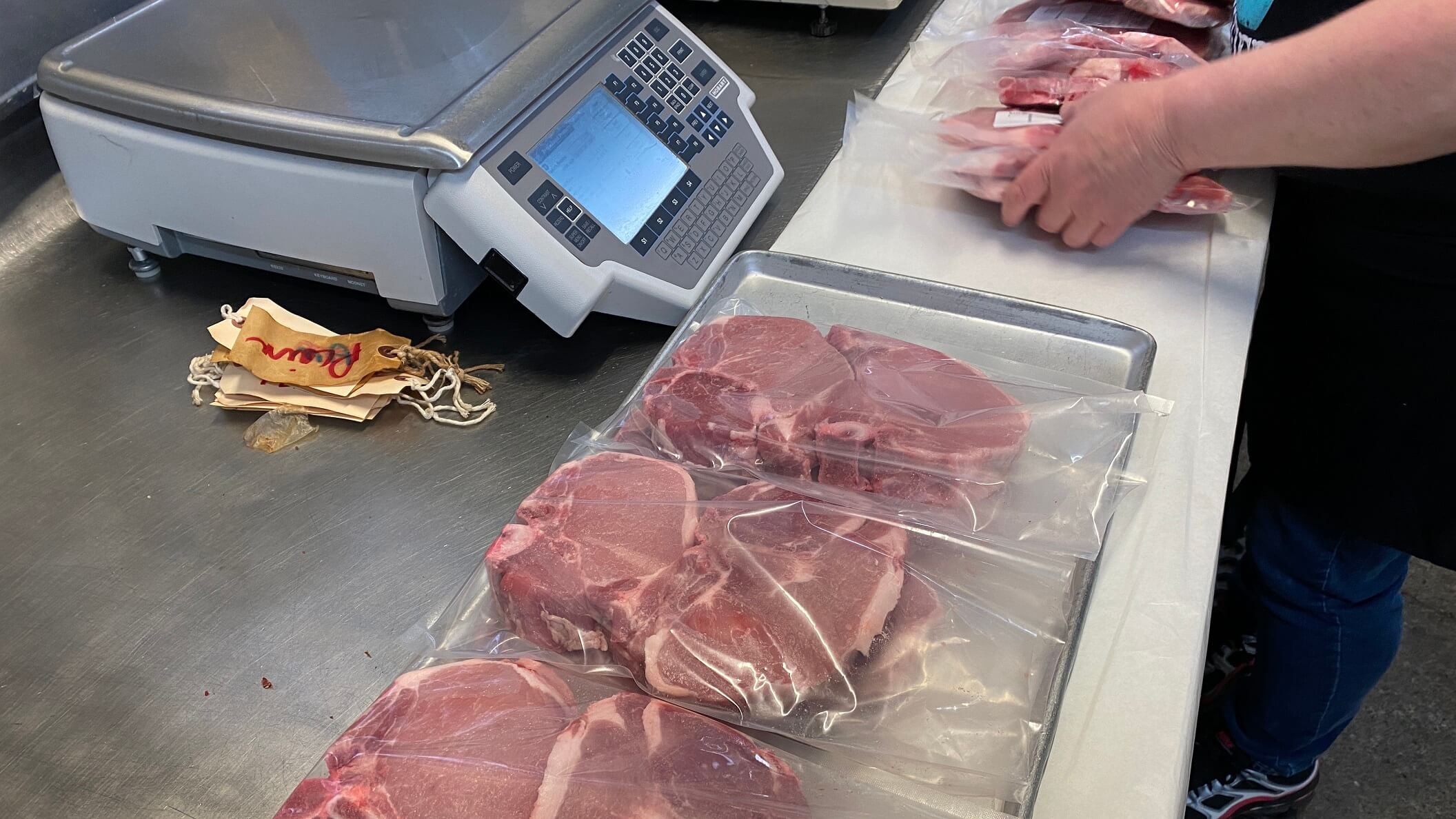
Earlier this week, the Ohio Controlling Board approved $18 million to be allocated to the Ohio Meat Processing Grant Program. These additional funds are the result of a very strong response to the initial $10 million granted through the 2022 – 2023 biennial state budget to help small and medium-sized livestock and poultry processors implement processing efficiencies, expand or construct facilities at existing sites, assist in training and certification, and improve harvest services.
“The need for the Ohio Meat Processing Grant Program, which Farm Bureau helped develop and advocated for, was proven by the demand for the first round of funding and the announcement of additional grants,” said Adam Sharp, executive vice president of Ohio Farm Bureau. “We appreciate Governor DeWine and Lt. Governor Husted, as well as the entire Ohio Legislature, for their continued investment into the state’s small and medium-sized meat processors so improvements can be made to meet the demand for locally grown meat and poultry. The results will be more marketing opportunities for farmers, additional buying options for consumers and a stronger food supply system for all Ohioans.”
Within the first day of accepting applications for the initial round of the program, processors across Ohio had requested nearly three times the initial $10 million.
“We were so inspired by the number of meat processors that wanted to take part in the program that we, along with the Department of Development, immediately started looking into other funding opportunities for them,” said Dorothy Pelanda, director of the Ohio Department of Agriculture. “Needless to say, there is a tremendous amount of interest in the program.”
According to ODA Division of Meat Inspection Chief Dr. Juan Leon, this funding will help to decentralize meat processing in Ohio as it begins to expand to a point where the industry will take on a completely new look.
“This program will allow the smaller meat processors and the farmers they work with to get out of the shadows of the larger meat companies,” Leon said.


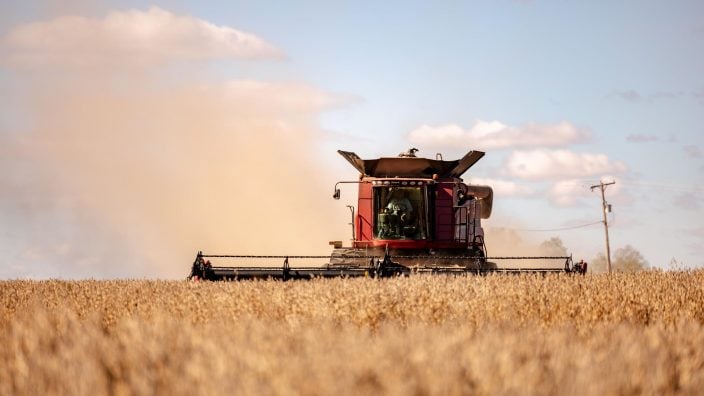
The administration recently issued an executive order easing restrictions on the use of tax-exempt dyed diesel fuel for on-road agricultural transportation.
Read More

Dr. Ian Sheldon joins the podcast to explain the history of USMCA, what recent decisions mean for the agreement and why its future matters for Ohio agriculture.
Read More
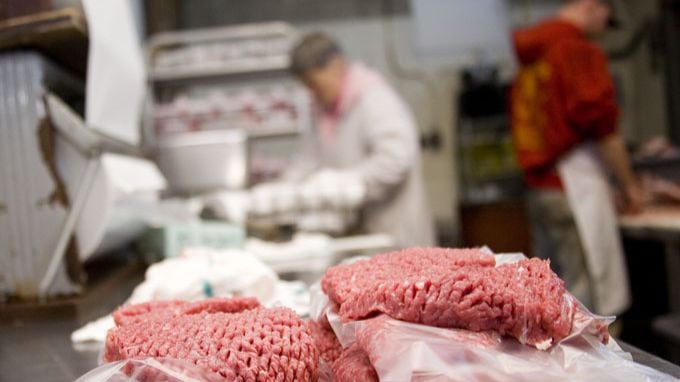
USDA is providing $60 million in support and funding opportunities for small and mid-sized meat processors across the country. Apply by Aug. 7.
Read More
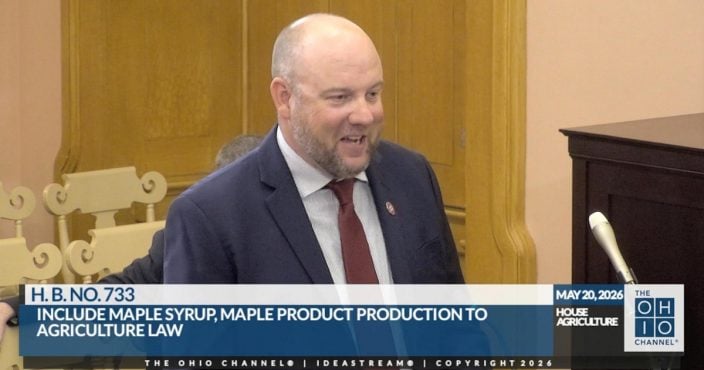
Introduced by Rep. Sarah Fowler Arthur (R-Ashtabula) and Rep. David Thomas (R-Jefferson), the bill would add trees cultivated for maple syrup production to Ohio’s statutory definition of agriculture.
Read More
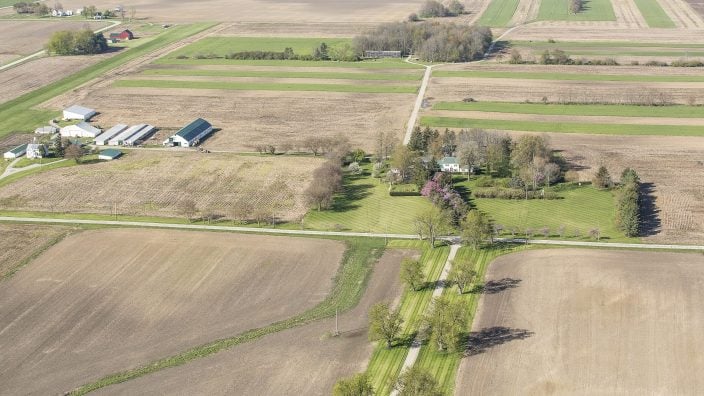
Ohio Farm Bureau shared members’ concerns about the rapid growth of data centers across the state and the long-term impacts on agriculture and rural communities.
Read More
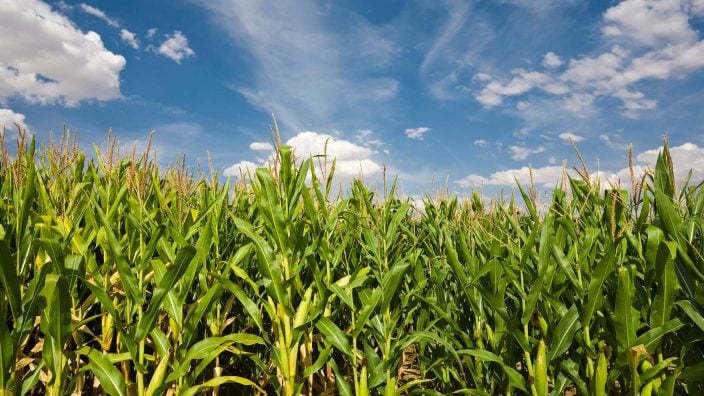
Ohio Farm Bureau testified in support of House Bill 773, legislation that would allow Ohio Turnpike travel plazas to offer E15.
Read More
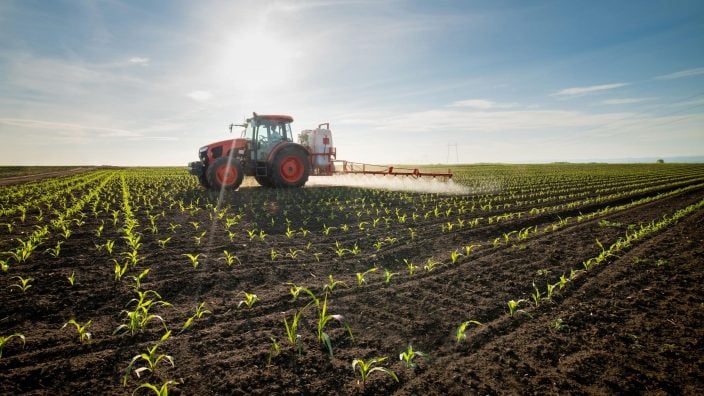
70% of America’s farmers say they can’t afford to purchase enough fertilizer to get them through the year.
Read More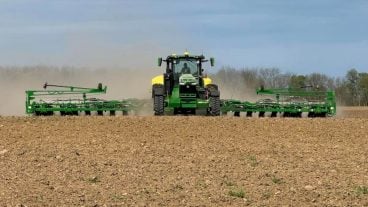

EPA released new guidance allowing diesel equipment manufacturers to move away from traditional DEF quality sensors and use alternative technologies, such as nitrous oxide sensors.
Read More
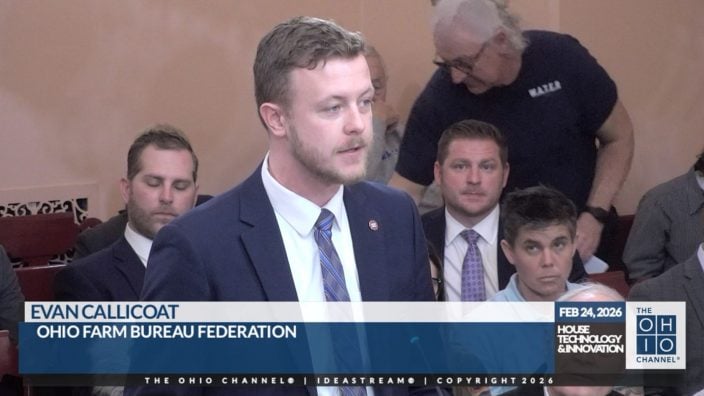
House Bill 646 would establish a Data Center Study Commission to examine the impact of rapid data center development across the state.
Read More
The plan provides a blueprint for policymakers and Ohio Farm Bureau members to bolster Ohio’s agriculture industry and our rural communities.
Read More