






Solar eclipse resources offered to Ohio landowners
Landowner resources to help them prepare for an influx of people coming to rural parts of the state hoping to get a glimpse of this rare phenomenon April 8.
Read MoreMany are unaware that open burning is regulated by the Ohio EPA under its air pollution abatement duties.
Here are some tips for conducting open burning and avoiding trouble with the Ohio EPA:
The Ohio EPA prohibits any open burning when air quality alerts, warnings, or emergencies are in effect. Further, the Ohio Department of Natural Resources has a burn ban between the hours of 6 a.m. and 6 p.m. for unincorporated areas in the months of March, April, May, October and November. During these months, any burning must take place in a plowed garden or field and at least 200 feet from any woodland, brush or fields of dry grass.
Before burning, landowners need to consider whether they are located within a restricted or unrestricted area and whether their burning activity may require notification or permission from the Ohio EPA.
Agricultural wastes that can be burned include any waste generated by crop, horticultural or livestock production, including woody debris or plant material, bags, cartons, and landscape wastes.
Residential waste generated on property of a one, two, or three family residence, including landscape waste, can be burned. Residential waste does not include garbage, dead animals (unless granted approval by a governing agency), materials containing rubber, grease, asphalt, materials made from petroleum, such as tires, cars, auto parts, plastics and plastic-coated wiring and these materials may not be burned anywhere in the state at any time.
In certain circumstances, landowners are required to provide notification to EPA prior to burning agricultural or residential waste. Burning land clearing waste requires written permission from the EPA. Land clearing waste is plant waste generated when land is cleared for residential, commercial, industrial or agricultural development.
Certain burning circumstances will require that notification be provided to the Ohio EPA at least 10 working days prior to the fire being set. Additionally, local fire districts or jurisdictions may have their own open burning ordinances. Always plan ahead and check with your local fire department to make them aware of your activity to prevent confusion and unnecessary alarm to your local first responders.
For further explanation of these tips and other information on other topics impacting landowners, Ohio Farm Bureau members can log in and download the Landowner Toolkit.
Not a member? Join today!
Also, listen to Legal with Leah, a podcast featuring Ohio Farm Bureau’s Policy Counsel Leah Curtis discussing topics impacting landowners.
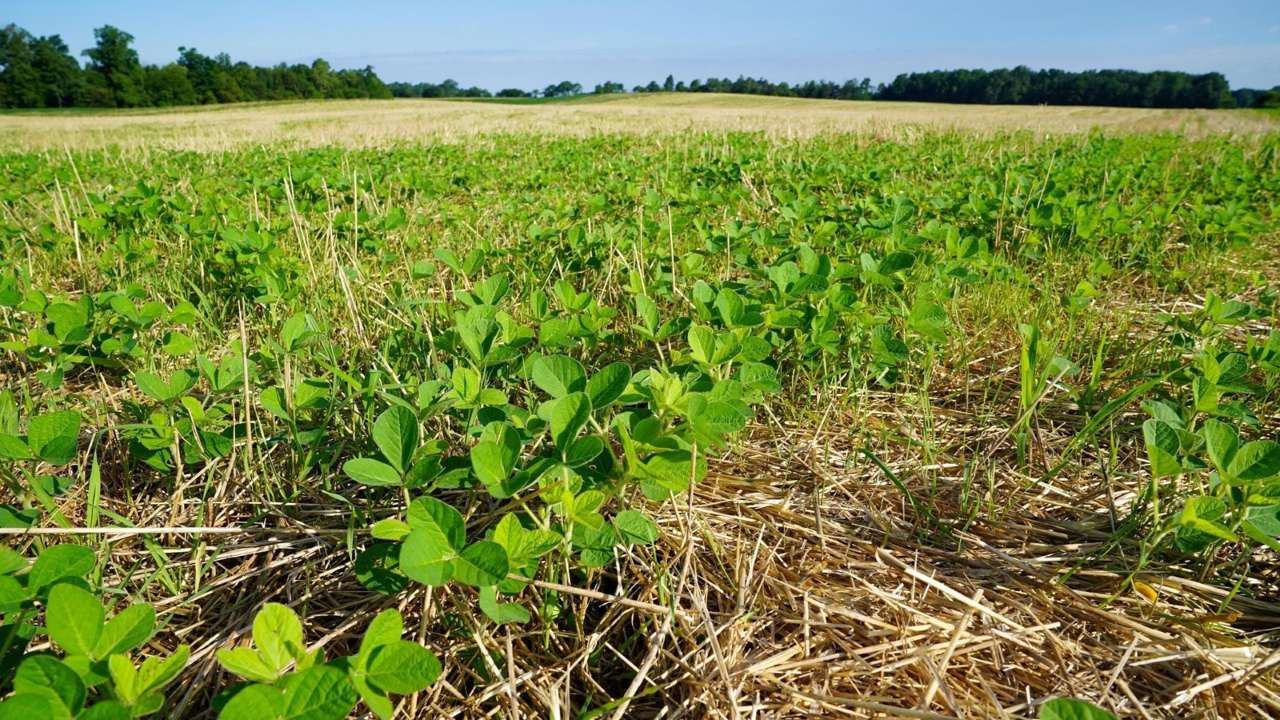
Photo credit: Adonyi Gabor, pexels.com




Landowner resources to help them prepare for an influx of people coming to rural parts of the state hoping to get a glimpse of this rare phenomenon April 8.
Read More

What are some of the things landowners need to be aware of, as they might see more people wanting to come out to their property and to rural Ohio for the best seat in the house?
Read More
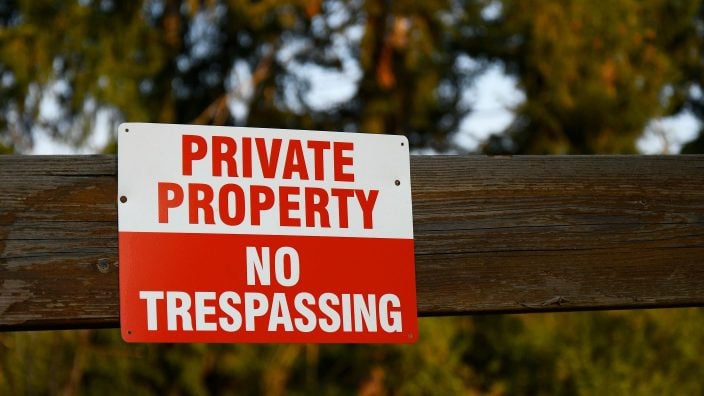
Policy Counsel Leah Curtis discusses Ohio trespassing laws and the liability that can fall on landowners when people enter their property.
Read More

When property owners may have issues with trees or encroachment on their property, they often turn to Ohio Farm Bureau for information.
Read More

Even though there can be zoning in rural areas of Ohio, there are limitations in the law when it comes to agriculture.
Read More
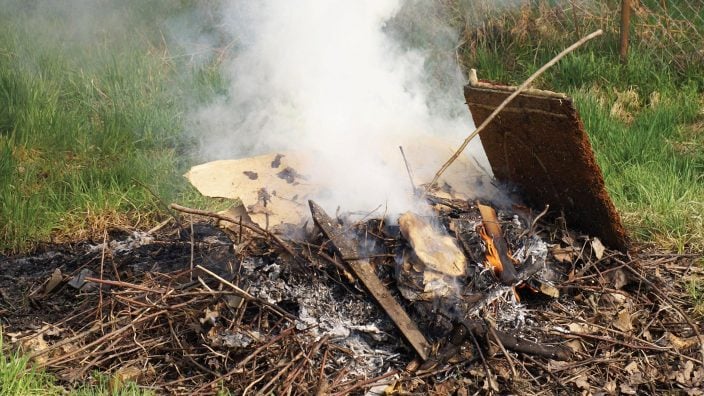
During the months of March, April, May, October and November, open burning in Ohio is prohibited during the hours of 6 a.m. to 6 p.m.
Read More
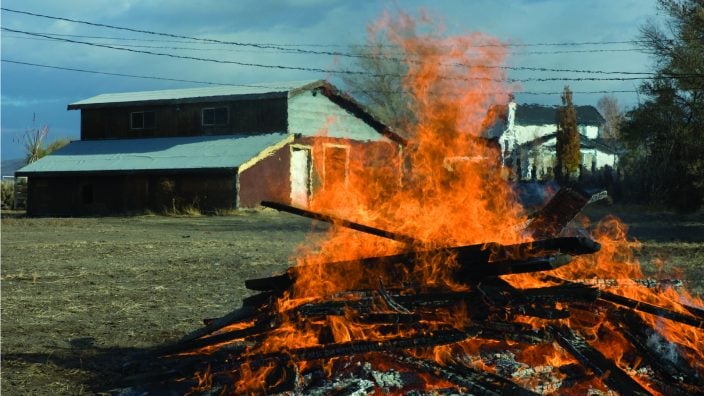
Depending on what is being burned and where, there will likely be restrictions from either the Ohio Environmental Protection Agency or possibly the Ohio Department of Natural Resources.
Read More
The newly updated Landowner Toolkit was built to give our members the knowledge and tools necessary to manage their land responsibly and productively.
Read More

Under HB 397, notice must be given by Sept. 1 to terminate a farm lease, and the lease will terminate at the conclusion of harvest or Dec. 31, whichever comes first.
Read More

Lorain County Farm Bureau recently had success getting some changes made to their CAUV designations, thanks to the help of Ohio Farm Bureau and members taking action.
Read More