


Eat up farming stories with agricultural books
Please explore the Feeding Minds Press website and the foundation’s database full of fun reads, and share them with teachers and homeschoolers you know.
Read MoreThe research for my last article and continued talk of the bird flu has made me recall one of my earliest childhood memories. It is of riding with my maternal grandmother on her egg route. There was barely enough room for her and I to sit in the car. The rest of the space was full of eggs. The only stop on the route that I remember is Perry Feed & Coal. My mom recalls riding along on the route in the 1950s, which included a stop at the Lake County Courthouse.
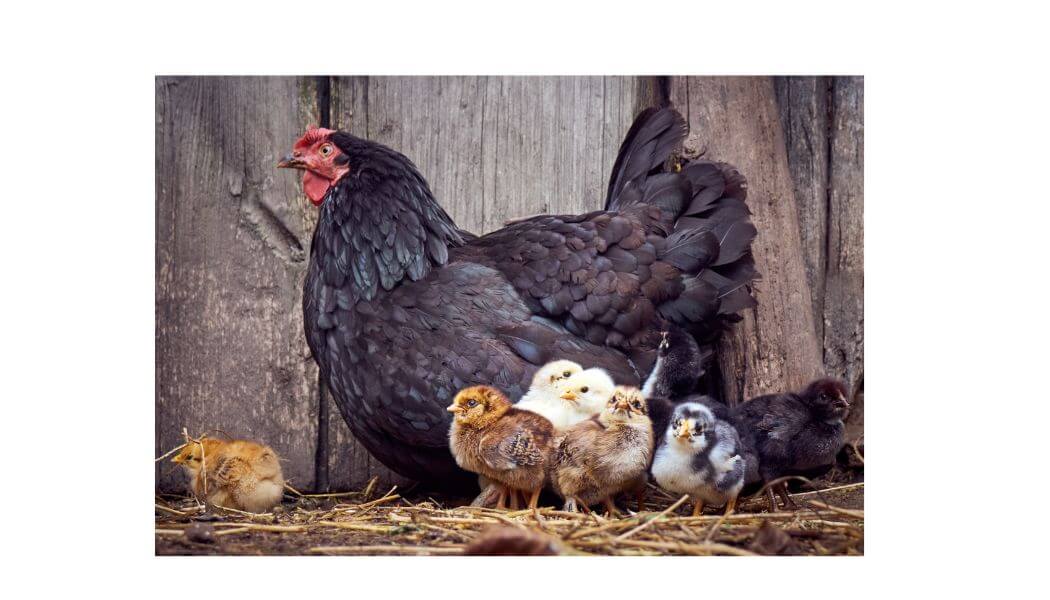
Chickens are one of the most common and widespread domestic animals in the world. There are over 100 breeds of chickens in the world. In the United States, 30 to 60 breeds are common. Today, specific breeds are raised for meat and others to produce eggs. It wasn’t always that way.
In the 1800s through the early 1900s, chickens were raised at most households, whether it was a farm or just in the backyard. These chickens supplied eggs and an occasional chicken for a Sunday or a holiday dinner. Flocks tended to be small because the chickens fed themselves through foraging, with some supplements of grain and food scraps. The lack of refrigeration also limited the size of flocks. Eggs were more easily transported, but chickens mostly were transported live to the buyer or local butcher. Poultry and eggs were considered luxury foods.
Chickens did not thrive in the winter. Egg production, incubation and meat production in the winter all were very difficult, making poultry seasonal and expensive. That started to change with the discovery of vitamin D in 1922. As researchers began to understand the importance of the photoperiod (cycle of sunlight and darkness) and its impact on production, it became possible to keep chickens in confinement year-round.
In the 1920s and 1930s more focus was given to meat production. Two kids of poultry were generally offered as meat. The broilers or “spring chickens” were male chickens that were still young and tender. And ‘“fowls” or “stewing hens” were old hens that were no longer good egg producers. Agricultural research was initiated in locations such as Delmarva Peninsula, Georgia, Arkansas and New England. Factors in geographic expansion of the industry were favorable weather conditions, adequate land and water, and access to supplies of corn and soybeans for poultry feed.
Mrs. Wilmer Steele of Sussex County, Delaware, is often cited as the pioneer of the commercial broiler industry. In 1923, she raised 500 chicks intended to be sold for meat. She was so profitable that by 1926 Mrs. Steele was able to build a broiler house with a capacity of 10,000 birds.
Around that same time, egg production was increasing as well. Improvements in production and quality were accompanied by lower labor requirements. In the 1930s through the early 1950s, a flock of 1,500 laying hens was considered to be a full-time job for a farm family. But by the late 1950s egg prices had dropped significantly. Farmers compensated by adding more laying hens, which flooded the market with more eggs, driving prices down further. Many egg farmers left the business. This marked the beginning of the transition from many small poultry farms to the much larger operations of today.
Poultry meat production had also changed greatly by the 1950s. Responding to increasing consumer demand, large farms could grow birds by the tens of thousands. And chickens could be sent out to large processing facilities to be butchered and processed into fresh and frozen packaged products ready for sale.
Today, poultry and eggs are not luxury foods but everyday staples. The poultry industry as a whole has a huge impact on the U.S. economy: The 2022 statistics show this sector of agriculture provides 2,012,269 jobs, $125.6 billion in wages, and pays $33.7 billion in taxes.
It takes unimaginable resources to feed the people of this country. We eat a lot of chicken and eggs. From very large farms to the increasing number of backyard flocks, we are fortunate that the farmers in the U.S. can meet the needs of the consumers. With the continued threat of avian flu, may our prayers continue as well.
Submitted by Mary Smallsreed, a member of the Trumbull County Farm Bureau and grew up on a family dairy farm in northeast Ohio.
OFBF Mission: Working together for Ohio farmers to advance agriculture and strengthen our communities.




Please explore the Feeding Minds Press website and the foundation’s database full of fun reads, and share them with teachers and homeschoolers you know.
Read More

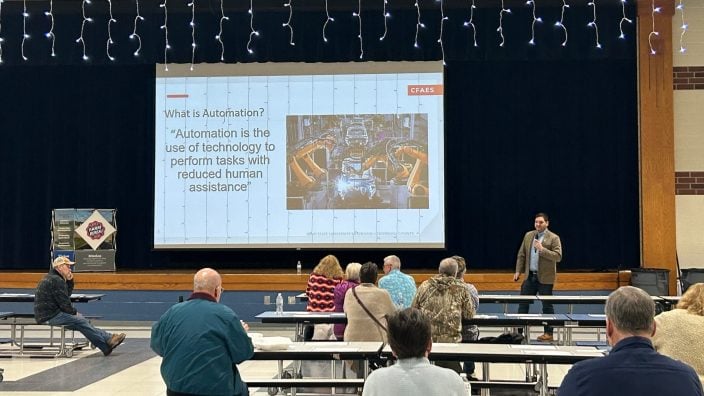
If you care about the future of agriculture, the most important thing you can do is be part of the conversation.
Read More
No matter how busy we are with the endless to-do lists, errands and busy schedules, I think that this time of year is a great time to take the chance to reset ourselves.
Read More
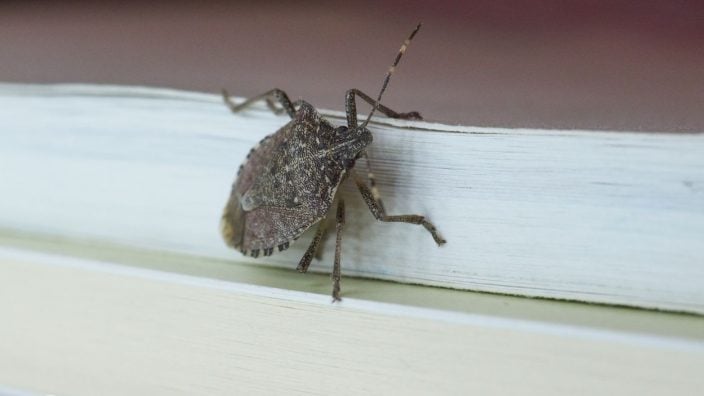
Stink bugs also known as the Brown Marmorated Stink Bug (BMSB in the entomology world) are one of the earliest signs of spring to me here in Ohio.
Read More
Through all of life’s changes, Trumbull County has become not just a place we work, but the place we call home.
Read More
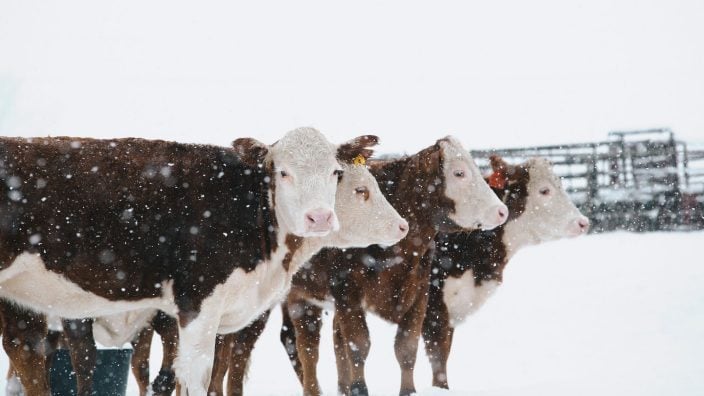
Most livestock animals are well adapted to cold weather, but farmers take extra measures when extreme temperatures come.
Read More

We often talk about the moments that shape us — big decisions, career paths and life milestones. But more often than not, it’s not the moments that define us. It’s the people.
Read More
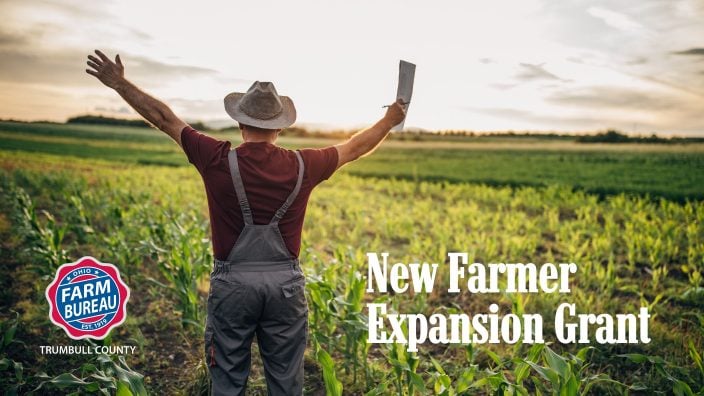
The purpose of this $1,500 grant is to help offset farm operation costs. This can include but is not limited to: fuel costs, fertilizer costs, equipment costs, land rent, etc.
Read More
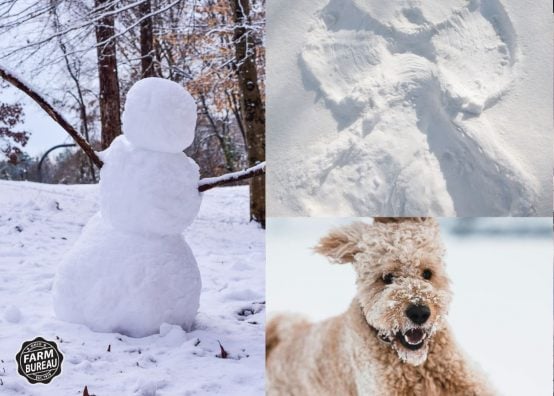
I’m going to give you a list of things that you can do that will get you outside and actually enjoy the snow.
Read More

As kids, we are often told to try new things, whether it be a new food, a new activity or…
Read More