



Don’t raise a stink over insect’s emergence
Stink bugs also known as the Brown Marmorated Stink Bug (BMSB in the entomology world) are one of the earliest signs of spring to me here in Ohio.
Read More“So for this project, you will be going out into the woods and collecting as many different budding branches as you can find. You will then label the species of tree, and on one of the branches you will label the structure of the branch,” I was instructed by my freshman science teacher, Mr. Thomas. One of the benefits of attending a small rural high school were projects such as this. Two weeks to spend outside in the woods, finding newly budded tree branches while the birds chirped and the squirrels chattered was the ideal project for me. Of course, heading home that afternoon, I needed to tell my grandfather. As the resident expert of the woods, I knew he would be absolutely delighted to spend some time in the woods with me finding the best specimens for our project.
This project now in my hands, my grandpa, Joe Letwen, and I picked a beautiful, chilly spring day to go branch hunting in our woods. A giant bag for our treasures and the rifle accompanied us on our way; the rifle confused me, I figured we would be plucking branches from a little above head height and I didn’t see any dangers in our woods. However, I should have known that my grandpa had other ideas. What I thought would be a nice simple walk in the woods to gather branches would instead turn into an all-day adventure resulting in a collection of sticks that would rival even the most dedicated arborist.
Grandpa knew every tree in the woods by its bark. This shocked me because the only differences I could see were simple ones, like smooth or rough bark. However, he could differentiate between black walnut bark and ash bark with a simple look. Birch and elderberry bark were discerned with a mere glance and orders were issued to snip off new growth from each branch and carefully put it in our bag of treasures.
As we came to the end of our mission, my grandpa stopped and redirected our course toward this massive, smooth barked tree in the just about the middle of our woods. It took almost four of us to wrap our arms around this behemoth of a tree as evidenced by our attempt the previous summer when my brother had been with us. I knew this tree simply by the empty, prickly shells that lay under its branches. The nut of the beech tree is distinct; its shell is prickly and adorable. This beech tree, in my mind, was the epicenter of our woods, the granddaddy tree of the all. He had figured that no one would be able to find or collect a beech tree branch and he wanted me to have one.
As he shouldered that rifle, I remember thinking how I was the luckiest kid on the planet to have such an amazing grandpa that would spend all day in the woods with me, simply so I could do well on a project. As the gun fired and the branch came tumbling down, we both smiled and then laughed. Who had ever heard of shooting a branch simply to have it for a project!
At home that evening, my parents, realizing the seriousness of this project for my grandfather and I, had bought a giant piece of cement board so we could mount my collections with ease. Hot glue, pins, string, and homemade labels completed this work of art. Grandpa and grandma came over and ate dinner. Afterward, he supervised my labeling. The project was ready to be turned in and we were both so proud of our efforts. I learned a lot about trees.
For a week, I waited with bated breath to learn how I had done on the project. Mr. Thomas had everyone set them up around his room and he graded them from that position, but no one knew what they had received. Mine, by far, was the largest and had the most sticks; I was proud, but also nervous. There were a lot of sticks to identify correctly.
What I learned was the value of trust, faith, and time spent with those you love. That afternoon in the woods has stuck with me for almost 24 years and even though my grandpa is gone, the memory of him dressed in his blue work pants, shirt, old jacket, boots, wearing the hat with the brim flipped up, and his favorite rifle across his shoulder will live with me forever. His absolute certainty in his abilities to accurately shoot down a branch from a beech tree in the middle of the woods while in his late 80s astounded me. The sheer joy on his face when I asked him to assist me with this project created memories that lived on despite his passing. Yet, it is my absolute trust in him and my faith that he knew exactly what he was doing that surprised me. Somewhere along the way, we have stopped trusting those who have lived experiences.
From farmers to teachers, doctors to lawyers, society has stopped believing those who actually have the experiences to make the decisions. We have stopped trusting lived knowledge and I am not sure that we are better for it. I’m grateful my grandpa serves as a reminder that his lived experiences and acquired knowledge are just as important as the information I can find through Google. In fact, I wish I had absorbed more of his knowledge when he was alive; the pieces of history and information that died with him are an invaluable part of my history.
Submitted by Christen Clemson, a member of the Trumbull County Farm Bureau who completed her Ph.D. at the Pennsylvania State University. She and her family farm in Mecca Township.
OFBF Mission: Working together for Ohio farmers to advance agriculture and strengthen our communities.


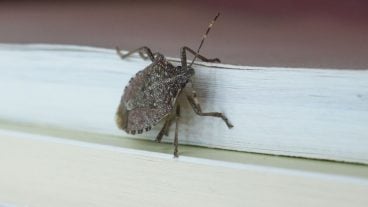
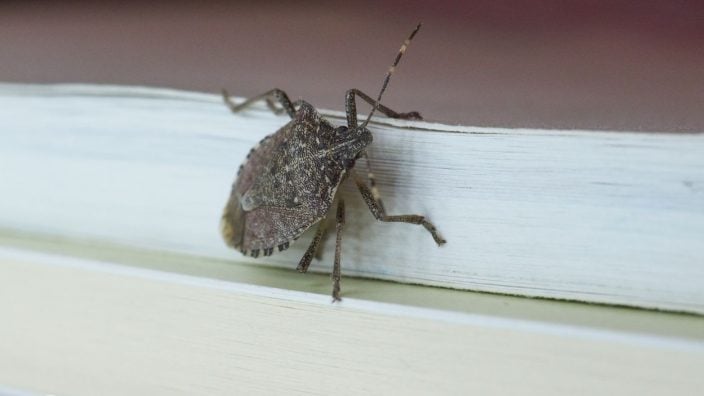
Stink bugs also known as the Brown Marmorated Stink Bug (BMSB in the entomology world) are one of the earliest signs of spring to me here in Ohio.
Read More
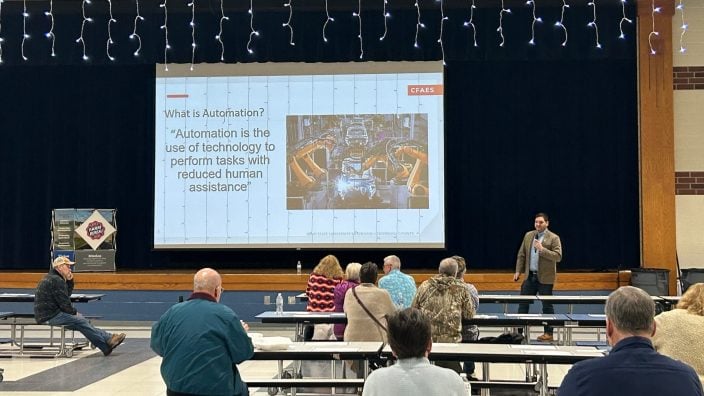
Through all of life’s changes, Trumbull County has become not just a place we work, but the place we call home.
Read More
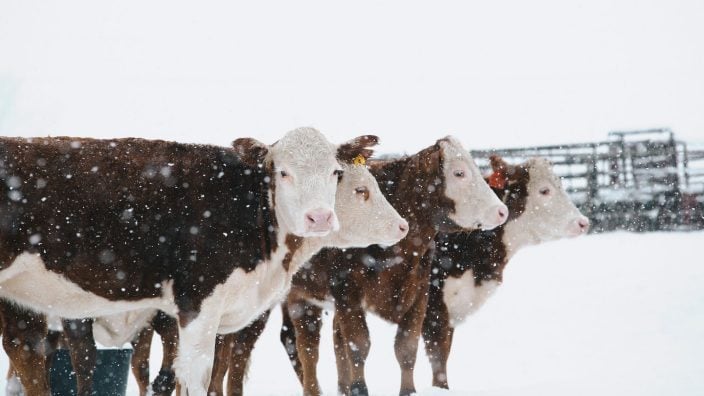
Most livestock animals are well adapted to cold weather, but farmers take extra measures when extreme temperatures come.
Read More

We often talk about the moments that shape us — big decisions, career paths and life milestones. But more often than not, it’s not the moments that define us. It’s the people.
Read More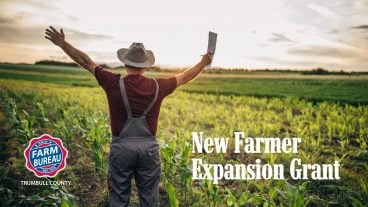

The purpose of this $1,500 grant is to help offset farm operation costs. This can include but is not limited to: fuel costs, fertilizer costs, equipment costs, land rent, etc.
Read More
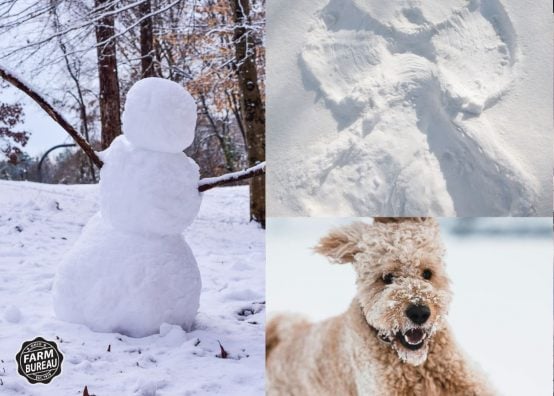
I’m going to give you a list of things that you can do that will get you outside and actually enjoy the snow.
Read More

As kids, we are often told to try new things, whether it be a new food, a new activity or…
Read More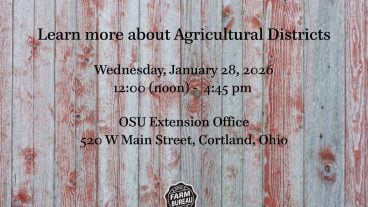
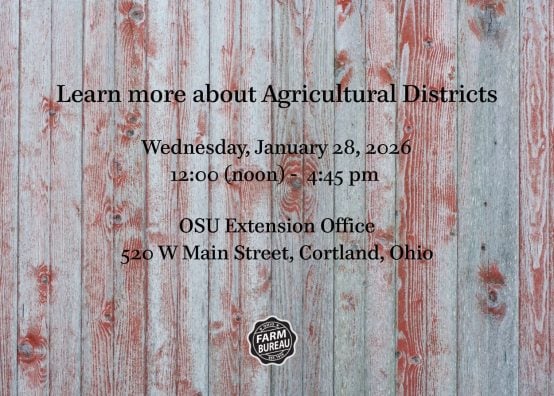
Learn more about ag districts from noon to 4:45 p.m. Jan. 28 at the OSU Extension Office, 520 W. Main Street in Cortland.
Read More
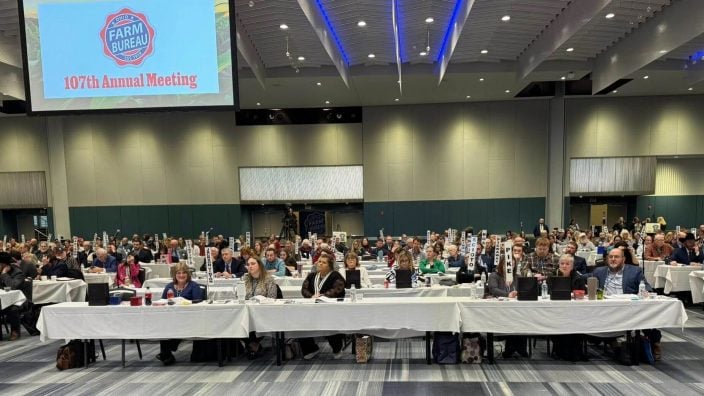
We aren’t just reacting to change — we’re shaping the future of agriculture, one conversation and one decision at a time, together.
Read More

Today, there are close to 15,000 farms growing Christmas trees in the U.S., and over 100,000 people are employed full- or part-time in the industry.
Read More