




Don’t raise a stink over insect’s emergence
Stink bugs also known as the Brown Marmorated Stink Bug (BMSB in the entomology world) are one of the earliest signs of spring to me here in Ohio.
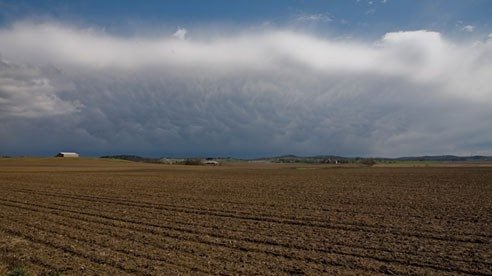
Read MoreI’ll be the first to admit I love a good thunderstorm. Even though I know the science of thunder and lightning and understand the dangers it can bring, I can’t help but anticipate those storms.
However, the storm this past week packed a bigger punch than I expected, and a little over two days without power gave me some time to think about the impact of weather on agriculture.
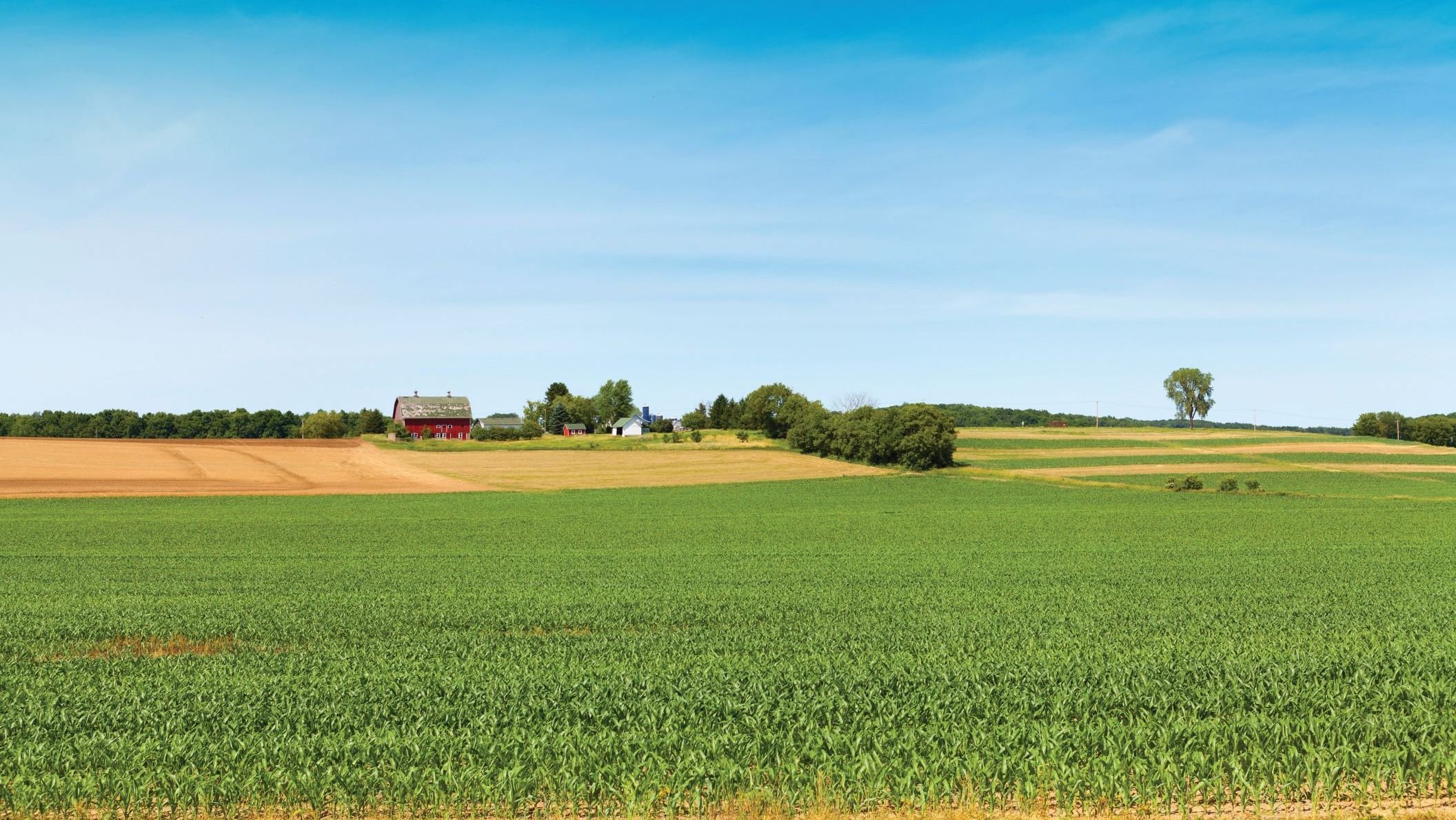
When we think about weather and agriculture, we often think directly about rain. After all, too much rain and plants drown, and too little rain and plants dry up. However, rain isn’t the only weather condition that impacts agriculture. Snow, hurricanes, tornadoes, wind storms, hail and other weather-related issues impact agriculture almost daily, and those losses come at a steep price.
The American Farm Bureau decided to look at the losses in agriculture, specifically crop loss, in 2022 caused by weather. It found more than $21.4 billion was lost during 18 major weather events during the 2022 calendar year. Each weather event caused over $1 billion worth of damages, and 2022 was the third-most expensive disaster year in history. While $11 billion was covered by Risk Management Programs, over $10 billion was not covered, and farmers were left to deal with the loss.
These losses are limited to traditional field crops like corn, grain and other row crops. Horticulture, infrastructure, livestock and timber losses are considered their own separate entities and do not count toward these numbers.
Wildfires, fed by droughts, raging in California, Washington, Oregon, Montana, Arizona, New Mexico, Texas, Louisiana, Oklahoma, Mississippi, Alabama and several other states have accounted for almost $21 billion in total crop loss. Additionally, major losses were attributed to hurricanes, hail and flooding, with a little over $1 billion in losses for each weather event.
However, individual weather events can be much more costly when the entire scope of agriculture is viewed. For example, the University of Florida estimates that Hurricane Ian in September 2022 cost the state over $1 billion across all agricultural areas. Of course, certain states are more prone to severe weather than others. States like Texas, Kansas, Nebraska and South Dakota suffered far more weather-related crop destruction than places like Pennsylvania or Ohio. Yet, weather destruction can happen anywhere.
While we watch the news and live these new weather experiences, traditionally resilient farmers are beginning to see new and unique weather patterns that challenge agriculture production. From no-till farming practices to high-tech systems that track weeds and pests and use less fertilizer and pesticides, farming is becoming a high-stakes science that is waging war against an unpredictable foe with unlimited strength and the power of surprise.
Like all good superhero movies, we always hope the good guy wins. However, in the battle between Mother Nature and the farmer, there is no good guy and no bad guy. The almost 2 million family-owned farms in America each feed 166 people at home and abroad, according to the American Farm Bureau. With the number of people expected to rise globally to 2.2 billion by 2050, American farmers must produce almost 70% more food than they do now, the AFB estimates.
Farmers, scientists and society will have to work together to achieve these lofty goals to feed the world as the weather becomes more explosive, dangerous and destructive.
Meanwhile, I’m going to hide those ruby red slippers that showed up on my door Friday morning. I have a weird feeling about them.
Submitted by Christen Clemson, a member of the Trumbull County Farm Bureau, who completed her Ph.D. at the Pennsylvania State University. She and her family farm in Mecca.
OFBF Mission: Working together for Ohio farmers to advance agriculture and strengthen our communities.


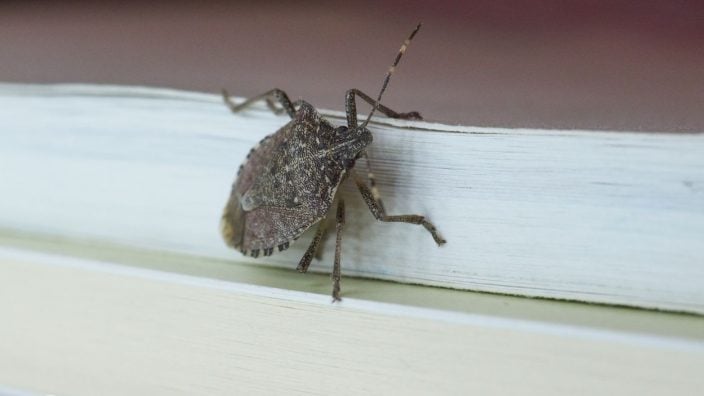
Stink bugs also known as the Brown Marmorated Stink Bug (BMSB in the entomology world) are one of the earliest signs of spring to me here in Ohio.
Read More
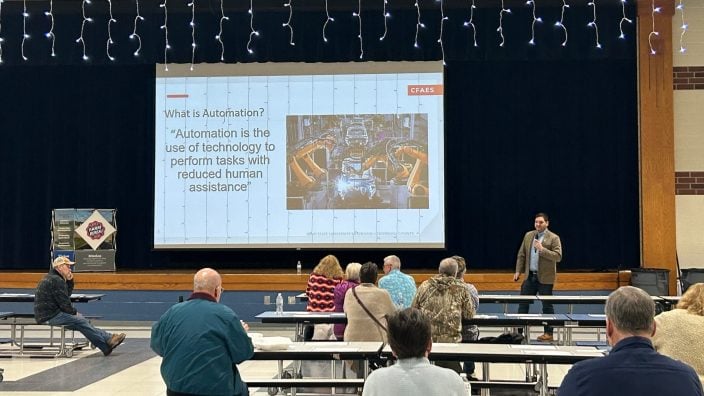
Through all of life’s changes, Trumbull County has become not just a place we work, but the place we call home.
Read More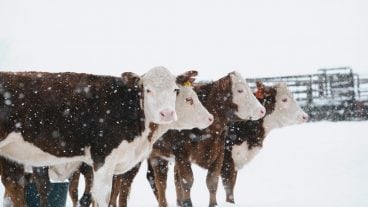
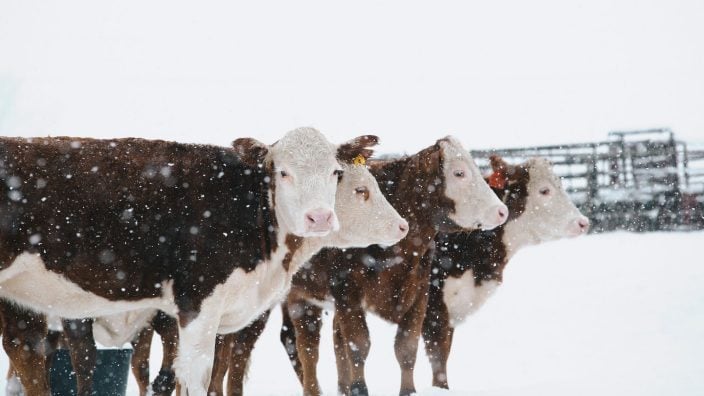
Most livestock animals are well adapted to cold weather, but farmers take extra measures when extreme temperatures come.
Read More

We often talk about the moments that shape us — big decisions, career paths and life milestones. But more often than not, it’s not the moments that define us. It’s the people.
Read More

The purpose of this $1,500 grant is to help offset farm operation costs. This can include but is not limited to: fuel costs, fertilizer costs, equipment costs, land rent, etc.
Read More
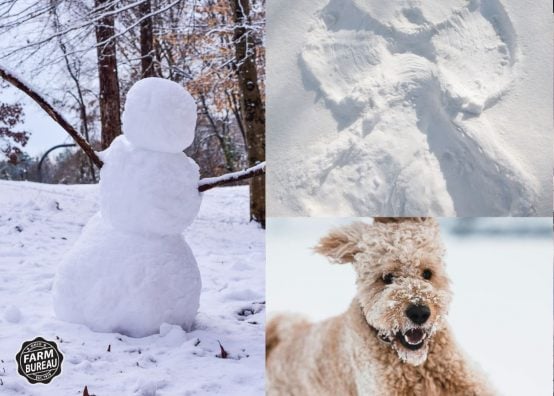
I’m going to give you a list of things that you can do that will get you outside and actually enjoy the snow.
Read More

As kids, we are often told to try new things, whether it be a new food, a new activity or…
Read More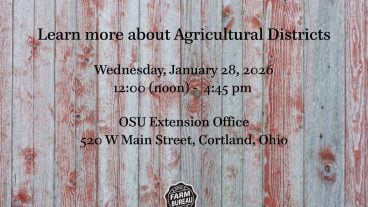
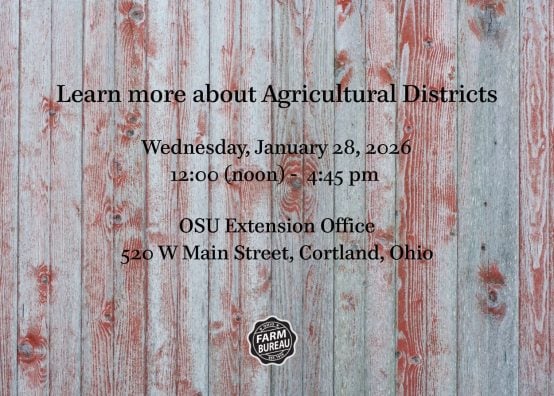
Learn more about ag districts from noon to 4:45 p.m. Jan. 28 at the OSU Extension Office, 520 W. Main Street in Cortland.
Read More
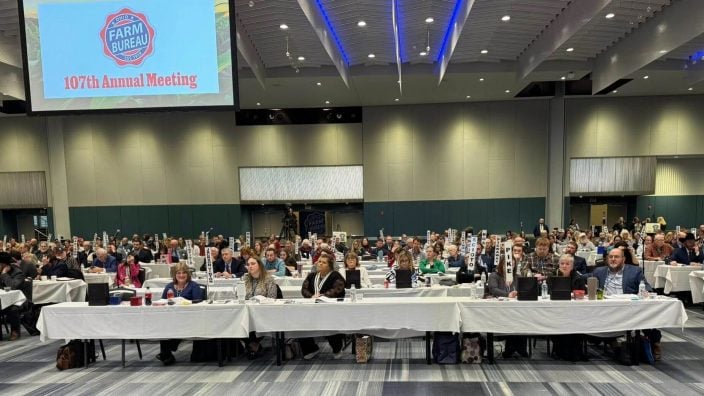
We aren’t just reacting to change — we’re shaping the future of agriculture, one conversation and one decision at a time, together.
Read More

Today, there are close to 15,000 farms growing Christmas trees in the U.S., and over 100,000 people are employed full- or part-time in the industry.
Read More