



Lessons learned on the dairy farm
In my 10 years as a full-time dairy farmer, I have learned so much and feel like I am in a place where I fit perfectly.
Read MoreHello Everyone.
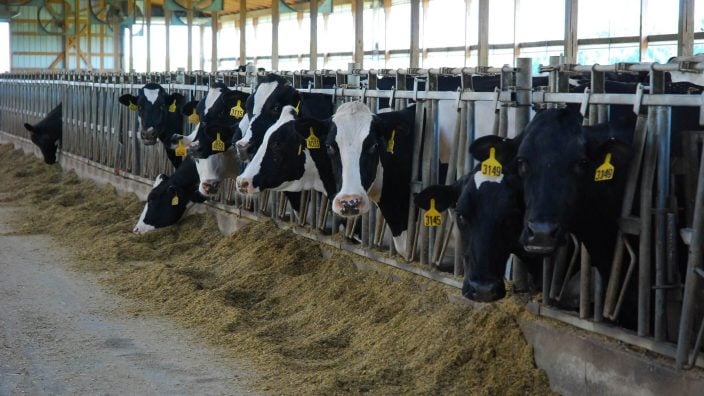
You have probably heard by now about the fire at Comp Dairy in Ashtabula County that occurred Sunday night. Thankfully, no one was hurt and the majority of the cow herd was unharmed. The fire was mostly contained to the milking parlor, which was rendered inoperable to milk the more than 1,000 head herd of dairy cows. Having a fire on a farm is stressful enough, but finding a home for that many milking cows in less than 24 hours was a Herculean task.
Most dairy farms build their milking facilities (pump, parlor, bulk tank, barns, etc.) to fit their specific needs, which is usually the size of their own herd. While they may be able to accommodate a slight increase in herd size, it’s not common for a dairy farm to have capacity to double their milking operation in the blink of an eye without major modifications and construction. When the call went out that Comp Dairy was looking for a temporary home for their milking herd, there was no single farm that could accommodate the entire herd. Multiple local and regional dairy farms did their best to make space to help a fellow family farm during this difficult time. Ultimately, the cows found their way to one of 14 farms, where they are being cared for and milked.
The response showed the resilience of the farming community and the willingness to help those in need. It truly made me proud to see the outpouring of support for the Comp family. Volunteers helped clean up after the fire, sorted cows, hauled cows and jumped in wherever else they could. Getting cows to those farms would not have been possible without a seemingly never-ending fleet of cattle trailers, with many making multiple trips from Comp Dairy to the herd’s destinations. I talked to many volunteers who were up for more than 24 hours, and many were running on only a few hours of sleep.
Hopefully the cows will be back home soon and life will return to normal for the Comp family and their employees. Many people have asked how they can assist in the recovery effort. As I’m writing this, there are efforts to organize donations to directly support the family. As in any emergency, there is an urge to help people in need, but please make sure you are making donations through an official channel, as these situations also create opportunities for scams.
If you have any questions about how you can help the Comp family, please contact our office at 330-638-6783, or contact Mandy Orahood at Ohio Farm Bureau by email.
Submitted by Lee Beers, an extension educator, agriculture and natural resources at the Ohio State University Extension. He can be reached by email.


In my 10 years as a full-time dairy farmer, I have learned so much and feel like I am in a place where I fit perfectly.
Read More

It’s Easter for those who celebrate, and for me, Easter is all about the flowers.
Read More

Please explore the Feeding Minds Press website and the foundation’s database full of fun reads, and share them with teachers and homeschoolers you know.
Read More

If you care about the future of agriculture, the most important thing you can do is be part of the conversation.
Read More

No matter how busy we are with the endless to-do lists, errands and busy schedules, I think that this time of year is a great time to take the chance to reset ourselves.
Read More

Stink bugs also known as the Brown Marmorated Stink Bug (BMSB in the entomology world) are one of the earliest signs of spring to me here in Ohio.
Read More
Through all of life’s changes, Trumbull County has become not just a place we work, but the place we call home.
Read More
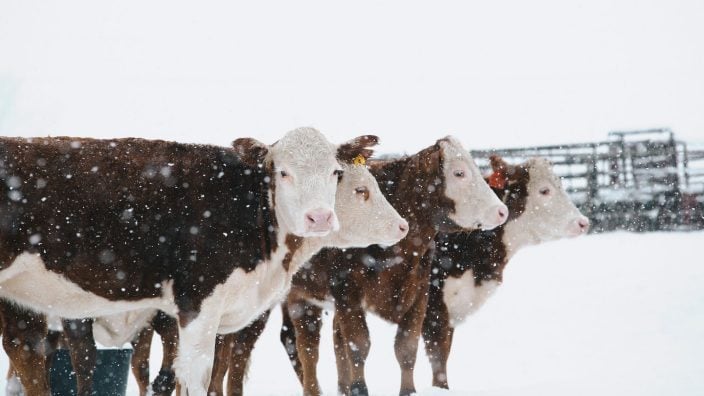
Most livestock animals are well adapted to cold weather, but farmers take extra measures when extreme temperatures come.
Read More

We often talk about the moments that shape us — big decisions, career paths and life milestones. But more often than not, it’s not the moments that define us. It’s the people.
Read More

The purpose of this $1,500 grant is to help offset farm operation costs. This can include but is not limited to: fuel costs, fertilizer costs, equipment costs, land rent, etc.
Read More