



Spring is an excellent time to ‘reset’
No matter how busy we are with the endless to-do lists, errands and busy schedules, I think that this time of year is a great time to take the chance to reset ourselves.
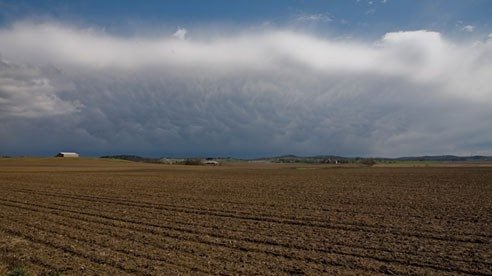
Read MoreIt’s been raining — again. And while the average person might grumble about soggy lawns, canceled ball games or muddy shoes, for farmers, persistent rain hits a lot harder. Across northeast Ohio and much of the state, fields are saturated. Tractors sit idle. Planting windows are closing. And the stress is rising. Because when it keeps raining like this, it’s not just an inconvenience — it’s a threat to the entire growing season.
Farming is one of the only professions where your entire year’s income depends on a few key weeks of good weather. For row crop farmers, those windows are tight to begin with. When it rains day after day, not only can you not plant, but the soil can be damaged if you try. Compaction ruins your long-term soil health, seeds rot in wet ground and every day that passes shrinks your yield potential — and your paycheck.
It’s not just row crops that are impacted. Livestock farmers are slogging through ankle-deep mud to feed animals, haul manure and keep everything from hoof health to hay supplies in check.
Spring hay crops can’t be cut and dried in the rain, meaning a delay now could snowball into feed shortages this winter.
Maybe the worst part of all is the mental strain. Farmers are planners by nature, and there’s nothing more frustrating than watching a plan unravel day after day, with nothing you can do to fix it. Anxiety builds. Bills don’t wait. And for farms already struggling from tight margins, delayed planting or damaged crops might be the breaking point.
What can be done? Honestly? Not much — at least not about the rain.
But neighbors can check in on neighbors. Communities can support local farms however they can, whether through buying local products or just offering encouragement. And for those outside of agriculture, understanding that bad weather affects more than your weekend plans is a good place to start.
Farming has always meant faith — in the weather, in the land, in tomorrow. But some springs make that faith harder than others. This is one of them.
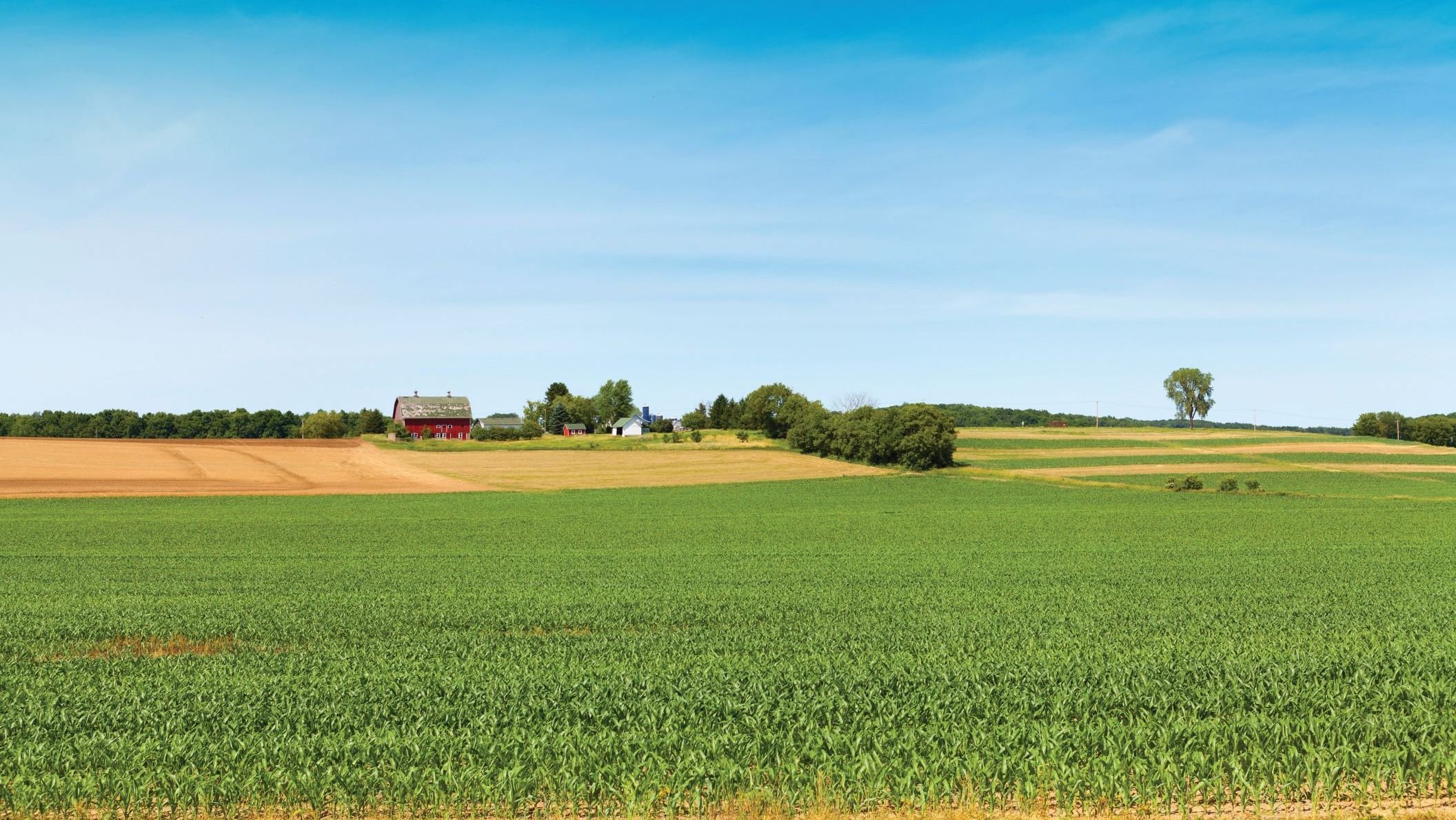
When the weather finally breaks — and it will — farmers will hit the ground running. Roads will be full of equipment, fields will be buzzing and the race to catch up will be on.
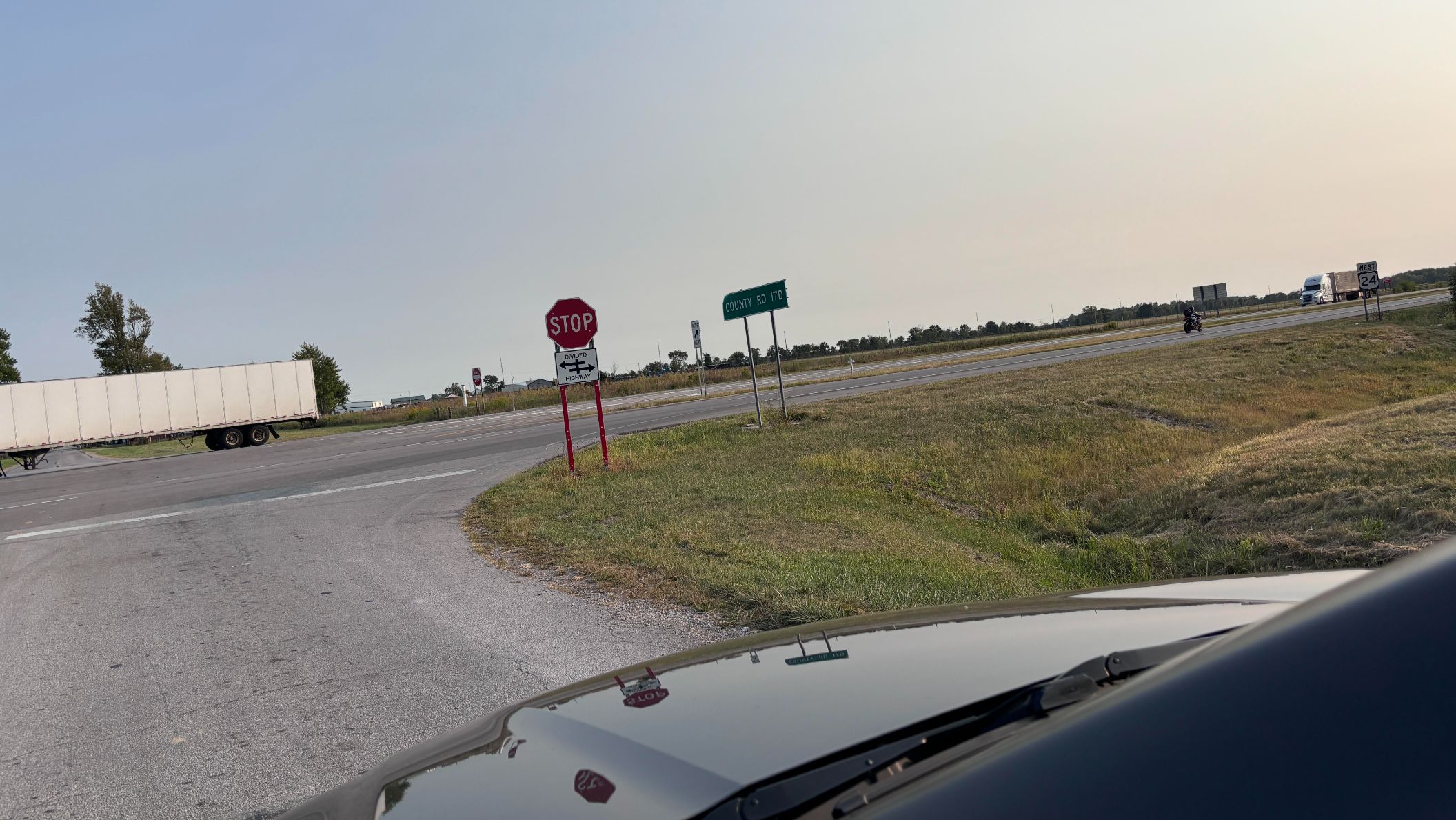
So when that time comes, please slow down. Be extra cautious. Be extra kind. The stress doesn’t go away when the rain stops — it just shifts. Our farmers are already stretched thin, physically and emotionally.
And to the farmers reading this: We see you. We know this is hard. And while people may mean well when they say “it could be worse,” we know that doesn’t make your reality any easier. So before the madness begins again, take a breath. Invest in yourself — even if it’s just a quiet moment with coffee, a walk or a few extra hours of sleep. You are more than your farm.
Submitted by Mandy Orahood, the organization director at Ohio Farm Bureau Federation for Ashtabula, Geauga, Lake and Trumbull counties.
OFBF Mission: Working together for Ohio farmers to advance agriculture and strengthen our communities.


No matter how busy we are with the endless to-do lists, errands and busy schedules, I think that this time of year is a great time to take the chance to reset ourselves.
Read More
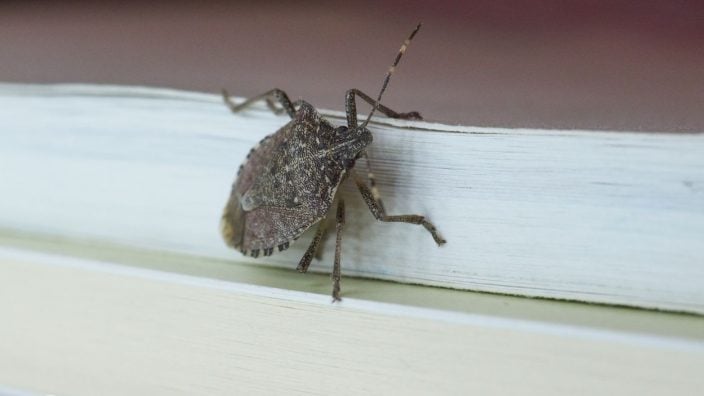
Stink bugs also known as the Brown Marmorated Stink Bug (BMSB in the entomology world) are one of the earliest signs of spring to me here in Ohio.
Read More
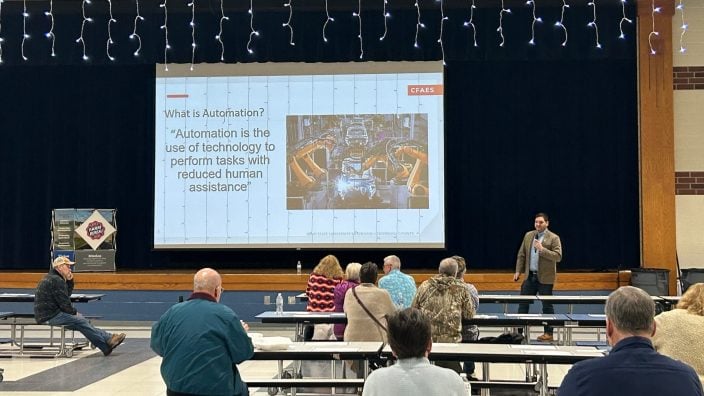
Through all of life’s changes, Trumbull County has become not just a place we work, but the place we call home.
Read More
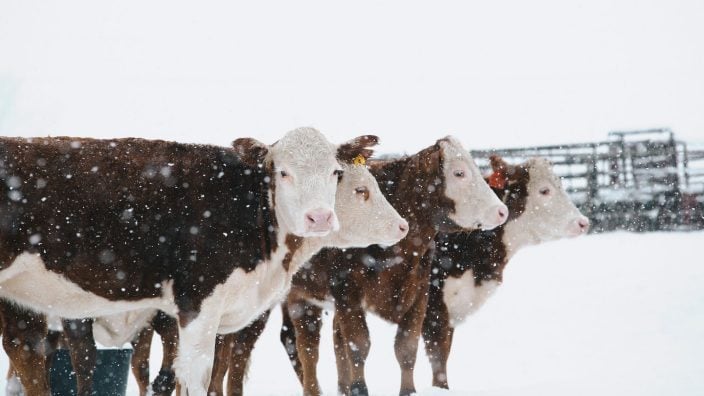
Most livestock animals are well adapted to cold weather, but farmers take extra measures when extreme temperatures come.
Read More

We often talk about the moments that shape us — big decisions, career paths and life milestones. But more often than not, it’s not the moments that define us. It’s the people.
Read More

The purpose of this $1,500 grant is to help offset farm operation costs. This can include but is not limited to: fuel costs, fertilizer costs, equipment costs, land rent, etc.
Read More
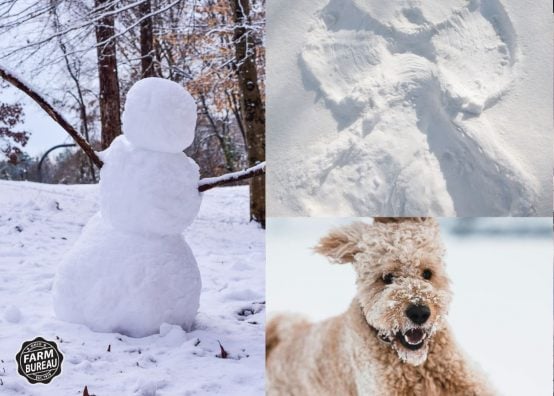
I’m going to give you a list of things that you can do that will get you outside and actually enjoy the snow.
Read More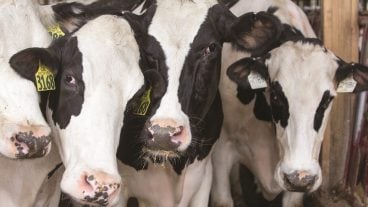

As kids, we are often told to try new things, whether it be a new food, a new activity or…
Read More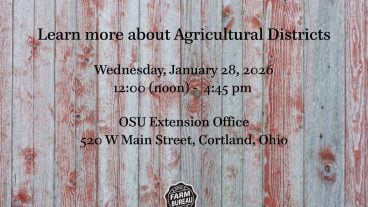

Learn more about ag districts from noon to 4:45 p.m. Jan. 28 at the OSU Extension Office, 520 W. Main Street in Cortland.
Read More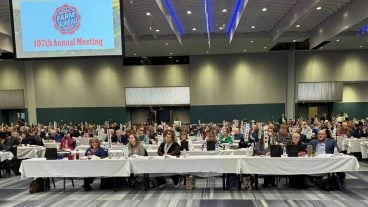
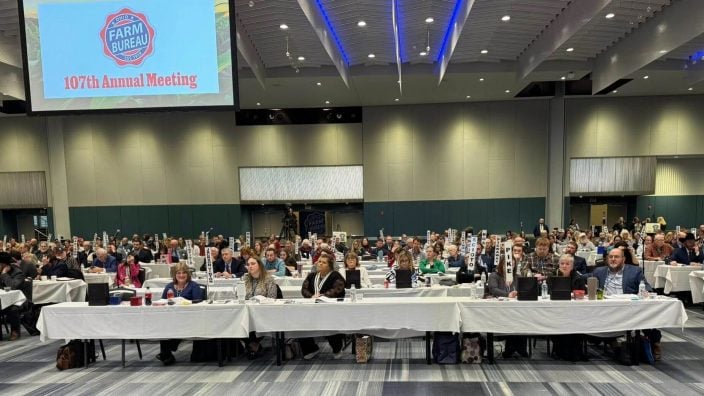
We aren’t just reacting to change — we’re shaping the future of agriculture, one conversation and one decision at a time, together.
Read More