


July/August 2025 Our Ohio
Protecting Ohio agriculture is deeply woven into the fabric of what Ohio Farm Bureau does day in and day out. The theme of this edition is ag and the law.
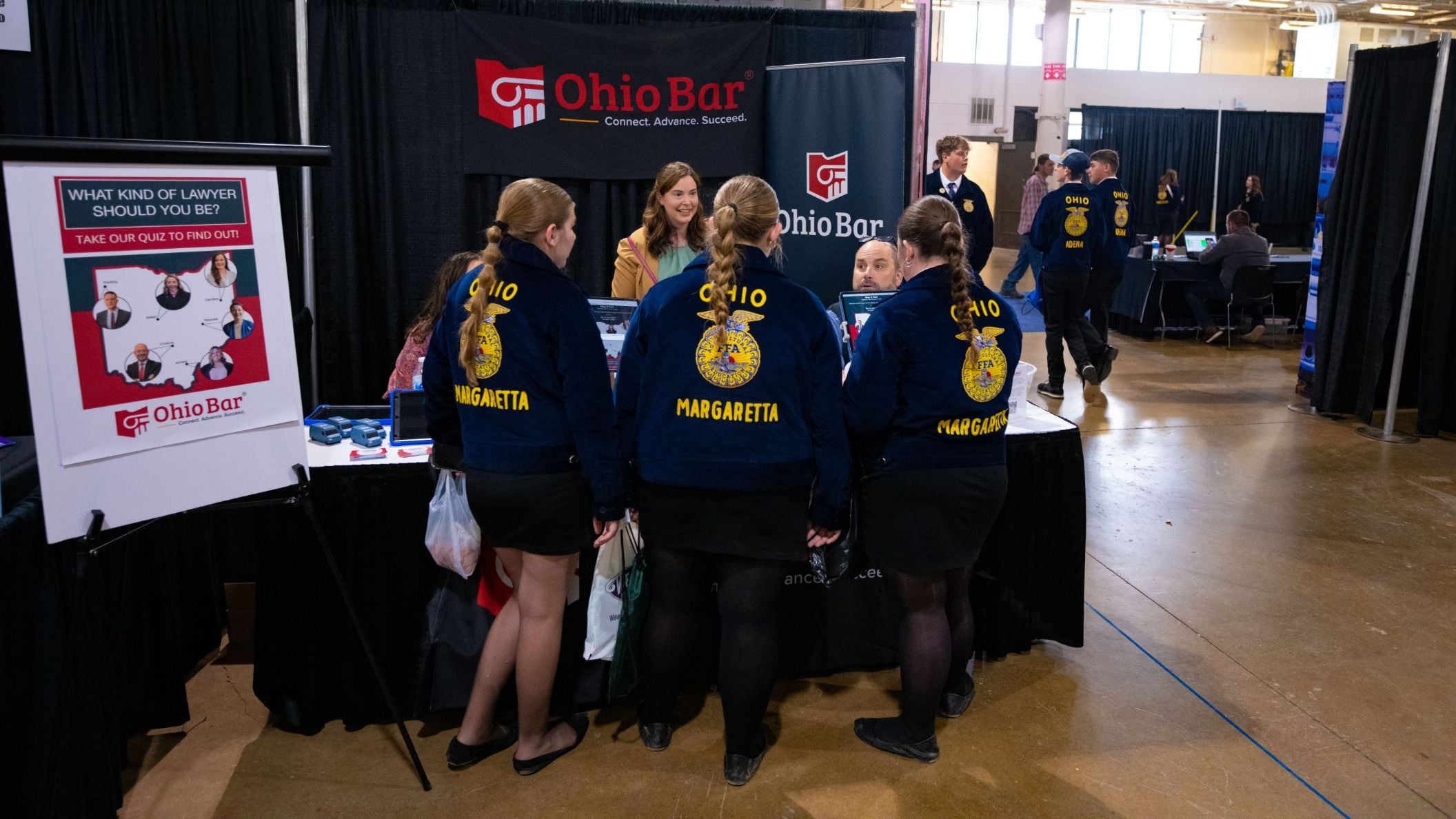
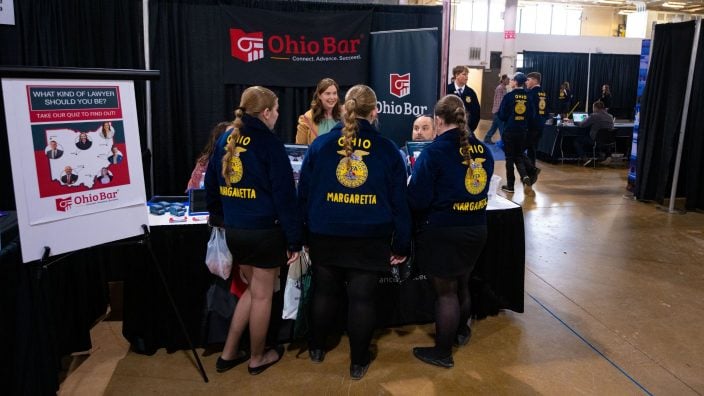
Read MoreHigh school students from around the state were introduced to a career path they may not have thought of before at the annual Ohio FFA convention trade show in Columbus earlier this year.
The Ohio State Bar Association’s interactive career survey highlighted practicing attorneys in rural counties and encouraged students to explore law school. From family law to general counsel, to prosecutors and public defenders, each lawyer referenced how every day is different in their chosen field and voiced their overall desire to help those in need of their expertise.
Yet there was one unmistakable, overarching message to potential future jurists in their array of experiences – the community needs them as much as they need the community.
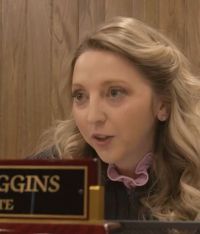
Bailey Higgins is a 31-year-old magistrate in Marion County. She serves as a civil officer or lay judge who administers the law, especially in a court that deals with minor offenses. Higgins grew up as an active participant in 4-H and FFA, earning several degrees and holding leadership positions. Skills from those experiences translated into practicing law and most recently becoming one of the youngest magistrates in Ohio, an opportunity she isn’t sure she would have unless she was practicing in a rural community.
“I wouldn’t have been given those same (career) opportunities and roles if I was in a big city or community,” she said. “When I came back to Marion County after completing college and law school, the community welcomed me with open arms. I had no idea there was such a shortage of attorneys, especially in rural communities.”
Of Ohio’s 88 counties, 82 are underserved, according to Amy Milam, rural and general practice counsel for the Ohio State Bar Association, a position developed to focus on the needs for practicing counsel in rural counties and supporting those who are already working in those communities. Milam previously worked on the policy team at Ohio Farm Bureau.
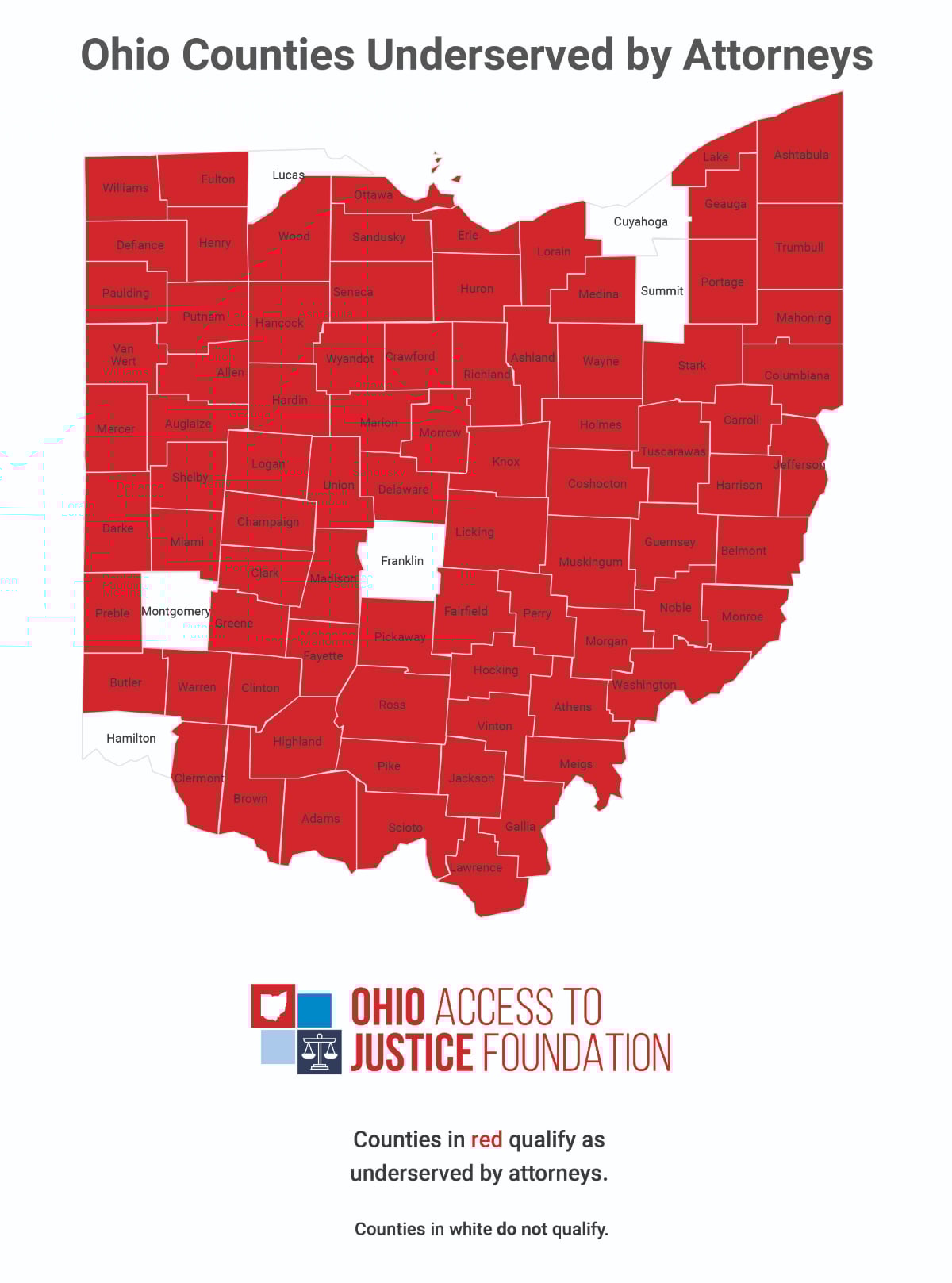
“Seventy-three percent of private practice attorneys in the state are consolidated in six counties, and just 42% of the state’s population live in those counties,” said Milam. Not surprisingly, the largest cities in the state are there – Cuyahoga County (Cleveland), Franklin County (Columbus), Hamilton County (Cincinnati), Lucas County (Toledo), Montgomery County (Dayton) and Summit County (Akron).
Often the legal needs of residents in outlying counties cost extra in time, travel and scheduling to bring in attorneys from beyond the area, or folks try to deal with issues without the full knowledge of the law. To put it simply, legal questions remain unasked or unanswered and people’s legal needs simply go unmet.
Supported by the Ohio General Assembly and championed by Ohio Supreme Court Chief Justice Sharon Kennedy, the Rural Practice Incentive Program was established to help encourage more lawyers to practice in rural communities. The program provides loan repayment on behalf of newly licensed attorneys (in good standing and licensed for eight years or less) in areas designated as underserved communities. The program is in concert with the aim of the overall Rural Practice Initiative, which is to raise awareness about the importance and impact of the issue and come up with solutions beyond loan repayments.
“People living in these communities are far less likely to have access to lawyers as they navigate complex legal issues related to health care, housing, food assistance, criminal defense, juvenile cases, abuse and delinquency,” Kennedy wrote in a letter issued by the Ohio Supreme Court about the program in 2024.
The program, administered by the Ohio Department of Higher Education, launched in 2023 and its first application and award cycle took place in 2024. It was folded into the state budget in 2025, in hopes that the funding will continue, be permanent and the program will have the opportunity to grow.
Opportunity — both professionally and personally – is something that Milam said the Ohio Bar stresses in its outreach to not only up and coming college students, but lawyers in general. Because while the rural attorney shortage is making an impact on the legal needs in rural counties, its impact goes beyond practicing law in a small town.

In Wood County, Farm Bureau member Michelle Kranz is known more for her show cattle than her work as an attorney and past president of the Ohio State Bar Association. Kranz has raised her family in Bowling Green, has a very successful law firm out of Toledo that serves in various parts of the state, and has remained a very active participant in the livestock industry.
She grew up on a livestock farm in Clark County, and she and her husband Dean VanVorhis have raised their children, and their cows, in the show ring. Their children have multiple awards, and the parents have hundreds of volunteer hours with Wood County Beef Producers, to show for it.
“I love livestock. I love that we produce food for the world,” she said. “The farm is my outlet.”
Living the farm lifestyle has been essential to her family, she said. Teaching her kids that while their parents have desk jobs, they also have work on the farm. Putting in a full day’s work with a strong work ethic is something they modeled as they raised their children. Living in a small town where they can make an impact was another.
Practicing attorneys are often leaders to the community they serve. They are pillars in the chamber of commerce, volunteers for organizations such as Farm Bureau and lend their legal expertise to the county fair board, to name just a few.
When there aren’t enough attorneys to look over legal business documents, set up farm family succession plans or research the law when it comes to a property dispute, there also aren’t enough practicing lawyers active in nonprofits, school boards and more.
“It hurts the whole fabric of a community,” Kranz said.
This issue is a priority across Ohio and the country, according to Mary Amos Augsburger, CEO of the Ohio Bar, who noted there is a diverse population in rural communities who need access to attorneys.
“People need to feel like they are being represented,” Augsburger said. “Our primary goal is access to lawyers to serve all Ohioans.”
KEY POINTS


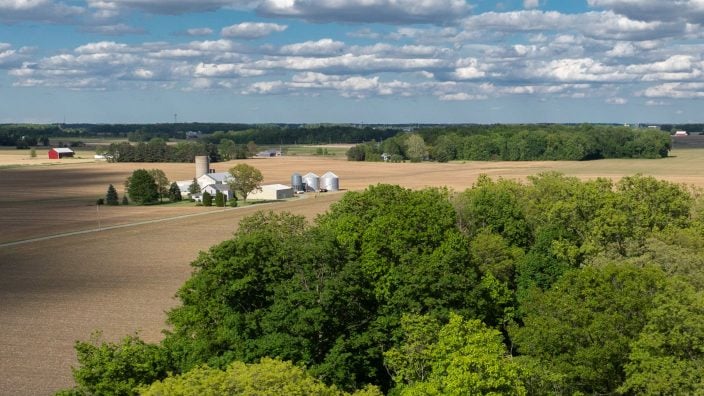
Protecting Ohio agriculture is deeply woven into the fabric of what Ohio Farm Bureau does day in and day out. The theme of this edition is ag and the law.
Read More

Over the past 15 years, OFBF has been involved in over 60 civil cases in state and federal courts, as well as over 100 administrative cases before the Federal Energy Regulatory Commission and the Ohio Power Siting Board.
Read More

Overall, proper care, maintenance and communication are all essential parts of the process when it comes to trees.
Read More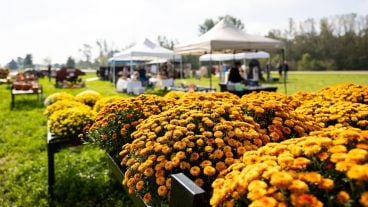
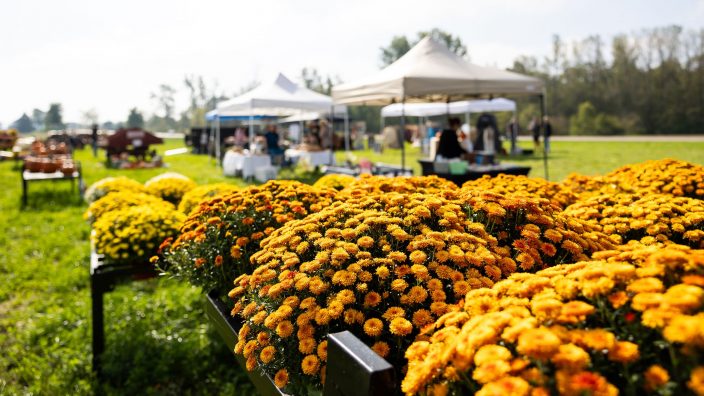
It is essential that members with an agritourism operation post a liability sign on their property. Contact the county Farm Bureau office about acquiring that sign.
Read More
It is evident that attacks on agriculture are constantly coming from various angles: Ohio Farm Bureau and American Farm Bureau are flush with some of the best farm law experts.
Read More
Eight-two of Ohio’s 88 counties are underserved by legal representation. The Ohio Rural Practice Initiative is a several-pronged approach to raise awareness of the issue.
Read More
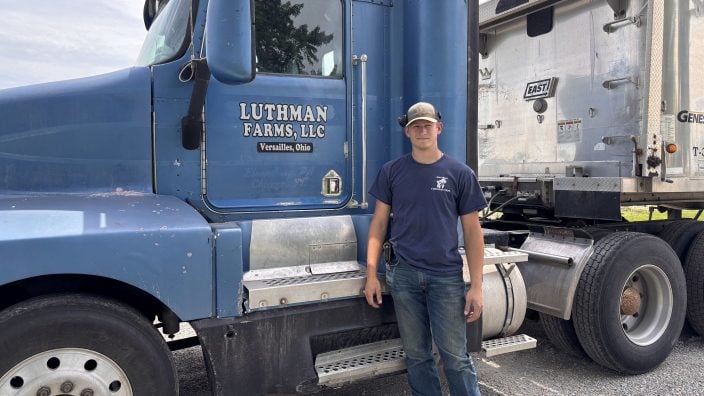
To be eligible for the $500 grant, an applicant must be a Darke County resident and Farm Bureau member, 18 to 25 years of age.
Read More

Farm Bureau members have numerous resources at their fingertips for the latest information on a host of laws and regulations directly impacting all of agriculture.
Read More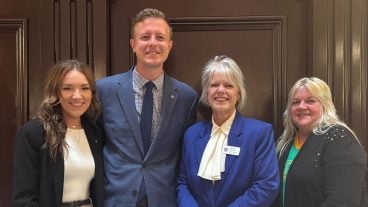

Farm Bureau staff and members testified on behalf of an annexation bill that aims to preserve farmland in the state by having a more transparent annexation process.
Read More
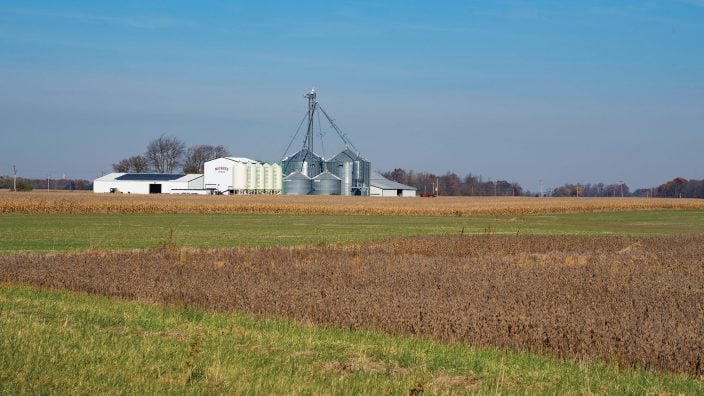
Ohio Farm Bureau has information on programs and tips on how to start the farm succession conversation, as do several of the organization’s partners.
Read More